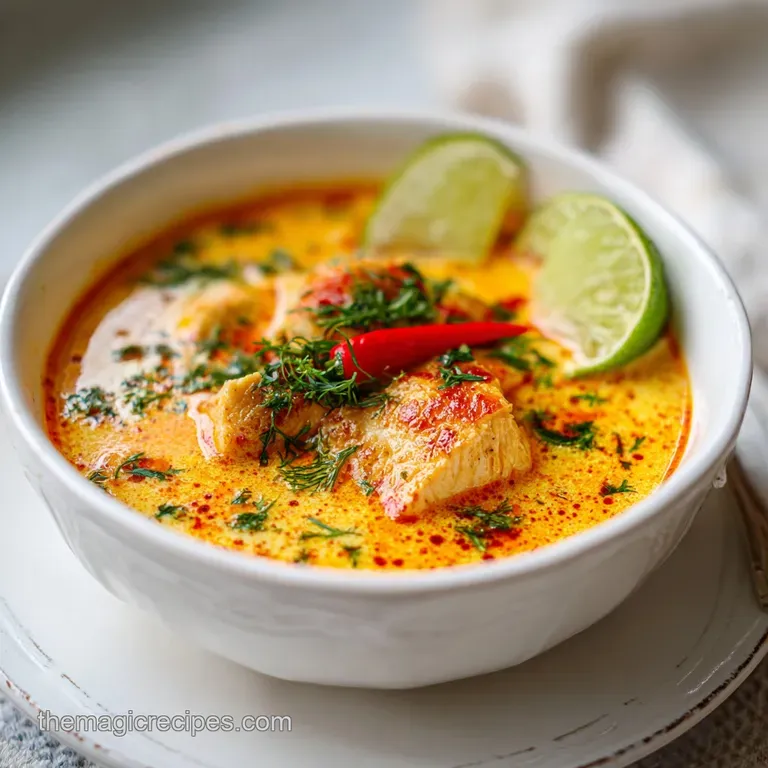
20 Minute Thai Chicken Curry Soup with Coconut Milk
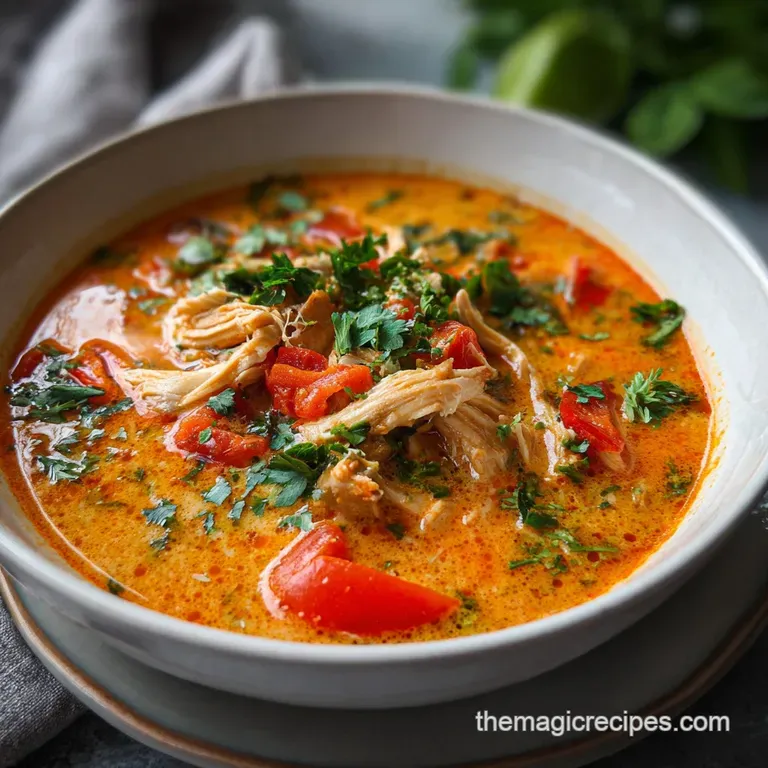
- Time: Active 5 minutes, Passive 15 minutes, Total 20 minutes
- Flavor/Texture Hook: Velvety, citrusy, and mildly spicy
- Perfect for: Busy weeknights or beginner Thai cooking
- 20 Minute Thai Chicken Curry Soup with Coconut Milk
- Science Secrets for Better Soup
- Critical Measurements for Soup Success
- Sourcing Quality Soup Ingredients
- Minimalist Tools for Better Cooking
- Three Steps for Quick Execution
- Resolving Common Soup Texture Issues
- Personalizing Your Soup Flavor Profile
- Safe Storage and Reheating Tips
- Delicious Pairings for Weeknight Dinners
- Thai Cooking Legends Debunked
- Critical in Sodium
- Recipe FAQs
- 📝 Recipe Card
20 Minute Thai Chicken Curry Soup with Coconut Milk
The sizzle of red curry paste hitting hot oil is my favorite sound of the week. Last Tuesday, I was staring at a pack of chicken breasts, absolutely exhausted, when the smell of ginger and garlic filled the kitchen and woke me right up.
It’s that instant sensory shift where the kitchen stops feeling like a chore and starts feeling like a sanctuary.
Whip up this creamy, flavorful 20 Minute Thai Chicken Curry Soup with Coconut Milk for a quick and satisfying dinner. I’ve made the mistake of skipping the "blooming" step before, and trust me, it’s the difference between a flat soup and one that makes you want to lick the bowl.
You don't need fancy skills, just one pot and a few good ingredients.
We’ve all had those watery, bland soups that call themselves Thai, but this isn't that. This recipe focuses on high impact aromatics that do the heavy lifting in minutes. You’ll get that signature balance of salty, sweet, sour, and spicy without spending an hour at the stovetop.
It's a healthy, reliable win for any night of the week.
Science Secrets for Better Soup
Fat Solubility: Many flavor compounds in curry paste are fat soluble, meaning they only release their full fragrance when heated in oil rather than water.
Emulsification Stability: Full fat coconut milk contains natural stabilizers that prevent the broth from breaking when mixed with acidic lime juice.
Protein Denaturation: Slicing the chicken against the grain shortens muscle fibers, ensuring the meat stays tender even during a rapid simmer.
| Chicken Thickness | Simmer Time | Visual Cue | Internal Temp |
|---|---|---|---|
| 1/4 inch strips | 4-5 mins | Opaque white | 165°F |
| 1/2 inch strips | 7-8 mins | Firm to touch | 165°F |
| 1 inch cubes | 10-12 mins | No pink inside | 165°F |
The thickness of your chicken is the most important factor in hitting that 20 minute goal. If you slice it thin, it cooks in a flash, keeping it juicy rather than rubbery. This table helps you gauge your timing based on how you prepped your protein.
Critical Measurements for Soup Success
| Ingredient | Science Role | Pro Secret |
|---|---|---|
| Red Curry Paste | Flavor Base | Sauté until the oil separates for a deeper, toasted profile. |
| Coconut Milk | Texture | Use full fat for a velvety mouthfeel that coats the spoon. |
| Lemongrass | Aroma | Bruise the stalk with a heavy knife to release essential oils. |
| Fish Sauce | Salt & Umami | Adds a fermented depth that salt alone cannot provide. |
Choosing the right base is vital for Chicken Breast Recipes like this one where the meat needs a flavorful liquid to stay moist. low-fat substitutes often lead to a watery finish that lacks the "oomph" you expect from Thai cuisine.
Sourcing Quality Soup Ingredients
- 1 tbsp neutral oil: Why this? High smoke point allows aromatics to sizzle without burning. (Substitute: Avocado oil)
- 3 tbsp Thai red curry paste: Why this? Provides the core spice and herb profile instantly. (Substitute: Yellow curry paste for less heat)
- 3 cloves garlic, minced: Why this? Adds pungent depth to the broth base. (Substitute: 1 tsp garlic powder)
- 1 tbsp fresh ginger, grated: Why this? Provides a sharp, fresh zing that balances the coconut. (Substitute: Galangal)
- 1 stalk lemongrass, bruised: Why this? Infuses the soup with a distinct floral citrus note. (Substitute: 1 tsp lemon zest)
- 14 oz full fat coconut milk: Why this? Creates the creamy, rich texture and sweet undertone. (Substitute: Heavy cream with a drop of coconut extract)
- 3 cups low sodium chicken broth: Why this? Forms the liquid volume while controlling salt levels. (Substitute: Vegetable broth)
- 1 tbsp brown sugar: Why this? Balances the heat of the curry and salt of the fish sauce. (Substitute: Coconut sugar)
- 1 lb chicken breast, thinly sliced: Why this? Lean protein that absorbs the broth flavors quickly. (Substitute: Sliced turkey or shrimp)
- 1 red bell pepper, thinly sliced: Why this? Adds sweetness, crunch, and bright color. (Substitute: Sliced carrots)
- 1 cup sliced mushrooms: Why this? Provides earthy texture and absorbs the spicy broth. (Substitute: Zucchini)
- 2 tbsp fish sauce: Why this? The essential salty, funky backbone of Thai cooking. (Substitute: Soy sauce)
- 2 tbsp fresh lime juice: Why this? Cuts through the fat of the coconut for a bright finish. (Substitute: Rice vinegar)
- 0.5 cup fresh cilantro, chopped: Why this? Adds a cooling, herbal top note to the dish. (Substitute: Fresh Thai basil)
Minimalist Tools for Better Cooking
You don't need a pantry full of gadgets to make this work. A heavy bottomed pot, like a Dutch oven or a large saucepan, is your best friend here because it holds heat steadily. This prevents the coconut milk from fluctuating in temperature, which can sometimes cause it to look grainy.
A microplane or fine grater is also a lifesaver for the ginger and garlic. When you grate them directly into the pot, you capture all the juices that usually stay on the cutting board.
If you’re using fresh lemongrass, a heavy mallet or the back of a chef's knife is perfect for bruising the stalk to let those oils escape.
Three Steps for Quick Execution
Chef's Tip: Freeze your ginger for 10 minutes before grating. The fibers become brittle, making it much easier to get a fine paste without the stringy mess.
1. Bloom the Aromatics
Heat the oil in your pot over medium heat. Add the red curry paste, minced garlic, and grated ginger. Sauté for about 2 minutes until the fragrance fills the room and the paste turns a shade darker. This step is non negotiable for getting the best flavor out of your paste.
2. Build the Velvet Base
Stir in the bruised lemongrass stalk, 14 oz full fat coconut milk, 3 cups chicken broth, and 1 tbsp brown sugar. Bring the mixture to a gentle simmer. Note: Don't let it reach a violent boil, or the coconut milk might lose its silky texture.
3. Quick Poach the Chicken
Add the 1 lb sliced chicken breast, sliced red bell pepper, and 1 cup mushrooms to the pot. Simmer for 5 to 7 minutes until the chicken is opaque and the vegetables are tender crisp. Turn off the heat.
4. The Final Balance
Stir in the 2 tbsp fish sauce and 2 tbsp lime juice. Taste the broth it should be a perfect harmony of salty, sweet, and sour. Remove the lemongrass stalk and garnish with plenty of 0.5 cup chopped cilantro before serving.
Resolving Common Soup Texture Issues
Why is the soup thin?
If your soup feels more like flavored water than a rich curry, it's usually because of the coconut milk. "Lite" coconut milk has a much higher water content and won't give you that signature coating.
If you already used the thin stuff, simmer the soup without a lid for an extra 5 minutes to reduce the liquid slightly.
Why does the broth look split?
If you see little dots of oil or a curdled appearance, your heat was likely too high. Boiling coconut milk aggressively can cause the fats to separate from the liquid. It still tastes fine, but the texture isn't as velvety. To fix this next time, keep the heat at a steady simmer rather than a rolling boil.
| Problem | Root Cause | Solution |
|---|---|---|
| Too Spicy | Too much curry paste | Add an extra splash of coconut milk or a teaspoon of sugar. |
| Too Salty | Over reduction or heavy fish sauce | Add a squeeze of extra lime juice or a splash of water. |
| Bland Flavor | Didn't bloom the paste | Sauté a teaspoon of paste in a separate pan with oil and stir it in. |
- ✓ Slice chicken against the grain for maximum tenderness.
- ✓ Don't skip the brown sugar; it balances the intense salt and heat.
- ✓ Add lime juice ONLY after removing from heat to keep the flavor bright.
- ✓ Bruise the lemongrass thoroughly to ensure the flavor actually infuses.
- ✓ Use a low sodium broth to stay in control of the final saltiness.
Personalizing Your Soup Flavor Profile
If you want to turn this into a "Noodle Bowl," simply add 4 oz of rice noodles to the pot during the last 3 minutes of simmering. They will soak up the broth and make the meal much heartier.
Just be aware that noodles will drink up the liquid, so you might need an extra half cup of broth if you plan on having leftovers.
For those who prefer more heat, swap the red curry paste for green curry paste. Green paste is usually packed with fresh green chilies and offers a much sharper, more aggressive spice level. It’s a great way to use this base technique but change the vibe entirely. If you want a different creamy vibe, you could even try the base logic of my Creamy Cajun Chicken recipe but keep these Thai aromatics.
| Method | Time | Texture | Best For |
|---|---|---|---|
| Stovetop | 20 mins | Fresh, vibrant veg | Quick weeknight dinner |
| Dutch Oven (Oven) | 35 mins | Deeply infused | Hands off weekend meal |
| Slow Cooker | 4 hrs (Low) | Very tender meat | Meal prep / Set and forget |
Safe Storage and Reheating Tips
Storage: This soup keeps beautifully in the fridge for up to 3 days. The flavors actually meld and deepen overnight, making it a stellar lunch for the next day. Just make sure to store it in an airtight container to keep the aromatics from taking over your whole fridge.
Freezing: You can freeze this for up to 2 months. However, coconut milk can sometimes change texture after thawing. When you reheat it, do so slowly on the stovetop and give it a good whisk to bring the emulsion back together.
Zero Waste: Don't toss those cilantro stems! Finely mince the stems and sauté them right along with the garlic and ginger for an extra punch of herbal flavor. If you have leftover red peppers or mushrooms, just toss them in; this recipe is very forgiving with extra vegetables.
Delicious Pairings for Weeknight Dinners
While this soup is a meal on its own, I almost always serve it with a side of grains to soak up every drop of that broth. A bowl of jasmine rice is the classic choice, but if you want to stay within the theme, my Coconut Lime Rice recipe is a total winner. The extra hit of lime in the rice mirrors the soup perfectly.
If you’re looking for a low carb option, cauliflower rice works surprisingly well here. The nutty flavor of the cauliflower complements the coconut milk base. If you want to go the extra mile, a simple cucumber salad with rice vinegar and red onions provides a cool, crunchy contrast to the warm, spicy soup.
Thai Cooking Legends Debunked
Many people believe you need to make your own curry paste from scratch for it to be "authentic." Honestly, unless you have a mortar, pestle, and an hour to kill, high-quality store-bought pastes (like Mae Ploy or Maesri) are used by home cooks in Thailand all the time.
They are consistent and save you a massive amount of prep work.
Another myth is that you can't use chicken breast because it gets dry. While chicken thighs are more forgiving, the secret is in the slicing and the poaching method. By thinly slicing the breast and simmering it just until opaque, you keep it incredibly tender. This isn't a long simmer stew; it's a quick poach.
Finally,, don't worry about the "oil" you might see floating on top. In many traditional Thai kitchens, that oil separation is actually a sign of a well cooked curry. It means the coconut milk has "cracked" and the flavors have been properly released.
In this quick 20 minute version, we aim for a smoother look, but a few oil beads are nothing to fear!

Critical in Sodium
1240 mg mg of sodium per serving (54% % of daily value)
The American Heart Association recommends limiting sodium intake to about 2,300mg per day for overall cardiovascular health.
Tips to Reduce Sodium in Your Thai Red Curry
-
Broth Swap-30%
Replace the low-sodium chicken broth with a no-sodium chicken broth. This can significantly reduce the sodium content without compromising the flavor base.
-
Fish Sauce Reduction-20%
Reduce the amount of fish sauce from 2 tablespoons to 1 tablespoon. Fish sauce is a major source of sodium in this recipe. Taste and add more only if needed.
-
DIY Curry Paste-15%
Prepare your own Thai red curry paste from scratch. store-bought pastes are often very high in sodium. This gives you control over the sodium content.
-
Enhance with Citrus-10%
Increase the amount of fresh lime juice to enhance the tangy flavor. The acidity can compensate for the reduction in saltiness.
-
Fresh Ingredients-5%
Use fresh chicken and vegetables. Sometimes frozen or pre-cut options have added sodium. Cooking with fresh ingredients gives you more control.
-
Herb Power
Don't be afraid to experiment with other herbs and spices like Thai basil, kaffir lime leaves, or galangal to boost flavor without adding sodium.
Recipe FAQs
Can I substitute canned light coconut milk instead of full fat?
No, I strongly advise against it for texture. Light coconut milk is too diluted and will result in a watery broth that lacks the necessary richness and velvety mouthfeel you want in a curry soup.
How to ensure the chicken cooks quickly and stays tender in 20 minutes?
Slice the chicken breast very thinly against the grain. Aim for strips about 1/4 inch thick so they poach rapidly without drying out during the short simmer time.
Is it true that blooming the curry paste is optional for this quick recipe?
No, this is a common misconception. Blooming the paste in hot oil unlocks fat-soluble flavor compounds that water alone cannot release, giving your soup depth that tastes like it cooked for hours.
How to incorporate noodles without exceeding the 20-minute total time?
Add quick cooking rice noodles during the final 3 minutes of simmering. They only need to hydrate, so introduce them after the chicken is cooked to prevent them from turning mushy; this technique is similar to the timing needed for our Chicken Tortellini in recipe.
What substitution works best if I run out of fish sauce for umami?
Use soy sauce or tamari, but add it sparingly. Fish sauce is fermented, providing a funkier umami depth; soy sauce is purely salty, so start with half the amount and adjust to taste.
How to prevent the coconut milk from splitting or curdling when simmering?
Maintain a gentle simmer, never a rolling boil, once the coconut milk is added. Rapid boiling causes the fats to separate from the liquid; if you enjoyed mastering the precise cooking temperature here, apply that same heat control to our Sheet Pan Chicken recipe.
Can I prep the chicken and vegetables the night before to speed up the process?
Yes, preparing them ahead is highly recommended. You can slice the chicken and peppers up to 24 hours in advance; this cuts your active cooking time down to about five minutes, leaving only the searing and simmering.
20 Minute Thai Chicken Curry
Ingredients:
Instructions:
Nutrition Facts:
| Calories | 478 kcal |
|---|---|
| Protein | 39 g |
| Fat | 28.5 g |
| Carbs | 14 g |
| Fiber | 1.8 g |
| Sugar | 5.2 g |
| Sodium | 1240 mg |
