Asian Chicken Wraps: Savory Peanut Glaze and Crunchy Slaw
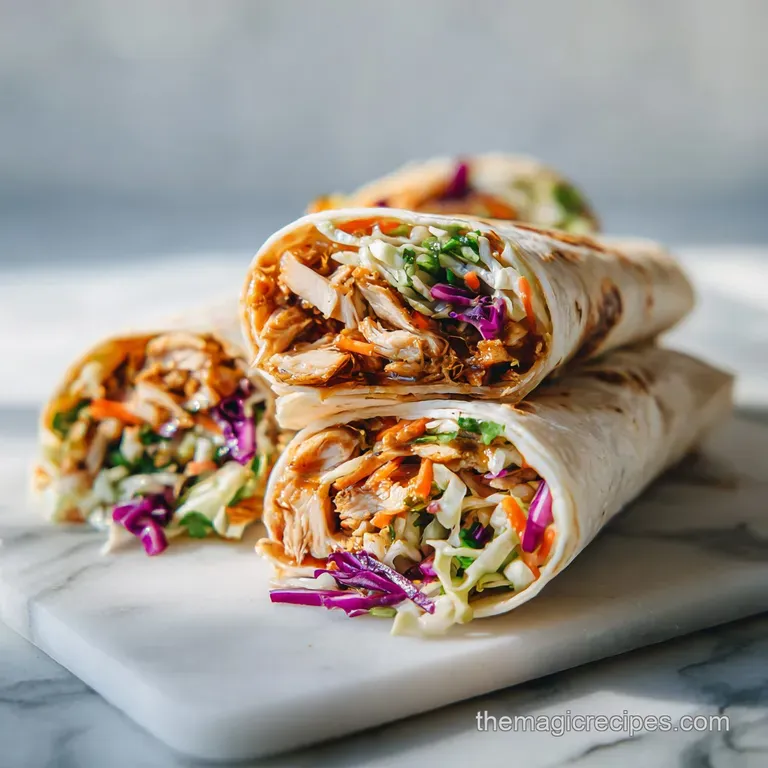
- Time: Active 15 minutes, Passive 10 minutes, Total 25 minutes
- Flavor/Texture Hook: Crunchy cabbage meets velvety peanut glaze
- Perfect for: Vibrant summer lunches or quick communal dinners
- Vibrant And Fresh Asian Chicken Wraps
- Key Techniques Explained
- Essential Recipe Specifications
- Selecting Your Fresh Ingredients
- Required Kitchen Equipment
- Preparing Your Vibrant Wrap
- Common Pitfalls to Avoid
- Creative Recipe Variations
- Scaling and Adjustments
- Debunking Common Myths
- Storage and Freshness Tips
- Very High in Sodium
- Recipe FAQs
- 📝 Recipe Card
Vibrant And Fresh Asian Chicken Wraps
Picture a humid Friday evening on the patio, the kind where the sun is just starting to dip and the air feels thick with the promise of the weekend. I remember the first time I pulled this together for a group of friends who showed up unannounced.
The kitchen was a bit of a chaotic mess, but the second that sliced ginger hit the hot oil, the whole mood shifted. That sharp, zingy aroma acted like a dinner bell, drawing everyone toward the stove to see what was sizzling.
There is something so communal about a wrap, it invites people to lean in, get their hands a little messy, and truly enjoy the food.
We aren't just making a sandwich here; we are building a pocket of global textures. The sizzle of the chicken strips hitting the skillet creates those jagged, golden edges that hold onto the sauce like a dream.
When you take that first bite, you get the immediate snap of the cold cabbage followed by the warm, nutty depth of the glaze. It is an authentic street food experience that fits right onto your kitchen table without needing a passport or a plane ticket.
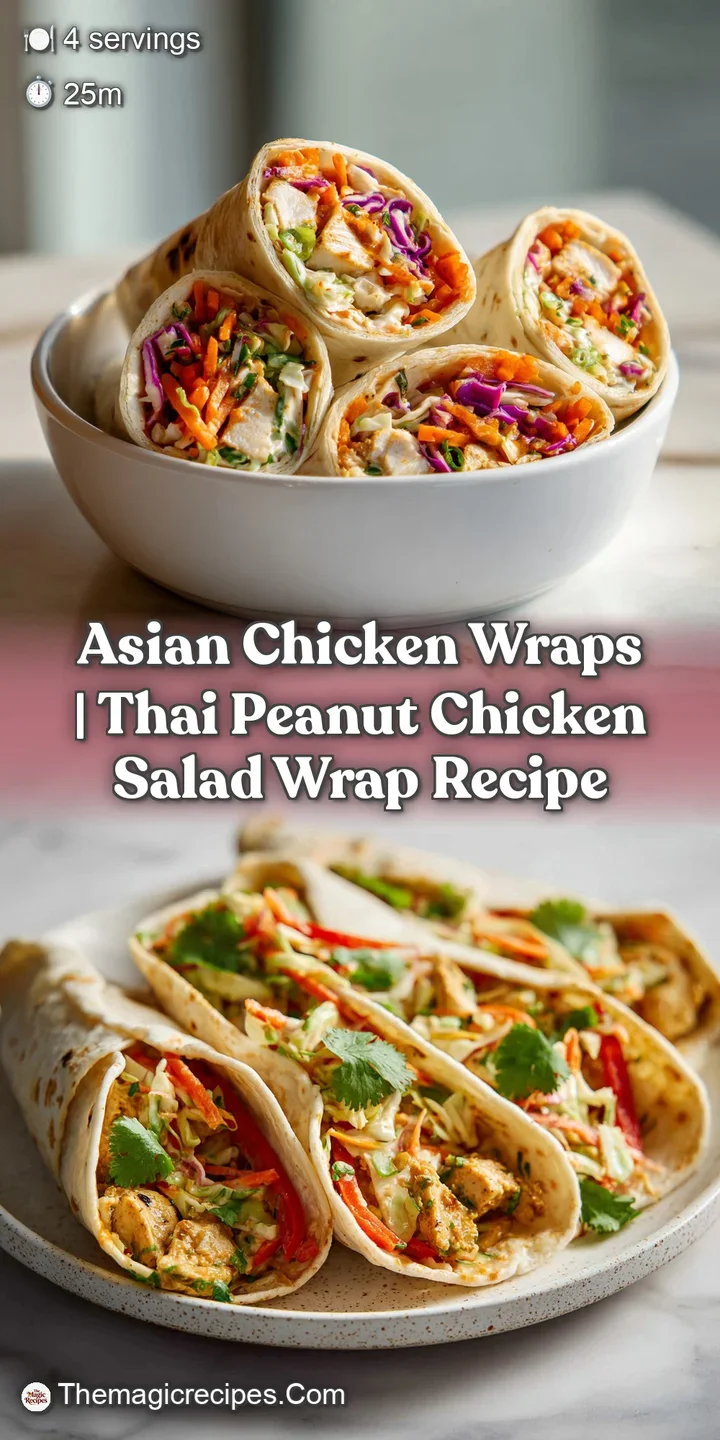
This dish is all about the balance of color and temperature. You have the stark white and purple of the cabbage, the bright orange of the matchstick carrots, and the deep, earthy brown of the peanut sauce. It looks like a painting once it is all assembled. Most importantly, it is accessible.
We are using familiar ingredients but treating them with techniques that respect their origins, ensuring every bite feels like a deliberate, flavorful choice rather than a rushed weeknight afterthought.
Key Techniques Explained
The success of these wraps depends on how we manage the moisture and the sear. If you throw cold, damp chicken into a lukewarm pan, it will steam rather than sear, leaving you with grey, rubbery meat. We want a hard sear to create a crust.
This crust isn't just for looks; it provides the structural integrity needed to stand up to the heavy peanut sauce.
- Protein Denaturation
- High heat causes the chicken proteins to tighten and brown, creating a savory exterior while keeping the inside tender.
- Emulsion Stability
- By adding warm water slowly to the peanut butter, we prevent the fat from separating, ensuring a velvety, pourable consistency.
- Acid Brightening
- The rice vinegar provides a sharp contrast to the heavy lipids in the peanut butter, which wakes up the palate.
- Osmotic Balance
- Mixing the slaw just before serving keeps the cabbage from "weeping" and becoming soggy inside the tortilla.
| Method | Time | Texture | Best For |
|---|---|---|---|
| Stovetop Skillet | 10 minutes | Crispy edges, juicy interior | Maximum flavor and speed |
| Oven Roasting | 15 minutes | Uniformly tender, less browning | Hands off bulk prep |
| Air Fryer | 8 minutes | Very crunchy, slightly drier | Small batches and extra crunch |
Cooking the chicken on the stovetop is my preferred way because you can control the "fond" (those little brown bits) in the pan. When you stir in the ginger and garlic at the very end, they pick up those toasted chicken juices and create a much deeper flavor profile than you would ever get in the oven. If you are curious about other stovetop methods, you might find my Japanese glazed chicken technique useful for achieving that glossy finish.
Essential Recipe Specifications
When we talk about the architecture of a great wrap, we have to look at the component parts. The peanut sauce is the glue, but the chicken is the foundation. I always suggest slicing the chicken breast while it is still slightly chilled; it makes getting those thin, uniform strips so much easier.
This ensures every piece cooks at the exact same rate, so you don't end up with some bits that are dry while others are still underdone.
| Ingredient | Role | Pro Secret |
|---|---|---|
| Peanut Butter | Primary Emulsifier | Use creamy versions for a smoother mouthfeel and better coating |
| Rice Vinegar | Acid Component | It has a lower pH than white vinegar, making it gentler on the palate |
| Toasted Sesame Oil | Aromatic Base | Always add this last or off heat to preserve the volatile scent oils |
| Fresh Ginger | Flavor Catalyst | Grate it from frozen to get a fine paste that melts into the sauce |
The interaction between the honey and the soy sauce is where the magic happens. The sugars in the honey help with the caramelization in the pan, while the salt in the soy sauce draws out the natural sweetness of the chicken. It’s a classic pairing for a reason.
Using warm water to thin the sauce is a trick I learned the hard way cold water can make the peanut butter seize up into a clumpy mess, but warm water coaxes it into a silky ribbon.
Selecting Your Fresh Ingredients
Finding the right components is half the battle. You want the freshest cabbage you can find give it a squeeze; it should feel dense and heavy for its size. That density translates to a better "shatter" when you bite into the wrap.
- 1 lb chicken breast: Thinly sliced into strips. Why this? Lean protein that absorbs the peanut glaze quickly without becoming greasy.
- 1 tbsp neutral oil: For searing. Why this? High smoke point prevents the kitchen from getting smoky during the sear.
- 1 tsp fresh ginger: Grated finely. Why this? Adds a sharp, spicy top note that cuts through the rich peanut butter.
- 2 cloves garlic: Minced. Why this? Provides the essential savory base that grounds the sweeter elements.
- 1/3 cup creamy peanut butter: The heart of the sauce. Why this? Creates a velvety texture and carries the other flavors beautifully.
- 2 tbsp low sodium soy sauce: For salt and umami. Why this? Provides depth without making the dish overly salty.
- 1 tbsp rice vinegar: For brightness. Why this? A mellow acid that balances the sweetness of the honey.
- 1 tbsp honey: For sweetness. Why this? Helps the sauce cling to the chicken and adds a floral note.
- 1 tsp toasted sesame oil: For aroma. Why this? A tiny amount provides a massive, nutty fragrance.
- 3 tbsp warm water: To adjust consistency. Why this? Ensures the sauce is pourable and doesn't clump up.
- 2 cups shredded cabbage: The crunch factor. Why this? Holds its texture much better than lettuce once dressed.
- 1/2 cup carrots: Matchstick cut. Why this? Adds natural sweetness and a vibrant orange color accent.
- 1/4 cup fresh cilantro: Chopped. Why this? Provides a cooling, herbal finish that lifts the whole dish.
- 1/4 cup crushed peanuts: For garnish. Why this? Reinforces the peanut flavor and adds a secondary crunch.
- 2 green onions: Thinly sliced. Why this? Adds a mild, oniony bite and a bright green color accent.
- 4 large flour tortillas: The vessel. Why this? Flexible enough to hold a generous amount of filling without tearing.
| Original Ingredient | Substitute | Why It Works |
|---|---|---|
| Peanut Butter | Almond Butter | Similar fat content. Note: Result will be less sweet and more earthy. |
| Rice Vinegar | Lime Juice | High acidity. Note: Adds a citrusy, Thai inspired punch. |
| Flour Tortillas | Large Lettuce Leaves | Zero carbs. Note: Use Bibb or Romaine for a refreshing, lighter crunch. |
If you find yourself out of tortillas but still craving these flavors, the chicken and slaw work beautifully served over a bowl of rice. I often recommend a Broccoli Casserole recipe for a side dish if you're looking to round out a larger family meal, as the creamy textures complement each other surprisingly well.
Required Kitchen Equipment
You don't need a professional kitchen to pull this off, but a couple of specific tools make the process much smoother. A heavy bottomed skillet is your best friend here. It retains heat much better than thin aluminum pans, which is crucial for getting that 3 minute sear on the chicken.
- Large Skillet: Preferably cast iron or heavy stainless steel for even browning.
- Medium Glass Bowl: For whisking the sauce. Glass is non reactive, so the vinegar won't pick up any metallic tastes.
- Microplane or Fine Grater: Essential for turning the ginger and garlic into a paste so they integrate into the glaze.
- Sharp Chef's Knife: For getting those cabbage shreds thin and the carrot matchsticks precise.
Preparing Your Vibrant Wrap
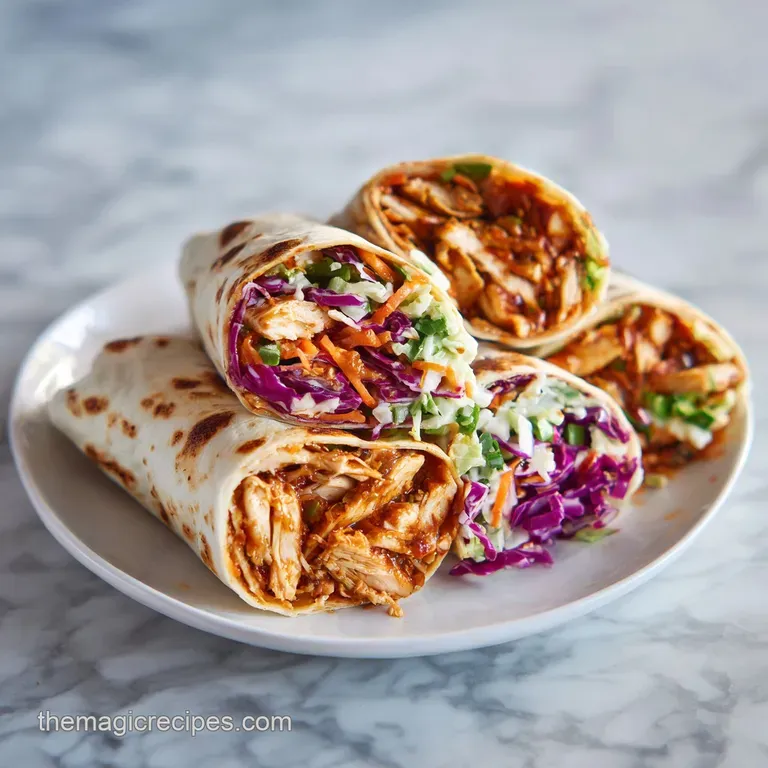
- Heat the neutral oil in your large skillet over medium high heat until it shimmers.
- Add the chicken strips in a single layer and sear for 3 minutes. Note: Resist the urge to move them so they develop a golden crust.
- Flip the chicken and cook for another 3 minutes until golden and crackling.
- Stir in the grated ginger and minced garlic during the last 60 seconds of cooking.
- In your glass bowl, whisk the peanut butter, soy sauce, rice vinegar, honey, and sesame oil.
- Slowly whisk in the warm water, one tablespoon at a time, until silky and pourable.
- Toss the shredded cabbage, matchstick carrots, and cilantro together in a separate bowl.
- Take the skillet off the heat and pour half the peanut sauce over the chicken, tossing to glaze.
- Lay out the tortillas and divide the glazed chicken and fresh slaw among them.
- Drizzle the remaining sauce over the top and garnish with peanuts and green onions.
Chef's Tip: Warm your tortillas for 15 seconds in a dry pan or microwave before filling. This makes them much more pliable and prevents them from cracking during the fold.
Common Pitfalls to Avoid
The biggest mistake I see people make with any chicken wrap is "soggy bottom syndrome." This happens when the slaw sits too long in the dressing or the chicken isn't seared properly. We want every component to maintain its individual texture until the moment it hits your tongue.
Why Your Sauce Is Seizing
If you add cold water to the peanut butter, the fats can tighten up and create a grainy, thick paste that won't drizzle. This happens because peanut butter is a delicate emulsion of oils and solids.
Why Your Tortillas Tear
Using cold tortillas is a recipe for disaster. As the flour starch cools, it becomes brittle. A quick hit of heat "relaxes" the gluten, making the wrap stretchy and strong enough to hold all that crunchy cabbage and saucy chicken.
| Problem | Root Cause | Solution |
|---|---|---|
| Rubbery Chicken | Crowded skillet | Cook in two batches to ensure a over high heat sear rather than steaming. |
| Bland Filling | Under seasoned slaw | Add a pinch of salt to the cabbage mixture right before assembling. |
| Messy Eating | Sauce too thin | Add an extra teaspoon of peanut butter to thicken the emulsion. |
- ✓ Pat chicken completely dry with paper towels before it hits the oil to ensure a crust.
- ✓ Shred the cabbage as thin as possible for a better mouthfeel and easier wrapping.
- ✓ Don't add the garlic too early or it will burn and become bitter in the high heat.
- ✓ Let the seared chicken rest for 2 minutes before tossing with the sauce to keep it juicy.
- ✓ Use warm water (around 110°F) to ensure the peanut sauce stays smooth.
Creative Recipe Variations
This recipe is a fantastic canvas for experimentation. While the peanut base is classic, you can easily shift the flavor profile by swapping out just a few key components.
- For a Spicy Kick: Add 1 teaspoon of Sriracha or chili garlic sauce into the peanut mixture. The heat plays beautifully against the honey and ginger.
- For a Low Carb Alternative: Ditch the tortilla and use large butter lettuce or romaine leaves. The contrast of the cold leaf against the warm chicken is incredibly refreshing.
- For a Nut Free Version: Swap the peanut butter for sunflower seed butter. It has a similar creamy texture and earthy flavor without the allergen concerns.
If you are looking for other quick lunch options that hit these same fresh notes, you might want to try these Lemon Herb Chicken Wraps. They offer a citrusy alternative that is just as fast to pull together on a busy afternoon.
Scaling and Adjustments
When you need to feed a crowd, scaling this recipe is relatively straightforward, but you have to be careful with the skillet space. If you double the recipe to serve 8 people, do not try to cook all 2 lbs of chicken at once.
The temperature of the pan will drop too low, and you'll end up with boiled chicken instead of seared strips.
- Scaling Down (2 servings): Cut all ingredients exactly in half. You can still use the same size skillet, just expect the chicken to cook slightly faster since there is more room for heat circulation.
- Scaling Up (8+ servings): Double the ingredients but cook the chicken in batches. Keep the first batch warm in a low oven (200°F) while you finish the rest. For the sauce, you may only need 1.5x the water, as larger volumes of sauce tend to retain moisture better.
| Servings | Chicken Amount | Tortillas | Total Time |
|---|---|---|---|
| 2 people | 0.5 lb | 2 large | 20 minutes |
| 4 people | 1 lb | 4 large | 25 minutes |
| 8 people | 2 lbs | 8 large | 40 minutes |
Debunking Common Myths
One persistent myth is that you need to marinate the chicken for hours to get flavor. In a wrap like this, the sauce is so potent and clings so well to the seared edges that a long marinade is actually counterproductive. It can make the meat too wet to sear properly.
Another misconception is that "Asian style" sauces always need a lot of oil. In reality, the fat in the peanut butter provides all the richness you need. We use the sesame oil primarily for its aromatic qualities, not as a cooking medium. Adding too much extra oil would just make the wrap greasy and heavy.
Storage and Freshness Tips
These wraps are best eaten immediately, but the components store quite well if kept separate. In fact, I often make a double batch of the chicken and sauce for meal prep during the week.
- Fridge Storage: Store the cooked chicken, the peanut sauce, and the dry slaw in three separate airtight containers. They will stay fresh for up to 3 days.
- Freezing: You can freeze the seared chicken for up to 2 months. However, do not freeze the slaw or the assembled wrap, as the cabbage will lose its structure and the tortilla will become mushy.
- Zero Waste Tip: Don't throw away those cilantro stems! They have more flavor than the leaves. Chop them finely and whisk them directly into the peanut sauce for an extra herbal punch. If you have leftover cabbage and carrots, toss them with a little lime juice and salt for a quick side salad the next day.
To reheat, give the chicken a quick 60 second zap in the microwave or a few minutes in a hot pan. Whisk the sauce with a tiny splash of warm water to loosen it back up before drizzling. Always assemble right before you eat to keep that crunch alive!
Very High in Sodium
845 mg 845 mg (37% 37% of daily value)
The American Heart Association recommends limiting sodium intake to no more than 2,300mg per day, with an ideal limit of 1,500mg for most adults.
Tips to Reduce Sodium
-
Choose Low-Sodium Soy Sauce-20%
The primary sodium source is soy sauce. Switching to a low-sodium version can drastically reduce sodium content without sacrificing much flavor.
-
Use Fresh Aromatics Liberally
While not directly reducing sodium, using generous amounts of fresh ginger and garlic, along with herbs like cilantro, can enhance flavor complexity making you less reliant on sodium for taste.
-
Opt for Unsalted Peanuts-5%
If using pre-crushed peanuts, ensure they are unsalted. If you have control over peanut butter, choose a natural, unsalted variety to eliminate added sodium.
-
Balance Flavors with Honey and Vinegar
The sweetness from honey and the tang from rice vinegar can counterbalance the flavors. Adjusting these to your preference can further enhance taste without needing more sodium.
-
Boost with Fresh Herbs and Spices
Incorporate plenty of fresh cilantro and green onions. Consider adding other fresh herbs like mint or basil, and spices like chili flakes for extra flavor.
Recipe FAQs
Is it true I must cook the chicken strips in batches to get them golden brown?
Yes, this is essential for proper browning. Crowding the skillet drops the temperature too quickly and causes the meat to steam rather than sear, which prevents that vital golden crust.
How to keep the slaw crunchy when meal prepping?
Store the cabbage, carrots, and cilantro in a separate airtight container. Keeping the slaw base away from the moisture of the peanut sauce and warm chicken ensures it retains its signature crisp texture for up to three days.
Can I use a different cooking method for the chicken?
Yes, you can adapt the preparation if you prefer. If you enjoyed the sear achieved in this skillet method, you can replicate that high heat crust on a larger scale by following the air fryer chicken breast technique to maintain similar juiciness.
How to fix the peanut sauce if it becomes too thick?
Add warm water one tablespoon at a time while whisking. Continue adding small amounts of water until the sauce reaches a smooth, pourable, creamy consistency that coats the chicken evenly.
Is it safe to freeze the leftover wraps?
No, freezing assembled wraps is not recommended. The cabbage will lose its structural integrity and the tortilla will become unpleasantly mushy upon thawing, so only freeze the cooked chicken.
How to develop the best flavor in the chicken?
Sear the strips for 3 minutes without moving them. This uninterrupted contact is critical for developing a flavorful golden crust before you add the aromatics like ginger and garlic in the final minute.
How to achieve the perfect protein-to-sauce ratio?
Toss the cooked chicken with exactly half the prepared sauce before assembling. Reserving the remaining sauce for drizzling ensures every bite is flavorful without making the tortilla soggy before serving.
Asian Chicken Wraps
Ingredients:
Instructions:
Nutrition Facts:
| Calories | 652 kcal |
|---|---|
| Protein | 46.3 g |
| Fat | 28.5 g |
| Carbs | 50.8 g |
| Fiber | 4.6 g |
| Sugar | 9.2 g |
| Sodium | 845 mg |
