Ukrainian Borscht Soup: Authentic and Vibrant
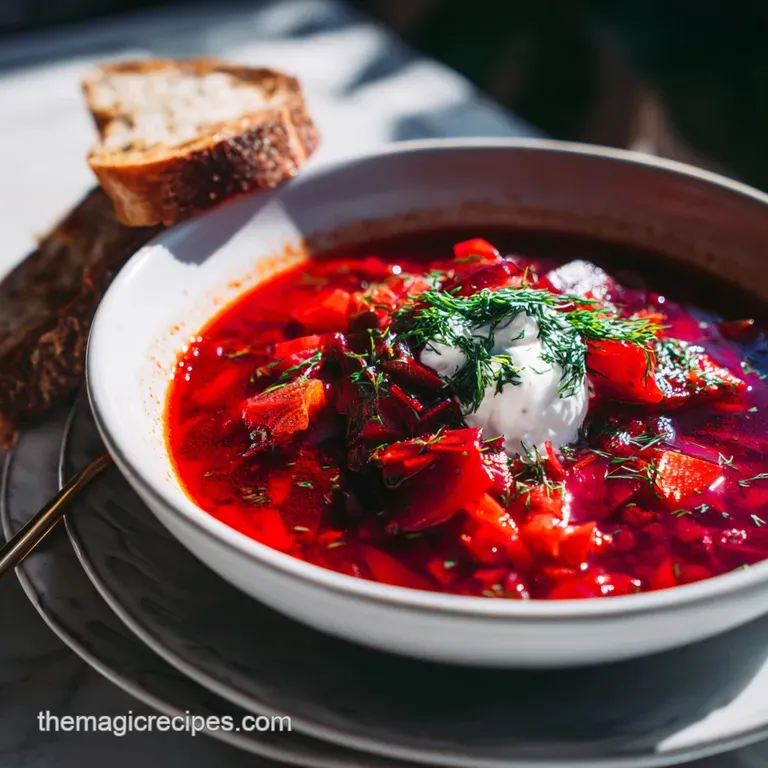
- Time: Active 30 minutes, Passive 150 minutes, Total 180 minutes
- Flavor/Texture Hook: Silky, earthy broth with fork tender beef and crunchy cabbage
- Perfect for: Cold weather comfort, Sunday meal prep, or an impressive cultural dinner
- Why the Secret to This Authentic Borscht Soup Recipe Lies in Acid
- Understanding the Physics of Flavor
- Deep Dive into the Component Analysis
- The Essential Elements for an Easy Homemade Borscht Soup
- Standard Kitchen Tools for Your Beef Borscht Soup Recipe
- Step by Step Methods for This Authentic Ukrainian Borscht Recipe
- Common Pitfalls to Evade When Crafting Your Polish Beet Soup Recipe
- Adjusting Your Recipe for Larger or Smaller Crowds
- Debunking Common Beet Soup Myths
- Long Term Storage and Preservation for This Healthy Beet Soup Recipe
- Three Ways to Present Your Authentic Borscht Recipe
- Recipe FAQs
- 📝 Recipe Card
Why the Secret to This Authentic Borscht Soup Recipe Lies in Acid
The kitchen smells like a dream right now. There is this specific, earthy aroma of beets hitting hot sunflower oil, followed by the sharp, bright tang of apple cider vinegar. If you have ever seen a bowl of borscht that looks more like a pale orange tea than a deep garnet jewel, it is probably because they skipped the acid.
That vinegar isn't just for flavor; it is a chemical anchor that keeps the beets from losing their mind (and their color) the second they hit the big pot.
I remember my first time making this. I thought I could just throw everything in a pot and call it a day. Big mistake. I ended up with a muddy, overcooked mess that looked nothing like the vibrant bowls I saw in Eastern European delis. This borscht soup recipe is all about the layers.
You are building a beefy foundation, then adding a high octane flavor concentrate called zazharka, and finishing with fresh herbs that wake the whole thing up. It is a process, but every minute spent skimming foam or julienning beets pays off when you take that first velvety sip.
We are going to walk through how to treat these vegetables with the respect they deserve. You want the cabbage to have a bit of a bite, the potatoes to be creamy but intact, and the beef to practically dissolve the moment it hits your tongue.
It is a balancing act of textures and temperatures, but once you get the rhythm of the zazharka down, you will never want to make a simple "throw it-all in" soup again.
Understanding the Physics of Flavor
- Anthocyanin Stabilization: The red pigment in beets, known as betacyanin, is extremely sensitive to heat and pH levels. Adding vinegar and sugar to the beets while they sauté creates an acidic environment that "locks" the color in, preventing it from oxidizing and turning brown during the long simmer.
- Connective Tissue Breakdown: Using beef chuck roast provides high amounts of collagen. During the 90 minute simmer, this tough protein transforms into gelatin, giving the broth a rich, silky mouthfeel that coats the palate rather than feeling like thin water.
- The Zazharka Emulsion: Sautéing the carrots and onions in oil before adding them to the water allows the fat to carry fat soluble flavor compounds from the vegetables throughout the entire pot, ensuring every spoonful is packed with flavor.
- Starch Gelatinization: Potatoes release a controlled amount of starch into the liquid, which acts as a natural thickener, providing body to the soup without the need for flour or heavy creams.
| Servings | Beef Chuck | Beets | Water | Cook Time |
|---|---|---|---|---|
| 4 people | 0.75 lbs | 1.5 medium | 5 cups | 150 minutes |
| 8 people | 1.5 lbs | 3 medium | 10 cups | 150 minutes |
| 12 people | 2.25 lbs | 4.5 medium | 15 cups | 180 minutes |
When you are scaling this borscht soup recipe, remember that the broth needs space to circulate. If you are doubling the batch for a big crowd, use a massive stockpot to ensure the heat distributes evenly. For the 4 person version, you can usually get away with a standard 5 quart Dutch oven.
Deep Dive into the Component Analysis
| Ingredient | Science Role | Pro Secret |
|---|---|---|
| Beef Chuck Roast | Provides the gelatinous base and savory depth. | Sear the cubes first if you want a darker, more roasted flavor profile. |
| Beets | Primary color and sweetness provider. | Always julienne (matchsticks) rather than grate for a better textural contrast. |
| Apple Cider Vinegar | pH regulator and brightness agent. | Don't swap for white vinegar; the apple cider version adds a necessary fruity undertone. |
| Sunflower Oil | Flavor carrier for the zazharka. | Traditional recipes use unrefined sunflower oil for its distinct nutty aroma. |
Getting the right beef is non negotiable for a traditional borscht soup recipe. You need those fat ripples and connective tissues found in the chuck roast. If you use a lean cut like sirloin, the meat will turn into dry, stringy wood chips by the time the soup is finished.
The fat renders out and creates those beautiful orange droplets on the surface of the soup that indicate a job well done.
The Essential Elements for an Easy Homemade Borscht Soup
- 1.5 lbs beef chuck roast: Why this? The high collagen content melts into gelatin, creating a rich, velvety broth.
- 10 cups cold filtered water: Why this? Cold water extracts more protein from the meat than starting with hot water.
- 2 bay leaves & 1 tsp black peppercorns: The classic aromatic foundation for any Eastern European stock.
- 1 tbsp sea salt: Essential for drawing out the juices of the meat and vegetables.
- 3 medium beets (approx 1 lb): Why this? These provide the iconic color and earthy sweetness typical of the dish.
- 2 tbsp sunflower oil: The traditional fat used for sautéing the base vegetables.
- 1 large yellow onion: Diced finely to melt into the background of the soup.
- 2 medium carrots: Grated to provide a subtle sweetness and orange hue.
- 2 tbsp tomato paste: Why this? Adds umami and helps reinforce the deep red color of the beets.
- 1 tbsp granulated sugar: Balances the acidity of the vinegar and the earthiness of the beets.
- 2 tbsp apple cider vinegar: Why this? Stabilizes the beet color and provides the necessary sour tang.
- 3 medium Yukon Gold potatoes: Cubed into 1/2 inch pieces for a buttery, soft texture.
- 1/2 small head green cabbage: Thinly shredded to add bulk and a slight crunch.
- 3 garlic cloves: Minced and added at the very end to keep the flavor sharp.
- 1/4 cup fresh dill: The essential herb that defines the aroma of a classic russian borscht.
- Freshly ground black pepper: Added to taste for a final spicy kick.
If you find yourself running low on fresh herbs, you could potentially pair this with a Croutons topping for added texture, though traditionalists would reach for a thick slice of rye bread rubbed with a raw garlic clove.
Standard Kitchen Tools for Your Beef Borscht Soup Recipe
You don't need a lab full of gear to make this work, but a heavy bottomed pot is your best friend. A 6 quart or 7 quart Dutch oven (like those made by Le Creuset or Lodge) is ideal because it holds heat beautifully. This prevents the temperature from plummeting when you add the cold vegetables later on.
You will also need a large skillet for the zazharka. Keeping the beet mixture separate until the final stage is a trick I learned from a friend's grandmother it prevents the beets from overcooking and losing that "shatter" in their color.
A good box grater for the carrots and a sharp chef's knife for julienning the beets are the only other major players. If you hate the "red hands" look, grab some kitchen gloves before you start peeling the beets.
| Feature | Fresh Method | Shortcut (Canned) |
|---|---|---|
| Flavor Profile | Earthy, complex, sweet | Metallic, flat, overly sweet |
| Texture | Firm with a slight bite | Soft and mushy |
| Color | Deep ruby/garnet | Often faded or brownish |
step-by-step Methods for This Authentic Ukrainian Borscht Recipe
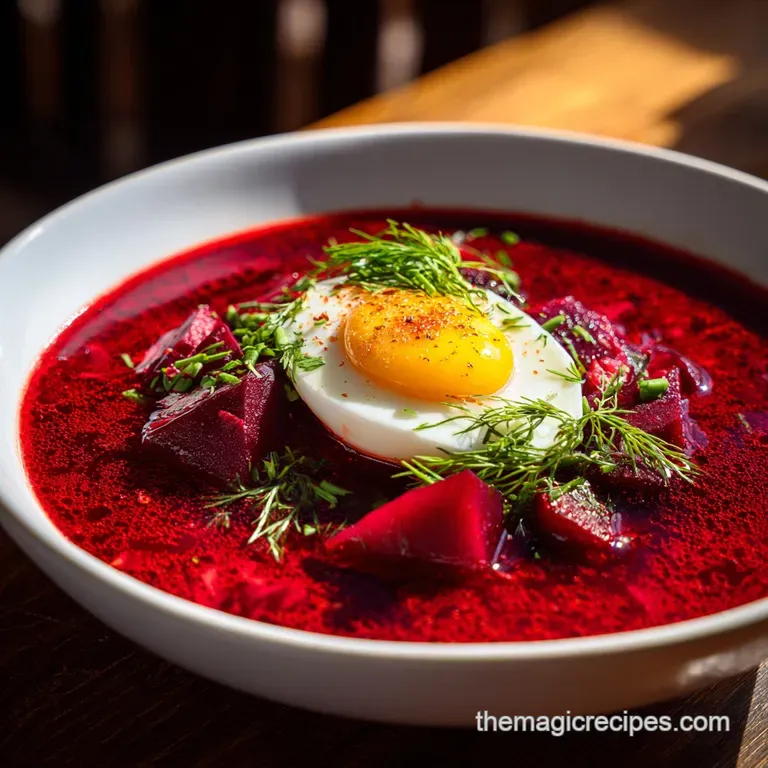
- Place the beef chuck into a large Dutch oven with 10 cups of cold water. Bring to a gentle simmer over medium heat. Note: Starting with cold water allows the proteins to release slowly, resulting in a clearer broth.
- Skim the grey foam from the surface to ensure a clear broth. Do this until the surface is mostly clear. Add bay leaves, peppercorns, and salt. Cover and simmer on low for 90 minutes until the beef is fork tender.
- Heat sunflower oil in a large skillet. Add onions and carrots, sautéing for 8-10 minutes until they are softened and fragrant.
- Add julienned beets, tomato paste, sugar, and vinegar to the skillet. Stir to combine and cook for another 10-12 minutes on medium low heat. Watch for the beets to turn glossy and deep red. This step is crucial for fixing the beet color.
- Add the cubed potatoes and shredded cabbage to the main soup pot with the beef. Simmer for 15-20 minutes until the potatoes are tender when pierced with a fork.
- Stir the beet mixture (zazharka) into the main pot. Simmer for an additional 10 minutes to allow flavors to meld. The broth should transform into a stunning ruby hue.
- Turn off the heat. Stir in minced garlic and fresh dill. Season with fresh black pepper and let rest for 10 minutes before serving to allow the garlic to infuse without becoming bitter.
Chef's Tip: If you want an even deeper color, grate one small raw beet and squeeze its juice into the pot right before serving. It’s an old trick that adds a fresh "pop" of violet to the bowl.
Common Pitfalls to Evade When Crafting Your Polish Beet Soup Recipe
Why Your Borscht Turned Orange
This is the most common heartbreak in the borscht world. If your soup looks more like a pumpkin patch than a ruby mine, it's usually because the beets were boiled too long without enough acid. Beets contain betacyanins which are water soluble.
Without the vinegar and sugar to stabilize them, they break down into yellow brown compounds. Always sauté them separately with the vinegar before they join the big party in the pot.
The Beef is Tough and Rubbery
If the beef is resisting your spoon, you probably rushed the simmer. Beef chuck needs time specifically 90 minutes at a low, gentle bubble to break down the tough connective tissue. If you boil it aggressively, the muscle fibers will seize up and become dry.
Think "gentle jacuzzi," not "raging rapids."
| Problem | Root Cause | Solution |
|---|---|---|
| Faded Color | pH level too high or overcooked beets. | Add a splash more vinegar or lemon juice and a pinch of sugar. |
| Greasy Surface | Too much fat from the chuck roast. | Skim the surface with a wide spoon or chill and remove the solidified fat layer. |
| Bland Taste | Lack of salt or under seasoned zazharka. | Add salt incrementally; the potatoes absorb a lot of it during the simmer. |
Common Mistakes Checklist
- ✓ Never skip the skimming phase in the first 20 minutes; it removes impurities for a cleaner taste.
- ✓ Don't add the garlic too early; boiling garlic for a long time makes it lose its aromatic punch.
- ✓ Ensure the beets are julienned evenly so they cook at the same rate as the carrots.
- ✓ Avoid using canned beets unless you are in a massive hurry; the texture is never the same.
- ✓ Let the soup rest for at least 10 minutes off the heat it’s where the magic happens.
Adjusting Your Recipe for Larger or Smaller Crowds
When you need to cut this recipe in half for a smaller household, you can easily do so. Use a smaller pot and reduce the cook time for the beef by about 20% since the smaller volume of water will reach temperature faster.
For the eggs if you were making a version that uses them you'd beat one and use half, but here we just focus on the beef and veggies.
If you are doubling the healthy beet soup recipe for a party, don't just double the salt and spices right away. Start with 1.5x the amount and adjust at the end. Spices can become overwhelming in larger volumes.
Also, make sure you don't overcrowd the skillet when making the zazharka; do it in two batches if necessary to ensure the onions and carrots actually sauté rather than steam.
If you're a fan of big batch cooking, you might also enjoy my Dutch Oven Pot Roast, which uses similar low and slow principles to achieve that perfect meat texture.
Precision Checkpoints
- Beef Tenderness: At the 90 minute mark, a piece of beef should pull apart easily with two forks.
- Broth Temperature: Keep the simmer between 185°F and 205°F; never let it hit a rolling boil.
- Beet Texture: The julienned beets should be soft enough to eat but still hold their matchstick shape.
Debunking Common Beet Soup Myths
Myth: You must peel the beets before boiling them for stock. Truth: While some traditionalists boil whole unpeeled beets and then peel them later, julienning and sautéing them (as we do here) provides a much better flavor profile.
The sautéing process caramelizes the natural sugars in the beets, adding a complexity you just won't get from boiling.
Myth: Authentic borscht must contain meat. Truth: While this beef borscht soup recipe is a classic, the vegetarian borscht soup recipe (often called Lenten Borscht) is incredibly common and uses mushrooms or beans for protein.
The technique for the zazharka remains exactly the same, proving that the vegetables are the real stars of the show.
Myth: Borscht is always served cold. Truth: You are likely thinking of "summer borscht" or chlodnik. While that is a delicious yogurt based beet soup, the traditional ukrainian borscht recipe is almost always served steaming hot, especially during the long winter months.
| Premium Option | Budget Alternative | Flavor Impact | Savings |
|---|---|---|---|
| Beef Chuck Roast | Pork Shoulder | Slightly sweeter/fattier | Save $3-5 |
| Fresh Dill | Dried Dill | Less aromatic/bright | Save $2 |
| Sunflower Oil | Vegetable Oil | Lacks the nutty finish | Save $1 |
Long Term Storage and Preservation for This Healthy Beet Soup Recipe
Storage Guidelines
Borscht is one of those rare dishes that actually improves with age. Store it in an airtight container in the fridge for up to 5 days. The flavors will deepen as the spices and garlic permeate the broth. When reheating, do it over low heat on the stovetop.
Avoid the microwave if possible, as it can cause the potatoes to become grainy and the beef to toughen.
Freezing and Zero Waste
This soup freezes beautifully for up to 3 months. Just leave a bit of headspace in the container because the liquid will expand. To thaw, leave it in the fridge overnight.
For zero waste, save your beet greens! If your beets came with the leaves attached, wash them thoroughly, chop them up, and throw them into the pot at the same time as the cabbage. They have a flavor similar to Swiss chard and add a lovely nutritional boost.
Also, any leftover beef bones can be thrown into the initial stock making phase to add even more depth to the broth.
Three Ways to Present Your Authentic Borscht Recipe
Simple: The Family Hearth Style
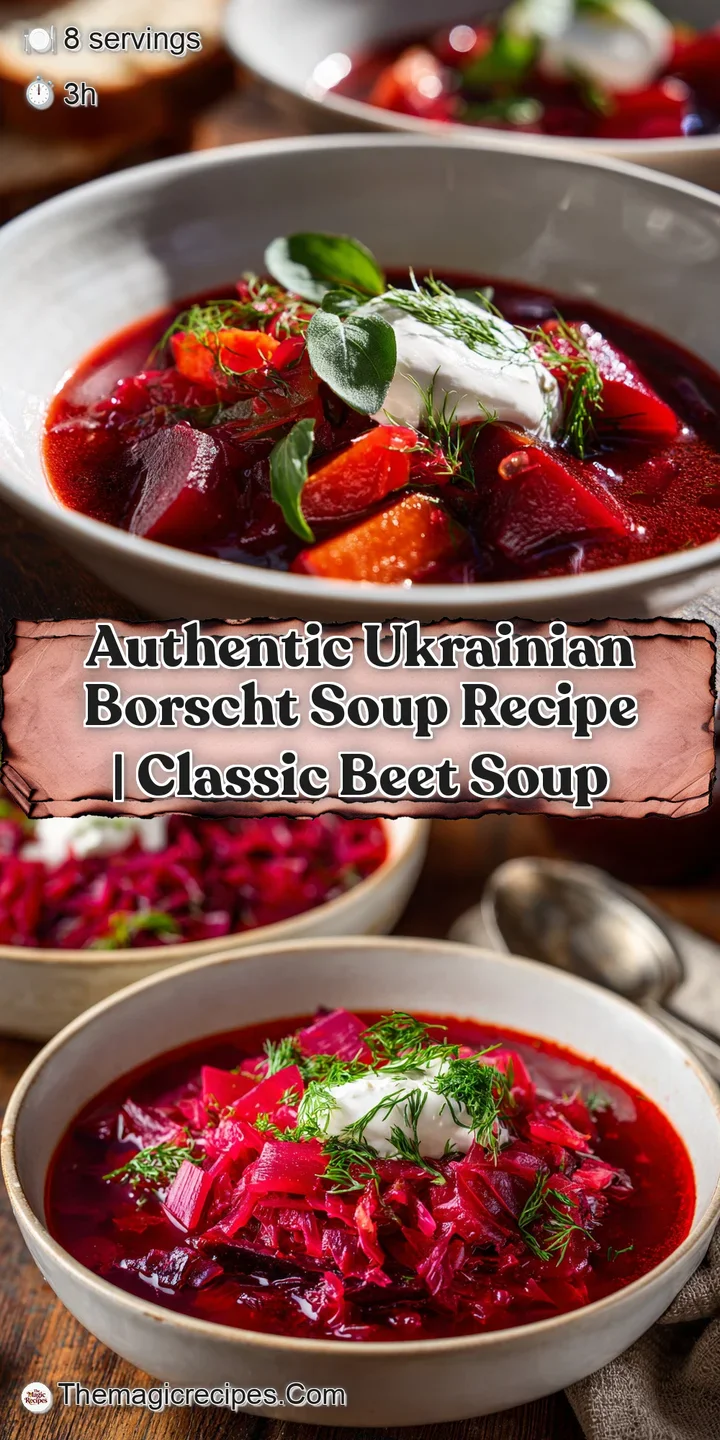
Serve it in a deep, rustic ceramic bowl. Add a generous dollop of full fat sour cream (Smetana) right in the center and don't stir it in. Let the diner decide how much creaminess they want in each bite. Serve with a thick slice of sourdough or dark rye bread on the side. This is the ultimate comfort version.
Polished: The Sunday Dinner Upgrade
Use a wide, shallow soup bowl. Carefully place the beef and vegetables in the center, then pour the broth around them. Place a neat dollop of sour cream on top and sprinkle a precision cut chiffonade of fresh dill and maybe a few tiny sprigs of parsley.
A side of garlic bread rolls (pampushky) brushed with oil and salt makes this feel special.
Restaurant: The Bistro Style Upgrade
Strain a portion of the broth through a fine mesh sieve for a "consommé" look. Place a neat stack of julienned beets and a single, perfectly tender cube of beef in the center of the bowl. Slowly pour the hot, crystal clear ruby broth over it at the table.
Serve with a small side dish of horseradish infused sour cream and a single dehydrated beet chip for garnish.
Plating Tweaks
| Level | Cream Style | Herb Cut | Bread Pairing |
|---|---|---|---|
| Simple | Large dollop | Rough chop | Thick rye slice |
| Polished | Neat swirl | Fine mince | Garlic pampushky |
| Restaurant | Horseradish foam | Chiffonade | Dehydrated beet chip |
Decision Shortcut
- If you want a deeper color, add the vinegar to the beets earlier in the sauté.
- If you want a richer mouthfeel, use bone in beef shank instead of chuck roast.
- If you want a faster version, grate the beets instead of julienning them to reduce cook time.
This borscht soup recipe is more than just a meal; it's a project that fills your home with warmth and incredible aromas. Whether you're making the classic russian borscht or trying out a polish beet soup recipe variation, the key is patience.
Let the beef simmer, let the beets caramelize, and most importantly, let the soup rest. Trust me, that first spoonful of ruby red broth is going to be one of the best things you make all year. Right then, let's get those beets julienned!
Recipe FAQs
What is the secret to good borscht?
The secret is the "zazharka" and the resting period. Sautéing your onions, carrots, and julienned beets with tomato paste, sugar, and vinegar ensures a deep, vibrant color, while letting the soup rest for 10 minutes off the heat after adding the garlic and dill allows the aromatics to fully
infuse the broth.
What is traditional borscht made of?
It is built on a base of beef chuck broth, beets, cabbage, and potatoes. These core components are bolstered by a mirepoix of onion and carrots, then finished with garlic, fresh dill, and a touch of vinegar to balance the earthy sweetness of the beets.
What is the difference between Polish and Ukrainian borscht?
Ukrainian borscht is typically a hearty, thick meal-in-a-bowl. It relies heavily on chunks of beef, cabbage, and potatoes, whereas some regional Polish variations may focus more on a clear, strained beet broth served with small dumplings.
What is the difference between borscht and beet soup?
Borscht is a specific, complex category of sour soup, while beet soup is often just a simple purée. If you enjoyed learning to balance the sweet and acidic flavor profile here, see how we apply the same balancing technique when developing bright, punchy sauces.
How to ensure the broth stays clear?
Start by placing the beef chuck into cold water and bringing it to a very gentle simmer. Carefully skim off all the grey foam that rises to the surface during the first 20 minutes to prevent impurities from clouding the stock.
How to fix the color if the soup looks dull?
Cook the julienned beets with vinegar and tomato paste separately. This process fixes the deep red pigment and ensures the acidity remains stable, preventing the soup from fading to a muddy brown during the final simmer.
Is it true that I should boil the garlic for extra flavor?
No, this is a common misconception. Boiling garlic for long periods destroys its volatile aromatics, so always stir in the minced garlic only after turning off the heat to preserve its sharp, fresh punch.
Authentic Ukrainian Borscht Soup
Ingredients:
Instructions:
Nutrition Facts:
| Calories | 358 kcal |
|---|---|
| Protein | 18.3 g |
| Fat | 16.2 g |
| Carbs | 24.4 g |
| Fiber | 3.8 g |
| Sugar | 8.2 g |
| Sodium | 765 mg |
