Vietnamese Peanut Sauce Recipe
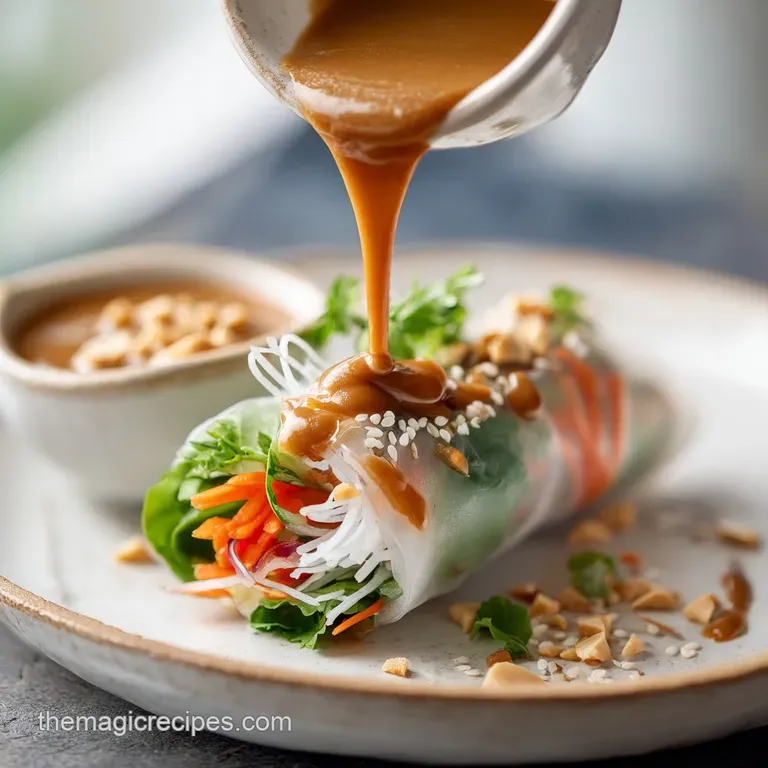
- Time: Active 5 minutes, Passive 5 minutes, Total 10 minutes
- Flavor/Texture Hook: Velvety, umami rich, and nutty
- Perfect for: Fresh spring rolls, noodle bowls, or dipping grilled skewers
- Creating the Savory Vietnamese Peanut Sauce
- Physics of a Silky Emulsion
- Essential Prep Specifications
- Component Analysis and Selection
- Tools for Better Textures
- Steps to Velvet Smoothness
- Correcting Common Texture Issues
- Custom Flavor Profile Twists
- Storage and Waste Solutions
- Garnish and Presentation Strategy
- Debunking Common Sauce Myths
- Recipe FAQs
- 📝 Recipe Card
Creating the Savory Vietnamese Peanut Sauce
The second that minced garlic hits the warm oil, my kitchen transforms. You know that specific, mouth watering sizzle? It’s the sound of a great meal starting. I first encountered this specific Vietnamese Peanut Sauce at a tiny, plastic table joint in District 4 of Saigon.
The sauce was so thick it clung to the rice paper like velvet, and I've spent years getting that exact ratio right in my own kitchen.
We've all had those watery, overly sweet versions from a jar, but this is different. It’s about that deep, fermented funk of the hoisin playing against the fatty richness of the peanuts. It’s a staple for a reason, and once you make it from scratch, you'll never look back at the store-bought stuff.
Trust me, this isn't just a side note to your meal; it's the main event. We are going to build layers of flavor that make every bite of a fresh roll feel like a celebration. Let's get into the mechanics of why this specific method produces such a superior dip compared to the cold stirred versions you might have tried before.
Physics of a Silky Emulsion
Aromatic Blooming: Heating garlic and shallots in neutral oil releases fat soluble flavor compounds that remain trapped when raw.
Fat in-Water Suspension: Peanut butter contains natural emulsifiers that allow the warm water and oils to bond into a velvety texture rather than separating.
Thermal Solubility: Warm water is essential for dissolving the thick hoisin and peanut butter quickly without overworking the proteins.
| Method | Time | Texture | Best For |
|---|---|---|---|
| Stovetop (This Recipe) | 5 minutes | Velvety and glossy | Authentic spring rolls |
| No Cook (Microwave) | 2 minutes | Slightly grainy | Quick snack dipping |
| Cold Whisking | 3 minutes | Thicker, less integrated | Salad dressings |
Choosing the stovetop method ensures the shallots lose their bite and the sugar fully dissolves into the hoisin. While cold whisking is an option for a quick fix, you lose the depth of the bloomed aromatics that define a truly ethnic flavor profile.
Essential Prep Specifications
When we talk about achieving a specific consistency, precision matters more than you’d think. This Vietnamese Peanut Sauce recipe relies on a 2:1 ratio of hoisin to peanut butter to ensure the peanut flavor doesn't overwhelm the fermented soy notes.
If the sauce is too thin, it slides right off the roll; too thick, and it pulls the delicate rice paper apart.
Mastering the Emulsion Ratio
The goal is a dip that coats the back of a spoon. Using 0.5 cup hoisin sauce against 0.25 cup creamy peanut butter creates the ideal structural base. We then use 0.5 cup warm water to loosen it to the point where it's pourable but still substantial.
| Component | Fresh | Shortcut | Flavor Impact |
|---|---|---|---|
| Aromatics | Minced shallot | Onion powder | Fresh gives a sweet, caramelized edge |
| Heat | Sambal Oelek | Sriracha | Sambal adds texture and a cleaner vinegary kick |
| Acid | Rice vinegar | Lime juice | Vinegar provides a consistent, sharp tang |
A tiny splash of rice vinegar might seem optional, but it’s the secret to cutting through the heavy fats. Without it, the sauce feels heavy on the tongue; with it, the flavors feel bright and alive.
Component Analysis and Selection
| Ingredient | Science Role | Pro Secret |
|---|---|---|
| Hoisin Sauce | Provides fermented umami and sugar | Look for brands with fermented soybeans as the first ingredient |
| Peanut Butter | Structural fat and emulsifier | Use "no stir" creamy versions for the smoothest possible finish |
| Neutral Oil | Heat conductor for aromatics | Grapeseed or canola lets the garlic aroma shine |
The Aromatic Base
We start with 1 tbsp neutral oil to carry the heat. I prefer a light oil because it doesn't mask the 2 cloves of minced garlic and 1 small finely minced shallot. These aromatics are the "soul" of the sauce. If you're looking for other savory inspirations, the aromatic start here is similar to the base of a Creamy Cajun Chicken recipe.
The Rich Body
The 0.25 cup creamy peanut butter provides the "grip." I always stick to creamy over crunchy because we want a velvety mouthfeel. You can always add texture later with the 1 tbsp roasted peanuts, but the base should be like silk.
The Flavor Balancers
The 1 tsp rice vinegar and 1 tsp sugar work together to stabilize the profile. The vinegar prevents the sauce from feeling cloying, while the 1 tsp sambal oelek adds a gentle hum of heat that sits at the back of the throat. It's the same balance of salt and spice you find in a great Bang Bang Sauce Recipe.
Tools for Better Textures
You don't need a high tech kitchen to make this happen. A small non stick saucepan is my go to because the sugars in the hoisin can get sticky very quickly. A silicone whisk is also better than a fork; it helps incorporate the peanut butter into the water without splashing.
Chef's Tip: If you find your sauce is still showing tiny clumps of peanut butter, a quick 10 second pulse with an immersion blender will make it restaurant grade smooth.
If you don't have an immersion blender, a vigorous whisking while the liquid is warm should do the trick. Just make sure your garlic and shallots are minced as finely as possible nothing ruins the dip like a giant chunk of raw garlic.
Steps to Velvet Smoothness
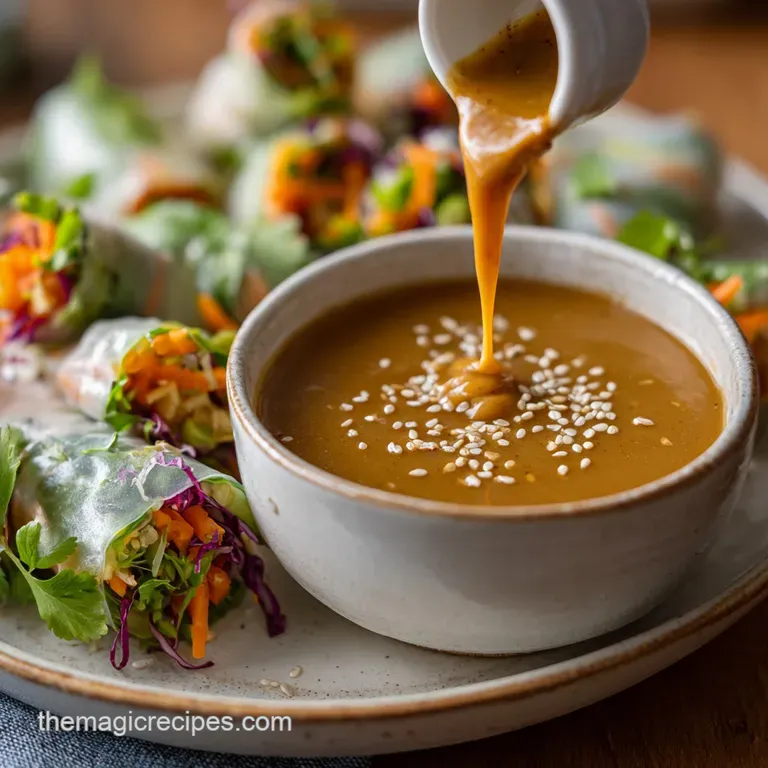
- Sauté aromatics. Heat 1 tbsp neutral oil in a small saucepan over medium low heat. Add 2 cloves minced garlic and 1 small minced shallot, cooking for 2 minutes until the shallots are translucent and fragrant.Note: Don't brown the garlic or it will turn bitter.
- Incorporate hoisin. Pour in 0.5 cup hoisin sauce and stir constantly for 30 seconds until the sauce begins to bubble gently.
- Add peanut butter. Drop in 0.25 cup creamy peanut butter. Use your whisk to break it up and blend it into the hoisin until no large streaks of peanut butter remain.
- Hydrate the mixture. Slowly pour in 0.5 cup warm water while whisking. The sauce will look broken at first, but keep stirring until it suddenly thickens into a glossy, uniform liquid.
- Season for heat. Add 1 tsp sambal oelek and stir well. Note: You can adjust this to your spice preference.
- Balance the acidity. Whisk in 1 tsp rice vinegar and 1 tsp sugar.
- Simmer slightly. Continue cooking for 2 minutes on low heat until the sauce is thick enough to coat a spoon.
- Final texture check. If it's too thick, add water one teaspoon at a time.
- Add crunch. Stir in half of the 1 tbsp roasted crushed peanuts.
- Cool and garnish. Transfer to a serving bowl and top with the remaining peanuts.
Correcting Common Texture Issues
Texture is everything here. Because of the high sugar and fat content, the sauce can change consistency rapidly as it cools. If you find yourself with a sauce that looks more like a paste than a dip, don't panic.
Fixing Grainy Sauce
Sometimes, if the heat is too high, the oils in the peanut butter can separate, leaving you with a grainy mess. This is often called "breaking." To fix this, remove the pan from the heat immediately and whisk in a teaspoon of room temperature water. The water helps re bind the fats.
Adjusting Dip Consistency
If your Vietnamese Peanut Sauce for spring rolls is too thin, it's usually because it hasn't simmered long enough for the starches in the hoisin to hydrate. Give it another minute on low heat, but watch it like a hawk it can go from perfect to burnt in seconds.
| Problem | Root Cause | Solution |
|---|---|---|
| Separated Oil | Heat was too high | Whisk in 1 tsp water off the heat |
| Too Sweet | Hoisin brand variation | Add 0.5 tsp extra rice vinegar |
| Dull Flavor | Aromatics didn't bloom | Sauté garlic longer next time |
Common Mistakes Checklist
- ✓ Never use cold water; warm water integrates the fats much faster.
- ✓ Keep the heat on low once the peanut butter is added to prevent scorching.
- ✓ Mince your shallots as fine as "sand" to ensure a smooth mouthfeel.
- ✓ Don't skip the sugar; it bridges the gap between the salty hoisin and the vinegar.
- ✓ Wait 5 minutes before serving; the sauce thickens significantly as it drops to room temperature.
Custom Flavor Profile Twists
If you are looking for a Vietnamese Peanut Sauce recipe without hoisin, you can substitute the hoisin with a mixture of 0.25 cup soy sauce, 2 tbsp brown sugar, and a dash of five spice powder. It won't have the same fermented thickness, but it hits the same flavor notes.
Peanut Sauce Noodles Recipe
You can easily turn this into a Vietnamese Peanut Sauce noodles recipe by doubling the water and adding a splash of coconut milk. Toss it with warm rice noodles and shredded carrots for a quick 10 minute meal. It’s surprisingly filling and uses all the same pantry staples.
For those who want to avoid peanuts entirely, almond butter or cashew butter works beautifully. Just keep in mind that almond butter is much more absorbent, so you may need an extra 2 tbsp of water to reach that signature "dip" consistency.
Storage and Waste Solutions
This sauce keeps remarkably well. Store it in an airtight glass jar in the fridge for up to 7 days. Because of the fat content, it will firm up like fudge when cold. To reheat, simply microwave it for 15 seconds or warm it in a small pan with a teaspoon of water to bring back the gloss.
Zero Waste Tip: If you have leftover sauce that isn't enough for a full meal, use it as a base for a stir fry sauce. Just thin it with a little soy sauce and ginger, and toss it with whatever veggies are wilting in your crisper drawer. It's a great way to use up the last bits of the jar.
You can also freeze this for up to 3 months. I recommend freezing it in ice cube trays. Once frozen, pop the cubes into a freezer bag. When you're craving spring rolls for one, just thaw two cubes, and you're good to go.
Garnish and Presentation Strategy
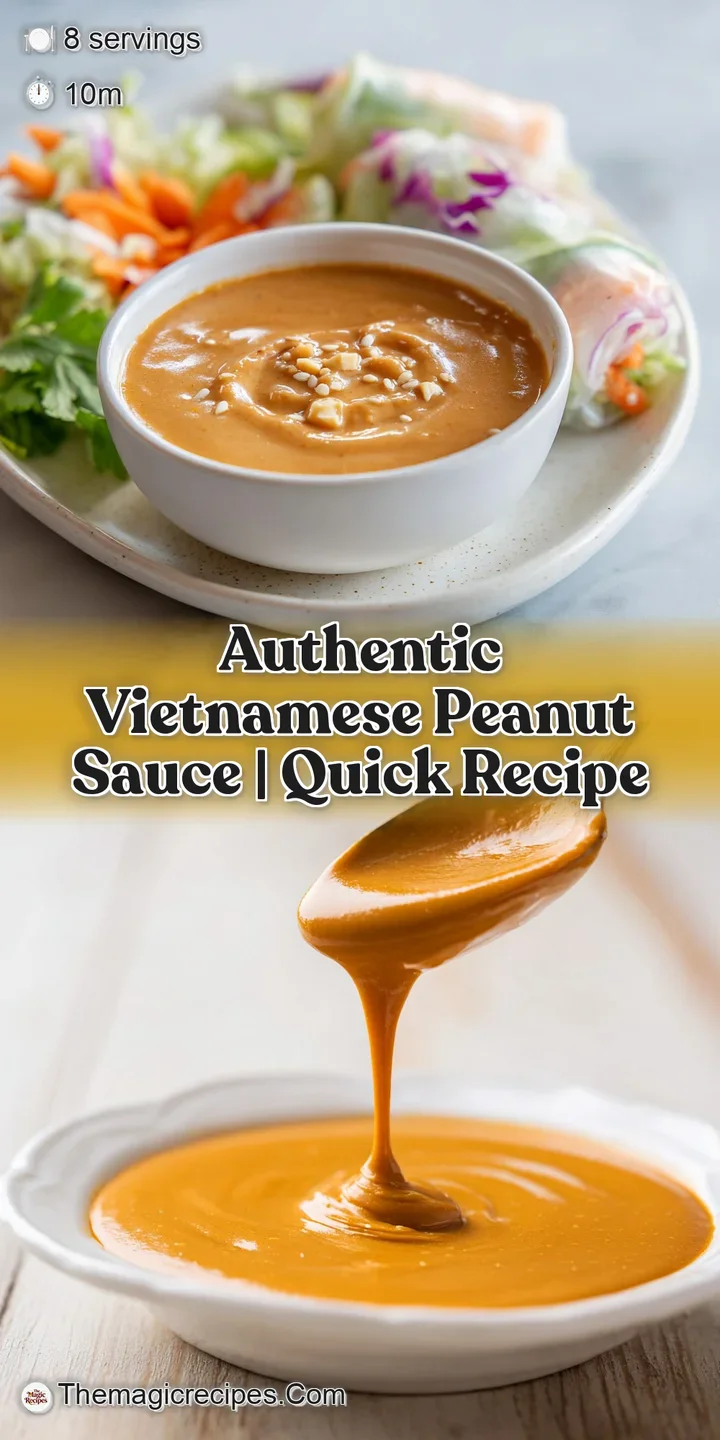
Authentic presentation is all about color balance. A bowl of brown sauce isn't exactly a visual feast, so we use garnishes to signal the flavors inside. Use these three color accents to make it pop:
- Deep Red (Sambal): Add a small dollop of sambal oelek right in the center before serving. Do not stir it in; let the guest decide how much heat they want in each bite.
- Warm Tan (Roasted Peanuts): Crushing the peanuts just before serving ensures they stay "shatter crisp" rather than getting soggy in the sauce.
- Bright Green (Scallions or Cilantro): While not in the base sauce, a sprinkle of finely sliced scallion greens adds a fresh, herbal note that cuts through the rich fats.
When you're ready to serve, place the dipping bowl on a plate surrounded by your fresh rolls. If you're feeling adventurous, this also pairs amazingly with a side of Peanut Butter Balls Recipe for a full circle peanut themed dinner party.
Debunking Common Sauce Myths
A big misconception is that you need "traditional" Vietnamese hoisin for this to be authentic. While some brands are more traditional than others, the technique of blooming the aromatics is actually more important than the specific brand of sauce.
Another myth is that you must use ground peanuts from a mortar and pestle. While that’s great for texture, a high-quality creamy peanut butter actually provides a more stable emulsion for dipping.
The goal is a uniform sauce that doesn't separate, and modern peanut butter is scientifically designed to do exactly that.
Finally,, don't believe the idea that this sauce is only for spring rolls. It is a workhorse in the kitchen. I’ve used it on grilled chicken, as a dressing for cold slaw, and even as a spread for a very non traditional sandwich. Once you have a batch in the fridge, you'll find a million ways to use it.
Recipe FAQs
What ingredients are essential in Vietnamese peanut sauce?
Hoisin sauce, creamy peanut butter, and warm water are essential. Hoisin provides the salty, umami depth, while the peanut butter acts as the primary emulsifier for texture. A touch of acid like rice vinegar is crucial for balancing the richness.
What is the difference between Thai and Vietnamese peanut sauce?
Vietnamese sauce is generally thicker, relying heavily on hoisin and peanut butter for body. Thai peanut sauces often incorporate coconut milk and are thinner, focusing more on aromatics like lemongrass and lime juice for brightness.
Is peanut sauce a standard staple in Vietnam?
Yes, peanut dipping sauce (tương đậu phộng) is a very common staple, particularly for fresh spring rolls (gỏi cuốn) and sometimes grilled meats. It complements fresh herbs by providing a rich, grounding flavor base.
What exactly is mắm nêm?
Mắm nêm is a pungent, fermented anchovy based fish sauce common in Central Vietnam. While it is sometimes used in specific regional sauces, it is distinctly different from the hoisin and peanut base of the standard dipping sauce described here.
How to achieve the smoothest possible texture in the sauce?
Bloom the aromatics (garlic/shallots) in warm oil before adding other ingredients. This releases fat-soluble flavors and prevents a raw, grainy taste, which is a principle similar to building flavor layers in a roux for a classic Country Gravy Recipe.
Can I substitute the peanut butter with another nut butter if I have an allergy?
Yes, you can substitute, but be aware of absorption differences. Cashew or almond butter can work well, but because they absorb liquid differently than peanut butter, you may need to add extra warm water to maintain the proper dipping consistency.
Why does my sauce separate or look oily after cooling?
The sauce separated because the heat was likely too high during the emulsification step. When the peanut butter and water break, whisk in a teaspoon of room temperature water off the heat to encourage the emulsion to reform into that stable, velvety dip.
Authentic Vietnamese Peanut Sauce
Ingredients:
Instructions:
Nutrition Facts:
| Calories | 114 kcal |
|---|---|
| Protein | 2.4 g |
| Fat | 6.6 g |
| Carbs | 11.9 g |
| Fiber | 0.6 g |
| Sugar | 8.8 g |
| Sodium | 513 mg |
