Cajun Remoulade Sauce: Zesty & Textured
- Time: Active 10 minutes, Passive 30 minutes, Total 40 minutes
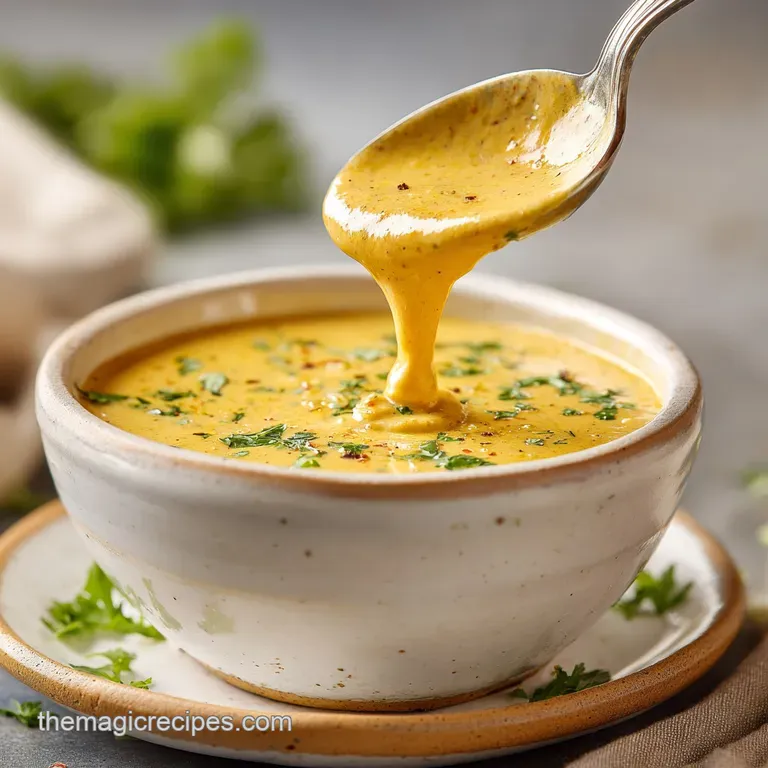
- Flavor/Texture Hook: A velvety, tang forward finish with the distinct pop of whole grain mustard seeds.
- Perfect for: Reimagining leftover seafood, dipping crispy fries, or adding a kick to sandwiches.
- The Tangy Punch You Need: Homemade Cajun Remoulade Sauce
- The Essential Statistics for the Perfect Creamy Condiment
- Selecting Your Elements for a Flavorful Bayou Base
- The Simple Tools Required for This Authentic Emulsion
- Transforming Basic Ingredients into a Velvety Seafood Companion
- Navigating Common Pitfalls and Fixing Your Kitchen Mishaps
- Adventurous Variations for Your Next Big Backyard Boil
- Preserving the Zest and Reducing Kitchen Food Waste
- Discovering Global Flavors that Pair with This Sauce
- Recipe FAQs
- 📝 Recipe Card
The Tangy Punch You Need: Homemade Cajun Remoulade Sauce
The sharp, vinegar laced aroma of a freshly cracked bottle of hot sauce is usually what gets me moving toward the kitchen. I remember the first time I tried to make a real deal sauce in a tiny apartment in New Orleans.
I was so determined to get that authentic "kick" that I went way too heavy on the horseradish, and honestly, it cleared the sinuses of everyone within a three block radius. It was a disaster, but it taught me everything about the delicate balance between fire and fat.
We are going for something much more nuanced here. Think about the way a cold, creamy sauce hits a hot, shatteringly crisp piece of fried catfish. You want that initial cooling sensation, followed immediately by a slow, smoky heat from the paprika and a briny finish from the capers.
It’s not just a condiment, it is the bridge that connects the crunch of the crust to the flaky, tender protein inside.
This version is my personal favorite because we’re swapping out some of the heavy mayo for Greek yogurt. Don't worry, it doesn't lose that luxurious mouthfeel. Instead, the yogurt provides a clean, lactic tang that actually helps the spices pop rather than burying them in grease.
We are building layers of flavor here, from the earthy garlic paste to the bright citrus notes of fresh lemon.
The Essential Statistics for the Perfect Creamy Condiment
Before you start whisking, it helps to understand why this specific ratio works. We aren't just mixing things in a bowl; we’re creating a stable emulsion that needs a little bit of time to settle into its final form.
The Physics of the Infusion
Lactic Acid Activation: The acidity in the Greek yogurt and lemon juice slowly breaks down the cell walls of the minced aromatics. This process draws out the essential oils from the green onions and garlic, flavoring the entire fat base rather than just leaving you with spicy chunks.
| Feature | Classic Remoulade | This Fast Version |
|---|---|---|
| Rest Time | 24 hours | 30 minutes |
| Fat Base | Egg yolks & oil | Avocado mayo & yogurt |
| Texture | Ultra smooth | Textured & "poppy" |
If you are looking to customize the heat level or just want to try something different, you can always play with the spice profile. For instance, if you have a batch of my Hot Sauce recipe in the fridge, using that instead of the standard Louisiana style bottle will add a much deeper garlic undertone to the final product.
| Method | Time | Texture | Best For |
|---|---|---|---|
| Hand Whisked | 10 mins | Rustic, chunky | Crab cakes & shrimp |
| Food Processor | 2 mins | Silky, uniform | Sandwich spreads |
| Immersion Blender | 1 min | Thick, aerated | Dipping fries |
Selecting Your Elements for a Flavorful Bayou Base
The beauty of a "global" flavor profile is in the specific choices of your ingredients. We are pulling from French tradition but grounding it in the soul of the South.
Component Analysis
| Ingredient | Science Role | Pro Secret |
|---|---|---|
| Avocado Oil Mayo | Primary Emulsifier | Provides a neutral, high fat base that carries fat soluble spices better than canola based options. |
| Greek Yogurt | Acidic Contrast | The proteins in yogurt create a tighter structure, preventing the sauce from "weeping" or separating. |
| Creole Mustard | Flavor Anchor | The whole seeds provide physical texture and a delayed heat release that lingers on the palate. |
The Creamy Base
- 0.5 cup Avocado Oil Mayonnaise: Why this? It offers a cleaner finish without the heavy aftertaste of soybean oil.
- Substitute: Regular mayonnaise (will be slightly sweeter).
- 0.25 cup Plain Non fat Greek Yogurt: Why this? Adds a punch of acidity and lightens the caloric load.
- Substitute: Sour cream (adds more richness but less tang).
The Zesty Aromatics
- 1 clove Garlic, turned into a paste: Why this? Paste distributes flavor more evenly than minced garlic.
- Substitute: 1/4 tsp garlic powder (loses the fresh bite).
- 2 tbsp Green onions, finely minced: Use both white and light green parts.
- Substitute: Chives for a more delicate, onion like flavor.
- 1 tbsp Finely minced capers: Why this? Essential for that briny, "pickled" undertone.
- Substitute: Finely chopped dill pickles.
The Louisiana Spice & Acid
- 2 tbsp Whole Grain Creole Mustard: This is non negotiable for true texture.
- Substitute: Spicy brown mustard.
- 1 tbsp Prepared Horseradish, drained: Why this? Adds "nasal heat" that cuts through fried foods.
- Substitute: Freshly grated horseradish (use half the amount).
- 1 tbsp Fresh lemon juice: Brightens every other ingredient.
- Substitute: White wine vinegar.
- 2 tsp Smoked paprika: Why this? Provides color and a faint campfire aroma.
- Substitute: Sweet paprika (loses the smoky edge).
- 1 tsp Louisiana style hot sauce: For that vinegary kick.
- Substitute: Any cayenne based hot sauce.
- 1 tsp Worcestershire sauce: For savory depth (umami).
- Substitute: Soy sauce (in a pinch).
- 0.5 tsp Celery salt: Adds an earthy, herbaceous saltiness.
- Substitute: Regular salt and a pinch of ground celery seed.
The Simple Tools Required for This Authentic Emulsion
You don't need a high tech kitchen to pull this off. In fact, doing it by hand often yields a better texture because you aren't pulverizing the beautiful mustard seeds or the capers.
- Small Glass Mixing Bowl: Non reactive glass is best when working with lemon juice and vinegar to avoid metallic off flavors.
- Miniature Whisk or Fork: A fork actually works wonders for mashing the garlic paste into the yogurt.
- Microplane: This is the secret to turning that garlic clove into a fine paste instantly.
- Fine Mesh Strainer: Essential for draining the horseradish. You don't want the extra brine watering down your emulsion.
Chef's Tip: Freeze your garlic clove for 10 minutes before grating it on the microplane. It makes the clove firmer and easier to grate without scraping your knuckles, and the "shave" is much finer.
Transforming Basic Ingredients into a Velvety Seafood Companion
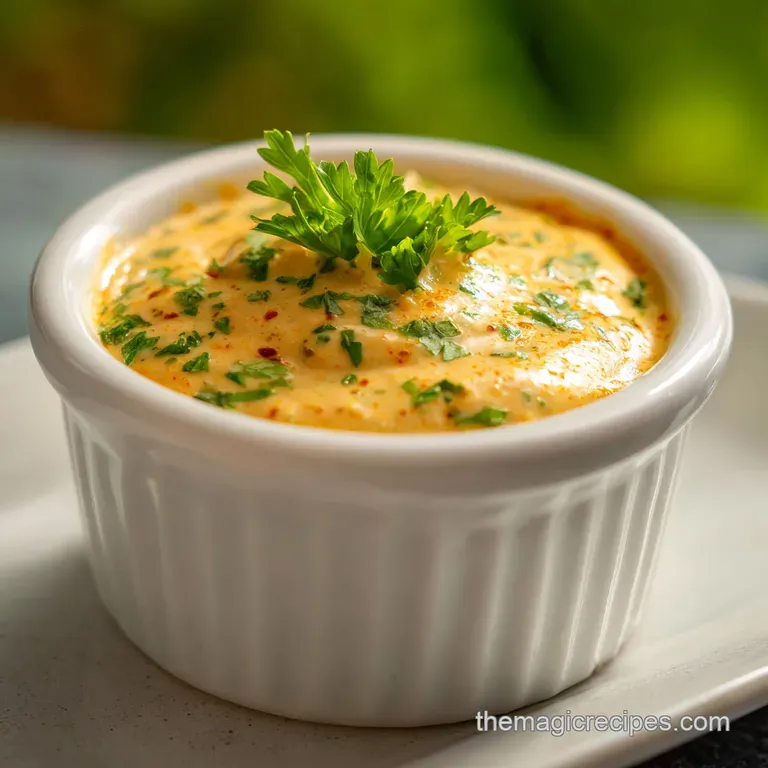
Follow these steps closely. The order in which you add the ingredients actually matters for the stability of the sauce.
- Paste the garlic. Grate the clove on a microplane or mash it with the side of a knife until it is a smooth paste. Note: This prevents anyone from biting into a raw chunk of garlic.
- Drain the horseradish. Press the horseradish against a fine mesh strainer until no more liquid drips out. Note: Excess moisture will cause the mayo to break.
- Combine the bases. In your bowl, whisk the 0.5 cup avocado mayo and 0.25 cup Greek yogurt until smooth.
- Incorporate the mustard. Fold in the 2 tbsp Creole mustard and 1 tbsp horseradish.
- Add the seasonings. Stir in the 2 tsp smoked paprika, 0.5 tsp celery salt, and 1 tsp Worcestershire sauce.
- Introduce the aromatics. Add the 1 tbsp minced capers and 2 tbsp green onions, folding gently.
- Balance with acid. Pour in the 1 tbsp lemon juice and 1 tsp hot sauce, whisking until the color is a uniform pale orange.
- The Flavor Set. Cover the bowl and refrigerate for 30 minutes until the flavors have fully melded and the sauce has thickened slightly.
Precision Checkpoints
- Garlic Paste: Ensure it is a wet, creamy consistency with no visible fibers.
- Chilling: Do not skip the 30 minute rest; the paprika needs time to hydrate and release its color.
- Horseradish Prep: The 1 tbsp of horseradish must be measured after draining for accurate heat levels.
Navigating Common Pitfalls and Fixing Your Kitchen Mishaps
Even with a simple sauce, things can go sideways. The most common issue I see is a sauce that feels "flat" or one that is way too thin.
Why Your Remoulade Is Running
If your sauce looks more like a dressing than a dip, it usually comes down to moisture management. Did you drain the capers and horseradish? If not, that extra brine is your culprit. Also, using a "runny" brand of yogurt can thin the emulsion.
| Problem | Root Cause | Solution |
|---|---|---|
| Separation | Added acid too fast | Whisk in an extra tablespoon of mayo to re emulsify. |
| Too Salty | Capers weren't rinsed | Add a teaspoon of honey or another dollop of yogurt to balance. |
| Too Thin | Excess liquid in veg | Chill for an extra hour; the proteins will firm up in the cold. |
Common Mistakes Checklist
- ✓ Always squeeze the horseradish in a paper towel or strainer before measuring.
- ✓ Use fresh lemon juice; bottled juice has a "cooked" flavor that ruins the zest.
- ✓ Don't over mix once the green onions are in, or you'll bruise them and turn the sauce grey.
- ✓ Check the expiration on your paprika; old paprika tastes like dusty cardboard.
Adventurous Variations for Your Next Big Backyard Boil
Once you have the base down, you can start tweaking the "vibe" of the sauce to match whatever else is on the table.
For a Vegan Friendly Louisiana Kick
You can swap the mayo for a high-quality vegan variety (like Hellmann's Vegan) and use a dairy-free almond or soy based yogurt. Just ensure the yogurt is "plain" and "unsweetened" nothing ruins a remoulade faster than a hint of vanilla!
For the Ultimate Seafood Experience
If you're serving this with something like a Cajun Chicken Sloppy recipe, you might want a bit more sweetness. Adding a teaspoon of honey or agave helps bridge the gap between the spicy chicken and the cooling sauce.
Scaling Guidelines
- To Double (2x): Simply double everything. This sauce is stable enough that the ratios stay true at larger volumes.
- To Half (1/2): Be careful with the garlic. Use a very small clove or just half a large one, as raw garlic can quickly become overpowering in small batches.
Preserving the Zest and Reducing Kitchen Food Waste
This isn't just a one hit-wonder for fish fry night. Because of the acid content, it stays fresh for quite a while, and the uses for "scraps" are endless.
Storage: Keep this in an airtight glass jar in the fridge for up to 5 days. I don't recommend freezing it, as the mayo and yogurt will separate into a grainy mess when thawed.
- Zero Waste Tips
- The Jar Trick
- If you have a near empty jar of mayo, mix the sauce directly in the jar. You'll get every last bit of mayo and have a built in storage container.
- Leftover Garnish
- Don't throw away the dark green tops of the onions. Slice them into long, thin ribbons and keep them in ice water to curl they make a stunning garnish for the top of the sauce.
- The Brine
- Use the leftover liquid from the caper jar as a "secret weapon" for marinating chicken or fish before cooking.
Discovering Global Flavors that Pair with This Sauce
To really make this dish stand out, you need to think about the visual presentation. A bowl of orange ish sauce can look a bit dull, so we use a color balance strategy to make it pop.
The Garnish Strategy
- Deep Red (Smoked Paprika): Dust a tiny pinch over the center right before serving. It highlights the smokiness.
- Bright Green (Green Onion Curls): Place a small pile of the curled onion ribbons in the center to add height and freshness.
- Golden (Mustard Seeds): If you can find them, a few pickled mustard seeds on top add a "jewelry" effect that looks incredibly professional.
If you want X, do Y
- If you want more crunch: Fold in 1 tbsp of finely minced celery.
- If you want more smoke: Add a drop of liquid smoke or use charred lemons for the juice.
- If you want it "New Orleans Style": Add 1/2 tsp of dried thyme and a pinch of cayenne pepper.
Final Myths to Debunk
A common misconception is that remoulade must contain eggs. While traditional French versions do, the "Cajun" evolution has moved toward a mayo base for stability and ease. Another myth is that the "redder" the sauce, the spicier it is.
In reality, that color usually comes from the paprika, which is more about earthiness and smoke than heat. The true heat comes from the horseradish and the hot sauce, which are often invisible to the eye!
Recipe FAQs
What exactly is Remoulade Sauce?
It is a highly seasoned, mayonnaise based cold sauce, originating in France but heavily adapted in Louisiana cuisine. It differs from tartar sauce by incorporating more intense spices like horseradish, paprika, and often hot sauce for a deeper, savory heat.
What gives Remoulade Sauce its tangy flavor?
Lemon juice, Creole mustard, and sometimes vinegar or pickles provide the sharp, acidic backbone. This tang is crucial because it cuts through the richness of fried seafood, which is its most common pairing.
What does Louisiana Remoulade Sauce taste like?
It tastes deeply savory, slightly smoky, and sharply piquant. Expect creamy richness upfront, followed by a complex layer of brine from capers, earthy smoke from paprika, and a noticeable "nose heat" from horseradish.
Is canes sauce a remoulade?
No, Cane's Sauce is not a true remoulade, though it shares similarities. Cane's sauce is a simpler mayonnaise and ketchup based condiment, whereas authentic Cajun remoulade requires much more complex seasoning, mustard, and horseradish for depth.
How do I ensure my remoulade stays thick and doesn't separate?
Add the acid components slowly while whisking constantly. The Greek yogurt in this recipe helps stabilize the emulsion by adding protein structure, similar to how controlling fat ratios works in a complex pastry dough, as detailed in our Baked Brie recipe when working with soft cheeses.
Can I make a spicy version using only hot sauce?
No, you need horseradish for the specific type of heat required. While hot sauce adds vinegar and cayenne pepper flavor, horseradish provides the characteristic immediate, nasal heat that defines a great Cajun remoulade.
What is the minimum resting time needed before serving for best flavor?
Refrigerate for at least 30 minutes, but ideally two hours. This resting period allows the garlic and spices to fully hydrate and infuse their oils into the fat base, deepening the overall flavor profile significantly.
Cajun Remoulade Sauce Recipe
Ingredients:
Instructions:
Nutrition Facts:
| Calories | 72 kcal |
|---|---|
| Protein | 0.8 g |
| Fat | 7.4 g |
| Carbs | 1.2 g |
| Fiber | 0.2 g |
| Sugar | 0.4 g |
| Sodium | 184 mg |
