Cathead Biscuits: Extra Large & Fluffy
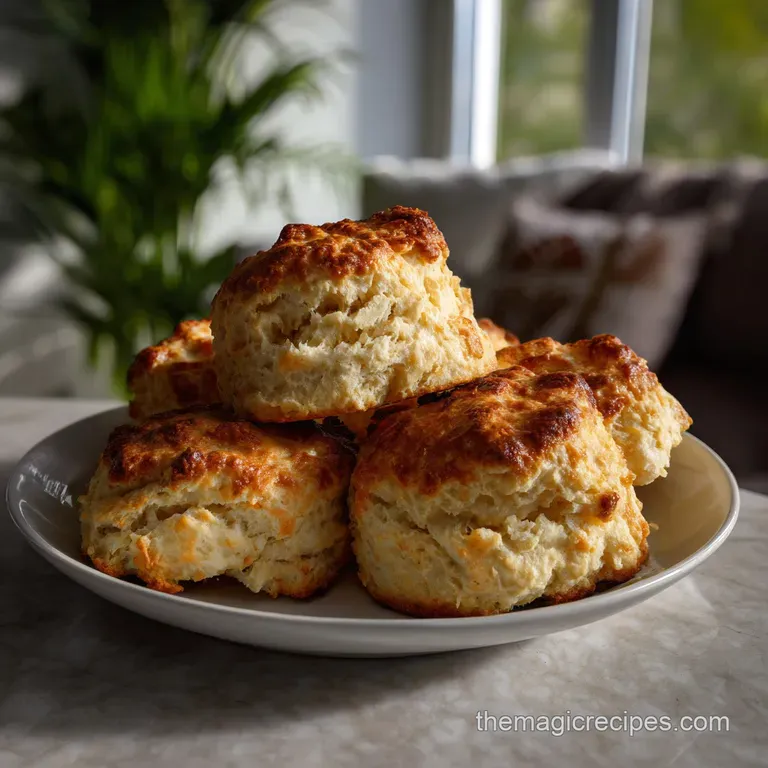
- Time: Active 10 minutes, Passive 20 minutes, Total 30 minutes
- Flavor/Texture Hook: Shatter crisp exterior with a velvety, cloud like crumb
- Perfect for: Indulgent weekend brunches or cozy dinner sides
- Mastering Traditional Southern Cathead Biscuits
- Why This Massive Bake Works
- Recipe Performance and Style Comparisons
- Essential Components for Flaky Dough
- Necessary Tools for Skillet Baking
- Step by Step Assembly Guide
- Fixing Common Dough Texture Issues
- Savory and Sweet Flavor Variations
- Storage and Smart Reheating Tips
- Best Pairings for Jumbo Biscuits
- Debunking Common Biscuit Myths
- Cathead Biscuits FAQs
- 📝 Recipe Card
Mastering Traditional Southern Cathead Biscuits
Picture this: the kitchen smells like toasted flour and sweet cream, and there’s a distinct sizzle as you drop oversized mounds of dough into a hot, buttered cast iron skillet. That’s the magic of this cathead biscuits recipe.
I remember the first time I saw one of these monsters at a roadside diner, I thought they’d be heavy as lead. One bite of that shattered, golden crust and the steamy, soft interior changed my whole outlook on breakfast.
We aren't aiming for the dainty, perfectly round biscuits you see in commercials. These are rustic, humble, and unapologetically huge. The goal here is a specific kind of indulgence that only comes from high hydration dough and a very hot pan.
It’s the kind of bake that makes you want to cancel your plans and just stay in with a pot of coffee.
If you've struggled with biscuits being too dry or hard in the past, trust me, we're fixing that today. We're leaning into the messiness of the process because that’s where the texture lives. You’ll want your hands a little floured and your oven cranked up high.
Let's get into why this method produces such a superior treat compared to the little ones.
Why This Massive Bake Works
The sheer size of these biscuits isn't just for show; it actually creates a better texture contrast. Because they are nestled together in a skillet, the sides stay protected and steam tender, while the tops and bottoms get that mahogany colored crunch.
It's a beautiful contradiction of textures that you just can't get with smaller, individual rounds.
If you're in a real rush, my 3 Ingredient Biscuit recipe is a lifesaver for quick mornings, but for the full, indulgent experience, this jumbo version is the gold standard. The high volume of dough allows the center to stay moist even while the outside reaches a over high heat crispness.
The Science of Why it Works
Chemical Leavening: The reaction between alkaline baking powder and acidic buttermilk creates carbon dioxide bubbles that expand rapidly in the oven's heat.
Fat Suspension: Chilled butter chunks melt during baking, creating tiny steam pockets that force the flour layers apart, resulting in a flaky, open crumb.
Recipe Performance and Style Comparisons
When you're deciding how to bake these, the vessel matters almost as much as the ingredients. Most people go for the classic cast iron, but you can technically use a sheet pan if you’re in a pinch.
However, the heat retention of heavy metal is what gives you that signature "shatter" when you bite into the bottom crust.
| Method | Time | Texture | Best For |
|---|---|---|---|
| Cast Iron Skillet | 20 minutes | Dark, fried bottom crust | Maximum flavor and crunch |
| 9x13 Cake Pan | 22 minutes | Soft, pull apart sides | Feeding a large crowd |
| Baking Sheet | 18 minutes | Crispy all around | Individual crunchy edges |
Choosing the skillet method means you’re basically frying the bottom of the biscuit in butter while the top bakes. It adds a savory depth that balances the slight sweetness of the dough. It's the most indulgent way to handle homemade cathead biscuits, and frankly, I wouldn't do it any other way.
Essential Components for Flaky Dough
The beauty of old fashioned cathead biscuits lies in their simplicity. You don’t need fancy specialty flours or exotic fats. Everything you need is likely already sitting in your pantry, but the quality of these basics makes a huge difference.
I always reach for a high-quality all purpose flour because it has just enough protein to give the biscuit structure without making it tough.
| Ingredient | Science Role | Pro Secret |
|---|---|---|
| 4 cups All Purpose Flour | Provides structure through gluten | Sift it once to ensure no lumps for a lighter crumb |
| 2 tbsp Baking Powder | Primary leavening agent | Ensure it's fresh by testing a pinch in hot water |
| 1.75 cups Buttermilk | Activates leavening and tenderizes | Use full fat for the most velvety mouthfeel |
Selecting Dry Base Ingredients
For the dry mix, you're using 4 cups all purpose flour, 2 tbsp baking powder, 1.5 tsp fine sea salt, and 1 tbsp granulated sugar. The sugar isn't there to make it a dessert; it's there to help with browning. It interacts with the proteins in the flour to give you that gorgeous mahogany glow.
Integrating Fat and Acid
You'll need 0.75 cup unsalted butter, and it must be chilled and cubed. I like to put my butter in the freezer for about 15 minutes before I start. When that cold fat hits the 1.75 cups cold buttermilk, it stays in distinct little pebbles rather than melting into a greasy mess.
This is the secret to a biscuit that isn't heavy.
Finishing with Melted Butter
Don't forget the finish. You'll need 1 tbsp unsalted butter for the skillet preparation and 3 tbsp unsalted butter, melted, for brushing the tops. That final brush of butter when they come out of the oven keeps the crust from getting too hard and adds a silky sheen that looks incredible on the table.
Necessary Tools for Skillet Baking
You don't need a kitchen full of gadgets for easy cathead biscuits, but a few specific items make the job much cleaner. A large mixing bowl is a must don't try to cram 4 cups of flour into a small bowl or you'll end up with a flour covered countertop. I've made that mistake more times than I care to admit.
- 10 or 12 inch Cast Iron Skillet: Essential for that fried crust texture.
- Pastry Blender: Or just use two knives or your fingertips.
- Large Measuring Cup: For the buttermilk.
- Pastry Brush: To apply that golden melted butter at the end.
| Original Ingredient | Substitute | Why It Works |
|---|---|---|
| Buttermilk (1.75 cups) | 1.75 cups Milk + 1.5 tbsp Lemon Juice | Creates an acidic substitute that still reacts with leavening |
| Unsalted Butter (0.75 cup) | Cold Lard or Shortening | Higher melting point. Note: Lard adds a distinct savory, porky flavor |
| All Purpose Flour | Self rising Flour | Contains leavening already. Note: Omit the baking powder and salt if using |
If you decide to try cathead biscuits with self rising flour, just remember to skip the extra baking powder and salt mentioned in the recipe. It’s a great shortcut if you’re low on supplies. But for the most control over the rise, I still prefer the all purpose flour and fresh baking powder combo.
step-by-step Assembly Guide

Prepping the Cast Iron
Preheat your oven to 425°F. Place 1 tbsp unsalted butter in your 10 or 12 inch cast iron skillet and put it in the oven for a few minutes. Note: You want the butter melted and the pan hot before the dough touches it. This creates an immediate sear on the bottom of the dough, which is how you get that incredible crunch.
Cutting in the Fat
In your large bowl, whisk together the 4 cups all purpose flour, 2 tbsp baking powder, 1.5 tsp fine sea salt, and 1 tbsp granulated sugar. Add the 0.75 cup chilled, cubed butter. Use a pastry cutter or your fingers to work the butter into the flour until it looks like coarse crumbs with some pea sized chunks.
Don't overdo it; those chunks of butter are your friends.
Adding the Chilled Buttermilk
Make a well in the center of the dry ingredients and pour in the 1.75 cups cold buttermilk. Stir gently with a wooden spoon or spatula until just combined and a shaggy dough forms. Stop the second you don't see any more dry flour streaks.
Over mixing is the fastest way to turn a fluffy biscuit into a hockey puck.
Portioning the Giant Dough
Divide the dough into 8 equal portions. They should be roughly the size of a large orange or a "cat's head." Don't worry about making them smooth; the crags and bumps will become crispy bits later. Use floured hands to gently pat each portion into a rough ball.
Checking for Golden Doneness
Arrange the 8 mounds in the hot skillet, with one in the center and the others surrounding it so they are just touching. Bake for 20 minutes until the tops are deep golden brown and the centers feel firm. As soon as you pull them out, brush with the 3 tbsp melted butter.
The sizzle when the butter hits the hot crust is pure music.
Chef's Tip: For a deeper, more complex flavor, try browning the butter before you brush it on the finished biscuits. It adds a nutty aroma that pairs beautifully with the tangy buttermilk.
Fixing Common Dough Texture Issues
Even the best of us have "off" days in the kitchen. Sometimes the humidity is high, or the oven is running a bit cool, and suddenly your cathead biscuits with all purpose flour aren't behaving.
The most common issue I see is a dough that's too sticky to handle, which usually means the buttermilk was added too quickly or the kitchen is too warm.
Fixing Dense or Heavy Centers
If your biscuits come out heavy, it’s almost always because the butter got too warm before the pan hit the oven. When butter melts into the flour during the mixing stage rather than in the oven, you lose those steam pockets.
Next time, try putting your flour bowl in the fridge for 10 minutes before you start. It keeps everything chilled and ensures a lighter lift.
Solving Soggy Bottom Problems
A soggy bottom usually happens if the skillet wasn't hot enough or if you let the biscuits sit in the pan too long after baking. That residual heat will start to create steam, which softens the crust you worked so hard to build.
Get them out of the skillet and onto a wire rack (or just serve them immediately!) to keep them crisp.
| Problem | Root Cause | Solution |
|---|---|---|
| Biscuits didn't rise | Expired baking powder | Check date; replace every 6 months for best results |
| Dough is too sticky | Too much liquid/Warm hands | Add flour 1 tbsp at a time; use a spoon to mix |
| Bottoms are burnt | Oven rack too low | Move rack to the center; check at 18 minutes |
Common Mistakes Checklist - ✓ Don't skip preheating the skillet; it’s the key to the bottom crust. - ✓ Avoid using a rolling pin; these are "drop" style biscuits meant to be rustic. - ✓ Use cold ingredients; warm buttermilk will melt your butter prematurely.
- ✓ Don't over mix the dough; stop as soon as it holds together. - ✓ Space them so they touch; this forces the rise upward rather than outward.
Savory and Sweet Flavor Variations
While old fashioned cathead biscuits are perfect on their own, they are an amazing canvas for other flavors. I love making a savory version for dinner by folding in a cup of sharp cheddar cheese and some chopped chives.
The cheese melts into the dough and creates these little crispy lace edges on the bottom of the skillet.
Infusing Herbs and Cheese
If you want something a bit more aromatic, try adding 1 tablespoon of fresh rosemary or thyme to the dry ingredients. It makes the whole house smell like a high end bakery. For a spicy kick, a handful of pickled jalapeños and some Monterey Jack cheese turn these into the ultimate base for a breakfast sandwich.
Lightening the Crumb Structure
If you're looking for a slightly different texture, you can experiment with the liquid. Some people prefer cathead biscuits without buttermilk, using whole milk mixed with a little sour cream instead. This makes the crumb even more velvety and rich, though you'll lose a bit of that classic tang.
| Servings | Flour Amount | Buttermilk Amount | Pan Size |
|---|---|---|---|
| 4 People (Half) | 2 cups | 0.85 cup | 8 inch skillet |
| 8 People (Full) | 4 cups | 1.75 cups | 10-12 inch skillet |
| 16 People (Double) | 8 cups | 3.5 cups | Two 12 inch skillets |
Storage and Smart Reheating Tips
These are definitely best eaten while they are still warm from the oven, but you can save them for later. Store any leftovers in an airtight container at room temperature for up to 2 days. To get that "just baked" feel back, don't use the microwave it’ll turn them gummy.
Instead, pop them in a 350°F oven for about 5 minutes until they are heated through.
Freezing Instructions You can freeze the unbaked dough balls! Shape them, place them on a tray to freeze solid, then tuck them into a freezer bag for up to 2 months.
When you're ready to eat, bake them straight from frozen at 400°F, adding about 5-8 minutes to the total cook time. It’s the ultimate "future you" gift.
Zero Waste Tip If you have biscuits that have gone a bit stale, don't toss them. They make the best croutons or the base for a savory bread pudding. You can also crumble them up and use them as a topping for a cobbler or a pot pie.
The high butter content means they toast up beautifully even when they're a few days old.
Best Pairings for Jumbo Biscuits
The classic way to serve these is cathead biscuits and gravy. A thick, peppery sausage gravy poured over a split, steaming biscuit is the kind of meal that cures whatever ails you. The craggy surface of the biscuit is perfect for catching all that creamy sauce.
It’s messy, indulgent, and absolutely worth the extra napkins.
Ultimate Breakfast Sandwich Build
If you’re feeling extra, use one as the base for a breakfast sandwich. Split it open, add a fried egg with a runny yolk, a thick slice of heirloom tomato, and some crispy bacon. Because the biscuit is so sturdy, it actually holds up to all those fillings without falling apart in your hands.
Classic Sausage Gravy Pairing
For a simpler treat, just go with salted butter and a drizzle of local honey or blackberry jam. The salt in the butter highlights the sweetness of the honey, and the heat from the biscuit melts it all into the nooks and crannies of the crumb.
It’s a flavor map that hits every note salty, sweet, buttery, and tangy. Truly, quick cathead biscuits are the hero of any morning table.
Debunking Common Biscuit Myths
A common misconception is that you need to work the dough until it’s smooth to get a good rise. In reality, the more you work it, the tougher it becomes. Those lumps and bumps are what create the rustic, "cathead" look and the various textures within a single bite. Embrace the shaggy mess!
Another myth is that you can't use all purpose flour for light biscuits. While cake flour or pastry flour is lower in protein, all purpose flour provides the necessary strength to support such a large, heavy biscuit. The key isn't the flour type as much as it is the handling of the fat and the amount of leavening used.
Trust the 2 tablespoons of baking powder; it’s a lot, but these are big biscuits that need a big lift!

Cathead Biscuits FAQs
Why are they called cathead biscuits?
Because of their size. They are traditionally made to be as large as a cat's head, hence the distinctive name.
What is the difference between cathead biscuits and regular biscuits?
Size and texture. Cathead biscuits are significantly larger, aiming for a craggy crust and a tender, almost melt-in-your mouth interior, unlike smaller, often uniformly shaped regular biscuits.
What makes a cathead biscuit unique?
Their substantial size and resulting texture contrast. The large dough volume allows the exterior to achieve a deep, shatter crisp crust while the interior remains incredibly moist and tender, often baked in a skillet to enhance this.
What are some common mistakes when making cat head biscuits?
Overmixing the dough and using warm ingredients. Overmixing develops gluten, making them tough, while warm butter melts too early, preventing the formation of steam pockets needed for flakiness.
Can I use all-purpose flour for cathead biscuits?
Yes. While other flours can be used, all-purpose flour provides the necessary structure for these large biscuits, provided the fat and leavening are handled correctly.
How do I ensure a flaky cathead biscuit?
Keep ingredients cold and don't overwork the dough. Chilled butter creates steam pockets as it melts in the oven, separating the flour layers for flakiness, and gentle handling prevents toughness.
Why are my cathead biscuits dense?
Likely due to warm butter or overmixing. If your butter melts into the flour before baking, you lose the crucial steam pockets. Overworking the dough also develops too much gluten, leading to a dense texture.
Cathead Biscuits

Ingredients:
Instructions:
Nutrition Facts:
| Calories | 459 kcal |
|---|---|
| Protein | 8.4 g |
| Fat | 24.1 g |
| Carbs | 51.8 g |
| Fiber | 1.7 g |
| Sugar | 3.1 g |
| Sodium | 735 mg |
