Cheesy Mostaccioli Pasta Bake: with Ricotta
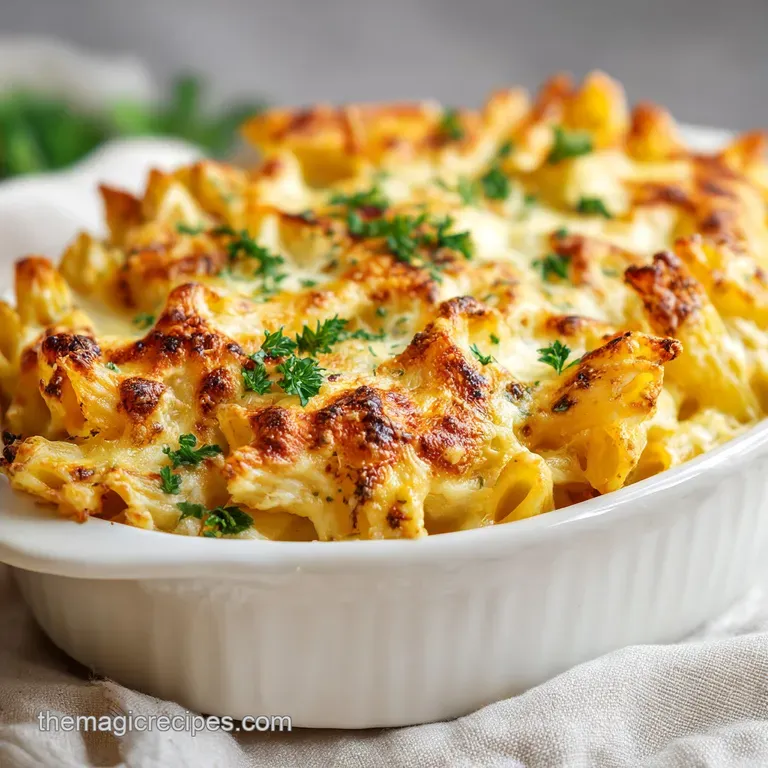
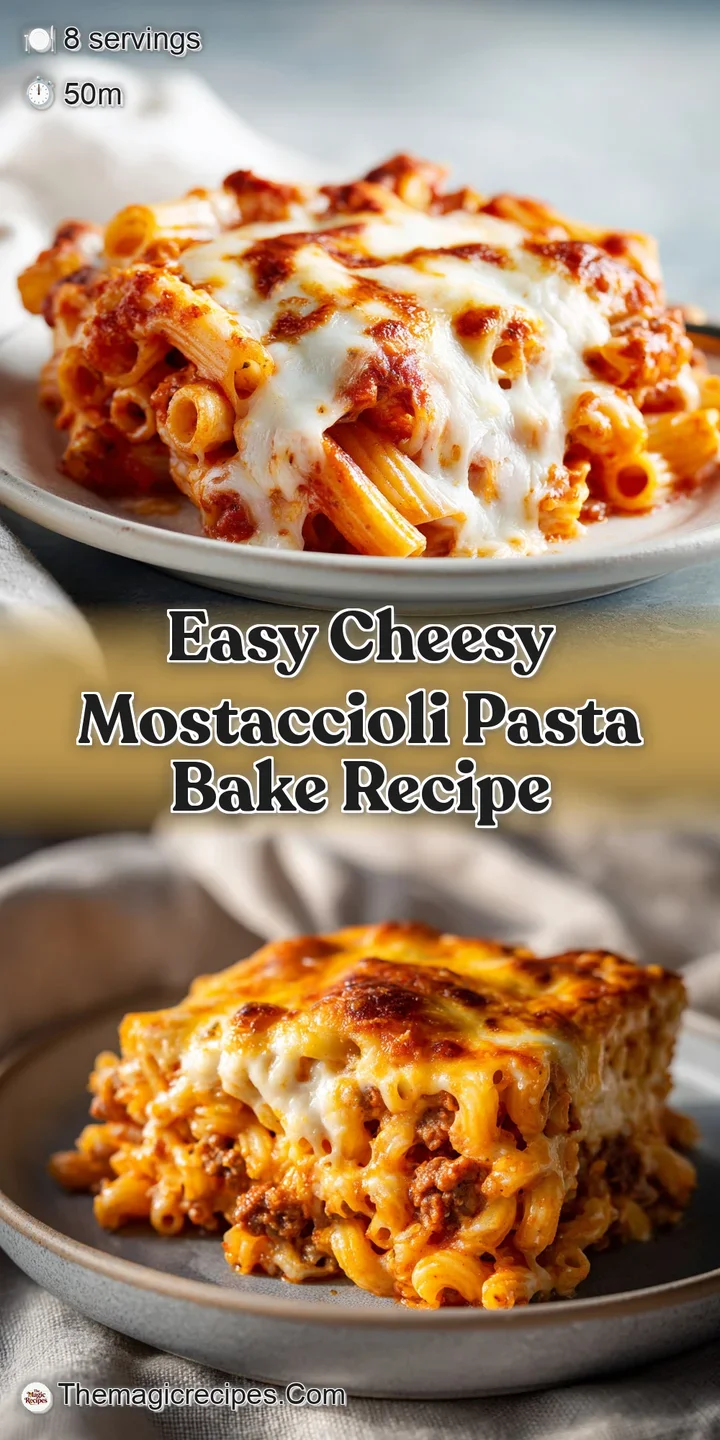
- Time: Active 15 minutes, Passive 35 minutes, Total 50 minutes
- Flavor/Texture Hook: Velvety ricotta layers topped with a shatter crisp mozzarella crust.
- Perfect for: Stress free family dinners, potlucks, or beginner friendly meal prep.
- Master the Ultimate Cheesy Mostaccioli Pasta Bake
- Essential Time and Yield Recipe Specs
- The Physics of the Pasta Pivot
- Choosing Quality Elements for the Bake
- Minimal Tools for a Clean Kitchen
- Steps for the Perfect Golden Melt
- Solving Common Mostaccioli Cooking Hurdles
- Scaling for Any Size Crowd
- Myths About Pasta Baking
- Smart Storage and Zero Waste Tips
- Best Sides for a Pasta Feast
- Very High in Sodium
- Recipe FAQs
- 📝 Recipe Card
Master the Ultimate Cheesy Mostaccioli Pasta Bake
You know that specific sound when a wooden spoon hits the bottom of a heavy pot, scraping up those little browned bits of sausage? That's the sound of a good Tuesday night. I remember the first time I tried making a Cheesy Mostaccioli Pasta Bake; I was so worried about it being dry that I added way too much extra sauce, and it turned into a soggy soup.
It was a mess, but the smell of the bubbling mozzarella almost made up for the texture fail.
Since then, I’ve realized that the secret isn't just dumping ingredients into a pan. It’s about the "pasta pivot" stopping the boil just before the noodles are actually edible so they can finish their journey inside the sauce.
This recipe is my go to when the kids are hungry, the kitchen is a bit chaotic, and I just need something that works every single time.
We’re going for that classic comfort feel here. Think of it as the more approachable, fun cousin of lasagna. It’s got all the same energy the hit of Italian sausage, the creamy ricotta, and that golden brown cheese topping but without the stress of layering flat noodles that always seem to tear.
This is simple, honest food that fills the house with the aroma of garlic and oregano, making everyone gravitate toward the kitchen before the timer even goes off.
Essential Time and Yield Recipe Specs
Before we get our hands messy, let's look at the logistics. This isn't a project that takes all afternoon. We are looking at about 15 minutes of actual work browning meat and boiling water followed by a hands off bake that lets you go fold a load of laundry or, more realistically, scroll through your phone for half an hour.
This recipe yields a solid 8 servings, making it a dream for leftovers. If you’ve got a smaller household, you’ve just bought yourself two nights of peace. The way the flavors settle and deepen overnight actually makes the second day portions taste even better.
It fits perfectly into a standard 9x13 baking dish, which is the only real "large" equipment you'll need to wash.
| Cooking Method | Total Time | Texture Profile | Best For |
|---|---|---|---|
| Standard Oven | 50 minutes | Crispy cheese edges, soft center | Classic family dinners |
| Stovetop Only | 25 minutes | Entirely creamy, no crust | Extreme time crunches |
| Toaster Oven (Half) | 40 minutes | Fast browning, very crispy | Singles or couples |
Whether you are feeding a hungry crowd or just looking for a reliable meal prep option, these specs stay consistent. The key is the 350°F (180°C) oven temperature. It’s the sweet spot where the cheese melts and browns without the sauce evaporating into nothingness. If you’re looking for other ways to keep the family happy, you might also enjoy this Baked Chicken Spaghetti recipe for a different cheesy twist.
The Physics of the Pasta Pivot
Starch Gelatinization: Mostaccioli noodles continue to absorb liquid during the bake, which is why undercooking them in the water is vital to prevent a mushy texture.
The Maillard Reaction: Searing the Italian sausage at a high temperature creates complex flavor compounds that simple boiling or steaming can't replicate.
Protein Coagulation: Adding a beaten egg to the ricotta ensures the cheese layer sets into a velvety "cloud" rather than melting into a thin liquid.
Choosing Quality Elements for the Bake
Choosing the right components is what separates a standard pasta dish from a requested favorite. I’ve learned the hard way that not all mostaccioli is created equal. Look for a brand with a rough, "bronze cut" texture; those tiny ridges help the marinara cling to the pasta instead of sliding off.
| Ingredient | Science Role | Pro Secret |
|---|---|---|
| Italian Sausage | Provides fat and umami | Brown it until it's almost "too" dark for max flavor. |
| Whole Milk Ricotta | Adds moisture and creaminess | Never use fat free; it turns grainy and watery when heated. |
| Mozzarella Cheese | Creates the "cheese pull" | Grate it yourself from a block to avoid anti clumping starches. |
| Large Egg | Acts as a binder | Whisk it into the ricotta to keep the layers distinct. |
Using fresh garlic and onion instead of powders is another non negotiable for me. The way the onion softens in the sausage fat creates a sweetness that balances the acidity of the jarred sauce. It’s a small step that pays huge dividends in the final bite.
For the Pasta & Meat Base
- 1 lb mostaccioli pasta: Substitute with Penne if needed; the shape is nearly identical. Why this? The smooth tubes hold sauce inside and out for maximum flavor.
- 1 lb Italian sausage (mild or hot): Use ground turkey sausage for a leaner option. Why this? Provides the foundational spice profile for the entire dish.
- 1 small yellow onion: Use white onion or shallots in a pinch. Why this? Adds aromatic sweetness that cuts through the heavy fats.
- 3 cloves garlic: Use 1.5 tsp garlic paste as a shortcut. Why this? Fresh garlic provides a sharp, savory bite that powders lack.
- 24 oz marinara sauce: Any high-quality tomato based sauce works. Why this? The liquid base that hydrates the pasta during the bake.
For the Creamy Cheese Layer
- 15 oz whole milk ricotta: Cottage cheese works but yields a chunkier texture. Why this? Creates the signature velvety "middle layer" of the bake.
- 1 large egg: Skip if necessary, but the layer will be much looser. Why this? Prevents the ricotta from weeping liquid into the pasta.
- 1/2 cup grated Parmesan: Use Asiago for a sharper, saltier kick. Why this? Adds a salty depth that mozzarella alone doesn't have.
- 2 tbsp fresh parsley: Use 2 tsp dried parsley if fresh isn't available. Why this? Provides a pop of color and a fresh, herbal finish.
For the Topping
- 2 cups shredded mozzarella: Provolone is a great melt heavy alternative. Why this? The primary source of that golden, bubbly crust.
- 1/4 cup Pecorino Romano: Use extra Parmesan if you can't find Pecorino. Why this? A sheep's milk cheese that adds a tangy, sharp punch.
Minimal Tools for a Clean Kitchen
I’m a firm believer that you shouldn’t need a specialized kit to make dinner. For this Cheesy Mostaccioli Pasta Bake, we are keeping it lean. You’ll need a large pot to boil the pasta and a large skillet or Dutch oven to handle the sauce and meat.
The Dutch oven is actually my favorite because it has high sides that prevent the sauce from splattering all over the stove.
Other than those, you just need a standard 9x13-inch baking dish. If you don't have one, two 8x8-inch square pans will work just fine you might even find that they bake a little faster.
A simple mixing bowl for the ricotta mixture and a sturdy wooden spoon are the only other soldiers you’ll need in this battle.
Chef Note: If you’re really trying to save on cleanup, you can actually brown the meat in the same pot you’ll use to boil the pasta. Just cook the meat first, remove it, and then boil the water in the same pot. It adds a little extra flavor to the noodles!
Steps for the Perfect Golden Melt
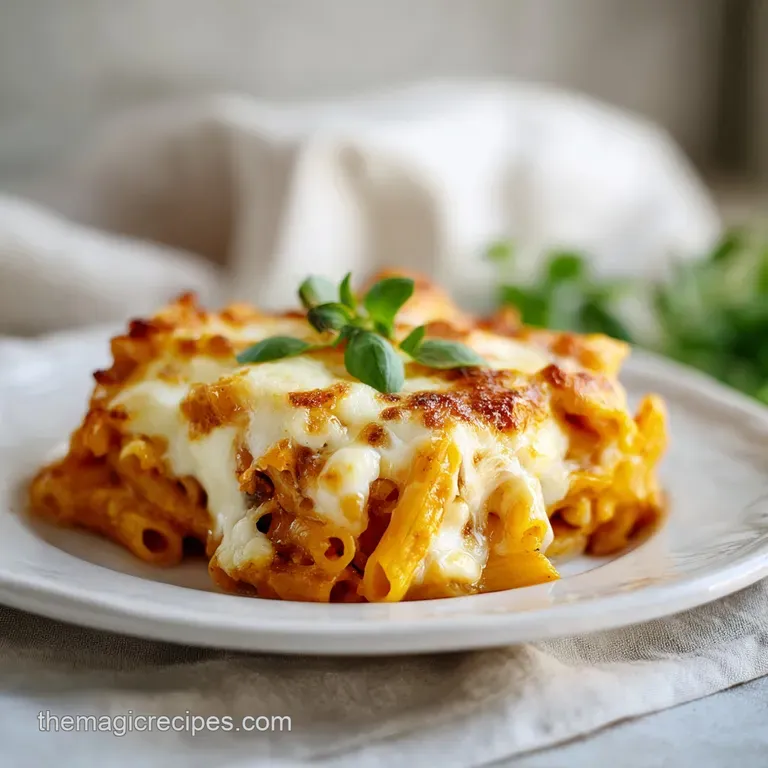
- Preheat the oven. Set your oven to 350°F (180°C). Note: Starting with a hot oven ensures the cheese melts before the pasta overcooks.
- Boil the pasta. Cook the 1 lb mostaccioli in salted water for 2 minutes less than the package instructions until it is firm to the bite.
- Brown the meat. Sauté the 1 lb Italian sausage in a skillet over medium high heat until no pink remains and it's deeply browned.
- Add aromatics. Toss in the diced onion and minced garlic with the sausage. Note: Cook for 3-4 minutes until the onions are translucent.
- Simmer the sauce. Pour in the 24 oz marinara, oregano, and red pepper flakes. Cook until the sauce is bubbling and thickened slightly.
- Mix the ricotta. In a small bowl, whisk the 15 oz ricotta, egg, 1/2 cup Parmesan, and parsley until the mixture is uniform and creamy.
- Combine pasta and sauce. Drain the mostaccioli and stir it directly into the meat sauce skillet. Note: Ensure every tube is coated to prevent dry spots.
- Layer the dish. Pour half the pasta into the baking dish, dollop the ricotta mixture on top, then cover with the remaining pasta.
- Add the crown. Sprinkle the 2 cups mozzarella and 1/4 cup Pecorino Romano evenly over the top.
- Bake to perfection. Slide it into the oven for 25-30 minutes until the cheese is bubbly and the edges are golden brown.
Solving Common Mostaccioli Cooking Hurdles
The biggest heartbreak in a pasta bake is finding a dry noodle or a pool of grease at the bottom. Usually, this happens because of one small oversight. If your bake looks a bit "oily," it’s almost always because the sausage wasn't drained well enough.
Italian sausage can be surprisingly fatty, and while fat is flavor, too much of it will break your sauce.
If you find your pasta is consistently too soft, you might be rinsing it after boiling. Never rinse! The starch on the outside of the noodles is what helps the sauce stick. If you rinse it, the sauce just slides to the bottom of the pan. If you're looking for more inspiration for balanced meals, check out these Healthy Pasta Recipes that use similar techniques but with more veggies.
| Problem | Root Cause | Solution |
|---|---|---|
| Watery/Thin Sauce | Not using an egg in the ricotta | Always whisk in one egg to bind the cheese layer. |
| Tough/Dry Pasta | Pasta was not fully submerged | Ensure the top layer is well coated in sauce before baking. |
| Burnt Cheese Crust | Oven rack too high | Bake on the middle rack and tent with foil if browning too fast. |
Common Mistakes Checklist
- ✓ Don't overcook the pasta initially; it should be "hard al dente."
- ✓ Always drain the excess fat from the sausage after browning.
- ✓ Use room temperature ricotta to make mixing with the egg easier.
- ✓ Let the dish rest for 5-10 minutes after baking to let the sauce set.
- ✓ Avoid pre shredded cheese if you want the best possible melt.
Scaling for Any Size Crowd
If you’re cooking for two, don't feel like you have to eat mostaccioli for five days straight. To scale this down, use a 1/2 lb of pasta and a 1/2 lb of sausage, but use a whole small egg (just whisk it and use it all).
You'll want to move to an 8x8 dish and check the bake at about 20 minutes since there is less thermal mass to heat up.
Scaling up for a party is easy. You can double the recipe and use two 9x13 pans. When doubling, I usually only increase the red pepper flakes to 1.5x the amount so it doesn't get overwhelmingly spicy.
You may need to rotate the pans halfway through the baking time to ensure the one on the bottom rack gets those same crispy edges as the one on the top.
Myths About Pasta Baking
Myth: You have to boil the pasta in a gallon of water. Truth: You actually only need enough water to cover the noodles by an inch or two. Using less water creates a more starchy "pasta water," which is like liquid gold for getting sauces to emulsify.
Myth: Covering the dish with foil makes it cook faster. Truth: Foil actually traps steam, which can make your pasta mushy. Only use foil if the cheese is browning too quickly. For the most "shatter crisp" topping, leave it uncovered the whole time.
Smart Storage and Zero Waste Tips
This Mostaccioli Pasta Bake is a champion in the fridge. It stays good for up to 4 days when stored in an airtight container. When reheating, I like to add a tiny splash of water or extra marinara to the bowl before microwaving; it creates a little steam that brings the cheese back to life.
For freezing, this dish is a lifesaver. You can freeze it before or after baking. If freezing before, just wrap the dish tightly in plastic wrap and then foil. It will stay fresh for up to 3 months.
To cook from frozen, bake it at 350°F for about an hour, keeping the foil on for the first 45 minutes so the center thaws without burning the top. If you have leftover ricotta, don't toss it! Stir it into scrambled eggs the next morning for a creamy, high protein breakfast.
Best Sides for a Pasta Feast
When you've got a heavy, cheesy main like this, you want something bright and crisp to balance the plate. A simple arugula salad with a sharp lemon vinaigrette works wonders. The peppery bite of the greens cuts right through the richness of the ricotta and sausage.
Garlic bread is the classic choice, of course. Use it to swipe up any extra sauce left on the plate. If you want to stay on the healthier side, roasted broccoli with a squeeze of lemon and a dusting of red pepper flakes mimics the flavors in the bake without adding too much weight to the meal.
Trust me, once you pull this bubbling tray out of the oven, you won't need much else to make it a "five star" night at home.
Very High in Sodium
1245 mg mg of sodium per serving (54% % of daily value)
The American Heart Association recommends limiting sodium intake to about 2,300mg per day for most adults. This recipe significantly exceeds that limit.
Tips to Reduce Sodium in Your Mostaccioli
-
Reduce/Substitute Cheese-20%
Cheese is a significant sodium contributor. Reduce the amount of Parmesan, Pecorino Romano, and mozzarella by 25%, or use a low-sodium mozzarella and Parmesan instead. You can also skip the Pecorino Romano which is the saltiest cheese.
-
Low-Sodium Marinara-15%
Use a low-sodium marinara sauce or make your own from scratch. Canned and jarred sauces are often very high in sodium.
-
Choose Low-Sodium Sausage-15%
Italian sausage is a major source of sodium. Look for a low-sodium or no-salt added version of Italian sausage, or substitute with ground turkey or chicken with Italian seasoning.
-
No Salt Added-10%
Taste the dish before adding any salt. This will help you to avoid over salting and get used to lower sodium levels.
-
Enhance with Herbs
Use fresh or dried herbs and spices like basil, garlic powder (instead of garlic salt), black pepper, and extra oregano to boost flavor without adding sodium.
Recipe FAQs
What kind of cheese goes in mostaccioli?
A blend is best, focusing on melt and flavor. Use mozzarella for stretch and creaminess, ricotta for moisture, and Parmesan or Pecorino for sharp, salty depth.
Do you bake mostaccioli covered or uncovered?
Uncovered for the entire bake time. Covering it traps steam, which results in a soggy top layer; leave it uncovered so the cheese browns nicely.
Which cheese is best for pasta bake?
Low-moisture, whole milk mozzarella offers the superior melt and browning. Avoid pre-shredded varieties if possible, as anti caking agents hinder a smooth, bubbly crust.
Can I bake pasta instead of boiling it?
No, the pasta must be par-boiled first. Mostaccioli needs significant pre-softening because it continues to hydrate in the sauce while baking; raw pasta will remain hard in the center.
How do I prevent the ricotta layer from becoming watery during baking?
Whisk one large egg into the ricotta mixture before layering. This binds the proteins, allowing the cheese layer to set into a velvety component instead of weeping liquid into the sauce.
Should I rinse the pasta after boiling it for the bake?
No, never rinse the pasta for a bake. Rinsing removes the surface starch that is essential for helping the sauce adhere to the noodles and prevents dry spots.
Is it necessary to brown the sausage deeply before adding the sauce?
Yes, deep browning develops essential savory flavor compounds. If you enjoyed achieving intense flavor through searing meat here, see how that same high heat reaction principle creates depth in our Ground Beef Alfredo recipe.
Cheesy Mostaccioli Pasta Bake
Ingredients:
Instructions:
Nutrition Facts:
| Calories | 622 kcal |
|---|---|
| Protein | 33.3 g |
| Fat | 29.6 g |
| Carbs | 52.8 g |
| Fiber | 3.8 g |
| Sugar | 7.2 g |
| Sodium | 1245 mg |
