Cheesy Taco Spaghetti: Creamy and Savory
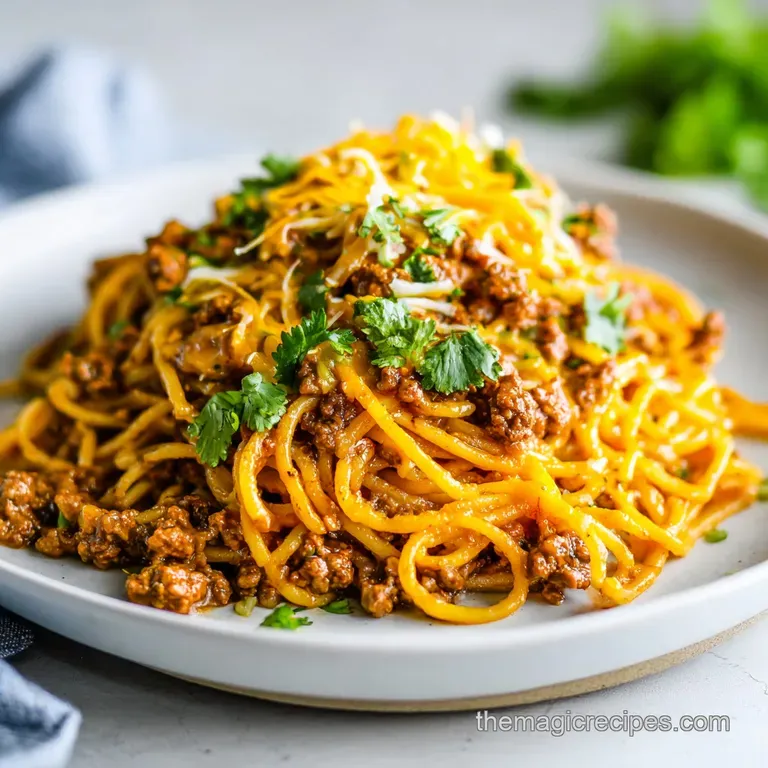
- Time: Active 10 minutes, Passive 15 minutes, Total 25 minutes
- Flavor/Texture Hook: Zesty, creamy, and savory with a signature cheesy pull.
- Perfect for: Busy weeknights, one pot lovers, and picky eaters who crave comfort food.
- Master This Easy Cheesy Taco Spaghetti Now
- The Physics of Velvety Sauces
- Portion Guide for Easy Planning
- Essential Components for Big Flavor
- Tools for Minimal Cleanup Cooking
- Detailed One Pot Cooking Steps
- Fixes for Common Pasta Blunders
- Simple Recipe Swaps and Twists
- Fridge and Freezer Safety Rules
- Side Dishes for Taco Night
- Recipe FAQs
- 📝 Recipe Card
Master This Easy Cheesy Taco Spaghetti Now
Picture this: it's 6:00 PM on a Tuesday, the fridge looks bleak, and you've got exactly 30 minutes before the household descends into hunger induced chaos. I've been there more times than I care to admit.
Last week, I stood in my kitchen staring at a lonely pound of ground beef and a box of spaghetti, wondering if I could bridge the gap between Italian night and Taco Tuesday without making a massive mess.
The result was a total win. As the beef hit the hot pan with that sharp, rhythmic sizzle, and the aroma of toasted cumin filled the air, I knew I was onto something. I threw the dry noodles right into the pan with the broth and watched them soften into a rich, orange hued sauce.
No colander to wash, no separate boiling pot, just one skillet and a whole lot of steam.
We're talking about a dish that hits all those nostalgic notes of a boxed meal but with a depth that only fresh garlic and sharp cheddar can provide. It's the kind of dinner where everyone asks for seconds before they've even finished their first plate.
Let's get into how you can pull this off with zero stress and maximum flavor.
The Physics of Velvety Sauces
Starch Concentration: Simmering pasta in a limited amount of broth traps released starches in the pan, acting as a natural thickener for the sauce. This creates a glossy coating that binds the cheese and beef to the noodles rather than letting it pool at the bottom.
Emulsification Stability: The lactic acid and fat in the 4 oz cream cheese act as a bridge between the watery tomato juices and the heavy cheddar fats. This prevents the sauce from "breaking" or becoming oily when it hits the high heat of the noodles.
Portion Guide for Easy Planning
Before you start browning that beef, it's helpful to know exactly how much you're making, especially if you're feeding a crowd or looking for leftovers. This recipe scales beautifully, but the pan size is your limiting factor.
| Servings | Ingredient Adjustments | Pan Size | Cook Time |
|---|---|---|---|
| 3 people | 0.5 lb beef, 4 oz pasta | 10 inch skillet | 12 minutes |
| 6 people | 1 lb beef, 8 oz pasta | 12 inch deep skillet | 15 minutes |
| 12 people | 2 lb beef, 16 oz pasta | Large Dutch oven | 20 minutes |
When I first made this, I underestimated how much the noodles expand once they've soaked up all that beef broth. If you're doubling the recipe, definitely reach for your heaviest Dutch oven to ensure even heat distribution across all those layers of spaghetti and cheese.
Essential Components for Big Flavor
You don't need a pantry full of exotic spices to make this work, but the quality of your basics matters. Using a sharp cheddar rather than a mild one provides that necessary bite to cut through the richness of the cream cheese.
| Component | Science Role | Pro Secret |
|---|---|---|
| 80/20 Ground Beef | Flavor Carrier | Fat carries the taco spice aromatics across the palate. |
| Rotel Tomatoes | Acid Balance | The acidity breaks down protein fibers for a tender mouthfeel. |
| Beef Broth | Hydration Agent | Provides the liquid for pasta gelatinization without diluting flavor. |
| Cream Cheese | Texture Stabilizer | Lowers the melting point of the cheddar for a smoother sauce. |
I always suggest using a low sodium beef broth here. Since taco seasoning often contains a fair amount of salt, using a full sodium broth can quickly turn your dinner into a salt lick. You can always add a pinch of salt at the end, but you can't take it away once the noodles have absorbed it.
Tools for Minimal Cleanup Cooking
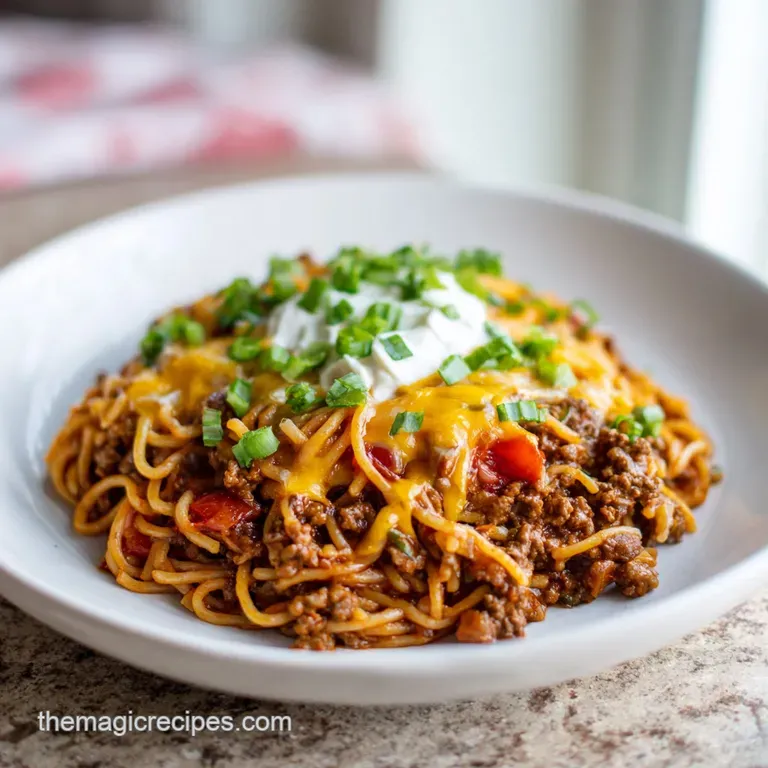
One of the best things about this recipe is that it doesn't require a kitchen full of gadgets. I'm a huge fan of the "minimal tools" approach because, let's be honest, nobody wants to spend an hour at the sink after a long day.
- Deep 12 inch Skillet: You need high sides to contain the broth and the spaghetti. A cast iron or heavy stainless steel pan works best for a consistent sizzle.
- Wooden Spoon: Ideal for breaking up the ground beef into small, uniform crumbles and scraping those flavorful browned bits (fond) off the bottom.
- Box Grater: Trust me, hand grating your 2 cups sharp cheddar is the secret to that velvety texture you’re after. Pre shredded cheese is coated in potato starch which prevents a smooth melt.
- Chef's Knife: For a quick dice on your 1 small yellow onion and 2 cloves garlic.
Chef's Tip: Freeze your block of cheddar for about 10 minutes before grating. It makes the cheese firmer and much easier to shred without it clumping or turning into a mushy mess in your hands.
Detailed One Pot Cooking Steps
The magic of this dish happens in the transition from searing the meat to simmering the pasta. It’s a fast paced process, so have all your ingredients measured and ready to go.
1. Searing the Ground Beef
Place your 1 lb ground beef in the skillet over medium high heat. Let it sit undisturbed for about 2 minutes to develop a dark, savory crust this is the Maillard reaction in action. Add the finely diced onion and cook until the beef is fully browned and the onions are translucent.
2. Developing the Aromatics
Push the beef to the sides and drop your minced garlic and 2 tbsp taco seasoning into the center. Toast the spices for 30 seconds until they become incredibly fragrant. This "blooms" the oils in the spices, making the flavor much more intense than if you just stirred them into the liquid.
3. Creating the Liquid Fusion
Pour in the undrained 10 oz can of Rotel and the 2 cups beef broth. Use your spoon to scrape the bottom of the pan, releasing all those caramelized beef drippings into the liquid. This liquid is the lifeblood of your Cheesy Mostaccioli Pasta recipe style sauce, providing a rich base for the noodles.
4. Simmering the Pasta Strands
Add the 8 oz spaghetti, broken in half. Submerge the noodles as much as possible. Bring the mixture to a boil, then reduce the heat to a simmer. Cover the pan this is crucial to trap the steam and cook the top layer of noodles.
5. Managing the Texture
Cook for about 10-12 minutes, stirring every few minutes to prevent the pasta from sticking to the bottom. You'll see the liquid start to thicken into a heavy, dark red sauce as the noodles soften.
6. The Final Cheesy Finish
Once the noodles are tender, stir in the 4 oz cubed cream cheese. Keep stirring until it’s completely melted and the sauce looks light orange and creamy. Turn off the heat and fold in 1.5 cups of the shredded cheddar.
7. The Melty Topping
Sprinkle the remaining 0.5 cup of cheddar over the top. Put the lid back on for 2 minutes to let the residual heat create a molten layer of cheese.
8. Garnish and Serve
Finish with a handful of fresh chopped cilantro. The bright, herbal notes cut through the heavy cheese and beef perfectly. Serve it straight from the pan while it's still piping hot and the cheese is at its stretchiest.
Fixes for Common Pasta Blunders
Sometimes things don't go exactly as planned, especially when you're working with one pot methods where liquid ratios are tight. Don't panic if your sauce looks a little thin or your noodles feel a bit tough.
Avoiding Mushy Noodle Traps
The most common mistake is overcooking the pasta until it loses its structure. Because the noodles continue to cook in the residual heat of the cheese sauce, you want to stop the simmer when the spaghetti is just shy of "al dente." It should still have a very slight bite in the center.
Benefits of Hand Grating
If your cheese isn't melting into a smooth sauce and is instead forming oily clumps, it's likely because of the anti caking agents in pre shredded cheese. For the smoothest Chicken Spaghetti Recipe texture, always grate from the block. The difference in the finished dish is night and every bit worth the extra two minutes of effort.
| Problem | Root Cause | Solution |
|---|---|---|
| Tough Pasta | Not enough liquid or lid was off | Add 1/4 cup extra broth and cover for 3 mins. |
| Greasy Sauce | Heat too high when adding cheese | Remove from heat before stirring in cheddar. |
| Bland Flavor | Beef wasn't browned enough | Next time, let the beef sear longer before stirring. |
Common Mistakes Checklist:
- ✓ Never drain the Rotel; that juice is essential for the pasta to cook properly.
- ✓ Don't skip breaking the spaghetti in half; it helps the noodles fit under the liquid level.
- ✓ Avoid using extra lean beef (93/7); the lack of fat results in a dry, crumbly texture.
- ✓ Stir the pasta frequently to prevent a "starch clump" where noodles fuse together.
- ✓ Let the cream cheese soften at room temperature so it incorporates instantly.
Simple Recipe Swaps and Twists
I love a recipe that acts as a canvas. While the ground beef and cheddar version is the gold standard in our house, you can easily pivot based on what you have in your pantry or your dietary needs.
| Original Ingredient | Substitute | Why It Works |
|---|---|---|
| Ground Beef (1 lb) | Ground Turkey (1 lb) | Leaner option. Note: Needs an extra tbsp of oil for browning. |
| Beef Broth (2 cups) | Chicken Broth (2 cups) | Lighter flavor profile but still provides the necessary salt. |
| Rotel (10 oz) | Diced Tomatoes + Chilies | Same moisture and acidity. Great if you can't find the brand. |
| Sharp Cheddar (2 cups) | Pepper Jack (2 cups) | Adds a spicy kick and melts just as beautifully. |
If you find yourself out of taco seasoning, you can make a quick DIY version with chili powder, cumin, garlic powder, and onion powder. It’s a great way to control the sodium levels if you're watching your intake.
Smoky Chipotle Flavor Twist
For those who like a deeper, earthier heat, stir in 1 tablespoon of adobo sauce from a can of chipotle peppers when you add the garlic. It transforms the dish from a standard taco flavor into something much more complex and "restaurant style."
Lean Turkey Meat Swap
Using ground turkey is a smart move if you're looking for a lighter meal. However, turkey lacks the fat of 80/20 beef, so it can stick to the pan. Add a splash of avocado oil before browning and maybe an extra pinch of taco seasoning to make up for the milder flavor of the poultry.
Fridge and Freezer Safety Rules
This spaghetti is one of those rare dishes that might actually taste better the next day. As it sits, the spices permeate the noodles even further. However, because of the cream cheese, you have to be careful with reheating to keep that velvety texture.
- Storage: Store leftovers in an airtight container in the fridge for up to 3 to 4 days.
- Freezing: You can freeze this for up to 2 months. However, be warned: the pasta will soften significantly upon thawing. It's best to undercook the pasta slightly if you know you're making this as a freezer meal.
- Reheating: To avoid a greasy mess, reheat on the stove over low heat with a splash of milk or beef broth. This re emulsifies the sauce. If using a microwave, use 50% power and stir every 45 seconds.
- Zero Waste Tip: If you have leftover taco meat but no noodles, use it as a filling for stuffed bell peppers or stir it into a morning omelet. The onion and garlic base is universal!
Side Dishes for Taco Night
While this is a heavy, all in-one meal, a little bit of greenery or crunch on the side goes a long way. You want something that balances the richness of the cheese and the savory weight of the beef.
Cooling Contrast Side Ideas
A simple cucumber and radish salad with a lime vinaigrette is the perfect foil for the warm spices. The crunch of the radish provides a necessary texture break from the soft noodles.
Alternatively, a dollop of cold sour cream and a few slices of avocado on top of the bowl can provide a temperature contrast that's really satisfying.
The Best Dipping Companions
If you're really leaning into the comfort food vibe, serve this with a side of warm corn tortillas or even some salty tortilla chips. I’ve seen people use the chips as edible spoons for the spaghetti, and honestly, it’s a brilliant move.
Decision Shortcut: If you want a crispier finish, transfer the cooked pasta to a baking dish, top with extra cheese, and broil for 3 minutes. If you want it extra saucy, increase the beef broth by 1/4 cup and don't let it simmer quite as long.
If you want a healthier boost, stir in a cup of frozen corn or a can of drained black beans during the last 5 minutes of simmering.
- 1. Beef Fat Ratio
- Aim for 80/20 beef for the best balance of flavor and moisture without excess grease.
- 2. Internal Temperature
- Ensure the beef reaches a safe 165°F before adding the liquids.
- 3. The 15 Minute Rule
- Do not simmer the pasta for more than 15 minutes; beyond this, the starch structure breaks down into a gummy paste.
Whether you're making this for a quick family dinner or a casual get together with friends, it's a reliable, crowd pleasing recipe that proves you don't need fancy tools or hours of prep to make something truly satisfying. Just one pan, a handful of ingredients, and a little bit of cheese magic. Enjoy!
Recipe FAQs
Can I substitute ground turkey for the beef?
Yes, but adjust the fat content. Ground turkey is leaner than the recommended 80/20 beef, so add about one tablespoon of cooking oil when searing to prevent sticking and dryness.
How to achieve the creamiest sauce without separating?
Remove the pan from direct heat before stirring in the cheese. The goal is low-temperature melting, as high heat causes the fat and protein in the cheese to break apart, resulting in an oily texture.
Why must I break the spaghetti noodles before cooking?
Break the spaghetti in half to ensure even coverage and cooking. Longer strands won't fully submerge in the limited liquid, leading to some being undercooked while others become mushy.
Is it true that pre-shredded cheese causes a grainy texture?
Yes, this is largely true for this application. Pre-shredded cheeses contain starch coatings to prevent clumping, which inhibits their ability to melt smoothly into a velvety sauce like freshly grated cheese.
How to make this recipe ahead of time for freezing?
Slightly undercook the pasta during the simmering phase. The noodles will continue to absorb liquid while cooling and freezing; slightly underdone ensures they aren't gummy upon reheating.
Can I skip using Rotel tomatoes and use regular diced tomatoes instead?
No, use the Rotel or similar diced tomatoes with green chilies. The acidity from the tomatoes, combined with the slight heat from the chilies, is essential for balancing the richness of the cream cheese.
What technique used here will help me in other pasta dishes?
Mastering starch concentration through one-pot simmering. If you enjoyed controlling starch release here to create a glossy sauce, see how the same principle of building sauce volume applies when making a quick Recetas Sencillas Para Comer recipe.
Cheesy Taco Spaghetti Recipe
Ingredients:
Instructions:
Nutrition Facts:
| Calories | 518 kcal |
|---|---|
| Protein | 30.6 g |
| Fat | 28.4 g |
| Carbs | 34.8 g |
| Fiber | 2.2 g |
| Sugar | 3.1 g |
| Sodium | 795 mg |
