Chicken and Noodles: Thick and Velvety
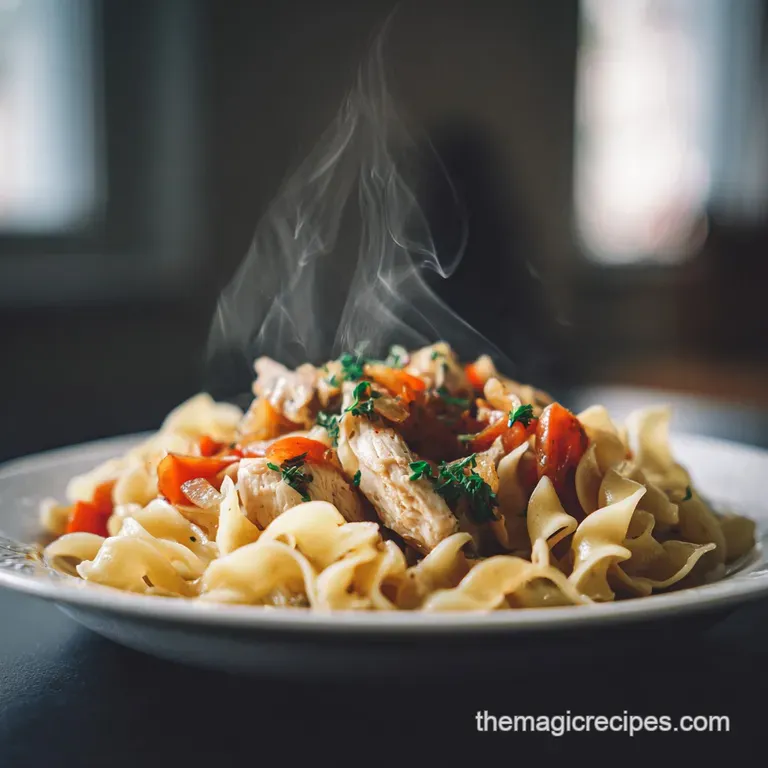
- Time: Active 15 minutes, Passive 45 minutes, Total 1 hours
- Flavor/Texture Hook: Velvety, thick broth with tender, pull apart chicken
- Perfect for: Busy weeknight dinners or feeding a hungry crowd on a budget
- Master the Comfort of Chicken and Noodles
- Essential Specs for Your Kitchen
- Smarter Shopping and Quick Substitutes
- Minimal Tools for Best Results
- Step-by-Step Prep and Cooking
- Fixing Common Noodle Mistakes
- Easy Flavor Variations to Try
- Scaling Your Batch Size
- The Searing Juice Concept
- Storage and Reheating Made Simple
- Serving Suggestions for Family Dinner
- High in Sodium (⚠️)
- Recipe FAQs
- 📝 Recipe Card
Master the Comfort of Chicken and Noodles
The sound of 2 lbs bone in, skin on chicken thighs hitting a hot pan with 2 tbsp unsalted butter is the ultimate dinner signal. That initial sizzle isn't just about noise, it is the smell of the skin rendering down, promising a base that water or plain broth just cannot touch.
I remember watching my grandmother make this, and I always wondered how her "gravy" got so thick without her ever touching a box of cornstarch.
The secret turned out to be the "magic" of frozen egg noodles and a little bit of patience. We've all had those thin, watery soups that call themselves "chicken and noodles," but this is different. It's substantial, heavy on the fork, and feels like a warm hug after a long day at work.
Best of all, we are using one pot, so you aren't stuck at the sink for an hour after everyone else has finished their second helping.
This method focuses on efficiency and flavor, using simple pantry staples like 1 large yellow onion and 3 carrots to build a foundation. If you've been searching for a reliable way to get that old-fashioned texture without spending four hours in the kitchen, you've found it.
Let's look at why this specific combination of ingredients works so well every single time.
The Physics of the Slurp
Starch Suspension: Frozen egg noodles are coated in flour that releases into the 6 cups low sodium chicken stock as they boil, naturally thickening the liquid into a silky sauce. This eliminates the need for a messy roux or extra flour slurry later in the process.
| Method | Cook Time | Texture Outcome | Best For |
|---|---|---|---|
| Stovetop | 45 minutes | Velvety and thick | Traditional consistency |
| Oven (180°C) | 1 hours | Deeply browned top | Hands off prep |
The stovetop method is my go to because you can control the evaporation and ensure the 1 lb thick frozen egg noodles don't overcook. If you are looking for more variety in your routine, you might also enjoy a hearty Beef and Noodles recipe for those nights when you want a darker, richer flavor profile.
Essential Specs for Your Kitchen
Before we start chopping, it helps to know exactly what we are working with. This recipe is designed for a standard 6 quart Dutch oven or a heavy bottomed stockpot. Using a heavy pot helps distribute heat evenly, so your 4 cloves garlic don't burn while you're busy slicing the 2 celery stalks.
The timing is predictable, making it a healthy win for meal planning. You'll spend about 15 minutes on prep, mostly dicing your vegetables and mincing the garlic. The rest of the hour is hands off while the chicken simmers and the noodles do their thing.
| Ingredient | Science Role | Pro Secret |
|---|---|---|
| Chicken Thighs | Collagen source | Keep skins on during searing for extra fat and flavor depth. |
| Frozen Noodles | Natural thickener | Don't thaw them; adding them frozen prevents them from becoming mushy. |
| Apple Cider Vinegar | Brightness agent | The acid cuts through the heavy fat, making the flavor "pop." |
Adding 1 tbsp apple cider vinegar at the end is a trick I learned after years of making "flat" tasting soups. It acts as a flavor balancer that wakes up the 1 tsp dried thyme and 1 tsp poultry seasoning. It won't taste like vinegar, I promise, it just makes everything else taste more like itself.
Smarter Shopping and Quick Substitutes
Getting the right ingredients is half the battle. We're using bone in chicken thighs because the bones add incredible body to the broth. If you prefer white meat, you can look into other Chicken Breast Recipes, but for this specific "and noodles" style, thighs are king.
- 2 lbs bone in, skin on chicken thighs: Substitute with drumsticks. Why this? Bones provide gelatin which thickens the sauce naturally.
- 1 lb thick frozen egg noodles: Substitute with dried pappardelle. Why this? They have the thickness needed to stand up to long simmering.
- 6 cups low sodium chicken stock: Substitute with water and bouillon. Why this? Stock adds the essential umami base for the noodles.
- 2 tbsp unsalted butter: Substitute with olive oil. Why this? Butter adds a creamy mouthfeel that oil lacks.
- 1 tbsp apple cider vinegar: Substitute with lemon juice. Why this? Acid balances the richness of the chicken fat.
Chef's Tip: If you can find "Reames" brand frozen noodles in the freezer section, grab them. They are the gold standard for this dish because they are thick and chewy, almost like dumplings.
Minimal Tools for Best Results
You don't need a kitchen full of gadgets for this. A sharp chef's knife for the 3 carrots and 2 celery stalks is essential, along with a sturdy pair of tongs to flip the chicken. Since we are focusing on minimal tools, a single large pot is your best friend here.
A wooden spoon is better than metal for this recipe because you'll want to scrape the "fond" (those little brown bits) off the bottom of the pot after searing the chicken. Those bits are where the real flavor hides.
If you have a garlic press, use it for the 4 cloves garlic to save time, otherwise, a fine mince with your knife works perfectly.
| Problem | Root Cause | Solution |
|---|---|---|
| Thin broth | Not enough starch | Simmer uncovered for 5-10 extra minutes. |
| Tough chicken | Undercooked | Ensure thighs reach 175°F (80°C) for best shredding. |
| Salty soup | Stock was too concentrated | Add a splash of water or a peeled potato to absorb salt. |
Using low sodium stock is a smart move because it gives you control over the 1 tsp fine sea salt. You can always add more salt, but you can't take it out once those noodles have soaked it up.
step-by-step Prep and Cooking
- Sear the chicken. Place chicken thighs skin side down in melted butter over medium high heat. Note: This renders the fat for the veggies.
- Brown thoroughly. Cook 8 minutes until the skin is golden and releases easily from the pan.
- Sauté aromatics. Remove chicken, then add onion, carrots, and celery to the pot. Note: Cook until the onions are translucent.
- Deglaze the pot. Stir in the minced garlic and 1 tbsp apple cider vinegar, scraping the bottom.
- Simmer the base. Return chicken to the pot and add chicken stock, thyme, poultry seasoning, and the bay leaf.
- Cook the meat. Cover and simmer 25 minutes until the chicken is tender and pulling away from the bone.
- Shred the chicken. Transfer thighs to a plate, discard skin and bones, then shred the meat into bite sized pieces.
- Drop the noodles. Bring the liquid to a rolling boil and add the 1 lb frozen egg noodles.
- Final simmer. Cook noodles for 15 minutes until they are plump and the broth has thickened.
- Finish and season. Stir the shredded chicken back in and add 0.5 tsp freshly cracked black pepper.
For Maximum Succulence (The Collagen Factor)
Chicken thighs are forgiving because they contain connective tissue that turns into gelatin. Unlike breasts, which dry out if you look at them wrong, thighs actually get better the longer they simmer.
If you have an extra 10 minutes, let the chicken simmer just a bit longer before adding the noodles to ensure it's completely fork tender.
For a Naturally Thickened Gravy
The "gravy" effect happens during the last 15 minutes of cooking. Don't be tempted to add more liquid if it looks thick! The noodles will continue to release starch.
If you stir too much, you might break the noodles, so a gentle fold every few minutes is all you need to keep things from sticking to the bottom.
Fixing Common Noodle Mistakes
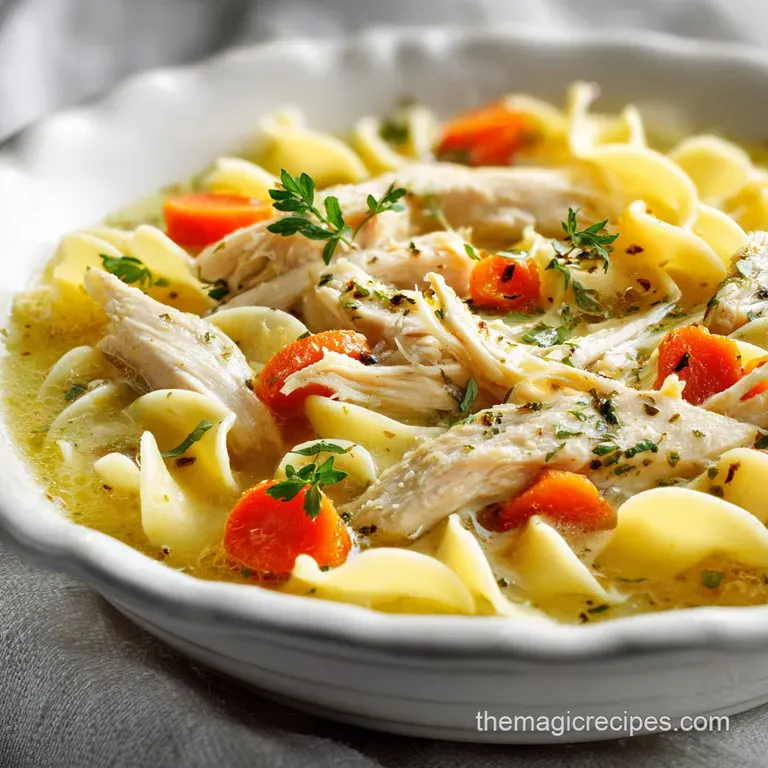
Even the best cooks run into trouble. One mistake I made early on was adding the 1 lb thick frozen egg noodles too early. They ended up absorbing all the broth and turning into a giant noodle cake. If that happens, just add a half cup of warm stock to loosen things up.
For Noodles That Drank All the Broth
This usually happens if the dish sits too long before serving. The starch keeps working even after the heat is off. To fix it, gently stir in a little more warm chicken stock until you reach your desired consistency.
- ✓ Don't skip the chicken searing step (it builds the entire flavor base).
- ✓ Always use a "low sodium" stock to avoid a salt bomb.
- ✓ Keep the lid on while simmering the chicken to prevent too much evaporation.
- ✓ Let the frozen noodles come to a full boil before lowering the heat.
- ✓ Discard the bay leaf before serving (it’s for flavor, not for eating!).
| Problem | Root Cause | Solution |
|---|---|---|
| Mushy noodles | Overcooked | Check for doneness 2 minutes before the timer ends. |
| Bland flavor | Missing acidity | Add an extra teaspoon of apple cider vinegar or lemon. |
| Greasy surface | Too much chicken fat | Skim the top with a wide spoon before adding noodles. |
Easy Flavor Variations to Try
If you want to change things up, this recipe is incredibly flexible. While the "old fashioned" style is a classic, you can easily pivot based on what's in your fridge. For a "Creamy Chicken and Noodles" upgrade, stir in 1/2 cup of heavy cream or a dollop of sour cream right at the end.
It makes the dish feel even more like a luxury meal without much extra effort.
For a "Crockpot Chicken and Noodles" version, you can throw everything except the noodles into the slow cooker for 6 hours on low. Add the frozen noodles during the last 45 minutes of cooking.
It won't have the same roasted flavor from searing the chicken, but it's a great "set it and forget it" option for busy mornings.
If You Want X, Do Y
- If you want a kick: Add a pinch of red pepper flakes with the garlic.
- If you want more greens: Stir in two cups of fresh spinach at the very end until wilted.
- If you want it heartier: Add a cup of frozen peas and corn during the last 5 minutes of the noodle boil.
Scaling Your Batch Size
If you're cooking for a smaller group, you can easily cut this recipe in half. Use a smaller pot and reduce the cook time for the chicken by about 5 minutes. Since we are using 2 lbs bone in chicken thighs, you would just use 1 lb (usually 2 large thighs).
For the egg, since this recipe doesn't use raw eggs directly, you don't have to worry about the "half an egg" math!
When scaling up for a party (12 servings), use a very large stockpot. Do not double the salt or spices immediately; start with 1.5x the amount and taste as you go. Liquids should be reduced by about 10% because less moisture will evaporate in a larger, more crowded pot.
Work in batches when searing the chicken so you don't crowd the pan and end up steaming the meat instead of browning it.
The Searing Juice Concept
Many people believe that searing meat "seals in the juices." This is actually a myth. Moisture loss happens regardless of whether the meat is seared or not. The real reason we sear the 2 lbs bone in, skinless thighs is for the Maillard reaction.
This chemical process creates hundreds of flavor compounds that give the broth its deep, golden color and savory punch.
Another common misconception is that you must thaw frozen noodles before cooking. In fact, adding them frozen is better. Thawing them can make the dough sticky and prone to clumping.
Dropping them straight into the boiling broth ensures they cook evenly and maintain that "al dente" bite that frozen egg noodles are famous for.
Storage and Reheating Made Simple
Leftover chicken and noodles will stay fresh in the fridge for up to 4 days. Be aware that the noodles will continue to soak up the broth as they sit. When you go to reheat it, you'll likely need to add a splash of water or stock to bring back that saucy consistency.
Microwave in 1 minute bursts, stirring in between to ensure it heats evenly.
For freezing, this dish holds up well for about 2 months. I recommend freezing it in individual portions. To avoid mushy noodles, let the dish cool completely before putting it in the freezer.
To reheat from frozen, let it thaw in the fridge overnight or use the defrost setting on your microwave before heating it through on the stovetop.
Don't toss those chicken bones or veggie scraps! The carrot peels, celery ends, and the bones you removed can be tossed into a freezer bag. Once you have enough, boil them with water for a "free" batch of homemade stock for your next round of soup.
It’s a great way to reduce waste and get every bit of value out of your grocery trip.
Serving Suggestions for Family Dinner
This is a heavy, one pot meal, so you don't need much else on the table. A simple side of crusty bread is perfect for mopping up the extra gravy. If you want something lighter to balance the richness, a crisp green salad with a sharp vinaigrette works wonders.
Since this recipe serves 6, it is usually enough for a family of four with a few leftovers for lunch the next day. If you are feeding teenagers or very hungry adults, you might want to double the 3 carrots and 2 celery stalks to bulk it out with more fiber.
Honestly, skip the fancy garnishes; a little extra black pepper and a warm bowl are all you really need to enjoy this.

High in Sodium (⚠️)
920 mg 920 mg of sodium per serving (40% 40% of daily value)
The American Heart Association recommends limiting sodium intake to about 2,300mg per day.
Tips to Reduce Sodium in Chicken Noodle Soup
-
Broth Swap-30%
Ensure you're using unsalted or no-sodium added chicken stock. This will significantly reduce the sodium content of the soup.
-
Salt Reduction-25%
Cut back on the added salt. Start by reducing the amount of sea salt to 0.5 tsp or less, and taste as you go.
-
Vinegar Boost-10%
Enhance the flavor profile by increasing the apple cider vinegar to 2 tablespoons. This adds acidity and balances the taste, potentially reducing the need for salt.
-
Chicken Prep-10%
Consider poaching the chicken separately in water before adding it to the soup. This can help remove some of the natural sodium present in the chicken.
-
Herb Power
Boost the flavor with fresh herbs like parsley, chives, or dill. These add depth and complexity without any sodium.
Recipe FAQs
What ingredients should I put in classic chicken and noodles for the best base flavor?
Use bone-in, skin-on chicken thighs, mirepoix (onion, carrot, celery), garlic, and quality chicken stock. Searing the chicken skin first creates necessary fat and depth, which forms the foundation of the savory broth.
How can I give my homemade chicken and noodles significantly more flavor without adding salt?
Add 1 tablespoon of apple cider vinegar or fresh lemon juice right at the end. The acid cuts through the richness of the chicken fat, balancing the savory notes without making the dish taste sour.
Do you boil the chicken for chicken and noodles before adding the noodles?
Yes, you simmer the chicken in stock first until tender, then shred it before adding the noodles. This allows the bone-in thighs to release collagen, which naturally thickens the broth before the starch from the noodles is introduced.
What kind of noodles are best for achieving that thick, traditional chicken and noodles texture?
Use thick, frozen egg noodles, ideally those coated heavily in flour. The starch released from these frozen noodles during cooking is what naturally creates the gravy like consistency rather than needing a separate slurry.
Is it true I must use a roux or cornstarch to thicken the broth properly?
No, this is a common misconception for the classic version of this dish. The natural starch released from frozen egg noodles, combined with the gelatin from simmering bone-in chicken, creates the desired velvety thickness.
How do I ensure the chicken shreds easily after simmering?
Simmer the thighs until their internal temperature reaches 175°F (80°C) and they are actively pulling away from the bone. If you are comfortable mastering temperature precision in cooking, see how the same focus on doneness applies to our Creamy Cajun Chicken recipe for perfectly tender results.
Can I make chicken and noodles in a slow cooker instead of on the stovetop?
Yes, you can use a slow cooker for the initial chicken simmer. Sear the chicken on the stove first for flavor, then transfer everything to the crockpot, omitting the noodles until the last 45 minutes of cooking time.
Chicken And Noodles Recipe
Ingredients:
Instructions:
Nutrition Facts:
| Calories | 642 calories |
|---|---|
| Protein | 43.1g |
| Fat | 29.8g |
| Carbs | 48.5g |
| Fiber | 3.4g |
| Sugar | 4.2g |
| Sodium | 920mg |
