Chicken Ramen Stir Fry with Vegetables
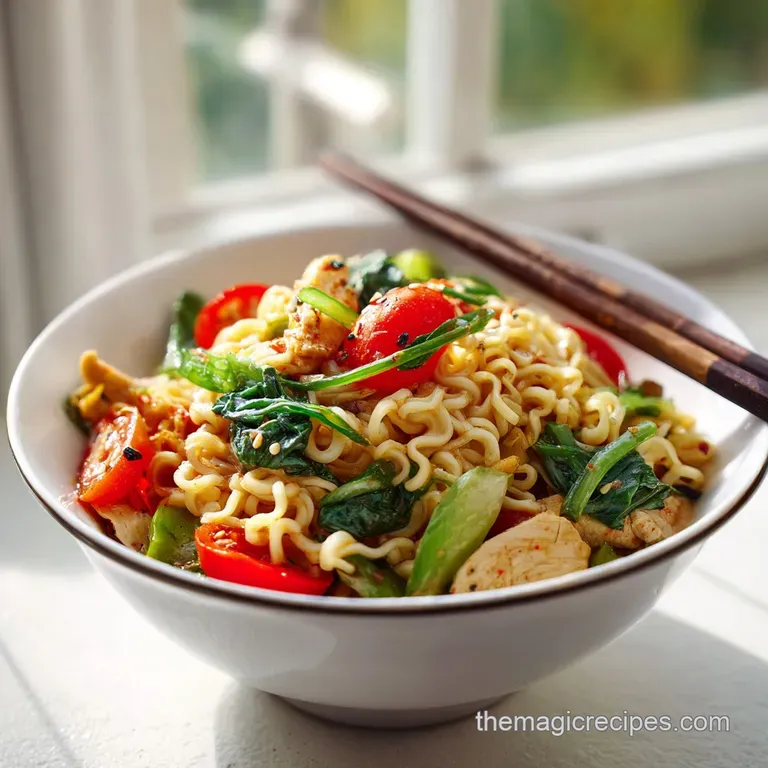
- Time: Active 10 minutes, Passive 10 minutes, Total 20 minutes
- Flavor/Texture Hook: Silky velveted chicken with snappy, glazed noodles
- Perfect for: Busy weeknights when you need a healthy, kid friendly meal
- The Ultimate Quick Weeknight Chicken Ramen Stir Fry
- Fast vs Classic Method Comparison
- Essential Ingredients and Healthy Substitutes
- Recommended Gear for Best Results
- Easy Step-by-Step Cooking Instructions
- Troubleshooting Common Stir Fry Issues
- Flavor Variations and Spicy Additions
- Freezing and Reheating Storage Guide
- Creative Serving Ideas and Pairings
- Myth: You Need a High BTU Burner
- Myth: Ramen is Junk Food
- High in Sodium ⚠️
- Recipe FAQs
- 📝 Recipe Card
The Ultimate Quick Weeknight Chicken Ramen Stir Fry
Picture this: you've just walked through the door after a long shift, and the fridge looks like a graveyard of half used vegetables. Then you hear it - that distinct, high pitched sizzle as thin strips of chicken hit a hot pan.
Within seconds, the sharp, punchy aroma of freshly grated ginger and minced garlic fills the kitchen, waking up your senses and promising something much better than a bowl of plain cereal.
I used to think ramen was just a salty packet of dust and dried noodles, a relic of my broke college years. That changed when I realized those wavy noodles are actually the perfect vehicle for a glossy, honey soy glaze.
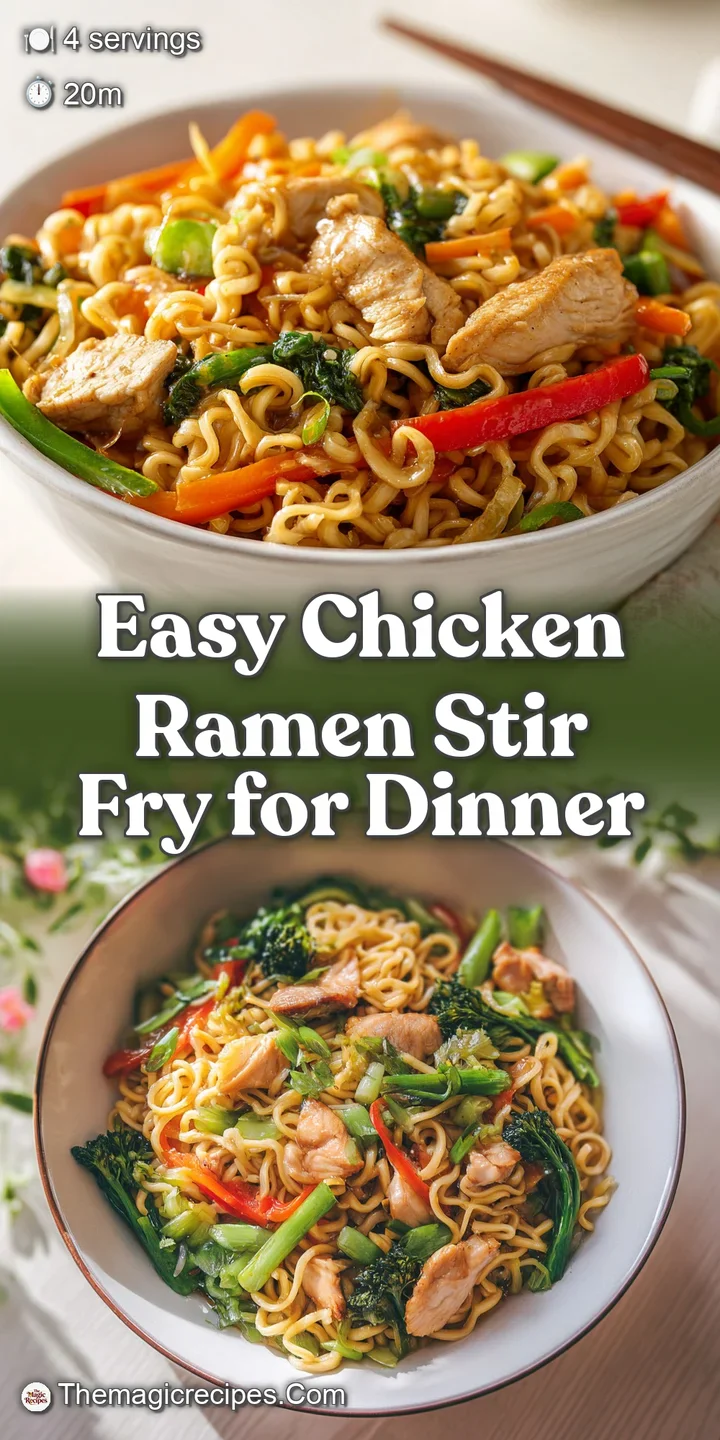
This Chicken Ramen Stir Fry isn't about the seasoning packet; it's about the contrast between the tender, "velveted" chicken and the crunch of julienned carrots and bright broccoli.
We're going to use a few pro tricks to make sure this doesn't turn into a soggy mess. I've ruined enough pans of noodles to know that timing is everything. If you follow this flow, you'll have a plate that looks like a restaurant quality meal but costs a fraction of the price.
Trust me, once you master the sauce to noodle ratio, you'll never look back at those little silver packets again.
Fast vs Classic Method Comparison
The Science of the Velvet: Coating the chicken in cornstarch and soy sauce creates a protective barrier that prevents the proteins from tightening up and becoming rubbery under high heat. This "velveting" technique ensures the meat stays slippery and tender even in a searing hot wok.
| Method | Cook Time | Texture Profile | Best For |
|---|---|---|---|
| Instant Ramen (Fast) | 10 minutes | Soft, wavy noodles that soak up sauce quickly | Hectic weeknights and pantry raids |
| Fresh Lo Mein (Classic) | 15 minutes | Chewy, dense noodles with a substantial bite | Slow weekend cooking or dinner parties |
| Rice Noodles (gluten-free) | 12 minutes | Light, slippery noodles that stay firm | A lighter, brighter flavor profile |
The secret to making this work is all in the prep. Stir frying is a high speed game. You cannot be chopping carrots while the garlic is already burning in the pan. I call it "the stir fry sprint." You spend ten minutes getting everything lined up like little soldiers, and then the actual cooking happens in a flash. If you want to explore more over high heat techniques, you might also like the approach in this Teriyaki Chicken Stir recipe.
Essential Ingredients and Healthy Substitutes
Component Analysis
| Ingredient | Science Role | Pro Secret |
|---|---|---|
| Cornstarch | Acts as an insulator for the chicken protein | Whisk it into the marinade to prevent clumps later |
| Honey | Provides the sugars needed for the Maillard reaction | Use it to thicken the sauce without excess flour |
| Rice Vinegar | Cuts through the heavy salt of the soy sauce | Add a tiny splash at the very end for brightness |
Choosing the right components makes the difference between a "good" meal and one your family asks for every Tuesday. I always opt for low sodium soy sauce because it gives you total control over the seasoning. If you use the full salt version, the final dish can sometimes feel like a salt lick.
- 1 lb chicken breast: Sliced thin. Why this? Lean protein that cooks in under 4 minutes. (Sub: Firm tofu or shrimp)
- 6 oz instant ramen noodles: Discard those packets! Why this? They cook in 2 minutes flat. (Sub: Udon or spaghetti)
- 3 tbsp low sodium soy sauce: The salty base. Why this? Umami depth without the bloat. (Sub: Tamari for gluten-free)
- 1 tbsp dark soy sauce: Mostly for that rich, mahogany color. Why this? It makes the noodles look restaurant grade. (Sub: Extra regular soy + pinch of brown sugar)
- 1 tbsp honey: For balance. Why this? It helps the sauce cling to the noodles. (Sub: Maple syrup or agave)
- 2 cups broccoli florets: The crunch factor. Why this? The heads soak up the sauce like sponges. (Sub: Snap peas)
- 1 large carrot: Julianned. Why this? Adds natural sweetness and a pop of color. (Sub: Red cabbage)
Chef's Tip: Freeze your chicken for 15 minutes before slicing. It firms up the meat just enough so you can get those paper thin strips that cook instantly and stay velvety.
Recommended Gear for Best Results
You don't need a fancy wok to make a great Chicken Ramen Stir Fry, though a well seasoned carbon steel one is a joy to use. A large, heavy bottomed stainless steel or cast iron skillet works perfectly fine. The goal is surface area.
If the pan is too small, your vegetables will steam in their own juices instead of searing, and nobody wants limp, gray broccoli.
A good box grater or a microplane is also essential for the ginger and garlic. Don't bother with the bottled stuff; the flavor of fresh ginger is so much more vibrant. If you're looking for more ways to use a solid skillet, check out these Chicken Breast Recipes for some great searing techniques.
- Large Skillet or Wok: Must be at least 12 inches to prevent overcrowding.
- Small Mixing Bowls: One for the marinade, one for the sauce.
- A Sharp Chef's Knife: For those thin, even vegetable slices.
- Tongs: Much better than a spatula for tossing wavy ramen noodles.
Easy step-by-step Cooking Instructions
1. Prep the "Velvet" Chicken
In a medium bowl, toss your 1 lb of sliced chicken breast with 1 tbsp soy sauce, 1 tsp cornstarch, and 0.5 tsp ground white pepper. Let this sit for 10 minutes. Note: This creates a silky coating that protects the meat from the harsh heat.
2. Whisk the Sauce
Combine 3 tbsp low sodium soy sauce, 1 tbsp dark soy sauce, 1 tbsp honey, 1 tbsp rice vinegar, 1 tsp grated ginger, 2 cloves minced garlic, and 1 tsp toasted sesame oil. Give it a good whisk until the honey is fully incorporated.
3. The 2 Minute Noodle Par Boil
Boil your 6 oz of ramen noodles for exactly 1 minute less than the package instructions. Cook until they are still slightly firm (al dente). They will finish cooking in the pan later. Drain and rinse with cold water to stop the cooking.
4. Sear the Protein
Heat 1 tbsp neutral oil in your pan over high heat until it just starts to shimmer. Add the chicken in a single layer. Cook for 3 minutes until golden brown and no longer pink. Remove the chicken from the pan and set aside so it doesn't overcook.
5. over High heat Vegetable Toss
In the same pan, add the 2 cups broccoli, julienned carrot, and sliced red pepper. If the pan is dry, add a tiny splash of water. Stir fry for 3-4 minutes until vegetables are bright and crisp tender.
6. The Noodle Integration
Add the par boiled noodles into the pan with the vegetables. Use your tongs to pull them apart and mix them with the greens.
7. The Finishing Emulsification
Pour the prepared sauce over the noodles and vegetables. Return the cooked chicken to the pan. Toss constantly for 2 minutes until the sauce bubbles and thickens, coating everything in a glossy sheen.
8. Final Garnish
Turn off the heat and toss in the sliced green onions. The residual heat will soften them just enough without losing their bite.
Troubleshooting Common Stir Fry Issues
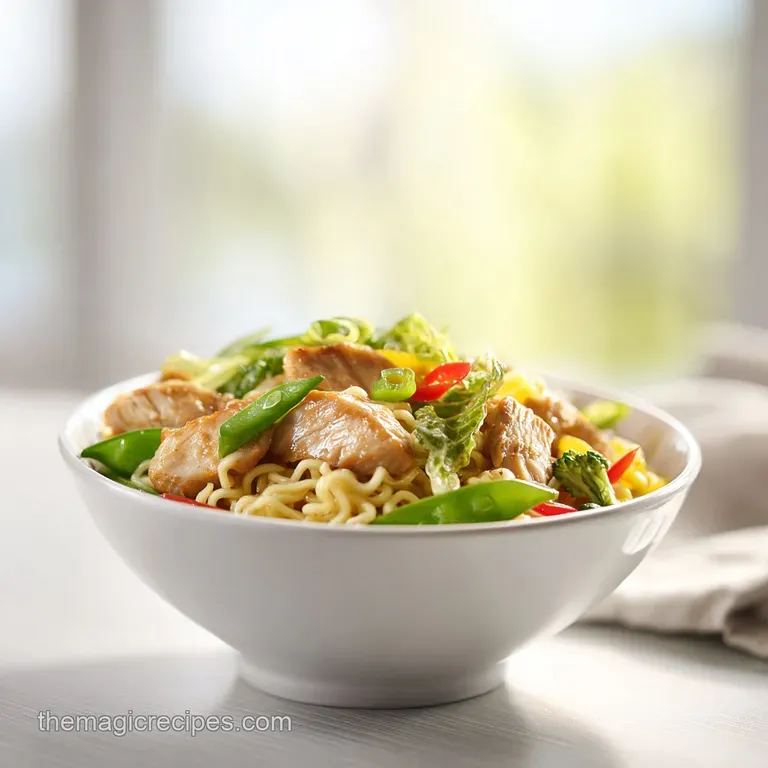
Why Your Noodles Get Mushy
The most common mistake with a Ramen Stir Fry is overboiling the noodles at the start. Instant ramen is designed to cook in a flash. If you boil them to completion and then toss them in a hot pan with sauce, they will turn into a starchy paste. Always undercook them by at least 60 seconds.
| Problem | Root Cause | Solution |
|---|---|---|
| Soggy Vegetables | Overcrowding the pan | Cook in batches or use a larger skillet |
| Dry Stir Fry | Noodles soaked up all the liquid | Add 2 tbsp of water or chicken broth to loosen |
| Bland Flavor | Using too much water in the pan | Ensure the sauce is whisked well and added at the end |
Common Mistakes Checklist
- ✓ Don't skip the cornstarch; it's the secret to that "velvet" restaurant texture.
- ✓ Ensure the pan is screaming hot before adding the oil and chicken.
- ✓ Pat the vegetables dry after washing; excess water causes steaming, not searing.
- ✓ Discard the ramen seasoning packets to keep the sodium levels healthy.
- ✓ Have all ingredients chopped and ready before you turn on the stove.
Flavor Variations and Spicy Additions
If you want a Szechuan chicken ramen stir fry vibe, add 1 tsp of chili crisp or a half teaspoon of crushed red pepper flakes to the sauce. The honey in this recipe provides a lovely counterpoint to the heat.
For those who love a bit of crunch, topping the final dish with crushed peanuts or toasted cashews adds a completely different dimension.
- If you want it creamier
- Add a tablespoon of peanut butter to the sauce.
- If you want it spicier
- Whisk in 1 tsp of Sriracha or Gochujang.
- If you want it lighter
- Double the broccoli and halve the noodles.
If you find yourself with extra chicken and vegetables but no noodles, you can easily repurpose the leftovers. I've actually used the stir fried chicken from this recipe inside a Chicken Avocado Wrap recipe for lunch the next day. It sounds strange, but the ginger soy flavor works surprisingly well with creamy avocado.
Freezing and Reheating Storage Guide
Storage: This dish keeps beautifully in the fridge for up to 3 days. Store it in an airtight glass container. The noodles will actually continue to absorb the sauce, making them even more flavorful the next day, though they will lose some of their "bounce."
Freezing: While you can freeze this for up to 2 months, I generally don't recommend it. Ramen noodles tend to lose their structural integrity when thawed and can become quite soft. If you must freeze it, undercook the vegetables significantly so they don't turn to mush upon reheating.
Reheating: Avoid the microwave if you can. Instead, toss the leftovers into a hot skillet with a tiny splash of water or broth. This helps "unstick" the noodles and revives the glossy texture of the sauce. It only takes about 3 minutes to bring it back to life.
Zero Waste Tip: Don't throw away those broccoli stalks! Peel off the woody outer layer, slice the tender inner core into matchsticks, and throw them in with the carrots. They have a lovely, mild sweetness that most people miss out on.
Creative Serving Ideas and Pairings
This Chicken Ramen Stir Fry is a complete meal on its own, but if you're feeding a crowd, it's fun to serve it family style in the middle of the table. I love putting out small bowls of "add ins" like lime wedges, extra cilantro, and toasted sesame seeds so everyone can customize their own plate.
If you're looking to round out a larger Asian inspired spread, consider serving this alongside a simple smashed cucumber salad or some steamed edamame with sea salt. For more inspiration on protein focused meals, you can always browse our collection of Chicken Breast Recipes to find the perfect side or alternative main.
Quick Finishing Touches: A squeeze of fresh lime juice right before eating. A drizzle of extra toasted sesame oil. A handful of fresh cilantro for a herbal lift. A sprinkle of furikake or toasted sesame seeds for crunch.
Myth: You Need a High BTU Burner
Many people believe you can't get "wok hei" (the breath of the wok) on a standard home stove. While you won't get that specific charred flavor from a 100,000 BTU burner, you can achieve incredible results by letting your heavy skillet get very hot before adding the oil.
The key is patience and not moving the meat too much in the first 60 seconds.
Myth: Ramen is Junk Food
The "unhealthy" reputation of ramen comes almost entirely from the deep fried noodles and the chemical laden seasoning packets. By using just the noodles as a base and loading the dish with fresh vegetables and lean chicken, you're creating a balanced, fiber rich meal. It's all about what you add to the bowl.
High in Sodium ⚠️
945 mg mg of sodium per serving (41% % of daily value)
The American Heart Association recommends limiting sodium intake to no more than 2,300mg per day for most adults. Aim for even less if you have high blood pressure.
Tips to Reduce Sodium in Your Chicken Stir Fry:
-
Ditch Dark Soy Sauce-20%
Dark soy sauce is very high in sodium. Substitute with an equal amount of low-sodium soy sauce, or even a splash of balsamic vinegar for color and depth of flavor, significantly reducing sodium content.
-
Rethink the Ramen-15%
Even without the seasoning packets, instant ramen noodles contain a surprising amount of sodium. Opt for fresh or dried low-sodium noodles like soba or udon, or even zucchini noodles to cut down on sodium.
-
Adjust Sweetness-5%
Since we're reducing soy sauce, you may want to add a touch more honey or a low-sodium sweetener to balance the flavors of the sauce. Taste as you go.
-
Spice It Up!
Use fresh or dried herbs and spices to enhance the flavor of your dish without adding sodium. Consider adding black pepper, red pepper flakes, or a pinch of smoked paprika.
Recipe FAQs
Can I substitute the instant ramen noodles with fresh Lo Mein noodles?
Yes, but adjust the cooking time slightly. Fresh noodles require more time to cook through, usually about 15 minutes total compared to the 2 minute flash boil for instant noodles; ensure you rinse them well before stir frying.
How do I prevent the chicken from becoming tough or rubbery?
Use the velveting technique with cornstarch. Coating the chicken strips in cornstarch and soy sauce creates a protective barrier that seals in moisture during high heat cooking, keeping the protein tender.
How to prepare the vegetables for the best crunch in the stir fry?
Julienne hard vegetables thinly and stir fry them first over high heat. Cook carrots and broccoli for about 3-4 minutes until they are crisp tender, then remove them before cooking the chicken.
How to store leftovers and reheat without the noodles becoming mushy?
Reheat quickly in a hot skillet with a splash of water or broth. Microwaving often overcooks the noodles further; using a skillet and adding a tiny bit of liquid helps revive the sauce consistency.
Is it true that I must use a wok to achieve authentic flavor?
No, this is a common misconception. A large, heavy bottomed stainless steel or cast iron skillet works very well if you ensure it is screaming hot before adding ingredients to maximize searing contact.
What substitution works best if I need a gluten-free option for this recipe?
Substitute the ramen with rice noodles or Tamari for the soy sauce. Rice noodles absorb sauce similarly and maintain a good texture, much like the lighter noodles in our Easy Ramen Noodle Salad recipe.
How to make the final sauce glossy and ensure it clings well to the noodles?
Simmer the sauce in the pan until it reduces slightly and coats the noodles. The honey in the sauce caramelizes slightly under heat, acting as the primary adhesive that gives the final dish its signature sheen.
Chicken Ramen Stir Fry Recipe
Ingredients:
Instructions:
Nutrition Facts:
| Calories | 482 kcal |
|---|---|
| Protein | 31.4 g |
| Fat | 10.2 g |
| Carbs | 64.8 g |
| Fiber | 4.6 g |
| Sugar | 8.1 g |
| Sodium | 945 mg |
