Mahogany Beef Tenderloin for Christmas Eve Dinner
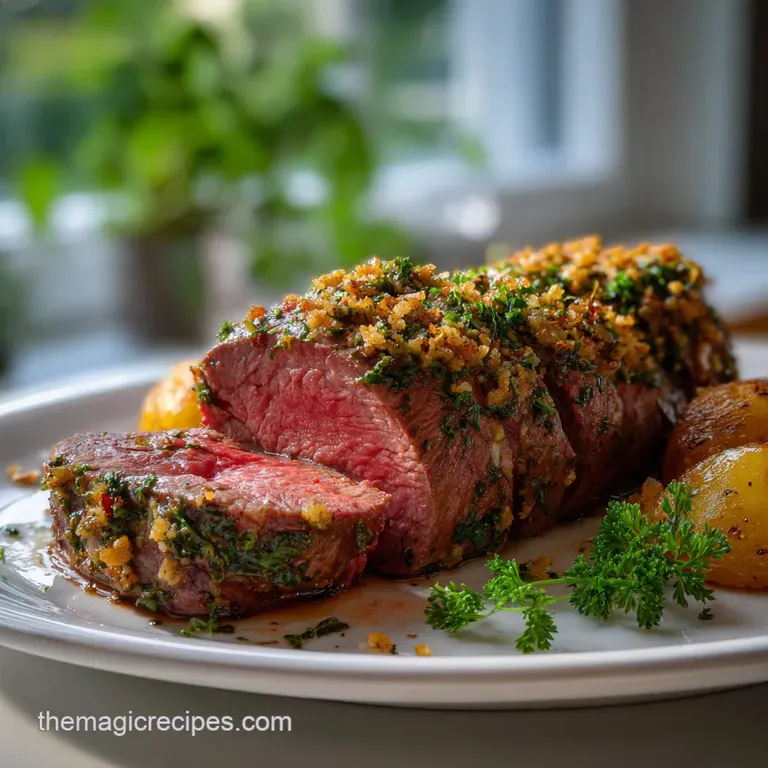
- Time: Active 15 minutes, Passive 35 minutes, Total 50 minutes
- Flavor/Texture Hook: Shatter-crisp herb crust with a silky, wine-rich finish.
- Perfect for: A high-impact, low-stress family christmas eve dinner.
- Reliable Strategies for a Christmas Eve Dinner
- Essential Specs for Holiday Planning
- Budget-Smart Elements for Festive Success
- Minimalist Tools for the Kitchen
- The Science of Why it Works
- Step-by-Step Execution for Dinner
- Solving Common Culinary Challenges
- Clever Adaptations for Guest Needs
- Storage and Zero Waste Management
- Flavorful Pairings for the Meal
- Expert Answers to Common Questions
- Common Questions
- 📝 Recipe Card
Reliable Strategies for a Christmas Eve Dinner
Look, I get it. The kitchen is a battlefield on December 24th, with kids vibrating with energy and a tree shedding needles everywhere. You need a main course that works hard so you don't have to, providing that high end steakhouse experience without the triple digit bill or the four hour prep time.
This method focuses on efficiency and thermal control to ensure you never overcook an expensive cut of meat while keeping your stress levels at a functional minimum for your christmas eve dinner.
The aroma of searing rosemary and garlic hitting a hot Lodge Cast Iron skillet is the ultimate sensory trigger that dinner is under control. We aren't doing complicated foams or twenty step marinades here.
We are leaning into high-quality protein and simple, aggressive seasoning to create a christmas eve dinner that feels like a triumph but fits into a busy parent’s schedule.
By utilizing a hard sear followed by a gentle oven finish, we minimize moisture loss and maximize flavor development through the Maillard reaction. This is about working smarter, using technical checkpoints instead of guesswork.
Trust me, once you see that crust form, you'll know this is the only way to handle a festive roast for christmas eve dinner.
Essential Specs for Holiday Planning
Success in the kitchen is 90% preparation and 10% execution. These specs provide the hard data you need to ensure your christmas eve dinner hits the table exactly when your guests are ready.
| Metric | Measurement/Value |
|---|---|
| Yield | 8 standard servings |
| Active Labor | 15 minutes |
| Oven Temperature | 425°F (218°C) |
| Pull Temperature | 125°F for Medium Rare |
| Resting Time | 15 minutes (Critical) |
Precision Checkpoints
- Weight Check: Ensure your 3 lbs Center cut Beef Tenderloin is uniform in thickness to prevent uneven cooking.
- Temperature Hook: Pull the meat at exactly 125°F; carryover cooking will push it to 130 135°F.
- Resting Rule: Never slice before the 15 minute mark or the internal juices will flood the board, leaving the meat dry. Making this christmas eve dinner requires patience.
Budget Smart Elements for Festive Success
Selecting the right components ensures your christmas eve dinner delivers premium results without unnecessary waste. Here is the functional breakdown of what we are using and why it matters for the final result.
- 3 lbs Center cut Beef Tenderloin: Why this? The psoas major muscle provides unmatched tenderness due to low connective tissue.
- 2 tbsp Avocado Oil: Why this? High smoke point (520°F) prevents acrid flavors during the initial over high heat sear.
- 3 tbsp Unsalted Butter: Why this? Controls sodium levels while providing milk solids for a deep brown crust.
- 1/2 cup Cabernet Sauvignon: Why this? High tannin content provides structural acidity to cut through the rich beef fat.
- 1 cup Beef Bone Broth: Why this? Contains natural gelatin which creates a velvety mouthfeel in the final reduction.
- Diamond Crystal Kosher Salt: Large flakes allow for even distribution and better osmotic penetration into the meat fibers.
- Fresh Rosemary & Thyme: Volatile oils in fresh herbs withstand heat better than dried versions, providing a piney, earthy aroma.
- Small Shallot: Adds a subtle allium sweetness that disappears into the sauce, providing depth without bulk.
Minimalist Tools for the Kitchen
You don't need a professional kitchen to execute this this recipe perfectly for your christmas eve dinner. These tools focus on heat conductivity and accuracy.
- 12 inch Lodge Cast Iron Skillet: Essential for heat retention; it prevents the temperature from dropping when the cold meat hits the pan.
- Thermapen Digital Thermometer: The only way to guarantee doneness; visual cues are secondary to internal temperature.
- Kitchen Twine: Used to tie the tenderloin into a uniform cylinder, ensuring the thin "tail" doesn't overcook before the center is ready.
- Pyrex Liquid Measuring Cup: For precise measurement of the wine and bone broth to ensure the reduction ratio is correct.
The Science of Why it Works
The Maillard reaction occurs when amino acids and reducing sugars rearrange under high heat (300°F+), creating hundreds of new flavor compounds and a mahogany crust. Tying the meat creates a uniform thermal mass, ensuring heat penetrates evenly from the outside in rather than attacking thin edges.
Mastering this technique ensures a successful christmas eve dinner.
step-by-step Execution for Dinner
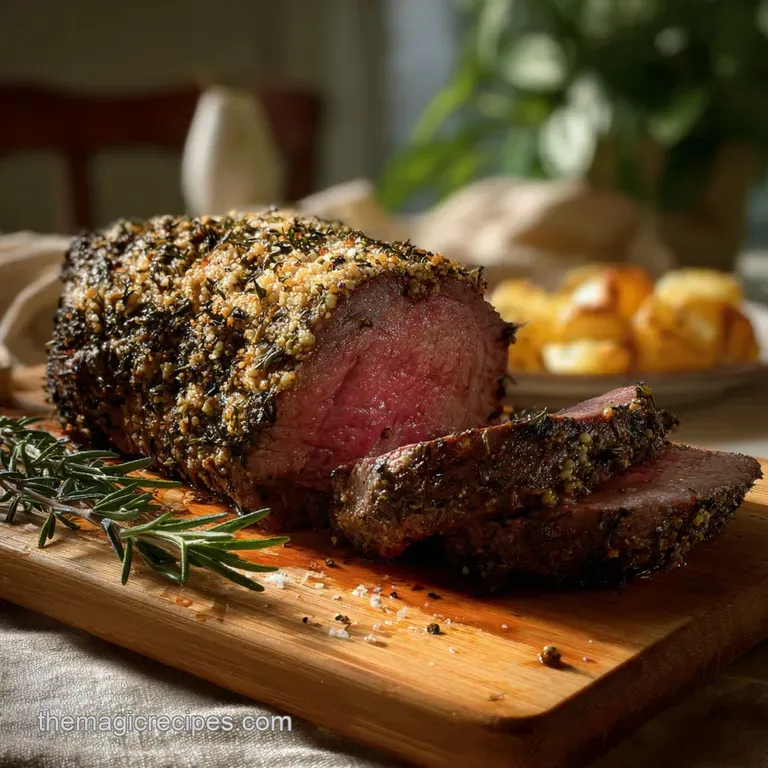
Follow these atomic steps for a flawless christmas eve dinner. Do not skip the resting phase; it is the most important part of the thermal process.
- Pat meat dry with paper towels until the surface is completely matte. Note: Moisture creates steam, which prevents the Maillard reaction from occurring.
- Tie the tenderloin at 1 inch intervals using kitchen twine until it forms a uniform cylinder. Note: Uniform shape ensures even heat distribution across the entire cut.
- Apply herb rub by massaging the salt, pepper, garlic, and chopped herbs into every crevice of the meat. Note: Salt begins to draw out moisture and then reabsorbs it, seasoning the interior.
- Heat the skillet over medium high heat with avocado oil until a light wisp of smoke appears. Note: This indicates the oil is at its optimal searing temperature.
- Sear the beef for 2 3 minutes per side until a dark, mahogany crust forms and the meat releases easily from the pan.
- Add 3 tbsp butter and baste the meat with a spoon for 1 minute until the butter foams and smells nutty.
- Transfer to oven and roast at 425°F for 20 25 minutes until the internal temperature hits exactly 125°F on a digital probe.
- Remove from pan and place on a wooden cutting board, tenting loosely with foil for 15 minutes. Note: Carryover cooking will finish the internal cook while muscle fibers relax.
- Sauté shallots in the same skillet over medium heat for 2 minutes until translucent and soft.
- Deglaze the pan with red wine, scraping the bottom until the liquid reduces by half and smells of concentrated fruit.
- Pour in broth and simmer for 5 7 minutes until the sauce coats the back of a spoon in a glossy layer.
- Whisk in cold butter off the heat until the sauce becomes velvety and opaque.
Ingredient Science Matrix
| Ingredient | Chemical/Physical Role (Science) | The Pro Secret (Why This Matters) |
|---|---|---|
| Beef Tenderloin | Myofibrillar protein structure | Requires minimal cooking to prevent tightening and juice loss. |
| Kosher Salt | Osmotic pressure regulator | Denatures surface proteins to create a tighter, more savory crust. |
| Red Wine | Acidic solvent for deglazing | Dissolves the "fond" (browned bits) to capture concentrated savory flavor. |
| Cold Butter | Emulsification stabilizer | Adding cold fat to hot liquid creates a "beurre monté" for a silky texture. |
Solving Common Culinary Challenges
Even with the best plan, things can go sideways. Understanding the "why" helps you fix the "what" for your christmas eve dinner.
Why Your Crust is Gray
If the meat doesn't brown, it's usually due to surface moisture or a cold pan. If the meat steams rather than sears, you lose the depth of flavor associated with the festive main course. This is crucial for an impressive christmas eve dinner.
| Problem | Root Cause | The Fix | Pro Protocol |
|---|---|---|---|
| Gray Surface | Excess surface moisture | Use more paper towels | Salt the meat 1 hour early and leave uncovered in the fridge. |
| Thin Sauce | Insufficient reduction | Boil longer | Mix 1 tsp cornstarch with water as a last resort thickener. |
| Tough Meat | Overcooking | Pull at 125°F | Always use a digital thermometer; never rely on time alone. |
Clever Adaptations for Guest Needs
You can tweak this christmas eve dinner to fit different budgets or dietary needs without losing the core appeal of the meal.
- Substitution Table:
| Original Ingredient | Substitute | Why It Works |
|---|---|---|
| Beef Tenderloin | Beef Eye of Round | Much cheaper. Note: Leaner and tougher; must be sliced paper thin to be palatable. |
| Red Wine | Pomegranate Juice | Provides similar acidity and tannins for a non-alcoholic version. |
| Fresh Herbs | Dried Herbes de Provence | Functional swap. Note: Use 1/3 the amount as dried herbs are more concentrated. |
Proportional Adjustments
- Scaling Up (2x)
- Do not crowd the pan. Sear in two batches to maintain heat; otherwise, the meat will boil in its own juices.
- Scaling Down (1/2)
- Reduce oven time by 20%. A smaller mass cooks significantly faster.
- The Salt Rule
- If doubling the meat, only use 1.5x the salt to prevent the reduction from becoming a salt bomb.
Storage and Zero Waste Management
Store leftovers in an airtight container for up to 3 days in the fridge. For a zero waste approach, save the beef trimmings and the wine reduction. This leftover preparation ensures nothing goes to waste from your perfect christmas eve dinner.
Zero Waste Tip: Don't throw away the fat cap if you trimmed the meat yourself. Render it down in a small saucepan to create "liquid gold" (tallow) for roasting potatoes. This works because animal fats carry fat-soluble flavor compounds that vegetable oils simply lack. This pairs perfectly with a christmas side dishes recipe for a complete holiday spread.
Flavorful Pairings for the Meal
To round out your christmas eve dinner, you need sides that provide contrast. The beef is rich and savory, so look for acidity or crunch.
- Starch: Garlic mashed potatoes provide a creamy canvas for the red wine reduction.
- Vegetable: Roasted Brussels sprouts with balsamic glaze offer a bitter sweet counterpoint to the beef.
- Drink: A Christmas Punch recipe provides a tart, fizzy palate cleanser between bites of rich tenderloin.
Chef's Tip: Freeze your butter for 10 minutes before whisking it into the sauce. The colder temperature helps the emulsion stay stable, resulting in a glossier finish that won't "break" or separate on the plate.
This small step elevates the entire christmas eve dinner experience.
Expert Answers to Common Questions
Can I prep the herb rub a day in advance?
Yes, applying the salt and herbs 24 hours early acts as a dry brine. This allows the salt to penetrate deep into the muscle fibers, seasoning the meat from the inside out and drying the exterior for a superior sear.
What if I don't have a cast iron skillet?
A heavy stainless steel pan (like All-Clad) works well. Avoid non-stick pans; they cannot handle the high heat required for a proper sear, and the coating can degrade at the temperatures needed for the Maillard reaction.
How do I know it's done without a thermometer?
While a thermometer is the only foolproof way, you can use the "finger test" against the fleshy part of your palm, but it is notoriously unreliable for expensive roasts. If you must guess, the meat should feel like the tip of your nose firm but with a slight spring.
Why did my herb butter burn in the pan?
Butter has a low smoke point due to the milk solids. Only add the butter in the final minute of searing and keep the meat moving. If it turns black, wipe the pan and start the sauce with fresh butter and shallots.
Comparison: Stovetop vs. Oven Finish
| Method | Resulting Texture | Best For |
|---|---|---|
| Stovetop Only | Uneven, dark exterior | Small steaks, not thick roasts |
| Oven Only | Even cook, no crust | Beginners who fear high heat |
| Sear & Roast | Perfect crust, juicy center | The professional standard for tenderloin destined for christmas eve dinner. |
Fact vs Fiction
- Myth: Searing "seals in" the juices.
- Truth: Searing creates flavor via the Maillard reaction. In fact, seared meat loses slightly more moisture than unseared meat, but the trade off in flavor is essential for a high-quality christmas eve dinner.
Common Questions
Can I use frozen beef tenderloin instead of fresh?
No. Thawing must be done slowly in the refrigerator to prevent cell wall damage. Rapid thawing causes ice crystals to rupture cell walls, releasing moisture that prevents a crisp sear.
Is resting the meat really necessary for this cut?
Yes, 15 minutes of resting is absolutely critical for juice redistribution. When heated, muscle fibers contract, forcing moisture toward the center; resting allows the fibers to relax and reabsorb the liquid.
- Prevents juice loss when slicing
- Allows carryover cooking to complete
- Keeps final internal temp stable
Myth: A dry brine (salting early) seasons the surface only.
Myth: A dry brine (salting early) seasons the surface only. Reality: Salt draws moisture out, then dissolves and is reabsorbed as a saline solution, seasoning the interior tissue via osmosis.
Is it better to use avocado oil or olive oil for the initial sear?
Avocado oil for its high smoke point. Olive oil has too many volatile compounds that burn below the required searing temperature, producing bitter flavors.
Myth: High heat searing seals in all the meat’s moisture.
Myth: High heat searing seals in all the meat’s moisture. Reality: Searing creates flavor via the Maillard reaction; moisture loss occurs regardless, making technique control (not sealing) the key.
Comparison: Should I use shallots or onions for the sauce reduction?
Shallots are preferred for their subtle sweetness. Onions contain higher levels of sulfurous compounds which can taste harsh when reduced into a concentrated pan sauce.
I overcooked my roast; can I still make a decent pan sauce?
Yes, but focus on balancing the residual flavor. If the meat is slightly dry, you need more gelatin in the sauce to provide textural mouthfeel; use high-quality bone broth, similar to the technique used in our Daniel Fast Recipes: Hearty Bean Veg Chili (Easy Dinner) for depth.
Christmas Eve Beef Roast
Ingredients:
Instructions:
Nutrition Facts:
| Calories | 415 kcal |
|---|---|
| Protein | 41g |
| Fat | 26g |
| Carbs | 2g |
| Fiber | 0.3g |
| Sugar | 0.6g |
| Sodium | 685mg |
