Crawfish Etouffee: Classic Louisiana Comfort
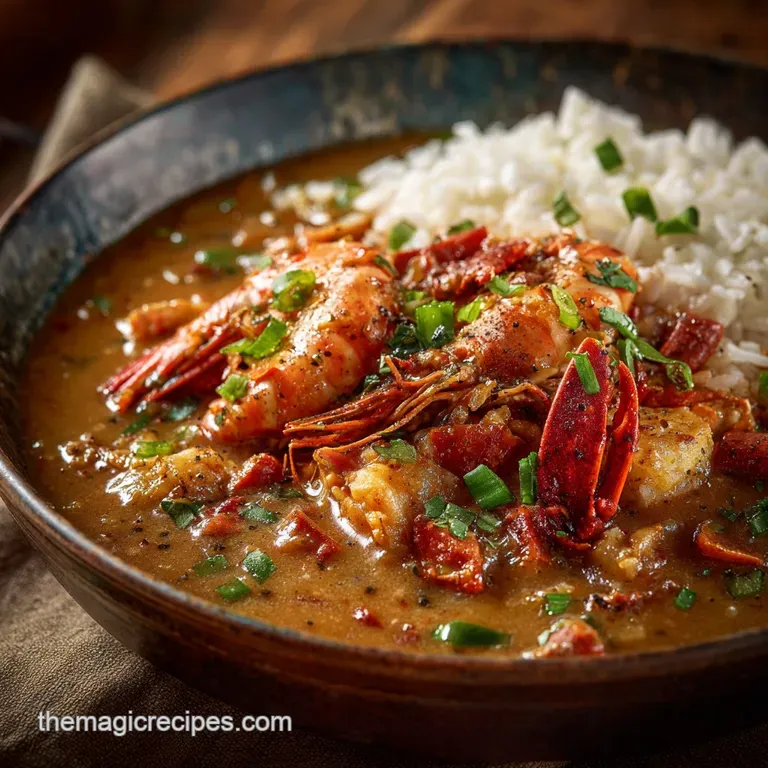
- Capturing the Authentic Cajun Spirit: The Heritage of Crawfish Étouffée
- The Science of Smothering: Why This Golden Roux Recipe Delivers Superior Flavor
- Essential Components: Gathering Ingredients for a Supreme Crawfish Étouffée
- Ingredient Notes and Smart Swaps (If Necessary)
- Detailed Prep Guide: Crafting the Foundation of the Étouffée
- The Étouffée Method: Smothering the Sauce to Perfection
- Expert Tips for Étouffée Success and Troubleshooting Common Issues
- Storing and Freezing Guidelines for Leftover Étouffée
- What to Serve Alongside Classic Crawfish Étouffée
- Recipe FAQs
- 📝 Recipe Card
Capturing the Authentic Cajun Spirit: The Heritage of Crawfish Étouffée
Close your eyes and imagine the scent that fills a kitchen when a truly classic Louisiana Crawfish Étouffée is bubbling on the stove. It’s rich, savory, slightly sweet from the crawfish, and has that deep, comforting spice warmth that hits you in the back of your throat.
This isn't just dinner; it's a hug in a bowl, a truly soulful dish built on tradition and the genius of the golden roux.
Now, I know Etouffée sounds impossibly fancy the kind of thing you only order in New Orleans. But honestly? It’s a lifesaver. Once you master the foundation (which is surprisingly simple, I promise), you can whip this up faster than most weeknight pastas, relying on easy-to-find frozen crawfish and standard pantry staples.
It’s proof that the best food doesn't need fuss, just patience and great ingredients.
We are diving deep into the secrets of the perfect sauce the smothering gravy that makes this dish famous. Forget the thin, watery versions you've had elsewhere; we are aiming for thick, rich, and intensely flavorful. Grab your wooden spoon; let's cook some Authentic Crawfish Etouffee .
The Science of Smothering: Why This Golden Roux Recipe Delivers Superior Flavor
This isn't just about mixing stuff together; it’s about layering flavor correctly. The core difference between my favorite Classic Louisiana Crawfish Etouffee and a disappointing dish comes down to three things: the color of your roux, the careful sautéing of the Holy Trinity, and the magic of that reserved crawfish fat.
Follow these principles, and you'll get that restaurant quality right in your own kitchen.
What Exactly Does 'Étouffée' Mean?
Étouffée literally means "smothered" or "to smother" in French. It describes the cooking method perfectly. We are building an incredibly rich, thick gravy that completely smothers the crawfish and the rice. It’s all about the gravy, people.
The Difference Between Cajun and Creole Styles
You'll hear arguments about this forever, but for Etouffée, the key distinction is usually tomatoes. Creole dishes (often associated with New Orleans city cooking) use tomatoes, giving the gravy a redder hue and a tangier depth.
Cajun versions (more country, swamp style) tend to focus solely on the roux and stock, resulting in a deeper brown/golden dish. I prefer adding a small, drained can of tomatoes for complexity and color a lovely compromise that offers the best of both worlds.
Achieving the Perfect 'Peanut Butter' Consistency (Roux Focus)
The roux a cooked mixture of fat and flour is the heart of this dish. You must take your time here. We want a deep, golden brown color , about the shade of creamy peanut butter.
This color is crucial because cooking the roux for 10- 15 minutes cooks out the raw flour taste, transforming it into a nutty, complex flavor that thickens the sauce beautifully. If your roux is white, your étouffée will taste like floury wallpaper paste.
I learned that the hard way.
The Magic of the Holy Trinity (Sautéing Technique)
The Holy Trinity onion, celery, and green bell pepper is the flavor engine of Louisiana cooking. We add it directly to the hot roux. Why? The residual heat immediately starts to soften and sweat these vegetables.
This process releases their aromatic oils into the roux, locking in that essential base flavor before you add any liquid.
Maximizing Flavor Depth with Crawfish Fat (The Secret Ingredient)
If you buy pre-cooked, peeled crawfish tails, they often come with a little orange liquid that's the melted fat. Do NOT throw it away! This fat is pure flavor gold. It carries the rich, oceanic taste of the crawfish and emulsifies into the sauce, giving the final product its signature depth and color.
Always save the liquid when thawing your tails.
Essential Components: Gathering Ingredients for a Supreme Crawfish Étouffée
Preparation is 90% of the battle when making easy Crawfish Etouffee . Chop everything finely and uniformly. This ensures even cooking and a smooth final texture. Here is everything you need to succeed.
Ingredient Notes and Smart Swaps (If Necessary)
Sourcing the Best Tail Meat and Fat
You need about one pound of peeled, cooked crawfish tails. Unless you live near the Gulf Coast and boil your own, frozen is the standard choice. Look for crawfish sourced from Louisiana, not imported, if possible.
As noted, reserve any orange liquid (fat) released during the thawing process it’s mandatory for deep flavor.
| Component | Standard Ingredient | Viable Substitute |
|---|---|---|
| Crawfish Tails | 1 lb thawed, peeled tails | 1 lb large shrimp (add earlier, they cook faster) |
| Butter | Unsalted Butter (for the roux) | Neutral oil (canola, vegetable) or non-dairy butter spread |
| Stock | Seafood or Crawfish Stock | Low-sodium Chicken Stock (less oceanic flavor, but works) |
| Green Bell Pepper | Fresh, diced | ¼ tsp green bell pepper flakes or diced sweet red pepper |
Breaking Down the 'Holy Trinity' Proportions
The standard ratio is roughly 1 part celery, 1 part bell pepper, and 2 parts onion. A generous amount of finely diced onion is non-negotiable; it breaks down and adds body to the sauce.
Pantry Staples: Stock, Seasonings, and Thickening Agents
A good Cajun or Creole seasoning blend (like Tony Chachere’s or Slap Ya Mama) provides the foundation. You still need dried thyme, salt, and pepper to layer complexity. Stock is vital for hydration and flavor; if you can’t find seafood stock, chicken stock is a decent second, but you’ll miss that coastal punch.
Clarifying the Role of the Liquid Base (Stock vs. Water)
Never use just water. The stock is what rehydrates the roux and turns it into a luxurious gravy. If you use water, you're diluting every bit of hard work you put into cooking the roux.
Recommended Spicy Pepper Choices (Cayenne vs. Hot Sauce)
I prefer using a dash of classic Louisiana style hot sauce (Tabasco or Crystal) and a pinch of cayenne pepper in the seasoning blend. This gives you complexity vinegar tang from the sauce, and clean heat from the cayenne. Start slow; you can always add more heat later.
Working with Frozen Crawfish Tails
Thaw them slowly in the refrigerator overnight. Put the crawfish in a colander over a bowl to catch all that precious orange liquid. Do not rinse the tails. They are already cooked, seasoned, and ready to go.
Detailed Prep Guide: Crafting the Foundation of the Étouffée
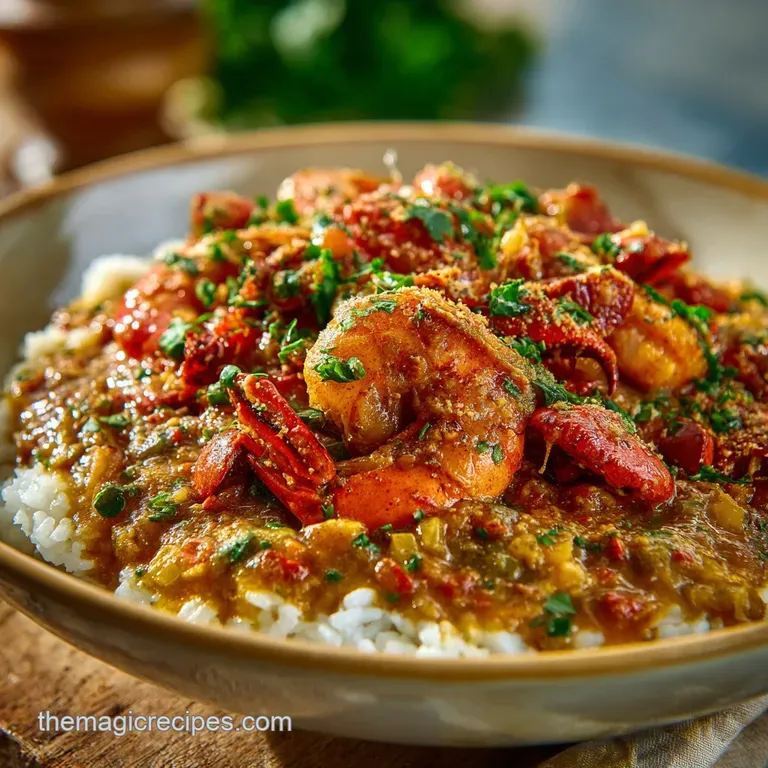
- Chop Everything: Dice your onion, celery, and bell pepper (the Trinity) into small, uniform pieces smaller than a pea is ideal. Mince your garlic finely. This is your insurance policy against a last minute panic.
- Measure and Stage: Measure out your flour, stock, and seasonings. Keep the stock warm or at least room temperature. Adding cold stock to a hot roux can cause it to seize up (a mistake I definitely made my first time).
- Prep the Star: Ensure your crawfish tails are thawed and patted lightly dry. Keep them chilled until the very last step.
The Étouffée Method: Smothering the Sauce to Perfection
This is the process of transforming simple ingredients into deep, multi layered Louisiana gold. Remember the goal: Easy Crawfish Etouffee recipe.
Step 1: Preparing the Aromatic Vegetables (Mise en Place)
Have your ingredients ready. Heat your heavy bottomed pot or Dutch oven over medium heat. This pot is essential because it holds heat evenly and prevents scorching.
Step 2: Mastering the Golden Roux (Low and Slow Technique)
Melt the butter over medium heat. Once it stops sizzling, whisk in the flour until completely smooth. Reduce the heat to medium low. Whisk constantly. This is your 10 15 minute commitment period. Stir until the mixture transitions from pale yellow to a warm, nutty, peanut butter brown .
As soon as it hits the color you want, move immediately to Step 3.
Chef's Note: If you smell burnt toast, or see black specks forming, it's scorched. Dump it, clean the pot, and start over. A burned roux will ruin the entire dish.
Step 3: Sweating the Holy Trinity and Building the Gravy Base
Add the diced onion, celery, and bell pepper to the hot roux. Stir well to coat everything. Cook for 5– 7 minutes, stirring until the vegetables soften and become transparent, especially the onion.
Next, stir in the minced garlic, Cajun seasoning, and dried thyme, cooking just for 1 minute until you smell that glorious fragrance.
Step 4: Incorporating Stock and Achieving the Ideal Consistency
Slowly pour in the warm seafood stock (and any reserved crawfish liquid). Whisk aggressively but carefully until the roux and liquid are fully combined and the sauce is perfectly smooth. Add the drained tomatoes (if using), Worcestershire sauce, hot sauce, and bay leaf.
Bring the pot to a simmer, then reduce the heat to low. Let it simmer uncovered for 20- 25 minutes . This slow simmer is essential for the flavors to marry and the gravy to thicken wonderfully.
Step 5: The Final Fold Adding Crawfish Tail Meat and Finishing Seasonings
Remove the bay leaf. Taste the sauce, adjusting salt and pepper now that it has reduced slightly. The sauce should be incredibly flavorful. Gently fold in the peeled crawfish tails. Heat them through for no more than 2 minutes .
Overcooking the tails guarantees rubbery texture, and nobody wants that. Remove the pot from the heat and let the Etouffée rest for a few minutes. Stir in some fresh green onions and parsley before serving.
Expert Tips for Étouffée Success and Troubleshooting Common Issues
How to Fix a Broken or Too-Dark Roux
If your roux separates or looks oily, try whisking in a small amount of warm stock very quickly. If you slightly over darkened the roux (beyond peanut butter but short of black), add the cold Trinity immediately to stop the cooking. If it's outright burned, you must start again.
It’s a tragedy, but the flavor is too bitter to save.
Adjusting Consistency: Thinning vs. Thickening the Sauce
If your sauce is too thick after simmering, stir in a splash more warm stock until the desired consistency is reached (it should coat the back of a spoon). If it's too thin, you have two options:
- Simmer longer, uncovered, to reduce the liquid.
- Mix 1 tablespoon of cornstarch with 2 tablespoons of cold water (a slurry) and whisk it into the simmering sauce gradually until thickened.
Storing and Freezing Guidelines for Leftover Étouffée
Safe Refrigeration and Reheating Practices
Leftover étouffée keeps beautifully in an airtight container in the fridge for up to 3 days. To reheat, the best way is gently on the stovetop over medium low heat, stirring occasionally. If it has thickened too much overnight, add a splash of stock or water to loosen it up.
Can You Freeze Crawfish Étouffée Without Loss of Texture?
Yes, absolutely! Crawfish Etouffee freezes well because it is built on a thick, fat-based roux, which resists separating. Cool the étouffée completely, transfer it to freezer safe containers, and freeze for up to 3 months.
When reheating from frozen, thaw it overnight in the fridge first, then reheat slowly on the stove. The crawfish might be slightly softer after freezing, but the sauce flavor remains fantastic.
What to Serve Alongside Classic Crawfish Étouffée
This rich gravy needs a simple, clean counterbalance. Don't overthink the sides; the Etouffée is the star of the show.
The Essential Accompaniment: Perfectly Cooked White Rice
Fluffy white rice is non-negotiable. It’s not just a side; it's the base that soaks up all that glorious sauce. Use long grain or converted rice for separation and structure.
Recommended Sides (Bread and Greens)
A crisp green salad dressed simply with oil and vinegar cuts through the richness beautifully. And please, for the love of all that is holy, have some crusty French bread or a baguette handy. You need that bread to mop up every drop of the savory gravy left on your plate. You just do.
Recipe FAQs
Why did my étouffée turn out pale and thin?
The roux likely did not cook long enough to develop depth, or the sauce base needed more time to reduce. Ensure the roux reaches a deep golden, peanut butter color before adding the vegetables, and simmer the final dish uncovered for at least 30 minutes to allow the sauce to thicken naturally and concentrate the flavors.
Can I use shrimp or other seafood instead of crawfish?
Absolutely. While crawfish offers a unique sweetness, shrimp is the most common and delicious substitute. If using shrimp, add them toward the very end of cooking about 3 to 5 minutes as they cook quickly and can become tough if overcooked in the sauce.
How do I adjust the heat level if I prefer a milder étouffée?
The primary source of heat usually comes from the cayenne pepper and any added hot sauce. To reduce the spice, halve the amount of cayenne listed, and omit the hot sauce entirely from the recipe. You can also slightly increase the sweetness by using red bell peppers instead of green ones in the Holy Trinity.
Should I use fresh or frozen crawfish tails?
Frozen, peeled crawfish tails are generally the most accessible and effective choice for quality outside of Louisiana. If using frozen, ensure they are thawed thoroughly and patted dry before adding them to the sauce.
This step prevents excessive water dilution, which could thin out your carefully constructed étouffée base.
What exactly is the "Holy Trinity" of vegetables?
The Holy Trinity is the aromatic foundation of Cajun and Creole cuisine, consisting of equal parts chopped onion, celery, and bell pepper. While the combination is classic, if you must substitute, ensure the ratios remain consistent as they provide the crucial flavor base upon which the entire dish is built.
Can Crawfish Étouffée be frozen for meal preparation?
Yes, Étouffée freezes exceptionally well, making it a wonderful meal prep option. Store cooled portions in airtight containers, leaving about half an inch of headspace for expansion.
Thaw overnight in the refrigerator and reheat gently on the stovetop, adding a splash of stock or water if the sauce appears too thick.
How far in advance can I prepare the étouffée base?
You can certainly prepare the roux and the entire vegetable base (the smothered Trinity sauce) up to two days in advance. Store the cooled sauce base covered in the refrigerator, but crucially, do not add the crawfish until just before the final serving.
Reheat the base and gently fold in the crawfish tails during the last five minutes of cooking.
Classic Crawfish Etouffee Recipe
Ingredients:
Instructions:
Nutrition Facts:
| Calories | 800 kcal |
|---|---|
| Protein | 23.3 g |
| Fat | 34.1 g |
| Carbs | 78.0 g |
