Coconut Lime Rice: Velvety and Aromatic
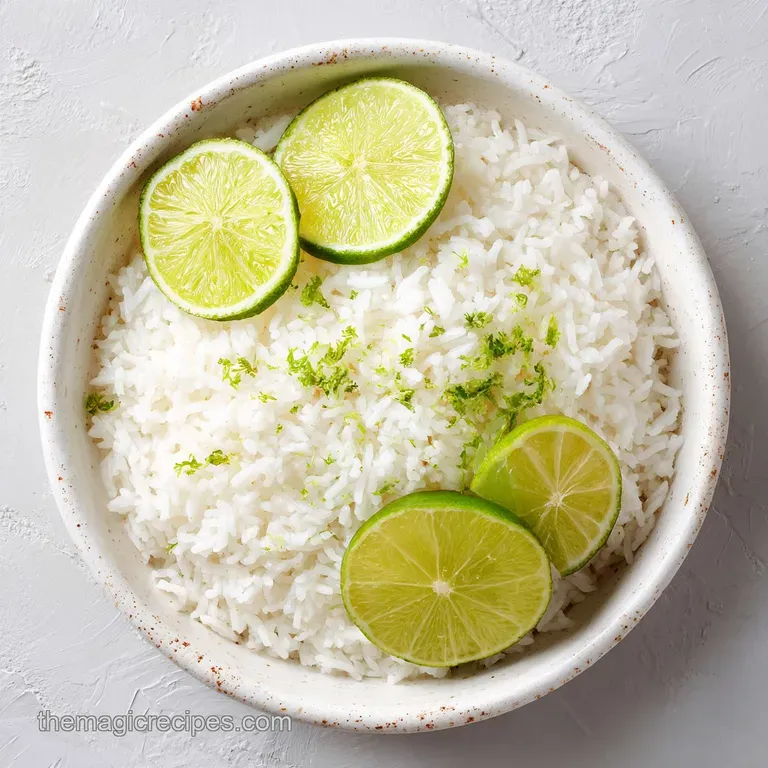
- Time: Active 5 minutes, Passive 20 minutes, Total 25 minutes
- Flavor/Texture Hook: Velvety, citrus bright, and aromatic
- Perfect for: Quick weeknight dinners or meal prep basics
- The Physics of Fluff for Perfect Coconut Lime Rice
- Scientifically Proven Methods for Fluffy Grains
- Component Analysis and Ingredient Roles
- Selecting Your Elements and Substitutes
- Minimalist Kitchen Tools for Stress Free Cooking
- The Three Phase Method for Fluffy Separated Grains
- Common Pitfalls and Professional Troubleshooting for Rice
- Simple Variations for Every Dietary Need
- Debunking Traditional Rice Beliefs
- Smart Storage Solutions and Zero Waste Kitchen Strategies
- Complementary Pairings for a Complete Family Style Dinner
- Recipe FAQs
- 📝 Recipe Card
The Physics of Fluff for Perfect Coconut Lime Rice
I used to think making restaurant quality rice at home required some secret machine or a family heirloom pot, but it really just comes down to a few basic physics principles. The first time I tried making a coconut based rice, I ended up with a gummy, scorched disaster because I didn't understand how the fat in the milk changed the boiling point.
It was a mess, and honestly, the pan took three days to soak.
We've all been there, staring at a pot of mushy grains wondering where it went wrong. This Coconut Lime Rice is the solution for those Tuesday nights when you want something that feels special but you only have about five minutes of actual energy to give.
The house smells like a vacation the second that lime zest hits the warm grains, and it’s become my absolute favorite base for everything from grilled shrimp to simple black beans.
The secret to keeping these grains separated and fluffy instead of sticky is all about the "fat coating" method. By quickly tossing the rice in coconut oil before adding the liquids, we create a barrier that keeps the starch from blooming too early.
It's a small step that makes a massive difference in the final texture, turning a standard side into something that feels like it came from a professional kitchen.
Scientifically Proven Methods for Fluffy Grains
- Amylose Stabilization: Rinsing the rice removes surface starch (amylopectin), which is the primary culprit behind sticky, clumped grains that ruin the texture.
- Lipid Barrier: Coating the rice in coconut oil before simmering prevents the grains from fusing together as the starch gelatinizes during the cooking process.
- over Low heat Emulsification: Using a mix of water and coconut milk ensures the fat doesn't separate, creating a velvety mouthfeel without making the rice heavy or oily.
- Vapor Pressure Control: Letting the rice rest off the heat allows the internal steam to redistribute, finishing the cook without the risk of burning the bottom of the pot.
| Method | Time | Texture | Best For |
|---|---|---|---|
| Stovetop | 25 minutes | Fluffy & Separated | Daily weeknight dinners |
| Rice Cooker | 30 minutes | Very Consistent | Set it and forget it meal prep |
| Instant Pot | 15 minutes | Slightly Denser | High speed cooking for busy nights |
Choosing the right method depends on your schedule, but the stovetop version gives you the most control over the "toasting" phase. If you're looking for a more traditional base to compare this to, my Jasmine Rice recipe shows the fundamental differences when you omit the tropical fats and acids.
Component Analysis and Ingredient Roles
| Ingredient | Science Role | Pro Secret |
|---|---|---|
| Basmati Rice | Long grain structure | Aged rice has less moisture and stays firmer after cooking |
| Canned Coconut Milk | Fat and emulsion | Always use full fat for that specific velvety mouthfeel |
| Lime Zest/Juice | Acid balance | Add the juice at the very end to keep the bright notes from dulling |
This combination of ingredients creates a balance of rich fats and sharp acidity. For another tropical vibe, this rice works beautifully alongside a fresh Poke Receta recipe. The contrast between the warm, creamy rice and cold, marinated fish is something you'll want to repeat every week.
Selecting Your Elements and Substitutes
To get the best results for this Coconut Lime Rice, we use specific measurements that balance hydration and flavor.
- 1.5 cups (300g) Basmati or Jasmine rice: Why this? These long grains provide the fluffiest texture without clumping.
- 13.5 oz (400ml) full fat canned coconut milk: Why this? Provides the essential fat content for a rich, creamy finish.
- 1 cup (240ml) water: Why this? Thins the coconut milk to ensure the rice cooks through properly.
- 1 tsp (5g) fine sea salt: Why this? Sharpens all the other flavors without making it "salty."
- 1 tbsp (15g) coconut oil: Why this? Used for toasting to reinforce the coconut aroma.
- 2 fresh limes (zested and juiced): Why this? Provides the "high notes" that cut through the heavy coconut fat.
- 0.25 cup (4g) fresh cilantro, minced: Why this? Adds an earthy, peppery finish for visual and flavor contrast.
| Original Ingredient | Substitute | Why It Works |
|---|---|---|
| Basmati Rice | Brown Rice | Nutty flavor, but requires 15 more minutes and more liquid |
| Coconut Oil | Neutral Oil | Same fat barrier effect but lacks the extra coconut aroma |
| Cilantro | Fresh Mint | Provides a cooling, bright alternative for those who dislike cilantro |
Minimalist Kitchen Tools for Stress Free Cooking
You don't need a high tech kitchen to pull this off. A simple heavy bottomed saucepan is your best friend here because it distributes heat evenly, preventing the coconut milk from scorching at the bottom. I recommend a 2 or 3 quart pot for 4 servings.
A fine mesh sieve is also non negotiable for rinsing the rice. If you don't have one, you can use the bowl and tilt method, but the sieve is much faster and more thorough at removing that excess starch. Finally,, a microplane or fine grater is essential for the lime zest.
You want tiny bits of zest that melt into the rice, not large, bitter chunks of peel.
Chef's Tip: Always zest your limes before juicing them. It's nearly impossible to zest a squishy, juiced lime half without nicking your knuckles.
The Three Phase Method for Fluffy Separated Grains
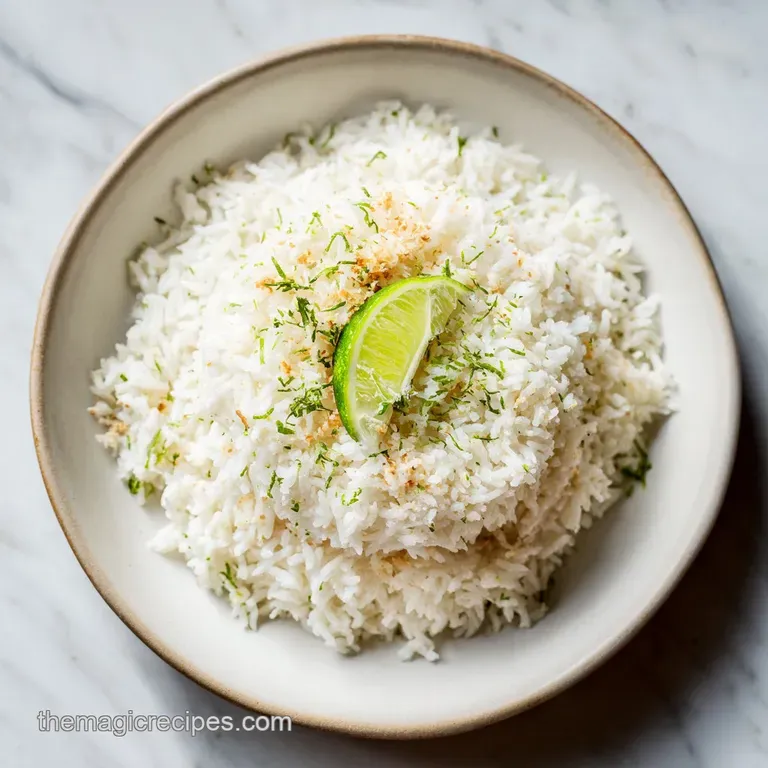
Phase 1: The Starch Prep and Toast
- Rinse the rice. Place 1.5 cups of rice in a fine mesh sieve and run cold water over it until the water runs clear. Note: This prevents the grains from sticking together later.
- Heat the fat. Melt 1 tbsp coconut oil in your saucepan over medium heat until it shimmers slightly.
- Toast the grains. Add the rinsed rice to the hot oil and stir for 2 minutes until the edges look translucent. Note: This adds a nutty depth and seals the grain.
Phase 2: The Gentle Simmer
- Add liquids. Pour in 13.5 oz coconut milk, 1 cup water, and 1 tsp sea salt.
- Boil then drop. Bring the mixture to a boil, then immediately reduce the heat to the lowest setting.
- Cover tightly. Put the lid on and simmer for 15-18 minutes until the liquid is fully absorbed. Note: Don't peek! Opening the lid lets essential steam escape.
Phase 3: The Steam and Zest
- Rest the pot. Remove from heat and let it sit covered for 5 minutes.
- Zest and juice. While resting, zest 2 limes and squeeze out the juice.
- Fluff and finish. Use a fork to fluff the rice, then fold in the lime zest, lime juice, and 0.25 cup minced cilantro.
- Taste and adjust. Give it a final stir until the green herbs are evenly distributed.
Common Pitfalls and Professional Troubleshooting for Rice
Avoiding Gummy or Sticky Texture Issues
If your rice comes out feeling like a heavy brick rather than individual grains, the culprit is usually starch or agitation. Stirring the rice while it simmers is the fastest way to turn it into porridge. Once that lid goes on, you have to trust the process and leave it alone.
Also, using a carton of coconut "drink" rather than canned culinary milk will result in a watery, bland outcome.
Managing High Fat Liquid Scorching
Coconut milk has a high sugar and fat content compared to water, which means it can burn easily on thin bottomed pots. If you smell a hint of burning before the timer is up, don't stir it. Move the pot to a cool burner immediately and let the residual steam finish the job.
You might lose the bottom layer of rice, but the rest will stay pristine.
| Problem | Root Cause | Solution |
|---|---|---|
| Crunchy Rice | Not enough liquid or heat too high | Add 2 tbsp water, cover, and steam for 5 more minutes |
| Soggy/Mushy Rice | Too much liquid or skipped rinsing | Spread it on a baking sheet to let excess steam evaporate quickly |
| Bland Flavor | Not enough salt or lime juice | Add an extra squeeze of lime and a pinch of salt after cooking |
Common Mistakes Checklist
- ✓ Rinse the rice for at least 60 seconds to remove surface starch.
- ✓ Use a tight fitting lid to prevent steam loss during the simmer.
- ✓ Never stir the rice once you have reduced the heat to low.
- ✓ Always let the rice rest for 5 minutes off the heat before fluffing.
- ✓ Add the lime juice only at the end to preserve the bright acidity.
Simple Variations for Every Dietary Need
Adjusting the batch size for this Coconut Lime Rice is straightforward as long as you keep the ratios in mind.
- Scaling Down (½ batch): Use 0.75 cups rice and half of all other ingredients. Use a smaller 1 quart pot to ensure the liquid level is high enough to cover the rice.
- Scaling Up (2x batch): Double everything but be cautious with the salt. Start with 1.5 tsp salt and add more to taste. Use a large pot or Dutch oven to prevent boil overs.
- The Low Carb Alternative: If you're watching carbs, you can use the same flavors with cauliflower rice. Sauté the cauliflower in the coconut oil and add only 2 tbsp of the coconut milk to keep it from getting soggy.
| Premium Option | Budget Alternative | Flavor Impact | Savings |
|---|---|---|---|
| Fresh Organic Limes | Bottled Lime Juice | Less aromatic, slightly more bitter | Save $1.50 |
| Aged Basmati Rice | Generic Long Grain | Slightly more starch, less "floral" | Save $2.00 |
| Virgin Coconut Oil | Butter | Different fat profile, more savory | Save $1.00 |
Debunking Traditional Rice Beliefs
One myth I hear constantly is that you can substitute light coconut milk for full fat without changing the recipe. That is simply not true. Light coconut milk is basically watered down full fat milk, which changes the fat to water ratio.
If you use light milk, your rice will be significantly less creamy and will lack that signature "velvety" mouthfeel we're aiming for.
Another misconception is that toasting the rice is an optional step for flavor only. In reality, toasting the grains in fat (the coconut oil) helps "par cook" the exterior starch, which is vital for achieving that perfect separation.
Without it, the coconut milk's thickness can often cause the grains to clump together much more easily than they would in plain water.
Smart Storage Solutions and Zero Waste Kitchen Strategies
Storage Guidelines You can keep leftover Coconut Lime Rice in an airtight container in the fridge for up to 4 days. When reheating, the rice might feel a bit stiff because the coconut fat solidifies when cold.
Add a splash of water or an extra teaspoon of coconut milk before microwaving to restore that creamy texture. For longer storage, this rice freezes surprisingly well for up to 3 months. Freeze it in flat freezer bags to save space and help it thaw faster.
Zero Waste Tips Don't throw away those "naked" limes after juicing! You can toss the spent lime halves into a jar of white vinegar for a week to create a natural, citrus scented kitchen cleaner. If you have leftover cilantro stems, don't toss those either. They have just as much flavor as the leaves.
Finely mince them and add them to the pot along with the rice and liquids during the simmering phase for a deeper herbal infusion.
Complementary Pairings for a Complete Family Style Dinner
This rice is a chameleon in the kitchen. It’s obviously a winner with anything Thai or Indian inspired, but it also works wonders with Caribbean flavors. I love serving it under a pile of jerk chicken or alongside some simple pan seared tilapia.
The coconut flavor is present but not overwhelming, so it doesn't fight with other bold spices.
If you have leftovers, they make the world's best base for a "tropical" fried rice the next day. Just sauté some pineapple chunks, red bell peppers, and shrimp, then toss in the cold Coconut Lime Rice with a splash of soy sauce.
The coconut fat already in the rice helps it crisp up beautifully in the pan without needing much extra oil. It's a quick, family friendly way to make sure nothing goes to waste while keeping your weeknight meals exciting.
Recipe FAQs
How do you make coconut and lime rice?
Rinse, toast, simmer, rest, and fluff. Start by rinsing the rice until the water runs clear, then toast it lightly in coconut oil for two minutes. Add full fat coconut milk and water, bring to a boil, reduce heat, and simmer covered for 15-18 minutes until liquid is absorbed.
Let it rest covered for five minutes, then fluff with fresh lime zest and juice.
What goes with coconut lime rice?
It pairs excellently with grilled or blackened proteins. The creamy, slightly acidic rice cuts beautifully through rich flavors, making it perfect alongside grilled shrimp or jerk chicken. It is also a great base for bowls, perhaps trying it under a hearty helping of our Black Eyed Peas recipe for a contrast in texture.
Is coconut rice healthier than regular white rice?
Not definitively, but it offers more healthy fats. Coconut rice contains the added calories and saturated fats from the coconut milk, but these fats can increase satiety compared to plain white rice. The inclusion of fresh lime adds Vitamin C, contributing to overall nutritional diversity.
What does mixing lime and coconut do to the flavor profile?
The lime provides necessary acidity to balance the richness. Coconut milk is heavy and rich due to its high fat content, which can make the dish feel too cloying on its own. The lime's tartness acts as a crucial counterpoint, brightening the overall flavor and ensuring the rice tastes fresh, not heavy.
Can I use light coconut milk instead of full fat canned coconut milk?
No, using light coconut milk will ruin the texture. Light coconut milk is essentially watered down fat, which drastically shifts the liquid-to-rice ratio needed for proper steaming.
For a successful, velvety texture, you need the high fat content of canned, full fat milk, which creates a rich emulsion during cooking.
How do I keep the rice from becoming sticky or mushy?
Rinse the rice thoroughly and avoid stirring during the simmer. Rinsing removes the surface starch that causes clumping, and toasting the rice in oil creates a fat barrier around the grains. If you are looking to replicate that perfectly separated texture across different grain types, mastering the fat-to-starch ratio is key; you can see a related principle applied in our Pad Thai Ready recipe which also relies on slick, separated noodles.
What is the first step to making coconut lime rice?
Rinse the rice under cold water until the runoff is completely clear. This step is crucial because it washes away the excess surface starch (amylopectin) that otherwise gelatinizes and glues the grains into a sticky mass during cooking.
Coconut Lime Rice Recipe
Ingredients:
Instructions:
Nutrition Facts:
| Calories | 508 kcal |
|---|---|
| Protein | 7.3 g |
| Fat | 24.1 g |
| Carbs | 64.3 g |
| Fiber | 1.2 g |
| Sugar | 2.1 g |
| Sodium | 575 mg |
