Cranberry Orange Breakfast Cake
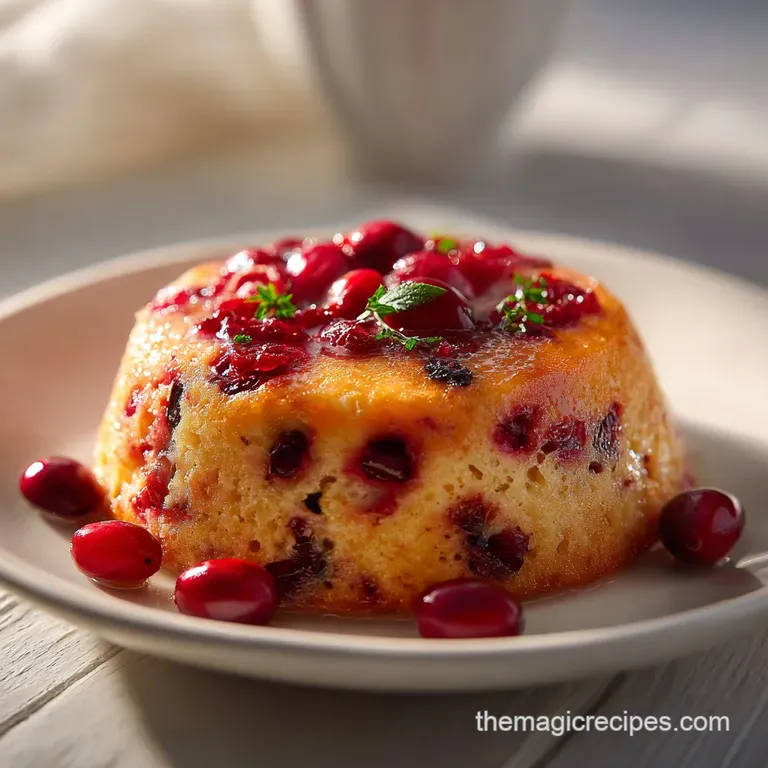
- Time: Active 15 minutes, Passive 45 minutes, Total 60 minutes
- Flavor/Texture Hook: Zesty, buttery crumb with a satisfying sugar crust shatter
- Perfect for: Holiday brunches, cozy weekend mornings, or impressive gifting
- Why This Cranberry Orange Breakfast Cake Rules
- The Science of The Tender Crumb
- Deep Dive Into Your Baking Ingredients
- Picking Your Pantry Essentials and Substitutes
- Tools Required For a Perfect Bake
- Step By Step Guide To Success
- Fixing Common Breakfast Cake Baking Issues
- Flavor Twists To Try At Home
- How To Store And Reheat Leftovers
- Serving Ideas For Your Morning Feast
- Recipe FAQs
- 📝 Recipe Card
Why This Cranberry Orange Breakfast Cake Rules
The air in my kitchen usually smells like burnt toast on Monday mornings, but when I pull this out of the oven, it's like a complete reset button. I remember the first time I tried a version of this at a little bakery in Vermont; I expected a dry, crumbly mess, but what I got was this velvety, almost custard like cake that shattered with a sugary crust.
I spent three months failing to recreate that texture until I realized I was being too timid with the fats.
Honestly, stop thinking of this as a "healthy" muffin in cake form. This is an indulgence. The magic happens when that sharp, aggressive acidity from the cranberries hits the rich, buttery base. We aren't just tossing berries into a bowl; we're building a structural masterpiece that stays moist for days.
If you've ever struggled with a "breakfast bread" that felt like eating a sponge, this recipe is your redemption. You'll get that citrus cloud hitting your face the second you open the oven door, and trust me, it’s better than any candle you can buy.
Most people make the mistake of just folding in the zest at the end. We're not doing that. We’re going to massage that zest into the sugar until the whole room smells like an orange grove. It's a small step, but it's the difference between a cake that tastes like orange and a cake that is orange.
Let’s get your coffee brewing, because you’re going to want a mug ready when this hits the cooling rack.
The Science of The Tender Crumb
- Zest Abrasion: Rubbing orange zest into granulated sugar uses the sharp edges of the sugar crystals to rupture the zest's oil sacs, releasing concentrated limonene.
- Acid Interaction: The combination of buttermilk and sour cream provides a dual phase leavening boost when they react with the 1/2 tsp baking soda, creating instant carbon dioxide bubbles.
- Fat Emulsification: Using room temperature eggs ensures the fats from the 115g melted butter and 120g sour cream don't seize, resulting in a smooth, velvety batter rather than a curdled one.
- Starch Gelatinization: The 60ml of freshly squeezed orange juice provides enough hydration for the flour's starches to swell properly without over developing the gluten.
| Method | Time | Texture | Best For |
|---|---|---|---|
| Standard Oven | 45 minutes | Even rise, golden top, crisp edges | Most home cooks; consistent results |
| Stovetop Skillet | 55 minutes | Dense, pudding like, caramelized bottom | Small batches; creates a rustic "upside down" feel |
| Convection Oven | 38 minutes | Extremely crispy exterior, lighter interior | Busy mornings; requires monitoring for browning |
While the oven is my go to for that signature shatter crisp top, the skillet method is a fun experiment if you want something that feels more like a deep dish pancake. Just keep the heat low and use a heavy lid to trap the steam, otherwise, the center will stay raw while the bottom burns.
Deep Dive Into Your Baking Ingredients
| Ingredient | Science Role | Pro Secret |
|---|---|---|
| Full fat Sour Cream | Adds thickness and fat without thinning the batter | Always use room temperature to prevent the butter from clumping |
| Fresh Orange Zest | Provides volatile aromatic oils | Zest directly over the sugar bowl to catch every drop of spray |
| Fresh Cranberries | Adds moisture and structural "pockets" of acid | Toss them in a spoonful of flour first to prevent them from sinking |
| Sanding Sugar | Creates a mechanical crunch | Use the coarse "sparkling" variety for a bakery style finish |
Using the right dairy is non negotiable here. If you try to swap the full fat sour cream for a low-fat version, you'll lose that decadent mouthfeel that makes this feel like a "cake" rather than just another muffin.
Picking Your Pantry Essentials and Substitutes
To get the best results, stick to the 250g of all purpose flour it has just enough protein to hold up those heavy berries without making the crumb tough. For the citrus, you need two large oranges to get that full 2 tbsp of zest.
- 200g Granulated sugar: The primary sweetener. Why this? It provides the structure and allows for the zest massaging technique.
- Substitute: 200g light brown sugar. Note: Adds a molasses depth but makes the cake darker and softer.
- 250g All purpose flour: The foundation. Why this? Provides enough gluten for a sturdy yet soft crumb.
- Substitute: 250g Cake flour. Note: Creates a much finer, more delicate crumb that might struggle to hold the berries.
- 115g Unsalted butter: The flavor carrier. Why this? Melted and cooled butter yields a denser, more decadent texture than creamed butter.
- Substitute: 115g Coconut oil (solidified then melted). Note: Adds a slight tropical note; check my Cranberry Orange Christmas Punch recipe for a pairing that works with these flavors.
- 120g Full fat sour cream: The moisture bomb. Why this? Its acidity tenderizes the gluten while the fat adds richness.
- Substitute: 120g Plain Greek yogurt (5% fat). Note: Similar tang, slightly less indulgent mouthfeel.
- 200g Fresh or frozen cranberries: The star ingredient. Why this? They provide the essential tart contrast to the sweet batter.
- Substitute: 200g Frozen blueberries. Note: Much sweeter; you may want to reduce the sugar by 20g.
Tools Required For a Perfect Bake

You don't need a high tech kitchen to pull this off, but a few specific items will make your life much easier. I personally use a 9 inch (23cm) springform pan because it makes releasing the cake a breeze without disturbing the delicate cranberry studded top.
A microplane zester is your best friend here. You want those tiny, wispy shards of zest that melt into the sugar, not thick chunks of bitter white pith. I’ve seen people use a box grater, but it usually ends in frustration and sore knuckles. Also, grab a sturdy whisk and a silicone spatula.
We’re doing this by hand no need to drag out the heavy stand mixer for this one.
Chef's Tip: Freeze your butter for 10 minutes before melting it. This might sound counterintuitive, but it helps the milk solids separate more cleanly, giving you a slightly "nuttier" flavor profile once it hits the heat.
step-by-step Guide To Success
1. Prepping the Foundation
Preheat your oven to 180°C (350°F). Grease your 9 inch pan thoroughly with butter and line the bottom with parchment paper. Note: This prevents the berry juices from sticking to the pan and tearing the cake.
2. Massaging the Zest
In a large bowl, combine the 200g granulated sugar and 2 tbsp orange zest. Use your fingertips to rub the zest into the sugar for about 2 minutes. Stop when the sugar looks like wet sand and smells intensely of citrus.
3. Mixing Dry Elements
Whisk together the 250g flour, 1 tsp baking powder, 1/2 tsp baking soda, and 1/2 tsp sea salt in a separate medium bowl. Note: Sifting isn't strictly necessary, but it helps if your flour is particularly lumpy.
4. Creating the Emulsion
In a third bowl, whisk the 2 large eggs with the 115g melted (and cooled!) butter, 120g sour cream, 60ml buttermilk, 60ml orange juice, and 1 tsp vanilla extract. Whisk until the mixture is silky and pale yellow.
5. Combining the Batter
Pour the wet ingredients into the sugar zest mixture and whisk briefly. Then, gently fold in the dry ingredients using a spatula. Stop as soon as no dry streaks remain. Over mixing will make the cake rubbery.
6. Preparing the Fruit
Toss 150g of the cranberries with a teaspoon of flour, then fold them into the batter. Note: The flour coating helps the berries "grip" the batter so they don't all sink to the bottom.
7. Loading the Pan
Transfer the batter to your prepared pan and smooth the top with your spatula. It will be thick, almost like a heavy muffin batter.
8. The Final Flourish
Scatter the remaining 50g of cranberries over the top, pressing them slightly into the surface. Sprinkle the 2 tbsp of sanding sugar evenly across the entire cake.
9. Achieving the Perfect Bake
Bake for 45 minutes. Check for a deep golden brown color and a toothpick that comes out clean. If you smell the sugar starting to caramelize but the center is still jiggly, tent it loosely with foil.
10. Cooling and Setting
Let the cake sit in the pan for 15 minutes before releasing the sides. This allows the internal structure to firm up so the cake doesn't collapse when sliced.
Fixing Common Breakfast Cake Baking Issues
Why Your Cake Sunk in the Center
This usually happens because the oven door was opened too early, causing a sudden temperature drop before the structure was set. It can also be a result of expired baking powder. Always check the "best by" date on your leaveners; if they're older than six months, toss them.
Managing Frozen Fruit Bleed
If you’re using frozen cranberries, don’t thaw them! If you do, the juice will run and turn your beautiful golden batter into a muddy purple mess. Add them straight from the freezer into the batter at the very last second. For more berry tips, check out my White Chocolate Cranberry recipe.
| Problem | Root Cause | Solution |
|---|---|---|
| Gummy Bottom | Berries released too much juice | Toss berries in flour; ensure oven is fully preheated |
| Burnt Sugar Crust | Sanding sugar caramelized too fast | Tent with foil after 30 minutes of baking |
| Dry Crumb | Over baked or used low-fat dairy | Use full fat sour cream; check doneness 5 mins early |
Common Mistakes Checklist
- ✓ Never use cold eggs; they will cause the melted butter to seize and clump.
- ✓ Don't skip the "zest massage" this is where 80% of the flavor lives.
- ✓ Avoid over mixing the batter; fold until just combined to keep it light.
- ✓ Always use a light colored baking pan; dark pans absorb too much heat and will burn the bottom.
- ✓ Ensure your buttermilk is shaken well before measuring to distribute the fats.
Flavor Twists To Try At Home
If you want to vary the texture, try making a cranberry orange oatmeal breakfast cake. Replace 50g of the all purpose flour with 60g of rolled oats. This gives it a heartier, more "rustic" feel that pairs beautifully with a dollop of yogurt.
It’s a bit denser, but the chewiness of the oats against the popping cranberries is fantastic.
Another simple swap is the dairy. While I swear by sour cream, using 120g of mascarpone creates an incredibly rich, dessert like experience. If you’re feeling adventurous, add 1/2 tsp of ground cardamom to the dry ingredients.
Cardamom and orange are a match made in heaven, adding a sophisticated, floral spice that cuts through the buttery sweetness.
How To Store And Reheat Leftovers
This cake is surprisingly resilient. Because of the high fat content from the sour cream and butter, it doesn't dry out as fast as a standard sponge. I actually think it tastes better on day two when the orange oils have had time to fully permeate the crumb.
- Storage: Keep at room temperature in an airtight container for up to 2 days. For longer storage, keep it in the fridge for up to 4 days.
- Freezing: Wrap individual slices in plastic wrap, then place in a freezer bag for up to 3 months. Thaw at room temperature for an hour.
- Zero Waste: If the cake does start to get a little dry, don't toss it. Slice it thick, dip it in an egg/milk mixture, and fry it up like French toast. The caramelized cranberries make for the best "syrup" ever. Also, if you have leftover berries, they are perfect for this Cranberry Jalapeno Dip recipe.
Serving Ideas For Your Morning Feast
This cake is the undisputed star of the table, but it plays well with others. If you're hosting a brunch, I recommend serving it alongside something savory like a sharp cheddar omelet or crispy thick cut bacon. The saltiness of the meat provides a perfect counterpoint to the sugary, tart cake.
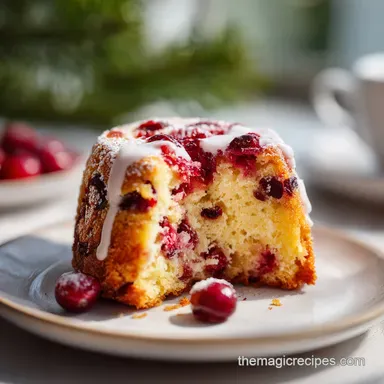
For a more indulgent "café style" serving, whisk together a quick glaze of 100g powdered sugar and 2 tbsp of orange juice. Drizzle it over the cake while it’s still slightly warm so it seeps into the top layer.
Chef's Tip: Add a tiny pinch of espresso powder to the batter. You won't taste coffee, but it acts like a "flavor highlighter" for the orange and cranberry.
Right then, you're all set. This isn't just a recipe; it's a mood. Whether you're baking it for a quiet Saturday or a big holiday spread, it's going to deliver that "wow" factor without you having to spend four hours in the kitchen.
Just remember: massage that zest, use the full fat stuff, and don't you dare peek in the oven until that timer goes off! Enjoy your decadent morning feast!

Recipe FAQs
Can I substitute fresh cranberries with dried cranberries?
No, substituting is not recommended. Dried cranberries will absorb liquid from the batter and become tough, leading to a very dry cake texture.
How to ensure the orange zest flavor is strong enough?
Rub the zest directly into the granulated sugar vigorously. This action ruptures the oil sacs in the zest, releasing concentrated aromatic oils into the crystals before mixing wet ingredients.
What is the best way to prevent the cranberries from sinking?
Toss the fresh cranberries in a tablespoon of the measured flour first. This light coating helps the berries grip the batter matrix, preventing them from sinking to the bottom during baking.
Is it true I can skip the sour cream and use yogurt instead?
Yes, you can substitute with Greek yogurt, but the richness will change. Greek yogurt provides the necessary acidity but lacks the higher fat content of sour cream, resulting in a slightly less decadent mouthfeel.
How to achieve that signature crisp sugar topping?
Sprinkle coarse sanding sugar evenly over the top right before baking. This sugar does not fully dissolve, creating a crunchy, shattering crust that contrasts the tender interior.
How to keep this breakfast cake moist for several days?
Store the cooled cake tightly wrapped at room temperature for up to two days. The sour cream and melted butter inclusion naturally helps retain moisture; for longer storage, freeze slices tightly wrapped.
How to get a more tender, delicate crumb like a tea cake?
Replace the all-purpose flour with cake flour for a lower protein content. If you master the gentle folding technique here, you can apply that low-handling principle to our Butter Cake recipe for an even finer texture.
Cranberry Orange Breakfast Cake
Ingredients:
Instructions:
Nutrition Facts:
| Calories | 314 kcal |
|---|---|
| Protein | 4.5 g |
| Fat | 12.8 g |
| Carbs | 45.8 g |
| Fiber | 1.6 g |
| Sugar | 24.2 g |
| Sodium | 194 mg |
