Chicken Paprikash: Rich and Creamy Hungarian Comfort Classic (Csirke Paprikás)
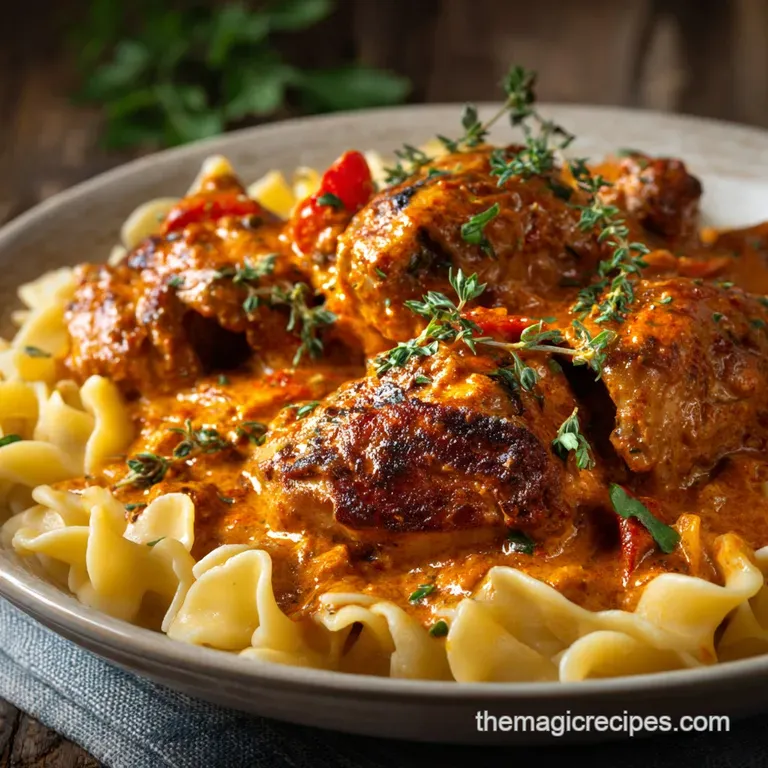
- The Great Hungarian Comfort Classic: What is Authentic Csirke Paprikás?
- Essential Elements: Procuring the Perfect Paprika and Poultry
- The Method: Preparing Authentic Creamy Chicken Paprikash
- Mastering the Silky Sauce: Why This Recipe Works
- Troubleshooting and Expert Techniques for Flawless Paprikash
- Traditional Pairings: What to Serve Alongside the Braise
- Prep Ahead and Storage: Making Your Csirke Paprikás Last
- Recipe FAQs
- 📝 Recipe Card
The Great Hungarian Comfort Classic: What is Authentic Csirke Paprikás?
The minute this dish starts simmering, your whole house transforms. That deep, smoky aroma of sweet paprika mixed with slow cooked onions is the definition of hygge, Hungarian style. It’s comforting, it’s vibrant, and that deep crimson sauce just whispers cozy .
The chicken itself is unbelievably tender, literally falling apart into that creamy, velvety sauce.
I know what you're thinking: isn't this complicated? Absolutely not. While it feels fancy and deeply layered in flavor, Chicken Paprikash is actually a peasant dish built on super affordable, everyday ingredients.
This specific recipe uses bone-in thighs, which are cheap and deliver fantastic flavor, making it a perfect weeknight braise.
We aren't just dumping spices into broth here; we are building a foundation of flavor that is truly authentic. This is the real deal Hungarian Csirke Paprikás , focusing on patience with the onions and treating that vibrant paprika like the royalty it is.
Let's crack on and get this legendary dish simmering.
Distinguishing Paprikash from Hungarian Goulash (Gulyás)
This is where a lot of people mess up their menus. Goulash, or Gulyás , is fundamentally a soup a thinner, usually spicier dish that often involves potatoes, carrots, and a lot of liquid. Paprikash, however, is a stew, focusing on a much thicker, unctuous sauce base.
The difference comes down to the finish: Paprikash is always, always, finished with full fat sour cream to create that signature creamy texture. Goulash doesn't usually get that luxurious treatment. They both use paprika, obviously, but they have totally different vibes.
The Importance of a Paprika Roux Base in Hungarian Cooking
Unlike French cooking where you start with butter and flour, Hungarian cooking uses a different method to build body and thickness. The initial sauté of the onions is crucial because they literally dissolve into the sauce, providing natural starch and thickness.
The paprika itself, when bloomed in the fat (oil/butter), creates a colored, flavorful roux without any flour initially. The resulting sauce is intensely flavored and naturally clings perfectly to whatever it touches.
Remember: the quality of your paprika dictates the quality of your final sauce.
A Brief History of This Beloved Regional Dish
Paprikash is a dish that screams history and region, specifically Central Europe. Paprika wasn't common until the 18th century, but once it arrived, it completely took over Hungarian cuisine.
This is the kind of dish that families pass down through generations, each claiming their grandmother’s version is the best (mine included).
It was historically a way to make inexpensive poultry taste rich and decadent for Sunday lunch. While modern versions use chicken, the technique is timeless, built on minimal ingredients and maximum flavor development.
Essential Elements: Procuring the Perfect Paprika and Poultry
A Deep Dive into Hungarian Paprika Grades (Sweet vs. Rose)
If you are using dusty paprika from the back of your spice rack, stop right now. Go buy a fresh tin of imported Hungarian paprika. It really is the star.
You generally find three grades: Sweet ( édes ), which is mild, fruity, and forms the bulk of our sauce; Rose ( rózsa ), which is slightly pungent and darker red; and Hot ( erős ), which brings the fire.
We rely primarily on the Sweet grade here for depth and color, but a teaspoon of Rose or Hot can add complexity if you like a little kick.
Selecting the Optimal Cut for Slow Braising
I am totally opinionated here: bone-in, skin-on chicken thighs are non-negotiable for true Csirke Paprikás . The skin renders, adding essential fat to bloom the paprika, and the bones infuse the sauce with deep flavor as the dish simmers. Plus, thighs stay incredibly moist.
If you are in a massive rush, boneless, skinless thighs work perfectly fine, but reduce your simmering time dramatically. If you want truly juicy meat, you might consider pre-brining them; I use a version of this method outlined in my post on Chicken Brine: The Chefs Secret for Perfectly Juicy, Never Dry Poultry .
Managing Acidity: Sourcing Quality Sour Cream and Onions
You need high-quality, full fat sour cream for the ultimate silky finish. low-fat or non-fat versions are basically asking for curdled, grainy sauce. Don’t risk it.
As for the onions, use standard yellow onions they are sweet enough when caramelized slowly, providing the perfect counterpoint to the final tang of the sour cream. The volume of onions here is intentional; they are the chief thickening agent.
Ingredient Swaps and Dietary Modifications for Chicken Paprikash
Sometimes you just don't have exactly what the recipe calls for, and that is okay. Here are my favorite ways to substitute without compromising the soul of the dish.
| Ingredient | Substitute Suggestion | Why it Works |
|---|---|---|
| Sweet Hungarian Paprika | Spanish Sweet Paprika (Pimentón) | It’s sweeter and fruitier than generic American paprika, but lacks the deep color. |
| Sour Cream | Full Fat Crème Fraîche | Crème fraîche is higher in fat, making it virtually impossible to curdle when heated slowly. |
| Marjoram | Dried Oregano | Marjoram has a subtle, earthy sweetness; use about half the amount of dried oregano for a similar profile. |
| Chicken Stock | Plain Water + 1 tsp Better Than Bouillon | Stock is essential for flavor, but a high-quality bouillon paste mixed with water works wonders in a pinch. |
The Method: Preparing Authentic Creamy Chicken Paprikash
Developing the Sticky Onion Base (The Foundation of Flavor)
This is the most critical step, so pour yourself a glass of wine and relax. After searing your beautiful chicken and setting it aside, reduce the heat to medium low. Add your diced onions and a generous pinch of salt. Cook them for 15– 20 minutes, minimum.
They should be soft, translucent, and melted, almost a paste, not crunchy or browned.
Add the garlic and tomato paste only for the last minute. This cooks out the metallic taste of the tomato paste and lets the garlic bloom without burning.
Blooming the Paprika Powder for Maximum Color and Aroma
CRITICAL STEP ALERT: When your onions are ready, pull the pot off the heat . Seriously, take it off the burner. The residual heat in the pot and onions is enough.
Stir in your massive dose of sweet paprika and the marjoram. Stir constantly for about 30 to 60 seconds until the mixture looks like a gorgeous, thick red paste. This releases the essential oils, creating the deep red color we crave.
If you hear sizzling or see it turn brown, you have failed, and you need to start over (I know, I’ve done it before, it goes bitter instantly!).
Braising the Pieces to Tender Perfection
Once the paprika has bloomed, return the pot to the stove and pour in the stock, scraping up those little delicious bits stuck to the bottom of the Dutch oven. Nestle the seared chicken back into the liquid.
Bring it up to a simmer, then immediately drop the heat to low, cover the pot, and let it go. Simmer for 30– 40 minutes until the chicken is fork tender. This slow braise ensures the meat is moist and the bones release all their flavor into the burgeoning sauce.
Tempering and Finishing the Final Velvety Sauce
When the chicken is done, remove the pieces and set them aside. We are now going to stabilize the sour cream. In a separate bowl, whisk the full fat sour cream with the flour until it’s perfectly smooth. This is your tempering agent.
Chef’s Note: Before adding the sour cream, take the pot of sauce off the heat entirely and wait two minutes. The temperature must drop below boiling or the proteins in the sour cream will seize up and split. Nobody wants a grainy Paprikash!
Slowly whisk the tempered sour cream mixture into the sauce until it is incorporated and the sauce turns a glorious, creamy reddish pink. Return the chicken to the pot to warm through, and serve right away.
Mastering the Silky Sauce: Why This Recipe Works
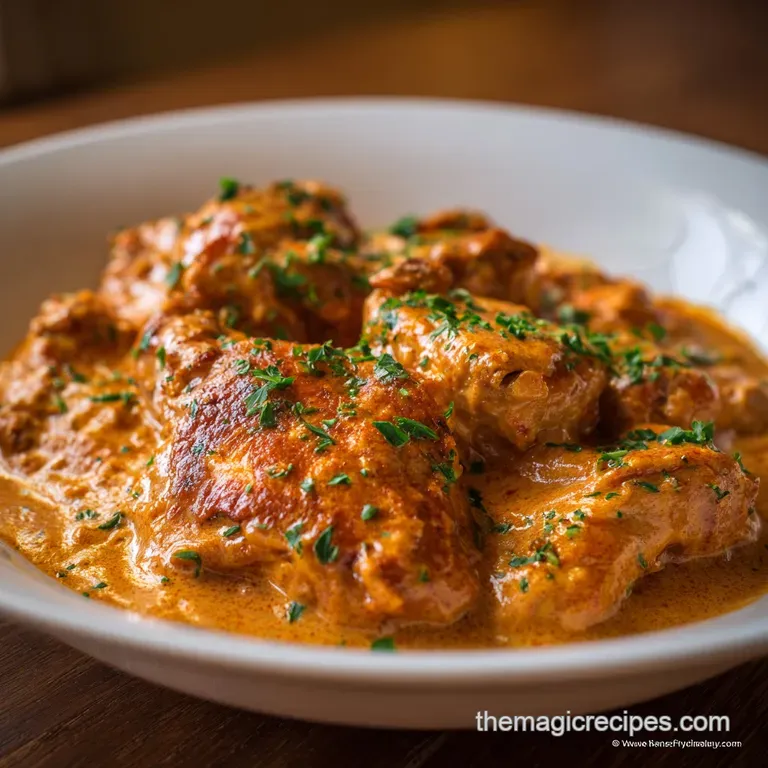
The secret to this authentic chicken paprikash is two-fold: the initial slow cook of the onions and the final careful temperature control.
The onions melt into the sauce, creating a natural body and sweetness that generic flour thickeners simply can't match. Then, the careful tempering with flour and the final addition off the heat prevents the curdling that plagues many amateur attempts at this recipe.
You get a restaurant quality velvety sauce every time.
Troubleshooting and Expert Techniques for Flawless Paprikash
Achieving the Signature Velvety Texture
The texture comes from the dissolved onions and the stability of the full fat sour cream combined with the flour. If your sauce looks thin, you likely didn't cook the onions long enough.
If that happens, remove the chicken and simmer the sauce gently, uncovered, for 5- 10 minutes to reduce it slightly before adding the sour cream.
Balancing Sweet, Smoky, and Tangy Notes
Paprikash should be complex. The sweetness comes from the caramelized onions and sweet paprika, the smokiness (if used) comes from the tiny bit of smoked paprika, and the tang is the bright finish from the sour cream.
If it tastes flat, add a tiny squeeze of lemon juice or a small splash of white vinegar to lift the whole dish before serving.
Preventing Curdling When Incorporating Sour Cream
This is where I screwed up Paprikash for years. Never add cold sour cream directly to hot, bubbling liquid. Always temper it first with flour or cornstarch, and always ensure the pot is completely removed from the heat source before mixing it in.
If it does split (it looks grainy), sometimes rapidly stirring in a teaspoon of cold butter can miraculously save it.
Avoiding the Bitter Flavor of Burnt Paprika
If your paprika is bitter, you heated it too high, too fast, or too long in the fat. Paprika needs about 30 60 seconds in warm fat to bloom, not fry. If you burn it, the entire sauce is ruined, I am sorry to say.
You can try adding sugar or more tomato paste, but honestly, it’s usually better to start the base over.
Traditional Pairings: What to Serve Alongside the Braise
Nokedli (Hungarian Dumplings) vs. Simple Pasta Sides
Nokedli, those small, pillowy egg dumplings, are the traditional and superior accompaniment. They are incredibly easy to make (similar to German spaetzle) and hold that thick paprika sauce like champions.
If you don't have time for homemade dumplings, simple egg noodles or wide pappardelle pasta are fantastic substitutes. Mashed potatoes also make a deeply satisfying vehicle for this luscious sauce. For a lighter pairing, sometimes I’ll just serve it with a big piece of bread and a simple salad, perfect after making a heavier meal like Chicken Lo Mein: The Ultimate 30 Minute Takeout Recipe .
Beverage Pairings: Wines and Beers to Complement the Sauce
Because the sauce is rich and tangy (from the sour cream), you want something that can cut through the fat but not clash with the paprika. Look for a bright, acidic white wine like a dry Furmint from Hungary or a crisp Grüner Veltliner. If you prefer beer, a dark, malty lager or a Czech pilsner works beautifully.
Skip the heavy IPAs they'll fight the spice and the creaminess.
Prep Ahead and Storage: Making Your Csirke Paprikás Last
Paprikash is one of those magic dishes that is often even better the next day. The flavors deepen beautifully overnight as everything marries together.
Refrigeration: Store cooled leftovers in an airtight container in the fridge for up to 4 days.
Freezing: Paprikash freezes well, but with one huge caveat : The sour cream sauce can become slightly grainy upon thawing due to the dairy separating. To counteract this, remove the chicken pieces before freezing the sauce. Freeze the sauce base and the chicken separately.
When reheating, thaw the sauce, warm it gently, and then whisk vigorously to smooth it out before adding the warmed chicken back in.
Reheating: Always reheat slowly on the stovetop over low heat, stirring frequently. Do not bring the sauce to a rolling boil, or the already tempered dairy might decide to split anyway.
If reheating from frozen, adding a tiny splash of fresh stock or water can help smooth the sauce out while it warms.

Recipe FAQs
Which type of paprika should I use for the most authentic flavor?
You must use high-quality Hungarian sweet paprika, often labeled 'Édesnemes,' as it provides the necessary deep color and sweet, earthy flavor without bitterness. Avoid generic spices; the quality and freshness of the paprika are absolutely crucial since it is the star ingredient of the dish.
If you desire heat, you can add a small amount of hot paprika or a dollop of hot pepper paste, like 'Erős Pista,' separately.
My sauce is too thin/watery. How can I thicken Chicken Paprikash?
The traditional method for thickening Paprikash involves creating a habarás, which is a slurry of flour and sour cream mixed together before adding it to the simmering sauce.
Alternatively, if the chicken is cooked through, remove it and simply reduce the remaining sauce over medium high heat until it reaches your desired consistency. You can also create a light roux with butter and flour before introducing the liquid.
When I add the sour cream, it separates and curdles. What am I doing wrong?
Sour cream curdles when cold dairy hits high heat, so it must be tempered before adding it to the hot stew. First, remove the pot from the heat entirely, then slowly stir a few large spoonfuls of the hot sauce into the sour cream in a separate bowl.
Once tempered, pour the mixture back into the main pot, stirring gently, and ensure the dish never comes back to a boil.
Can I use chicken breast instead of thighs, or another type of meat?
While traditional recipes often use bone-in pieces, boneless skinless thighs are ideal as they remain succulent during the long simmering process necessary for flavor development. You can use chicken breast, but you must significantly reduce the cooking time to about 15-20 minutes after simmering begins to prevent the meat from becoming dry and tough.
Alternatively, pork shoulder is a delicious, traditional substitute that benefits from the same lengthy cooking time.
How can I prevent the paprika from burning and becoming bitter?
Paprika scorches very quickly when exposed to high, dry heat, resulting in a dark, bitter sauce instead of a vibrant red one. Ensure the heat is reduced to low before adding the paprika, and only sauté it briefly with the softened onions for about 30 seconds.
Immediately add the chicken stock or tomatoes after this quick toast to stop the cooking process.
What are the best traditional side dishes for Chicken Paprikash?
The truly classic accompaniment is Nokedli or Spätzle, which are small, soft, irregular egg dumplings that are perfect for soaking up the rich, creamy paprika sauce. If these are unavailable, plain wide egg noodles, mashed potatoes, or even polenta serve as excellent and simple bases for the intensely flavored gravy.
A light cucumber salad dressed with vinegar also provides a wonderful textural contrast.
Can I freeze leftover Chicken Paprikash?
Yes, you can freeze this stew, but it is highly recommended that you freeze it before incorporating the final addition of sour cream or heavy cream. Dairy products tend to separate and develop a grainy texture once they are thawed and reheated, compromising the velvety mouthfeel.
Thaw the dish overnight, reheat it gently on the stovetop, and then stir in fresh sour cream just before serving.
Creamy Authentic Chicken Paprikash
Ingredients:
Instructions:
Nutrition Facts:
| Calories | 468 kcal |
|---|---|
| Protein | 46.0 g |
| Fat | 23.0 g |
| Carbs | 15.0 g |
