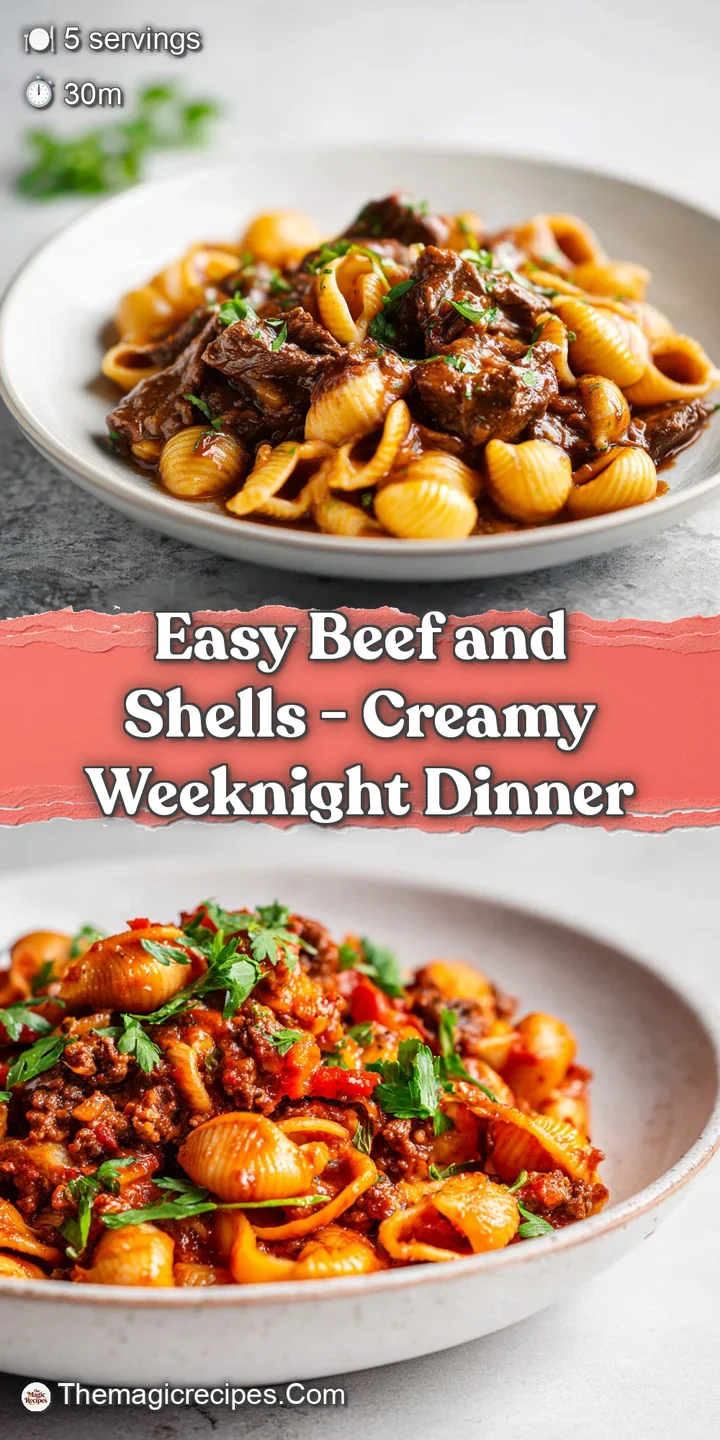
Creamy Beef and Shells Skillet
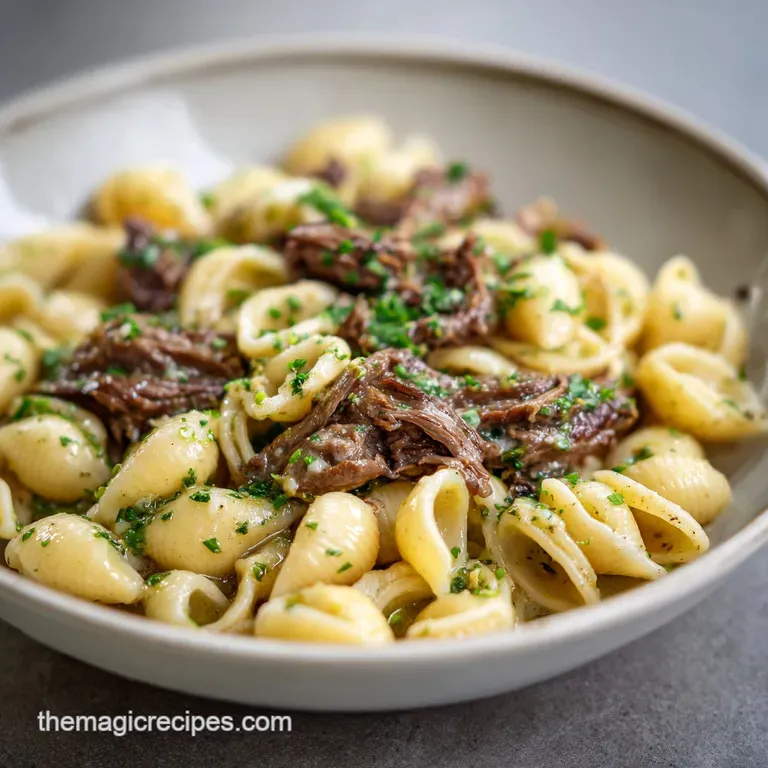
- Time: Active 10 mins, Passive 20 mins, Total 30 mins
- Flavor/Texture Hook: Savory beef enveloped in a velvety, sharp cheddar sauce
- Perfect for: Stressful weeknight dinners and beginner friendly meal prep
- Beef and Shells: The Quick Comfort Skillet
- Why This Creamy Pasta Works
- Comparing Fast vs Classic Methods
- Deep Dive Into Key Components
- Fresh Ingredients and Smart Subs
- Gear for Seamless Cooking
- Mastering the One Pot Method
- Solving Sauce and Texture Problems
- Adjusting for Larger Crowds
- Easy Flavor and Protein Swaps
- Debunking One Pot Pasta Myths
- Storage and Zero Waste Tips
- Winning Sides for Your Meal
- High in Sodium
- Recipe FAQs
- 📝 Recipe Card
Beef and Shells: The Quick Comfort Skillet
Picture this: It is 5:30 PM on a Tuesday, the kids are asking about dinner for the tenth time, and you have zero desire to wash three different pots. I used to reach for the blue box of mac and cheese, but then I realized that browning a pound of beef and tossing shells directly into the same pan yields a result that is ten times more satisfying.
The sizzle of the meat hitting the hot cast iron is the only therapy I need after a long day.
We have all been there, staring at a pack of ground beef wondering how to make it interesting without a grocery run. This recipe for Beef and Shells is my "emergency" meal that doesn't taste like an emergency.
It is rich, nostalgic, and has that specific "velvety" mouthfeel that usually requires way more effort than we are putting in here. Trust me, once you see how the starch from the pasta transforms the beef broth into a silky glaze, you will never go back to boiling water separately.
We are going for maximum flavor with minimal friction. We use lean beef to keep things from getting greasy, and a hit of smoked paprika to give it a depth that tastes like it simmered for hours. It is functional cooking at its best efficient, filling, and genuinely tasty.
Let's get into how we make this magic happen in one single pan.
Why This Creamy Pasta Works
The Starch Suspension Secret: By cooking the shells directly in the beef broth and tomato sauce, the pasta releases its natural starches into the liquid, acting as a built in thickener for the sauce.
This creates a cohesive, velvety coating on every shell that you simply cannot achieve by rinsing pasta in a colander.
Lactic Emulsification: Softened cream cheese contains emulsifiers that bridge the gap between the watery broth and the fat from the beef. This prevents the sauce from breaking or looking oily, ensuring a glossy finish every single time.
Comparing Fast vs Classic Methods
| Method | Cook Time | Cleanup | Texture |
|---|---|---|---|
| One Pot (Fast) | 20 mins | 1 Pan | Thick, cohesive sauce that clings |
| Traditional (Classic) | 35 mins | 2-3 Pots | Lighter sauce, often pools at bottom |
| Slow Cooker | 4 hours | 1 Crock | Very soft pasta, less defined beef |
Choosing the one pot method isn't just about saving time; it is about flavor. When the shells absorb the seasoned broth instead of plain water, they become savory little vessels of joy from the inside out.
It's a much more efficient way to work through a busy evening while still putting something substantial on the table.
Deep Dive Into Key Components
| Ingredient | Science Role | Pro Secret |
|---|---|---|
| 93/7 Ground Beef | Protein Structure | Pat it dry before browning to get a better sear and avoid gray, steamed meat. |
| Pasta Shells | Starch Provider | Use medium shells; the "cup" shape is specifically designed to trap the meat sauce. |
| Cream Cheese | Texture Stabilizer | Ensure it is fully softened to room temperature so it melts instantly without lumps. |
| Tomato Sauce | Acid Balance | Provides the necessary pH level to cut through the richness of the cheddar and beef. |
Using the right beef ratio is a quick way to ensure your Beef and Shells doesn't end up swimming in a pool of oil. I prefer 93/7 because it gives you just enough fat for flavor without requiring you to drain the pan and lose all those brown bits of flavor stuck to the bottom.
Fresh Ingredients and Smart Subs
To make this, you will need 1 lb lean ground beef (93/7), which provides the hearty base. You'll also need 1 small yellow onion (finely diced) and 3 cloves garlic (minced) for that essential aromatic foundation.
For the liquid, grab 3 cups low sodium beef brothWhy this? Using low sodium allows you to control the final seasoning without it becoming a salt bomb. and 8 oz tomato sauce.
The creamy finish comes from 4 oz low-fat cream cheese and 1 cup sharp cheddar cheese. For seasoning, we use 1 tsp kosher salt, 0.5 tsp cracked black pepper, 1 tsp smoked paprika, and 1 tsp Italian seasoning.
The star of the show is 12 oz dried medium pasta shells, which hold everything together.
| Original Ingredient | Substitute | Why It Works |
|---|---|---|
| Ground Beef | Ground Turkey | Leaner option; requires an extra teaspoon of oil to prevent sticking. |
| Beef Broth | Chicken Broth | Lighter flavor profile but still provides the necessary liquid for the pasta starch. |
| Sharp Cheddar | Pepper Jack | Adds a snappy kick of heat while maintaining the same melting properties. |
| Yellow Onion | Onion Powder (1 tbsp) | Faster prep; use this if you're in a massive rush or have picky eaters. |
If you find yourself missing an ingredient, don't panic. This dish is incredibly forgiving. If you love a bit of green in your meals, it’s similar to how I adjust the veggies in my Beef and Broccoli recipe. You can toss in some spinach at the very end to wilt it into the sauce!
Gear for Seamless Cooking
You don't need a professional kitchen, but a large deep skillet or a 5 quart Dutch oven is non negotiable. You need enough surface area to brown the beef properly and enough depth to hold three cups of liquid plus the pasta.
A heavy bottomed pan like a Lodge cast iron skillet works wonders for heat retention.
A sturdy wooden spoon or a meat masher is also helpful for breaking up the beef into fine crumbles. You want the meat to be roughly the same size as the pasta shells so every bite is balanced.
Finally, a box grater is your best friend here never use the pre shredded cheese in the bag! It's coated in potato starch which will make your sauce grainy rather than silky.
Mastering the One Pot Method
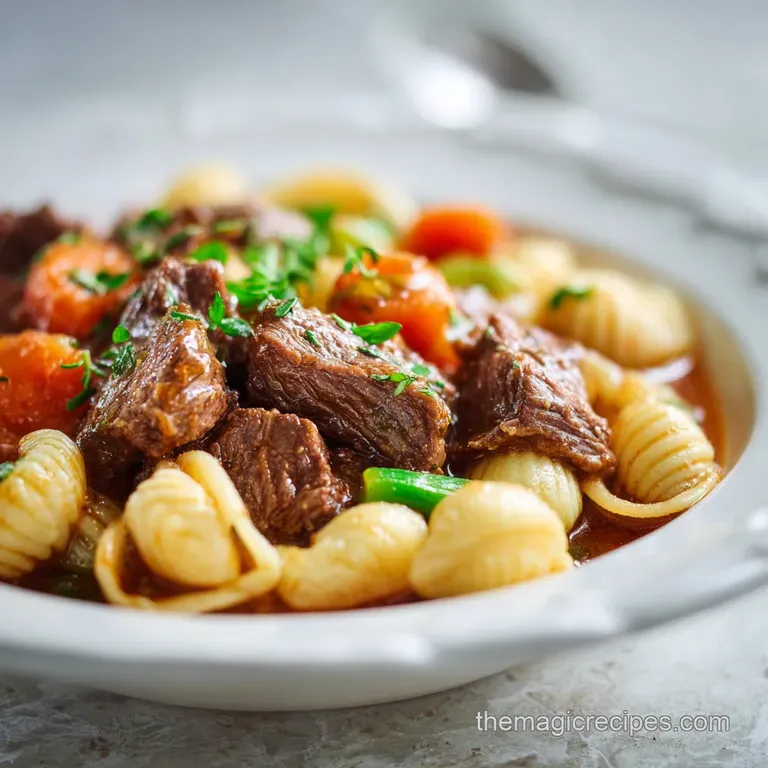
- Brown the beef. Place the 1 lb ground beef in a large skillet over medium high heat. Note: Don't move it for 2 minutes to get a good sear.
- Add aromatics. Toss in the diced yellow onion and cook for 3-4 minutes until translucent and fragrant.
- Season the base. Stir in the 3 minced garlic cloves, 1 tsp salt, 0.5 tsp pepper, 1 tsp smoked paprika, and 1 tsp Italian seasoning. Cook for 1 minute.
- Deglaze the pan. Pour in the 8 oz tomato sauce and 3 cups beef broth, scraping the bottom with your spoon. Watch for the brown bits to lift.
- Add the shells. Stir in the 12 oz pasta shells and bring the mixture to a rolling boil.
- Simmer it down. Reduce heat to low, cover the pan, and cook for 10-12 minutes until the pasta is tender and liquid is mostly absorbed.
- Temper the cream. Add the 4 oz softened, cubed cream cheese to the skillet. Stir constantly until the white streaks disappear into the sauce.
- The final melt. Turn off the heat and fold in the 1 cup sharp cheddar cheese.
- Rest the dish. Let it sit for 2-3 minutes. The sauce will thicken significantly as it cools slightly.
- Final garnish. Sprinkle with fresh parsley if you’re feeling fancy, though it’s not required for the flavor.
Chef's Tip: Freeze your block of cheddar for 10 minutes before grating. It makes the cheese firmer and prevents it from clumping or melting in your hands as you grate it.
Solving Sauce and Texture Problems
Sometimes things don't go exactly as planned, especially if your stove runs a bit hot or your pasta brand is different. One common issue with any ground beef orzo recipe or shell dish is the liquid ratio. If your pasta is still crunchy but the liquid is gone, just add another splash of broth!
Why Your Sauce Is Too Thin
If the sauce looks more like soup than a glaze, it's usually because the heat was too low. The pasta needs a gentle boil to release the starches that thicken the liquid. If you're at the end of the cook time and it's still runny, let it sit uncovered for 5 minutes.
The carryover heat will help the starch set.
| Problem | Root Cause | Solution |
|---|---|---|
| Grainy Sauce | Pre shredded cheese | Only use freshly grated cheese; the cellulose in bags prevents a smooth melt. |
| Mushy Pasta | Overcooked/Too much liquid | Reduce simmer time by 2 mins next time; check doneness early. |
| Bland Flavor | Lack of salt/acid | Add a teaspoon of red wine vinegar or a squeeze of lemon to brighten the beef. |
Common Mistakes Checklist
- ✓ Pat the beef dry with a paper towel before it hits the pan to ensure it browns instead of steams.
- ✓ Don't skip the onion browning; that's where the sweetness comes from to balance the salty broth.
- ✓ Use room temperature cream cheese to avoid tiny white lumps in your beautiful orange sauce.
- ✓ Check your pasta at 10 minutes; every brand of shells has a slightly different thickness and cook time.
- ✓ Let it rest for at least 3 minutes after adding the cheese this is when the "velvety" magic truly happens.
Adjusting for Larger Crowds
Scaling this recipe is straightforward, but you have to watch your liquid ratios. If you are doubling the recipe to 10 servings, use a massive Dutch oven. You'll use 2 lbs of beef, but only use about 1.5x the spices (1.5 tsp paprika, etc.) so the flavor doesn't become overwhelming.
For the liquids, use about 5.5 cups of broth instead of 6. When you cook in larger volumes, less steam escapes, so you don't need a linear double of the liquid. If you are scaling down to just 2 people, use a small 10 inch skillet.
Beat one egg and use half if a recipe ever calls for it, though here you'd just use 2 oz of cream cheese and half the beef.
Easy Flavor and Protein Swaps
If you want to change the vibe of this Beef and Shells, it’s easy to do.
1. The Garden Boost
Add a bag of frozen peas or a cup of finely chopped broccoli florets during the last 5 minutes of the pasta simmering. They will steam perfectly right in the sauce. This is a great way to sneak in nutrition for kids who aren't fans of standalone veggies.
2. The Spicy Kick
Swap the smoked paprika for chipotle powder and use Pepper Jack cheese instead of cheddar. Throw in some diced jalapeños with the onions at the beginning. It turns the comfort dish into something with a bit more "snap" and fire.
3. High Protein Poultry Swap
Use ground turkey or chicken. Since these are leaner, add a tablespoon of olive oil when browning. The flavor is milder, so I usually double the Italian seasoning to keep it from tasting flat. It's a great "workhorse" version of the meal for those watching their red meat intake.
Debunking One Pot Pasta Myths
"You have to boil pasta in a huge pot of salted water." This is the biggest myth in the kitchen. While true for delicate Italian sauces, for a hearty Beef and Shells, the "starch water" is actually your best friend. It creates an emulsion that makes the sauce cling to the shells instead of sliding off.
"Searing the beef seals in the juices." Nope! Searing is all about the Maillard reaction creating those brown, crispy bits that provide the savory "umami" base. The juices will still move around, but the flavor profile is infinitely better if you let that meat get dark and snappy in the pan before adding liquids.
Storage and Zero Waste Tips
This dish keeps beautifully in the fridge for up to 4 days. Because of the cream cheese, the sauce might thicken into a solid block when cold. When reheating, add a splash of milk or water to "loosen" the emulsion back up. It will return to its silky state in about 60 seconds in the microwave.
Freezing: You can freeze this for up to 2 months! Let it cool completely, then press it into a freezer bag and flatten it out. This makes it thaw faster later. Zero Waste: If you have leftover onion halves, don't toss them.
Chop them up and freeze them in a small bag for the next time you need a quick aromatic base. Also, keep your parmesan rinds in the freezer; dropping one into the broth while the shells simmer adds an incredible salty depth to the sauce.
Winning Sides for Your Meal
Since this is a heavy, comforting meal, I like to serve it with something that has a bit of crunch or acidity. A simple arugula salad with a lemon vinaigrette is my go to. The peppery bite of the greens cuts right through the richness of the cheddar sauce.
If you're in the mood for a full comfort feast, you can't go wrong with garlic bread. If you're looking for something a bit different for another night, this flavor profile actually pairs well with the concepts in my 5 Ingredient Beef Enchilada recipe, especially if you use the "Spicy Kick" variation mentioned above. It’s all about working with what you have in the pantry to make a Tuesday night feel like a win. Enjoy the sizzle, enjoy the sauce, and most importantly, enjoy only having one pan to scrub!
High in Sodium
1020 mg mg of sodium per serving (44% % of daily value)
The American Heart Association recommends limiting sodium intake to about 2,300mg per day.
Tips to Reduce Sodium in Your Beefy Shells
-
Broth Swap-30%
Replace the low-sodium beef broth with no-sodium added beef broth. This simple swap can significantly reduce the overall sodium content.
-
Reduce Cheese-15%
Use half the amount of cheddar cheese (1/2 cup instead of 1 cup) or switch to a naturally lower sodium cheese like Swiss. Cheese contributes significantly to sodium levels.
-
No-Salt Added Sauce-15%
Opt for no-salt added tomato sauce. Many commercial tomato sauces are high in sodium, so choosing the unsalted version makes a big difference.
-
Salt Smart-10%
Reduce the amount of kosher salt added. Start with half a teaspoon and adjust to taste. Taste as you go.
-
Skip the Salt-25%
Omit the kosher salt entirely and rely on other ingredients for flavor. You may not even miss it!
-
Beef Selection-5%
Ensure the lean ground beef you choose doesn't have added sodium or flavorings. Some pre-packaged ground beef can contain added salt.
-
Spice it Up
Enhance flavor with fresh or dried herbs and spices instead of relying on salt. Experiment with garlic powder, onion powder, oregano, basil, or a pinch of red pepper flakes.
Recipe FAQs
Can I substitute ground turkey for the ground beef?
Yes, a leaner option works fine. Since turkey is leaner, add an extra teaspoon of oil when browning to prevent it from sticking to the pan.
Why is my sauce too thin after adding the pasta?
It likely needs more time uncovered on low heat. The pasta releases starch during the simmer, and this starch is the thickener; let it rest uncovered for 5 minutes off the heat, as the sauce sets as it cools slightly.
How do I prevent the sauce from becoming grainy when I add the cheese?
Use freshly grated cheddar cheese, never pre-shredded. Pre-shredded cheese contains anti caking agents that prevent the smooth, velvety emulsion you want.
How long should the pasta shells cook directly in the broth?
Simmer covered for 10 to 12 minutes. You must check the shells around the 10-minute mark because cooking time varies by pasta brand, aiming for tender but not mushy.
Is it true that browning the beef seals in the juices?
No, this is a common misconception. Searing the beef develops deep savory flavor through the Maillard reaction; this flavor base is crucial for the final taste, unlike simply sealing moisture in.
What is the best way to ensure a rich, deep savory flavor in the broth?
Scrape up all the brown bits from the bottom of the pan after browning the beef. These fond bits are concentrated flavor; dissolving them into the tomato sauce and broth creates depth that tastes like it cooked for hours, a technique also key to rich stews like our Meatball Soup in recipe.
What side dish best cuts through the richness of the cheddar sauce?
Serve it with a bright, acidic salad. A simple arugula salad dressed with lemon vinaigrette offers a sharp, peppery contrast that cleanses the palate from the heavy cheese and beef fat.
Creamy Beef And Shells
Ingredients:
Instructions:
Nutrition Facts:
| Calories | 538 kcal |
|---|---|
| Protein | 35 g |
| Fat | 16 g |
| Carbs | 55 g |
| Fiber | 3.5 g |
| Sugar | 6.2 g |
| Sodium | 1020 mg |
