Creamy Cajun Chicken: Velvety and Quick
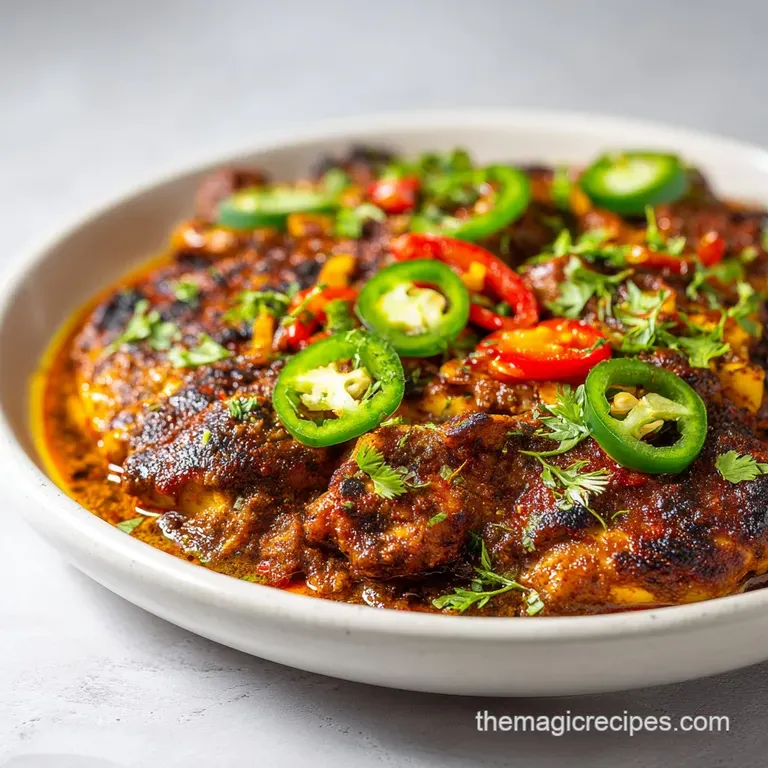
- Time: Active 10 minutes, Passive 20 minutes, Total 30 minutes
- Flavor/Texture Hook: Velvety cream sauce with a smoky, peppery kick
- Perfect for: Busy weeknight dinners or a quick family meal
- Key Specifications For This Meal
- Fresh Ingredients and Smart Substitutions
- Essential Tools For A Smooth Process
- Simple Steps For A Velvety Finish
- Solving Common Kitchen Mistakes Fast
- Flavor Variations For Every Family
- Storing Leftovers and Reducing Waste
- Perfect Pairings For A Complete Dinner
- High in Sodium
- Recipe FAQs
- 📝 Recipe Card
Key Specifications For This Meal
The success of a fast pan sear depends entirely on knowing when the meat is truly ready. If you pull it too early, you lose that beautiful crust; too late, and you’re chewing on rubber. I’ve found that using a timer for the first side is better than just guessing.
It ensures the spices have time to toast into the meat, creating a barrier that keeps the juices inside while the sauce builds its character.
Science of the Sizzle: The Maillard reaction occurs when the chicken's proteins and the sugars in the Cajun spices hit 140°C, creating complex new flavor compounds.
By searing first, we leave behind "fond" (those little brown bits), which the bone broth then dissolves to create a deeply savory sauce base.
| Chicken Thickness | Internal Temp | Rest Time | Visual Cue |
|---|---|---|---|
| 1.5 cm strips | 74°C | 3 minutes | No longer translucent, firm to touch |
| 2.5 cm chunks | 74°C | 5 minutes | Golden brown exterior, juices run clear |
| Thin cutlets | 74°C | 2 minutes | Edges start to curl and crisp |
It is important to remember that the chicken continues to cook even after you take it out of the pan. This is called carryover cooking. If you wait until it’s 74°C in the pan, it might hit 77°C while resting, which makes it dry.
Aim for just under that target, then let the residual heat and the final toss in the hot sauce do the rest of the work.
Fresh Ingredients and Smart Substitutions
To get that restaurant quality finish, you really need to use heavy cream. I’ve tried lower fat versions, but they just don't have the stability to handle the acidity of the spices and the heat of the pan without splitting. The bone broth is another non negotiable for me because it adds a layer of gelatinous richness that regular stock lacks. If you're looking for other ways to use up that chicken in your fridge, you might also enjoy my Chicken Breast Recipes for a different flavor profile.
| Component | Science Role | Pro Secret |
|---|---|---|
| Heavy Cream | Emulsifier | Use room temperature cream to prevent the sauce from breaking. |
| Cajun Seasoning | Flavor Catalyst | Toast the spices in the residual oil to release fat soluble aromatics. |
| Chicken Bone Broth | Deglazing Agent | The collagen in bone broth creates a silkier mouthfeel than water. |
| Parmesan Cheese | Stabilizer | Always grate your own; pre shredded cheese has starch that makes sauces grainy. |
Using the right spices is half the battle here. If you find your Cajun blend is too salty, you can mix in a bit of extra smoked paprika or onion powder to balance it out. Always taste a tiny bit of your spice mix before you dump it on the meat so you know exactly what you’re working with.
- 1.5 lbs (680g) Chicken Breasts: Sliced into 2.5 cm strips. Why this? Strips cook fast and maximize the surface area for the spice crust.
- Sub: Boneless thighs work well but need 5 extra minutes of cook time.
- 2 tbsp Cajun seasoning: Use a blend you trust. Why this? It provides heat, salt, and smokiness in one go.
- Sub: Mix paprika, garlic powder, cayenne, and thyme if you’re out of a blend.
- 2 tbsp Olive oil: For searing. Why this? High smoke point ensures the spices don't burn instantly.
- Sub: Avocado oil or any neutral vegetable oil.
- 1 tbsp Unsalted butter: To finish the aromatics. Why this? Adds a nutty richness that olive oil lacks.
- Sub: Ghee for a higher smoke point or vegan butter.
- 1 small yellow onion: Finely diced. Why this? Provides a sweet, foundational base for the sauce.
- Sub: Shallots for a more delicate, garlicky flavor.
- 3 cloves garlic: Minced fresh. Why this? Fresh garlic has a bite that bottled versions can't match.
- Sub: 1 tsp garlic powder, though it won't be as vibrant.
- 1 red bell pepper: Thinly sliced. Why this? Adds a necessary crunch and sweetness to balance the spice.
- Sub: Sun dried tomatoes or roasted red peppers from a jar.
- 1 cup (240ml) Heavy cream: Room temperature. Why this? Creates the signature velvety texture without curdling.
- Sub: Full fat coconut milk (adds a slight tropical note).
- 1/2 cup (120ml) Chicken bone broth: For depth. Why this? Melts the fond and adds savory body.
- Sub: Dry white wine (like Sauvignon Blanc) for extra acidity.
- 1/2 cup (45g) Parmesan cheese: Freshly grated. Why this? Acts as a thickener and adds a salty umami finish.
- Sub: Pecorino Romano for a sharper, saltier kick.
- 2 tbsp Fresh parsley: Chopped. Why this? The grassy notes cut through the richness of the cream.
- Sub: Fresh chives or green onions.
Essential Tools For A Smooth Process
You don't need a kitchen full of gadgets for this. A large, heavy bottomed skillet is your best friend here. I personally love using cast iron or stainless steel because they hold heat like a champ, which is exactly what you need to get that initial sear on the chicken.
If you use a thin non stick pan, you might find the chicken steams rather than browns, and you'll miss out on all that flavor.
A good whisk is also helpful once you add the cream and cheese. It helps emulsify the sauce quickly so it becomes thick and glossy rather than thin and watery. Aside from that, a sharp knife for the peppers and a microplane for the Parmesan are all you really need to get this on the table. If you're a fan of these bold, spicy flavors, you might want to try my Cajun Chicken Sloppy recipe which uses very similar tools for a fun twist.
Simple Steps For A Velvety Finish
- Prep the protein. Pat the 680g of chicken strips completely dry with a paper towel. Toss them in a bowl with the 2 tbsp of Cajun seasoning until every piece is coated. Note: Drying the meat is the only way to get a proper sear instead of steaming it.
- Heat the pan. Set your skillet over medium high heat and add the 2 tbsp of olive oil. Wait 2 minutes until the oil ripples and a faint wisp of smoke appears.
- Sear the chicken. Place the chicken in the pan in a single layer. Cook for 3-4 minutes per side until the exterior is dark golden and has a firm crust.
- Rest the meat. Remove the chicken from the pan and set it on a plate. It won't be fully cooked through yet, and that is exactly what we want.
- Sauté aromatics. Drop the 1 tbsp of butter into the same pan. Once it foams, add the diced onion and sliced red pepper. Cook for 5 minutes until the onions are translucent and the peppers soften.
- Add the garlic. Stir in the 3 cloves of minced garlic. Cook for only 30-60 seconds until you can smell the aroma clearly but the garlic isn't brown.
- Deglaze the skillet. Pour in the 120ml of chicken bone broth. Use a wooden spoon to scrape all those brown bits off the bottom of the pan. Note: This "fond" is where all the concentrated flavor lives.
- Simmer the cream. Lower the heat to medium and pour in the 240ml of room temperature heavy cream. Let it simmer for 3-5 minutes until the sauce thickens enough to coat the back of a spoon.
- Melon the cheese. Whisk in the 45g of Parmesan cheese. Keep stirring until the sauce is silky and the cheese is fully integrated.
- Final combine. Return the chicken and any juices from the plate back into the pan. Simmer for 2-3 minutes until the chicken is heated through and the sauce is bubbling gently. Top with fresh parsley.
Solving Common Kitchen Mistakes Fast
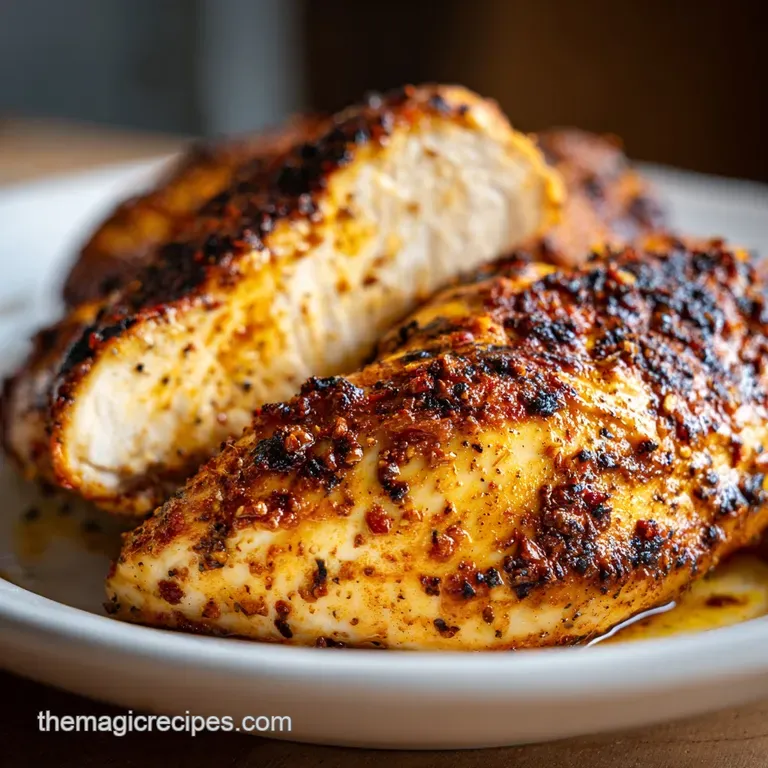
The most frequent issue people run into is a sauce that looks oily or separated. This usually happens if the heat is too high when you add the cream, or if you used pre shredded cheese. If it looks like it's starting to break, don't panic.
You can usually save it by whisking in a tablespoon of warm water or an extra splash of broth to bring the emulsion back together.
The Sauce Turned Oily
This usually means the fat has separated from the liquid. It happens if the sauce boils too aggressively once the cream and cheese are in.
| Problem | Root Cause | Solution |
|---|---|---|
| Oily Sauce | Heat was too high | Remove from heat and whisk in 1 tbsp of cold cream or broth. |
| Gritty Texture | Pre shredded cheese | Use a microplane to grate fresh Parmesan; it melts much smoother. |
| Bland Flavor | Not enough salt/acid | Add a squeeze of lemon juice or another pinch of Cajun seasoning. |
Common Mistakes Checklist:
- ✓ Never crowd the pan; if the chicken pieces touch, they will boil in their own juices instead of searing.
- ✓ Always use room temperature cream to prevent a thermal shock that can cause curdling.
- ✓ Don't skip the deglazing step; those brown bits are the "soul" of the sauce.
- ✓ Let the chicken rest for a few minutes before adding it back to the sauce to keep it tender.
- ✓ Grate your cheese right before adding it for the smoothest possible melt.
If you find yourself with a sauce that is too thick, simply add a splash of broth. If it’s too thin, let it simmer for another minute or add a tiny bit more cheese. Cooking is all about these small adjustments. For another example of a perfectly balanced sauce, check out this Chicken Paprikash recipe which uses sour cream for a different kind of tang.
Flavor Variations For Every Family
This recipe is a fantastic base for experimentation. If you want to turn it into a full pasta dish, simply boil some penne or fettuccine and toss it directly into the sauce at the end. You might need to add a splash of pasta water to keep things moving.
- Easy Creamy Cajun Chicken Thighs: Swap the breasts for boneless thighs. They are more forgiving and stay juicy even if you overcook them slightly.
- Easy Creamy Cajun Chicken with Rice: Serve the chicken and sauce over a bed of fluffy jasmine rice to soak up every drop of that spicy cream.
- Cajun Chicken and Sausage Pasta: Slice up some smoked andouille sausage and brown it along with the chicken for an even smokier, meatier version.
- Veggie Boost: Stir in some baby spinach or kale during the last 2 minutes of simmering until wilted.
If you decide to double the recipe for a larger group, keep in mind that you'll need to sear the chicken in batches. If you put too much meat in the pan at once, the temperature will drop, and you won't get that "shatter" on the crust that makes the texture so interesting.
Storing Leftovers and Reducing Waste
This dish keeps surprisingly well, though the sauce will thicken significantly as it cools. When you reheat it, the fat in the cream might try to separate. To fix this, add a tiny splash of milk or water before microwaving or heating on the stove. This helps "loosen" the emulsion and returns it to its silky state.
- Storage
- Keep in an airtight container in the fridge for up to 3 days.
- Freezing
- I don't recommend freezing this particular dish because cream based sauces often become grainy or "weepy" when thawed and reheated.
- Zero Waste
- If you have leftover sauce but no chicken, it makes an incredible base for a spicy vegetable soup. Just add some broth and whatever veggies you have in the crisper drawer. You can also use the leftover chicken in a wrap with some crunchy lettuce for a quick lunch the next day.
Perfect Pairings For A Complete Dinner
Since the sauce is so rich and flavorful, I usually lean toward sides that can either soak it up or provide a fresh contrast. Garlic bread is a classic choice because you can use it to swipe the plate clean. A simple green salad with a sharp vinaigrette also works wonders to cut through the heavy cream.
If you're looking for something heartier, try serving this over a thick bed of mashed potatoes. The creaminess of the potatoes combined with the spicy Cajun sauce is pure bliss. Alternatively, roasted zucchini or steamed broccoli provide a lighter, healthier balance that still feels satisfying. If you're in the mood for a different kind of cozy chicken dish, you should definitely look at my Creamy Chicken Potato Soup recipe for those colder nights.
| Side Dish | Texture | Why It Works |
|---|---|---|
| Crusty Baguette | Crunchy/Chewy | Perfect for scooping up every last drop of the velvety sauce. |
| Roasted Asparagus | Snap/Crisp | The earthy flavor balances the heat of the Cajun spices. |
| Egg Noodles | Soft/Silky | Holds onto the sauce better than almost any other pasta shape. |
Whatever you choose, just make sure you have enough to handle the sauce. There’s nothing worse than finishing your chicken and having a pool of that gold standard sauce left on the plate with nothing to dip into it!
Enjoy the process, don't overthink the spice levels, and I promise this will become a regular in your kitchen rotation.
High in Sodium
840 mg mg of sodium per serving (37% % of daily value)
The American Heart Association recommends limiting sodium intake to about 2,300mg per day for overall health.
Tips to Reduce Sodium in Your Cajun Chicken
-
Low-Sodium Broth-30%
Use low-sodium or no-sodium added chicken bone broth. This simple swap can significantly reduce the overall sodium content.
-
Reduce Parmesan-15%
Decrease the amount of Parmesan cheese used in the recipe by half, or substitute with a lower sodium cheese option, such as fresh mozzarella. Parmesan is a significant source of sodium.
-
DIY Cajun Seasoning-25%
Make your own Cajun seasoning blend using herbs and spices like paprika, cayenne pepper, garlic powder, onion powder, oregano, and thyme. Control the sodium by omitting added salt.
-
Unsalted Butter-10%
Ensure you are using unsalted butter in the recipe. Salted butter contributes unnecessary sodium.
-
Flavor Boost
Enhance the flavor with fresh herbs like parsley, thyme, or oregano, and spices like black pepper, garlic powder, and onion powder. These additions can help compensate for the reduction in sodium.
Recipe FAQs
What's the secret to great Cajun flavor?
Toast the seasoning first. Gently sauté the Cajun seasoning in the hot oil for about 30 seconds before adding the chicken. This crucial step wakes up the fat-soluble aromatic compounds in the spices, deepening the overall flavor profile.
How to make a nice creamy sauce for chicken?
Deglaze the pan thoroughly, then use room temperature cream. Scrape up all the browned bits (fond) from the bottom with broth first, then slowly whisk in room temperature heavy cream over medium low heat. This prevents thermal shock and curdling, ensuring a stable emulsion.
What are the ingredients in Creamy Cajun Chicken?
Chicken, Cajun seasoning, aromatics, heavy cream, and Parmesan cheese. The base requires seared chicken, followed by building a sauce using onion, garlic, bone broth for depth, heavy cream for richness, and Parmesan as a natural stabilizer and thickener.
What sauce goes best with Creamy Cajun Chicken?
The built-in creamy Cajun sauce is the intended pairing. It's designed to cling perfectly to the seared chicken pieces. For a side, consider something mild like mashed potatoes or pasta to soak up any extra sauce; you can find similar richness balancing in our Creamy Chicken Paprikash recipe.
Is it true I must sear the chicken on high heat?
Yes, a high, sustained sear is essential for texture and flavor. Searing at high heat (around 140°C) develops the Maillard reaction, creating a savory crust; if the heat is too low, the chicken will simply steam and become pale.
How to ensure the chicken cooks through without drying out?
Pull the chicken from the pan 3 degrees below target temperature. Cook the chicken until it reaches 71°C in the pan, then remove it to rest while you build the sauce. Carryover cooking will bring the internal temperature up to the safe 74°C without overshooting and losing moisture.
Can I substitute heavy cream with half and-half?
No, half and-half is too unstable for this high heat application. The lower fat content means it is highly likely to split or curdle when boiled down with the spices. Stick with heavy cream, or if substituting entirely, look into methods used for dishes like Sheet Pan Chicken recipe where fat stability is less crucial.
Creamy Cajun Chicken
Ingredients:
Instructions:
Nutrition Facts:
| Calories | 650 kcal |
|---|---|
| Protein | 60 g |
| Fat | 39 g |
| Carbs | 8 g |
| Fiber | 1.5 g |
| Sugar | 3 g |
| Sodium | 840 mg |
