Creamy Chicken Pesto Pasta: Silky and Herbaceous
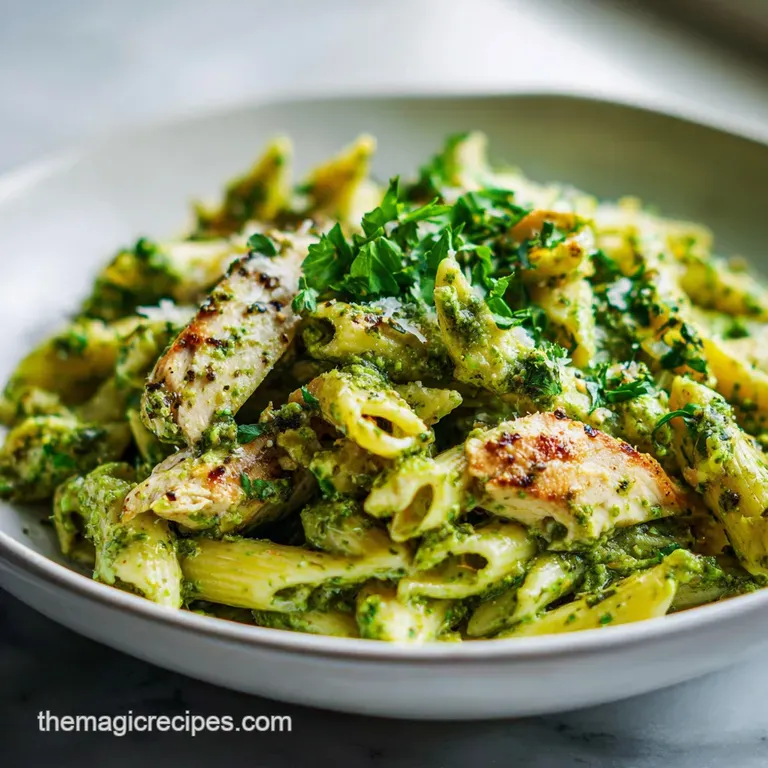
- Time: Active 10 mins, Passive 20 mins, Total 30 mins
- Flavor/Texture Hook: Silky, garlic infused, and herbaceous
- Perfect for: Stressful weeknights or a quick "fancy" date night
- The Best Simple Creamy Chicken Pesto Pasta
- The Secret to the Velvet Coat
- Comparing Fresh and store-bought Ingredients
- Component Analysis and Ingredient Roles
- Key Elements and Creative Substitutions
- Tools for a Quick Cleanup
- Step by Step Cooking Guide
- Fixing Sauciness and Texture Issues
- Scaling for Large or Small Groups
- Flavor Variations and Spice Options
- Debunking Kitchen Myths
- Storage Basics and Zero Waste
- Side Dishes for This Pasta
- High in Sodium
- Recipe FAQs
- 📝 Recipe Card
The Best Simple Creamy Chicken Pesto Pasta
You know that sound when you toss pasta and the sauce is so thick and velvety that it makes that specific, satisfying "squelch"? That’s exactly what happens here. I remember the first time I tried making this; I just threw some cold pesto into a pan of hot cream and watched in horror as the oil separated into a greasy green puddle.
It was a mess, but honestly, we’ve all been there.
Now, I’ve figured out the trick. The aroma of the garlic powder hitting the hot oil, followed by the sizzle of the chicken medallions, sets the stage for something much better.
It fills the kitchen with that warm, inviting scent that makes everyone wander in asking, "Is it ready yet?" It’s the kind of meal that looks like you spent an hour over the stove, but we both know it’s a 30 minute win.
We’re going to use a blend of cream cheese and heavy cream to get that "velvet" texture without the fuss of a traditional roux. It's stable, it's rich, and it works every single time. Trust me, once you see how the Parmesan melts into the basil swirls, you'll never go back to the jarred stuff alone.
Let's get into why this method actually holds up.
The Secret to the Velvet Coat
The Emulsion Bridge: Cream cheese acts as a stabilizer, using its lactic acid and proteins to bond the oil heavy pesto with the liquid cream. This prevents the sauce from "breaking" or becoming oily when it hits the heat.
- Maillard Reaction Control: Searing the chicken medallions at a high heat first creates a browned crust that adds deep savory notes to the lighter basil sauce.
- Starch Bonding: The reserved pasta water contains amylose, which acts like a biological glue to help the heavy sauce stick to the smooth penne surface.
- Volatile Aromatic Preservation: Adding the pesto at the very end, off the heat, ensures the fresh basil oils don't oxidize and lose their bright green color.
- Protein Denaturation: Slicing the chicken into 1 inch medallions increases surface area, allowing for faster cooking and more "crust" per bite.
Comparing Fresh and store-bought Ingredients
| Component | Fresh/Homemade | store-bought Shortcut | Outcome Difference |
|---|---|---|---|
| Pesto | Bright green, nutty, punchy | Muted green, more acidic | Homemade is brighter; store-bought is saltier. |
| Parmesan | Sharp, melts smoothly | Gritty, stays separate | Freshly grated melts into the sauce; pre shredded clumps. |
| Basil | Highly aromatic | Dried (not recommended) | Fresh basil provides a necessary peppery finish. |
Whenever I'm in a rush, I definitely lean on a high-quality jarred pesto, but I never compromise on the cheese. Pre shredded cheese is coated in potato starch to keep it from sticking in the bag, which is a total nightmare for a creamy sauce. It makes the whole dish feel grainy instead of silky.
Component Analysis and Ingredient Roles
| Ingredient | Science Role | Pro Secret |
|---|---|---|
| Cream Cheese | Emulsifier/Stabilizer | Use "full fat" for the most stable, non grainy sauce. |
| Pasta Water | Liquid Gold / Thickener | Don't just dump it; the starch makes the sauce "clingy." |
| Pesto | Flavor Concentrate | Add it last to keep the basil flavor from turning "cooked." |
| Chicken Breast | Lean Protein Base | Pat it bone dry before searing to get a golden crust. |
If you find yourself making a lot of these styles of dishes, you might notice similarities to my Chicken Paprikash recipe where the fat to acid ratio is the key to that signature smoothness. The science is pretty much the same build a fat base, stabilize it, and don't overheat the delicate aromatics.
Key Elements and Creative Substitutions
For this Creamy Chicken Pesto Pasta, we are using specific quantities to ensure the sauce to carb ratio is spot on. I've listed the must haves below, along with what you can swap if your pantry is looking a bit bare.
- 1.5 lbs chicken breasts: Why this? Slices into medallions easily for fast, even cooking and high protein content. (Sub: Boneless thighs for more moisture).
- 1 tsp kosher salt & 0.5 tsp pepper: Basic seasoning for the meat. (Sub: Sea salt).
- 1 tsp garlic powder: Why this? Provides a uniform garlic flavor without the risk of burning fresh bits. (Sub: 2 cloves minced fresh garlic).
- 2 tbsp olive oil: For searing. (Sub: Avocado oil).
- 12 oz penne pasta: Why this? The ridges (rigate) are designed to hold onto thick, creamy sauces. (Sub: Fusilli or Rigatoni).
- 4 oz cream cheese: Why this? The secret to a sauce that never breaks or separates. (Sub: Mascarpone for a sweeter, richer vibe).
- 0.5 cup heavy cream: Adds the "velvet" finish. (Sub: Half and half, but it will be thinner).
- 0.5 cup basil pesto: The flavor powerhouse. (Sub: Sun dried tomato pesto).
- 0.5 cup Parmesan cheese: Adds salt and umami. (Sub: Pecorino Romano).
- 1 cup cherry tomatoes: Adds a pop of acidity to cut the richness. (Sub: Roasted red peppers).
| Original Ingredient | Substitute | Why It Works |
|---|---|---|
| Heavy Cream (0.5 cup) | Full fat Coconut Milk | Similar fat profile. Note: Adds a distinct nutty flavor. |
| Penne Pasta (12 oz) | Zucchini Noodles | Low carb option. Note: Dish will be much more watery. |
| Chicken Breast | Sliced Portobello | Meat like texture for vegetarians. Note: Absorbs more oil. |
Don't be afraid to experiment with the pasta shapes. I once tried this with spaghetti because it was all I had left in the pantry, and while it was okay, the sauce really missed those little penne tunnels to hide in. It’s all about the "sauce delivery system," as I like to call it.
Tools for a Quick Cleanup
We’re keeping the tool list short because I hate doing dishes as much as you do. You really only need one large pot and one large skillet to make this happen.
- Large Skillet: Use stainless steel or cast iron for the best chicken sear. A non stick pan won't give you those beautiful browned bits (fond) on the bottom.
- Large Pot: For the pasta. Make sure it's big enough so the penne doesn't clump together.
- Tongs: Essential for flipping the chicken medallions without piercing the meat and losing juices.
- Whisk: Helps incorporate the cream cheese into the heavy cream smoothly.
Chef's Tip: Grate your Parmesan cheese directly over the pan using a microplane. It creates a "snow" of cheese that melts instantly, preventing those annoying clumps of half melted cheese at the bottom of the bowl.
step-by-step Cooking Guide
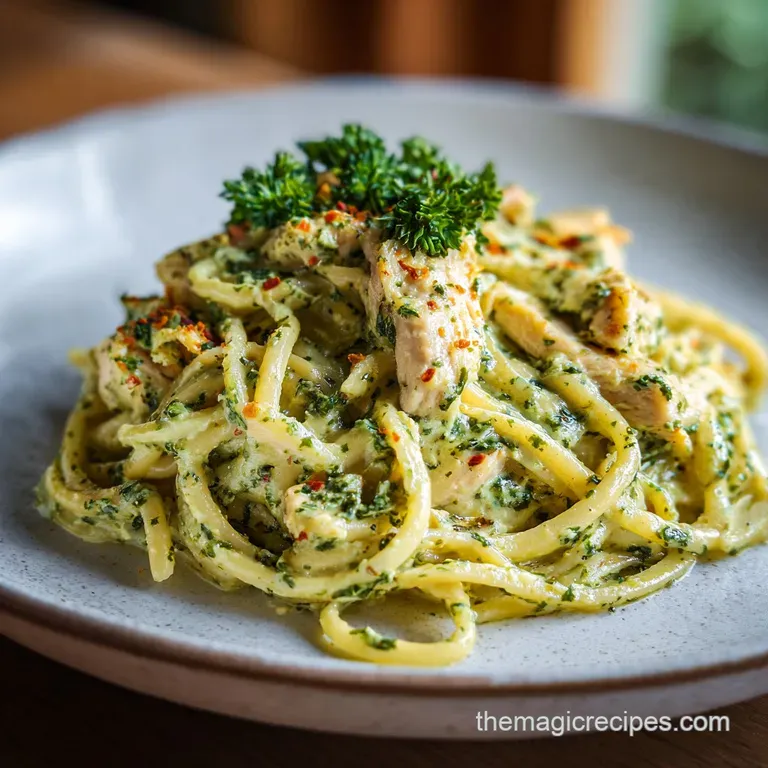
1. Searing Chicken to Perfection
Season your 1.5 lbs of sliced chicken medallions with salt, pepper, and garlic powder. Heat the 2 tbsp of olive oil in your skillet over medium high heat until the oil shimmers and barely wisps smoke. Lay the chicken in a single layer.
Let them sit undisturbed for 3 minutes until a golden brown crust forms, then flip and cook for another 2-3 minutes. Remove the chicken to a plate and keep it covered. Note: This keeps the meat juicy while we build the sauce.
2. Achieving the Al Dente Base
While the chicken sears, boil your 12 oz of penne in salted water. Cook it for about 1-2 minutes less than the box instructions. You want it to have a firm "bite" in the center because it will finish cooking in the sauce.
Shatter a noodle with your teeth to check it should have a tiny white dot of uncooked flour in the very center.
3. Building the Creamy Emulsion
In the same skillet used for the chicken, turn the heat down to medium low. Add the 4 oz of softened cream cheese and 0.5 cup of heavy cream. Whisk constantly as the cheese melts until the mixture is completely smooth and bubbly.
The cream cheese will pick up those browned chicken bits from the pan, turning the sauce a light tan color. This is where the flavor lives!
4. The Final No Heat Marriage
Add the cooked penne, the 0.5 cup of pesto, and the 0.5 cup of Parmesan to the skillet. Pour in that 0.25 cup of reserved pasta water. Toss everything together until the sauce turns a vibrant green and coats every ridge of the pasta.
Fold in the chicken medallions and the 1 cup of halved cherry tomatoes. Turn off the heat immediately. Note: Residual heat will soften the tomatoes without making them mushy.
5. Adding the Fresh Finishing Touches
Garnish with the 0.25 cup of fresh basil chiffonade and a pinch of red pepper flakes. The heat of the pasta will release the basil’s aroma right as you serve it. Serve it immediately while the sauce is at its peak silkiness.
Fixing Sauciness and Texture Issues
Why Your Sauce Separated
If your sauce looks oily or broken, it usually means the heat was too high after you added the pesto. Pesto is essentially an oil based sauce, and high heat causes the solids to clump and the oil to leak out.
| Problem | Root Cause | Solution |
|---|---|---|
| Greasy/Oily Sauce | Pesto was overheated | Remove from heat and whisk in a splash of cold cream. |
| Dry/Sticky Pasta | Not enough liquid | Add reserved pasta water 1 tablespoon at a time. |
| Grainy Texture | Pre shredded cheese used | Use freshly grated Parmesan and whisk over low heat. |
Common Mistakes Checklist
- ✓ Never rinse your pasta after boiling; you need that surface starch for the sauce to stick.
- ✓ Soften the cream cheese before adding it to the pan to avoid white lumps in your green sauce.
- ✓ Don't skip the pasta water it’s the difference between a dry bowl and a velvety one.
- ✓ Add the pesto after the cream base is built to keep the flavor fresh and bright.
- ✓ Pat the chicken dry with paper towels; wet chicken steams instead of searing.
If you find yourself running into issues with the pasta being too dry, it’s a similar fix to what I recommend in my Italian Meatball Soup recipe, where the starch balance defines the broth. In both cases, the liquid you cook the components in is your best friend for adjusting the final texture.
Scaling for Large or Small Groups
Cutting the Recipe in Half
If you’re cooking for two, simply halve all the ingredients. Use a smaller skillet so the sauce doesn't evaporate too quickly. Since you're using 6 oz of pasta, it might cook a minute faster, so stay vigilant. You can use half a block of cream cheese (2 oz) and save the rest for your morning bagel!
Doubling for a Party
When doubling, do not double the oil for the chicken or it will become greasy; 3 tablespoons should suffice for 3 lbs of meat. Work in batches to sear the chicken so you don't crowd the pan and cause the meat to boil in its own juices.
Use a very large pot for the sauce to ensure you have enough room to toss the pasta thoroughly.
Flavor Variations and Spice Options
Adding Sun Dried Tomato Twist
If you want a deeper, more umami heavy flavor, swap half of the basil pesto for sun dried tomato pesto. The red and green colors look beautiful together, and the sweetness of the tomatoes complements the creamy base perfectly.
I like to add a few chopped sun dried tomatoes along with the fresh cherry tomatoes for extra chew.
Creating a Low Carb Alternative
You can easily swap the penne for zucchini noodles or spaghetti squash. If you go this route, do not cook the "noodles" in water. Instead, toss them directly into the finished sauce for about 60 seconds.
They release a lot of water as they heat up, which will naturally thin the sauce, so you may not need the reserved pasta water at all.
Debunking Kitchen Myths
- "You must sear meat to lock in juices": This is a myth. Searing is actually for the Maillard reaction a chemical reaction between amino acids and reducing sugars that gives browned food its distinctive flavor. The juices don't get "locked in," but the taste is significantly better.
- "Adding oil to pasta water prevents sticking": Oil just floats on top and then coats the pasta as you drain it, which prevents the sauce from sticking to the noodles. Just use a big pot of water and stir occasionally to prevent clumping.
Storage Basics and Zero Waste
Keeping it Fresh
Fridge: Store leftovers in an airtight container for up to 3 days. The pasta will absorb the sauce as it sits, so when you reheat it, add a splash of milk or water to loosen it back up. Freezer: I don't recommend freezing this dish.
Cream based sauces and cream cheese tend to change texture and become grainy once thawed and reheated.
Zero Waste Tips
Don't throw away those basil stems! If you have extra, blend them into a quick vinaigrette or throw them into a freezer bag for your next batch of homemade vegetable stock. If you have leftover sauce but no pasta, it makes an incredible topping for baked white fish or a dip for crusty sourdough bread.
Side Dishes for This Pasta
Since this Creamy Chicken Pesto Pasta is quite rich, I always pair it with something bright and crunchy. A simple arugula salad with a lemon vinaigrette is my go to. The bitterness of the arugula cuts right through the heavy cream.
If you're looking for something heartier, a side of roasted broccoli with plenty of charred edges works wonders. The little florets act like sponges for any extra pesto sauce left on your plate. And of course, you can't go wrong with a thick slice of garlic bread to swipe up every last drop of that green velvet sauce.
Decision Shortcut: If you want X, do Y
- If you want it spicier: Double the red pepper flakes and add a teaspoon of chili oil at the end.
- If you want it lighter: Swap the heavy cream for pasta water and a squeeze of fresh lemon juice.
- If you want it crunchier: Top with toasted pine nuts or panko breadcrumbs sautéed in butter.
High in Sodium
1120 mg mg of sodium per serving (49% % of daily value)
The American Heart Association recommends limiting sodium intake to about 2,300mg per day.
Tips to Reduce Sodium in This Recipe
-
Reduce Parmesan-15%
Parmesan cheese is a significant source of sodium. Reduce the amount of Parmesan cheese from 0.5 cup to 0.25 cup. Consider using a low-sodium Parmesan, if available, for even better results.
-
Reduce Added Salt-15%
The recipe calls for 1 tsp of kosher salt. Reduce this amount by half to 0.5 tsp. Taste the dish before adding any more salt to adjust to your preference. Also consider avoiding pre-salted garlic powder.
-
Low-Sodium Pesto-10%
Pesto can be high in sodium. Opt for a low-sodium pesto or make your own using fresh ingredients and controlling the amount of salt added. Alternatively, use half the amount.
-
Skip Pasta Water Salt-5%
Ensure no salt is added to the water when cooking the penne pasta. This will prevent the pasta from absorbing extra sodium.
-
Fresh Tomatoes-5%
Make sure to use fresh tomatoes, not canned. Canned tomatoes are frequently high in sodium.
-
Control Red Pepper Flakes
Use red pepper flakes sparingly. A small pinch can add flavor without significantly increasing the sodium content. Taste as you go!
-
Flavor Boost
Enhance the flavor with fresh herbs and spices like basil, garlic, and pepper, which add depth without increasing sodium. Consider lemon juice for a bright flavor.
Recipe FAQs
Can I use pre-grated Parmesan cheese instead of fresh for this sauce?
No, stick with freshly grated. Pre-shredded cheese contains anti caking agents like cellulose that prevent it from melting smoothly, resulting in a gritty sauce.
How do I prevent the cream cheese from turning grainy when making the sauce base?
Use medium low heat and whisk constantly. Ensure the cream cheese is fully softened beforehand; if the heat is too high, the milk solids separate from the fat, causing graininess.
How to rescue a pesto cream sauce that has separated and looks oily?
Remove the pan immediately from heat and whisk vigorously. Incorporate a splash of cold heavy cream or a tablespoon of cold pasta water to re-emulsify the fat and liquid components.
What is the best pasta shape to ensure the thick sauce adheres properly?
Use short shapes with ridges, like penne or rigatoni. The structure of these shapes is designed to capture and hold thick, velvety sauces far better than smooth shapes.
Why must the pesto be added off the heat at the very end of the cooking process?
To preserve the vibrant color and fresh basil flavor. High heat oxidizes the chlorophyll and cooks out the volatile oils, turning the pesto dull green and bitter.
Is it true that searing the chicken doesn't affect the final sauce flavor?
False. Searing is crucial for deep flavor. The browned bits left in the pan, known as fond, dissolve into the cream base, providing a savory foundation. If you want more practice on building intense savory flavors, see how the same principle works in our Chicken Broccoli Alfredo recipe.
How much reserved pasta water should I add if the sauce seems too thick?
Start by adding pasta water one tablespoon at a time. The starch in the water acts as a natural thickener and emulsifier, helping the sauce cling to the noodles perfectly; it’s the secret weapon for coating everything well.
Creamy Chicken Pesto Pasta
Ingredients:
Instructions:
Nutrition Facts:
| Calories | 1074 calories |
|---|---|
| Protein | 72g |
| Fat | 51g |
| Carbs | 70g |
| Fiber | 4.2g |
| Sugar | 5.8g |
| Sodium | 1120mg |
