Creamy Pesto Dressing: Zesty and Velvety
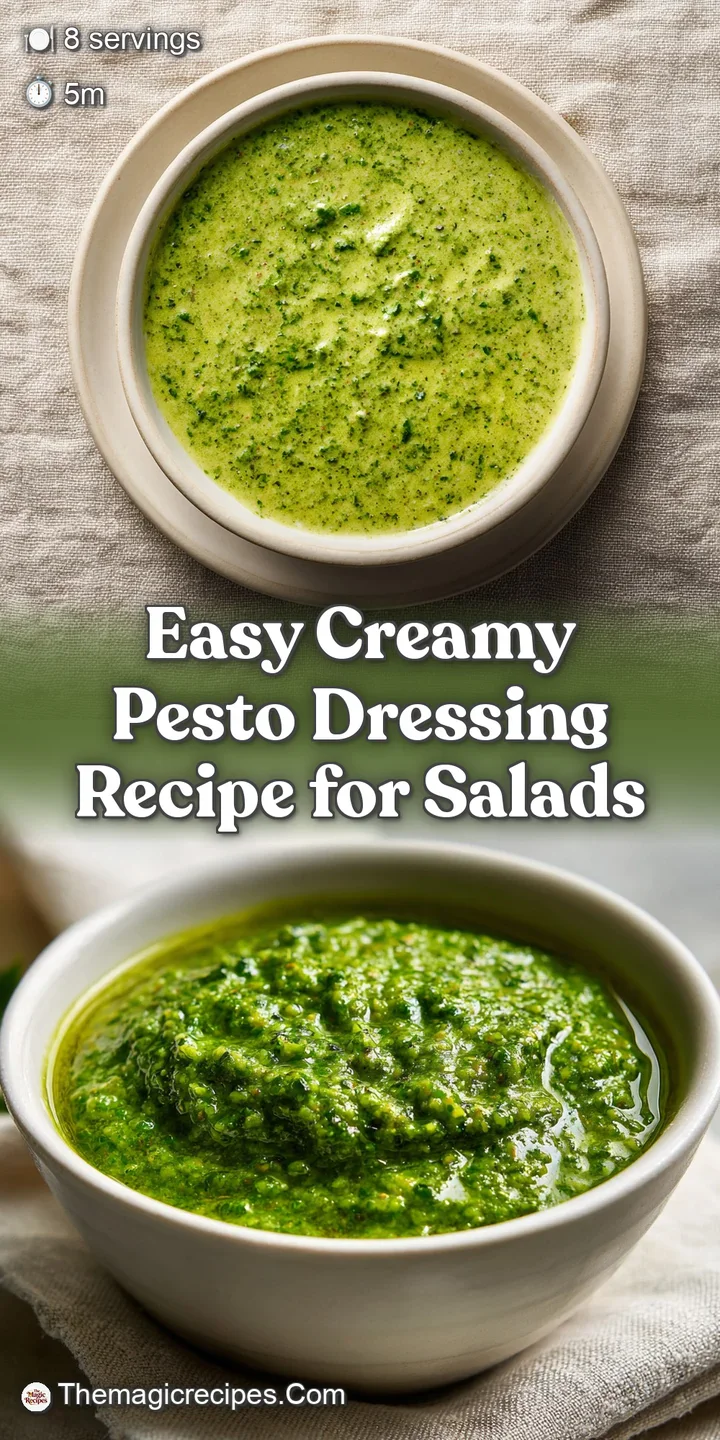
- Time: Active 5 minutes, Passive 0 minutes, Total 5 minutes
- Flavor/Texture Hook: Zesty, velvety herb finish
- Perfect for: Weeknight dinners, meal prep, and dipping
- The Best Quick Creamy Pesto Dressing
- Why This Velvety Sauce Wins
- Component Analysis and Secret Roles
- Simple Pantry Staples Required
- Minimal Tools for Maximum Flavor
- How to Mix in Minutes
- Fixing Texture and Flavor Issues
- Creative Ways to Customize
- Scaling for Large Groups
- The Myth of Fresh Pesto Only
- Keeping Your Dressing Fresh
- What to Serve This With
- Recipe FAQs
- 📝 Recipe Card
The Best Quick Creamy Pesto Dressing
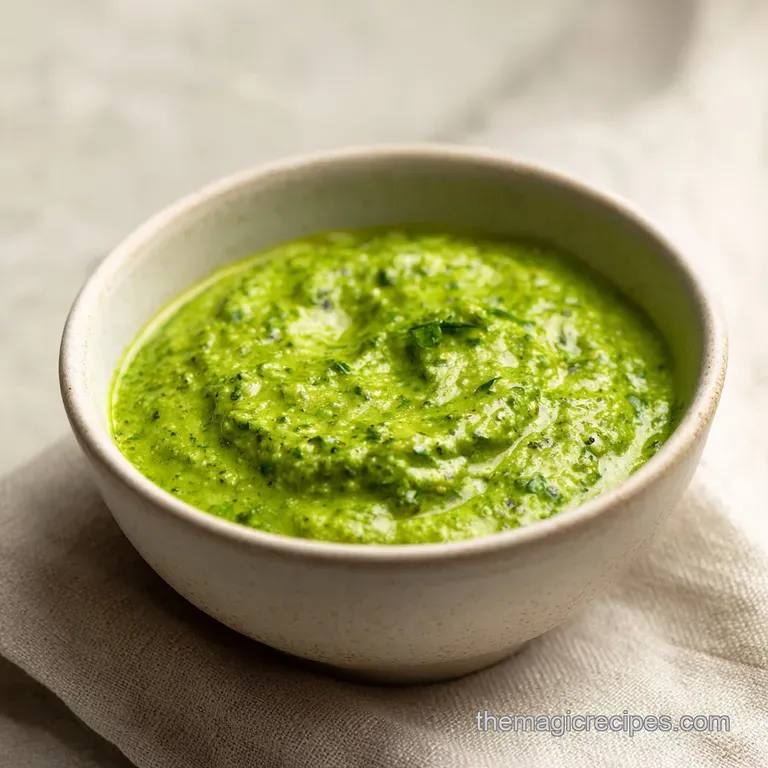
The first time I made this, the aroma of fresh basil hitting the cold, tangy Greek yogurt caught me by surprise. It wasn't that heavy, oily stuff you find in the back of the grocery store aisle. Instead, it was bright, punchy, and looked like a swirl of emerald green silk in the bowl.
I’ve spent way too much money on bottled dressings that just taste like vinegar and preservatives. This recipe changed that for me on a random Tuesday when I had half a jar of pesto and some yogurt about to hit its "use by" date.
Now, it’s my secret weapon for making a simple bag of spinach feel like a restaurant side dish.
You are going to love how the lemon juice cuts through the richness of the mayonnaise. It’s light enough for a summer salad but thick enough to cling to a carrot stick or a slice of crusty bread. Let's get into how we make this happen without making a mess of the kitchen.
Why This Velvety Sauce Wins
- Fat to Acid Ratio: The lemon juice and yogurt break down the heavy fats in the mayo, keeping the mouthfeel light rather than greasy.
- Cold Emulsion Stability: Using cold ingredients helps the buttermilk and pesto bind together without the oil separating.
- Lactic Acid Punch: The Greek yogurt adds a sharp tang that highlights the nuttiness of the Parmesan cheese.
- Alliums Infusion: Mincing the garlic finely allows the juices to permeate the entire batch, giving you a consistent glow of flavor in every bite.
Budget Alternatives for Home Cooks
| Premium | Budget | Flavor Impact | Savings |
|---|---|---|---|
| Pine Nut Pesto | Sunflower Seed Pesto | Slightly earthier finish | Save $4-6 per jar |
| Fresh Parmigiano | Canned Parmesan | Saltier, less nutty | Save $3 per wedge |
| Greek Yogurt | Sour Cream | More fat, less tang | Save $1-2 per tub |
This table helps you decide if you want to go all out or keep it thrifty. Personally, I find the sunflower seed pesto works just as well when you’re mixing it into a creamy base like this.
Component Analysis and Secret Roles
| Ingredient | Science Role | Pro Secret |
|---|---|---|
| Mayonnaise | Primary Emulsifier | Use full fat for the best cling to leafy greens. |
| Lemon Juice | Protein Denaturant | Fresh is non negotiable; it "wakes up" the jarred pesto. |
| Greek Yogurt | Thickening Agent | Whisk it first to remove lumps before adding liquids. |
| Buttermilk | Consistency Control | Adds a subtle cultured tang that plain milk lacks. |
Simple Pantry Staples Required
- 1/2 cup (115g) high-quality mayonnaise: This provides the structure. Why this? It acts as the glue for all the other flavors.
- 1/4 cup (60g) plain Greek yogurt: Adds protein and tang. Why this? It lightens the dressing compared to using only mayo.
- 3 tbsp (45ml) buttermilk: For that pourable texture.
- 1/4 cup (60g) basil pesto: Use your favorite brand or homemade.
- 1 tbsp (15ml) fresh lemon juice: To brighten the herbs.
- 1 clove garlic, finely minced: For a sharp, savory bite.
- 1/4 tsp (1.5g) fine sea salt: Enhances the basil notes.
- 1/4 tsp (0.5g) freshly cracked black pepper: For a tiny bit of heat.
- 2 tbsp (10g) freshly grated Parmesan cheese: Adds a gritty, salty texture.
Minimal Tools for Maximum Flavor
You don't need a heavy food processor for this. A simple medium sized glass bowl and a balloon whisk are your best friends here. I prefer using a microplane for the garlic so it basically turns into a paste nobody wants to bite into a big chunk of raw garlic in their salad.
If you are planning to serve this alongside a larger meal, it’s great to keep it in a mason jar. You can just throw everything in and shake it like a cocktail. It's much faster than cleaning a blender, and it's already in its storage container. For another quick side, you might want to check out my Coleslaw Recipe which uses a similar creamy to acid logic.
How to Mix in Minutes
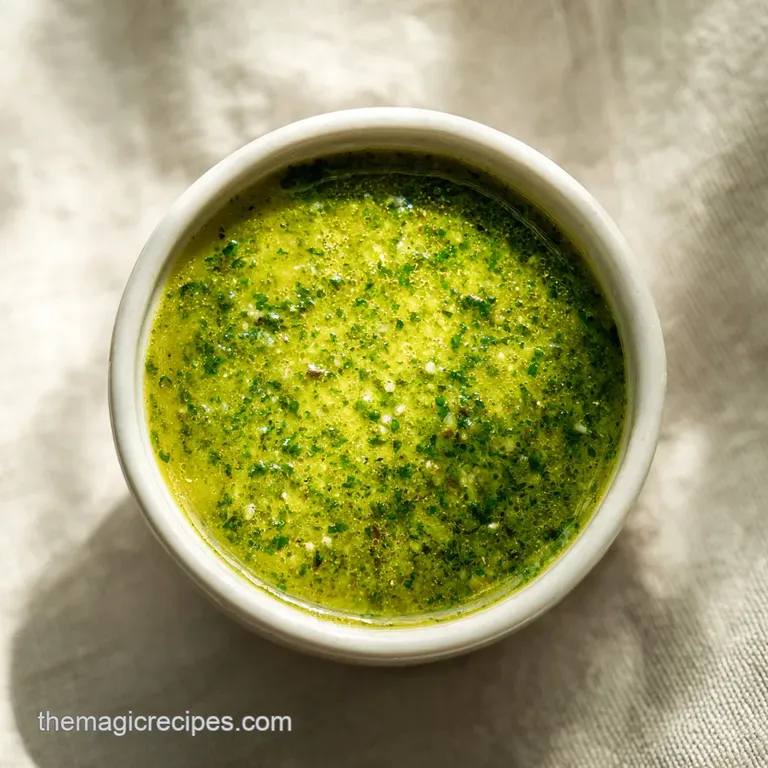
- Prep the garlic. Mince 1 clove of garlic until it's almost a paste. Note: This prevents "hot spots" of raw garlic flavor.
- Combine the creamy base. In a bowl, whisk together 1/2 cup (115g) mayonnaise and 1/4 cup (60g) Greek yogurt until the mixture is completely smooth.
- Add the pesto. Fold in 1/4 cup (60g) basil pesto.
- Introduce the acid. Pour in 1 tbsp (15ml) fresh lemon juice. Note: The acid will slightly thin the mayo yogurt mixture.
- Whisk in buttermilk. Add 3 tbsp (45ml) buttermilk slowly until you reach a velvety, pourable consistency.
- Season the batch. Stir in 1/4 tsp (1.5g) fine sea salt and 1/4 tsp (0.5g) cracked black pepper.
- Add the cheese. Fold in 2 tbsp (10g) freshly grated Parmesan.
- Taste and adjust. Dip a leaf of lettuce in to check the salt level.
- Chill the dressing. Cover and refrigerate for at least 10 minutes until the flavors marry and the garlic mellows.
Fixing Texture and Flavor Issues
The Texture is Grainy
This usually happens if your Parmesan is too coarsely grated or if the pesto has large nut fragments. To fix it, give it a quick 10 second pulse in a small blender. If you don't want to wash a blender, just add another tablespoon of buttermilk to help the solids suspend better in the liquid.
The Dressing is Too Salty
Pesto and Parmesan are both salt bombs. If you find it’s too much, add an extra dollop of Greek yogurt. The fat and sweetness in the yogurt will neutralize the saltiness without ruining the flavor profile.
| Problem | Root Cause | Solution |
|---|---|---|
| Too thick | Not enough buttermilk | Add buttermilk 1 tsp at a time until it flows. |
| Too bland | Lack of acidity | Add an extra squeeze of lemon juice or a drop of vinegar. |
| Separating | Oil in pesto is heavy | Whisk vigorously or shake in a sealed jar. |
Common Mistakes Checklist
- ✓ Never use "lemon juice" from a plastic bottle; the metallic aftertaste ruins the fresh basil.
- ✓ Don't skip the resting period even 10 minutes in the fridge makes a huge difference.
- ✓ Ensure your pesto is at room temperature before mixing to prevent the mayo from clumping.
- ✓ Grate your own Parmesan; pre shredded cheese has starch coatings that prevent a silky finish.
Creative Ways to Customize
Chef's Tip: If you want a "shatter" effect on your salad, freeze your Parmesan wedge for 10 minutes before grating it directly over the dressed leaves. It creates these tiny, crisp flakes that don't melt into the sauce immediately.
If you are looking for a lighter Mediterranean twist, you can swap the mayo for extra Greek yogurt and add a spoonful of tahini. It gives it an earthy depth. For a different vibe entirely, you might enjoy my Lemon Tahini Dressing recipe, which is naturally dairy-free.
If you want a spicy kick, add a half teaspoon of red pepper flakes or a dash of hot sauce. The creaminess of the yogurt handles the heat exceptionally well, making it a perfect dip for pizza crusts or roasted potatoes.
Scaling for Large Groups
When you need to feed a crowd, this recipe scales up beautifully. For doubling the batch (16 servings), use the full quantities but keep an eye on the lemon juice. I usually suggest using 1.5x the lemon and salt first, then tasting. Sometimes 2x the acid can become a bit overwhelming in larger volumes.
If you are scaling down for a solo lunch, just halve everything. Since there are no eggs to deal with, it’s one of the easiest recipes to divide. Just remember to reduce the salt to a "pinch" rather than a measured 1/8 tsp to avoid over salting a small bowl.
The Myth of Fresh Pesto Only
A lot of people think you can only make a good dressing if you spend an hour crushing basil in a mortar and pestle. That’s just not true. A high-quality store-bought pesto works perfectly here because the other ingredients like the lemon and fresh garlic actually "re activate" those jarred flavors.
Another myth is that you need a blender for "emulsification." While a blender is great for vinaigrettes, this creamy base is already stable thanks to the mayo. A simple hand whisk is all it takes to get that professional, silky look.
Keeping Your Dressing Fresh
Storage: Keep this in an airtight container (a glass jar is best) in the fridge for up to 5 days. Because it contains dairy and mayo, do not leave it out on the counter for more than 30 minutes.
Zero Waste Tip: If you have just a little bit left in the jar, don't wash it out! Throw in some cooked, cold pasta and a few cherry tomatoes. Shake it up, and you’ve got a "ready to go" pesto pasta salad for tomorrow's lunch. You can also use the leftover buttermilk in my Pesto Ravioli in recipe to add a little creaminess to the sauce.
What to Serve This With
This dressing isn't just for salad. It is an incredible spread for a turkey club sandwich or a dip for grilled chicken skewers. I love drizzling it over roasted cauliflower or even using it as a sauce for a quick flatbread pizza.
If you're doing a big Italian style dinner, serve this over a simple arugula salad alongside a heavier main. The brightness of the lemon and basil helps clean the palate between bites of pasta or steak.
It’s also a lifesaver for those "clean out the fridge" nights where you just have some leftover veggies and a protein this sauce makes anything feel like a cohesive meal.
Recipe FAQs
How do you make creamy pesto dressing?
Whisk mayonnaise, Greek yogurt, buttermilk, and basil pesto together. Start by smoothing the mayonnaise and yogurt base, then gently fold in the pesto, lemon juice, and seasonings until velvety. For best results, chill for at least 10 minutes to allow the flavors to meld together properly.
How do you make simple pesto dressing?
Combine pesto with a binding liquid and acid, then whisk vigorously. For a very simple, non-creamy version, mix pesto with olive oil and fresh lemon juice until emulsified. If you want a creamy texture without mayo, add a spoonful of Greek yogurt as seen in our technique for Dill Dip Recipe.
What makes pesto creamier?
Adding a high fat, smooth dairy or oil-based ingredient achieves creaminess. Mayonnaise provides the best stability due to its existing emulsion, while Greek yogurt or sour cream adds tanginess while significantly increasing body. Buttermilk helps thin the mixture to a perfect pourable consistency.
How to make an easy creamy salad dressing?
Combine your flavor base (pesto) with mayonnaise and buttermilk in a bowl. Whisk the mayo and yogurt until smooth, then slowly incorporate the buttermilk until you achieve a pourable, ribbon like consistency. If you enjoyed mastering the stable emulsion here, apply that same whisking principle when making a tangy dip like our Horseradish Sauce for recipe.
Can I use sour cream instead of Greek yogurt?
Yes, you can substitute sour cream for Greek yogurt. Sour cream has a higher fat content, which will result in a slightly richer, less tangy dressing than the standard yogurt version. Taste before adding extra salt, as sour cream can sometimes mute brighter flavors.
How long does homemade creamy pesto dressing last in the fridge?
Expect it to stay fresh for up to 5 days refrigerated in an airtight container. Because this recipe uses mayonnaise and dairy, it must be stored cold immediately after mixing. Do not let it sit at room temperature longer than 30 minutes for safety reasons.
Is it true that I must use a blender to emulsify this dressing?
No, this is a common misconception. Since the base uses mayonnaise, which is already an emulsion, a simple balloon whisk or shaking vigorously in a sealed jar is sufficient. Using a blender often incorporates too much air, which can make the final texture light rather than dense and velvety.
Creamy Pesto Dressing Recipe
Ingredients:
Instructions:
Nutrition Facts:
| Calories | 143 kcal |
|---|---|
| Protein | 1.9 g |
| Fat | 14.3 g |
| Carbs | 2.2 g |
| Fiber | 0.2 g |
| Sugar | 0.9 g |
| Sodium | 256 mg |
