Pesto Ravioli: Silky Yogurt Sauce
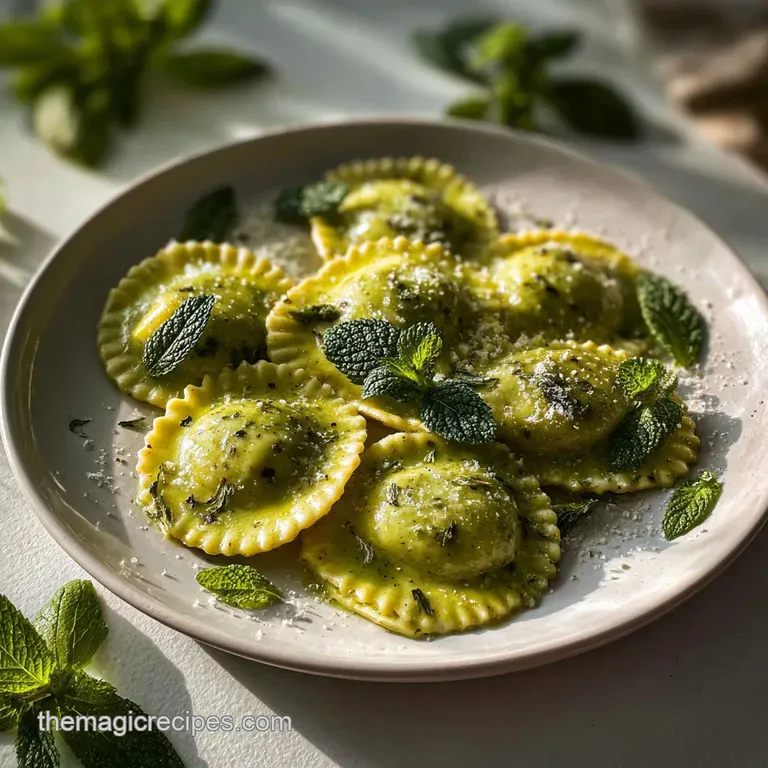
- Time: Active 5 minutes, Passive 10 minutes, Total 15 minutes
- Flavor/Texture Hook: Zesty, herbaceous, and silky
- Perfect for: Busy weeknight dinners or a 15 minute healthy lunch
- Quick Weeknight Fix: Easy Pesto Ravioli
- The Science of Silky Sauces
- Component Analysis and Selection
- Essentials for Your Pantry
- Kitchen Tools You Need
- The Simple Cooking Flow
- Fixing Common Cooking Errors
- Easy Dietary Adaptations
- Storage and Reheating Tips
- What to Serve Alongside
- Very High in Sodium
- Recipe FAQs
- 📝 Recipe Card
Quick Weeknight Fix: Easy Pesto Ravioli
The first time I tried to make a creamy pesto sauce, I made a massive mistake. I threw cold pesto and heavy cream into a hot pan and watched in horror as the oil separated, leaving me with a pool of green grease and grainy clumps. It was a mess.
I realized then that "creamy" doesn't have to mean "heavy," and it certainly shouldn't mean "broken."
Since then, I’ve been obsessed with finding a way to get that velvety texture without the sauce splitting. The secret turned out to be sitting in my fridge the whole time: plain Greek yogurt.
When you hit it with a splash of salty, starchy pasta water, it creates this incredible bond that clings to the pasta like a dream.
We’ve all had those Tuesday nights where the kids are hungry, the fridge looks bare, and you have exactly fifteen minutes to get something on the table. This dish is my absolute "insurance policy" for those nights.
It’s fast, it’s reliable, and because we’re using 2 cups of shredded chicken, it actually keeps everyone full until breakfast.
The Science of Silky Sauces
Starch Suspension: Using 1/2 cup of reserved pasta water introduces amylose, which acts as a bridge between the fats in the pesto and the proteins in the yogurt.
Acidic Stabilization: The lactic acid in the 1/4 cup of Greek yogurt prevents the proteins from tightening up and curdling when they hit the warmth of the pasta.
Emulsion Synergy: Whisking the pesto and yogurt together before adding the pasta creates a stable fat in-water emulsion that resists "oiling out" even as it cools.
Maillard Enhancement: Toasting the 2 tablespoons of pine nuts briefly creates new flavor compounds that mimic the deep, savory notes of aged cheese.
| Servings | Ravioli Amount | Chicken Needed | Sauce Volume |
|---|---|---|---|
| 2 People | 0.5 pound | 1 cup | 0.5 cup |
| 4 People | 1 pound | 2 cups | 1 cup |
| 6 People | 1.5 pounds | 3 cups | 1.5 cups |
This table helps you plan exactly how much to grab from the store so you don't end up with half a bag of frozen pasta taking up space. If you're cooking for a crowd, remember that ravioli expands slightly, so don't overcrowd your pot.
I've found that using a large, shallow bowl for mixing is actually better than a pot. It gives you more surface area to toss the pasta, ensuring every single piece is draped in that green gold. If you're looking for more ways to use that chicken, our High Protein Meal recipe is another fantastic option for your weekly rotation.
Component Analysis and Selection
| Ingredient | Science Role | Pro Secret |
|---|---|---|
| Pasta Water | Emulsifier | Never salt it until it boils to avoid pitting your stainless steel pans. |
| Greek Yogurt | Protein Binder | Use full fat (5%) for the smoothest mouthfeel and to prevent any "tangy" break. |
| Basil Pesto | Fat Source | Look for "refrigerated" versions; they have more chlorophyll and a brighter sizzle. |
| Lemon Zest | Flavor Volatile | Microplane only the yellow part; the white pith will turn your sauce bitter. |
Essentials for Your Pantry
To make this Pesto Ravioli, you’ll want to gather these specific items. Quality really matters here because the ingredient list is so short.
- 1 pound fresh or frozen cheese ravioli: I prefer the refrigerated kind for a better bite. Why this? Fresh pasta releases more starch into the water, helping the sauce bind better.
- 1 tablespoon sea salt: Essential for the pasta water.
- 1/2 cup basil pesto: Use a high-quality brand or homemade.
- 1/4 cup plain Greek yogurt: This is our secret to a healthy, creamy texture. Why this? It provides creaminess with half the calories of heavy cream.
- 1/2 cup freshly grated Parmesan cheese: Don't use the stuff in the green shaker can.
- 1/2 cup reserved starchy pasta water: The "liquid gold" that saves the sauce.
- 1 teaspoon lemon zest: For a hit of brightness.
- 2 cups cooked shredded chicken breast: Rotisserie chicken works perfectly here.
- 2 tablespoons toasted pine nuts: Provides a necessary "shatter" of texture.
- 0.25 teaspoon fresh cracked black pepper: For a mild heat finish.
For a fun appetizer to start the meal, you could even serve a quick Cheese Ball Recipe with some crackers while the water boils.
Kitchen Tools You Need
You don't need a professional kitchen for this. A standard 6 quart pot is best for the pasta to ensure it doesn't stick together. I also highly recommend a microplane for the lemon zest and a solid whisk for the sauce emulsion.
Chef's Note: If you don't have a microplane, use a vegetable peeler to take off a thin strip of yellow skin and mince it very finely with your knife.
Make sure you have a colander ready in the sink, but and this is the most important part put a measuring cup inside it. This forces you to remember to save that 1/2 cup of pasta water before you dump everything down the drain.
I can't tell you how many times I've forgotten and had to use plain hot water, which just isn't the same.
The Simple Cooking Flow
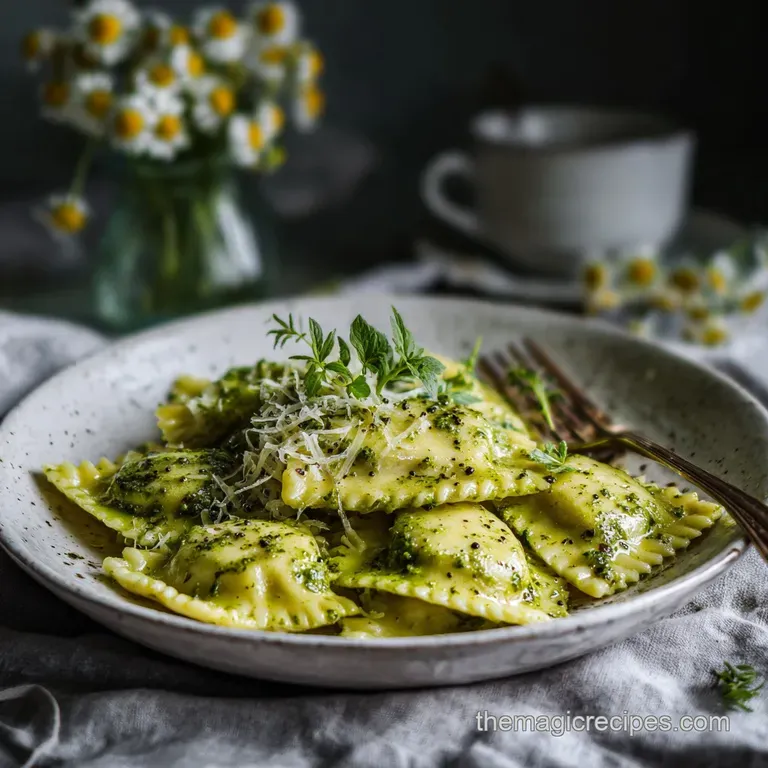
1. The Concentrated Boil
Bring a large pot of water to a rolling boil and add 1 tablespoon sea salt. Drop in 1 pound cheese ravioli. Cook for 3-5 minutes (if fresh) or 8-10 minutes (if frozen) until they float to the surface.
Note: Floating is the universal sign that the filling is hot and the dough is cooked.
2. The Emulsion Base
While the pasta cooks, whisk together 1/2 cup pesto, 1/4 cup Greek yogurt, and 1/2 cup Parmesan cheese in a large mixing bowl. Slowly drizzle in 1/2 cup reserved pasta water while whisking until the mixture looks velvety and smooth.
3. The Pasta Marriage
Use a slotted spoon to transfer the ravioli directly from the water into the sauce bowl. Add 2 cups shredded chicken. Toss gently with a silicone spatula until every ravioli is fully coated without breaking the delicate pasta skins.
4. The Finishing Touch
Divide into four bowls. Top with 1 teaspoon lemon zest, 2 tablespoons toasted pine nuts, and 0.25 teaspoon black pepper. Serve immediately while the steam carries the aroma of fresh basil.
| Method | Time | Texture | Best For |
|---|---|---|---|
| Stovetop | 15 mins | Silky and light | Quick weeknight dinners |
| Oven Bake | 25 mins | Crispy edges | Weekend comfort food |
Fixing Common Cooking Errors
Why Your Sauce Is Oily
If the sauce looks like it’s separating into green puddles, it’s usually because the heat was too high or you didn't use enough pasta water. Pesto is essentially an oil based sauce, and it needs the starch to stay together.
| Problem | Root Cause | Solution |
|---|---|---|
| Broken Sauce | Too much direct heat | Whisk in 1 tbsp extra pasta water off the heat. |
| Gummy Pasta | Overcooked ravioli | Boil for 1 minute less than the package says. |
| Bland Flavor | Not enough salt in water | Add a pinch of sea salt directly to the finished sauce. |
Mistakes to Avoid Checklist
- ✓ Never rinse the pasta after boiling; you need that surface starch for the sauce to stick.
- ✓ Don't add the yogurt to a boiling pot; it will curdle instantly.
- ✓ Save the pasta water before you drain the pasta.
- ✓ Toast the pine nuts in a dry pan only until they smell fragrant they burn in seconds.
- ✓ Use room temperature pesto and yogurt to avoid dropping the pasta temperature too quickly.
Easy Dietary Adaptations
If you need to tweak this for your family, it’s actually quite flexible. For a Protein Packed Variation, you can swap the chicken for sautéed shrimp or even sliced Italian sausage. Just make sure the protein is fully cooked before tossing it with the ravioli.
If you are looking for a Plant Based/Vegan Swap, use a dairy-free pesto and swap the Greek yogurt for a plain almond based yogurt. You can use nutritional yeast instead of Parmesan to keep that savory, "cheesy" profile. It won't be quite as thick, but it’s still very satisfying.
For those watching carbs, try using a cauliflower based ravioli. The cooking time might be slightly shorter, so keep a close eye on the pot. The sauce ingredients remain exactly the same, as they are naturally lower in sugar and high in healthy fats.
Storage and Reheating Tips
Fridge: Store leftovers in an airtight container for up to 3 days. The sauce will thicken as it cools, so don't be alarmed if it looks a bit stiff the next day. Freezer: I don't recommend freezing the assembled dish as the yogurt base can become grainy when thawed.
However, you can freeze the ravioli and the pesto separately for up to 3 months.
Zero Waste Tip: If you have leftover pesto, freeze it in an ice cube tray. You can pop a "pesto cube" into soups or stews later for a massive flavor boost. To reheat the ravioli, add a teaspoon of water or milk and microwave on medium power for 90 seconds.
This creates a little steam to loosen the sauce back to its original silky state.
What to Serve Alongside
To turn this into a full Sunday night feast, I love pairing it with a light, crisp salad. A Grilled Caprese Skewers recipe is a perfect thematic match. The balsamic glaze on the skewers cuts through the richness of the pesto perfectly.
If you want something warm, these Honey Roasted Carrots Recipe add a beautiful sweetness that balances the salty Parmesan. It’s all about creating a plate that has different textures the soft ravioli, the crunchy pine nuts, and a fresh vegetable side.
Regardless of what you choose, this Pesto Ravioli stands on its own as a complete meal. It’s got the carbs, the protein, and the healthy fats to keep everyone at the table happy. Just don't forget the extra black pepper at the end it really wakes up the whole dish!
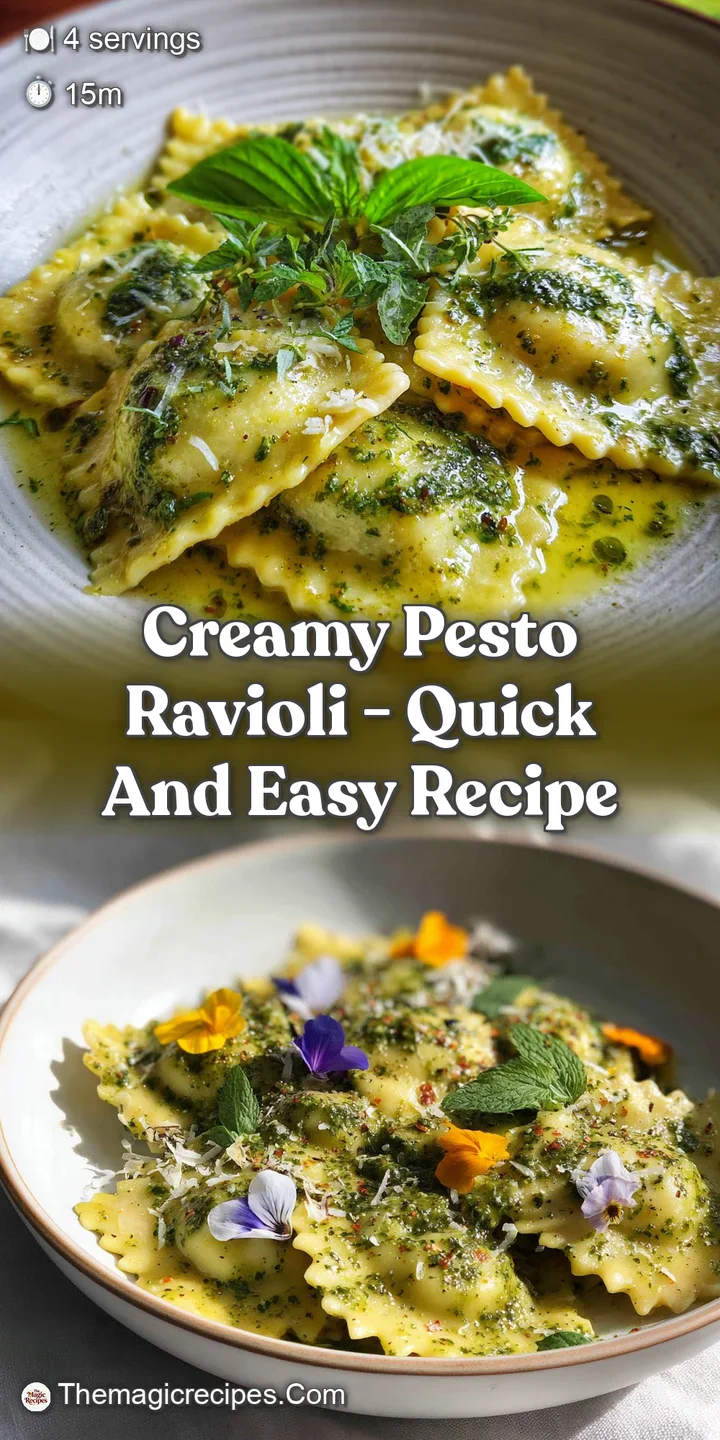
Very High in Sodium
1145 mg mg of sodium per serving (50% % of daily value)
The American Heart Association recommends limiting sodium intake to about 2,300mg per day.
Sodium Reduction Strategies for Ravioli with Pesto
-
Reduce Parmesan Cheese-20%
Parmesan cheese is a major sodium contributor. Reduce the amount of Parmesan by half or substitute with a lower sodium cheese option like part skim mozzarella to significantly lower the sodium content.
-
Choose Low Sodium Ravioli-15%
Many ravioli options are high in sodium. Seek out fresh or frozen ravioli labeled as 'low sodium' or 'reduced sodium' to substantially decrease the sodium per serving.
-
Omit Added Salt-25%
Eliminate the 1 tablespoon of added sea salt completely. The pesto and Parmesan already contribute sodium. Taste the dish before adding any additional salt; it's likely unnecessary.
-
Fresh Herbs & Spices
Enhance the flavor profile with fresh herbs like extra basil, parsley, or oregano. Incorporate spices such as garlic powder or red pepper flakes for a more robust taste without adding sodium.
-
Lower Sodium Pesto-15%
Pesto can be high in sodium depending on the brand or recipe. Opt for a store-bought pesto labeled as 'low sodium' or make your own homemade version, carefully controlling the amount of salt added.
-
Unseasoned Chicken-10%
Ensure that the cooked shredded chicken breast isn't seasoned with salt or high sodium spice blends. Using plain chicken allows for better control over the overall sodium content of the dish.
Recipe FAQs
Does pesto work well with ravioli?
Yes, pesto is an excellent pairing for ravioli. Pesto’s bright basil and garlic notes complement the savory filling of cheese or meat ravioli beautifully. For a creamier texture that clings better, blend it with starchy pasta water and Greek yogurt, as detailed in this recipe.
What goes well with pesto ravioli?
Light, acidic, or lightly charred sides balance the richness of the pesto. A simple side salad with a bright vinaigrette, grilled asparagus, or even roasted cherry tomatoes are fantastic additions. This recipe uses shredded chicken, making it a complete meal already.
Can you add pesto straight from the jar to hot pasta?
No, adding pesto directly to hot pasta often causes the oil to separate. The high heat will "cook" the basil and cause the fats to break away from the solids, resulting in a greasy pool rather than a creamy coating. Always emulsify it with reserved, starchy pasta water first.
What is the best sauce to go with cheese ravioli?
The best sauce depends on the desired richness, but simple sauces shine. Classic options include brown butter and sage, a light marinara, or a creamy sauce like the Greek yogurt based pesto here. Avoid heavy cream sauces unless you temper them significantly.
How do I make my pesto sauce creamy without using heavy cream?
Whisk Greek yogurt into the pesto off the heat, using starchy pasta water to thin it. The protein in the yogurt binds with the starch from the water, creating a stable, velvety emulsion that coats the pasta without the heavy fat content of cream.
Should I toss the ravioli in the sauce while it is still boiling?
No, remove the ravioli from the heat before tossing it with the sauce base. If you add the yogurt based sauce mixture to the boiling pot, the high temperature will cause the yogurt proteins to seize up and curdle instantly. Mix in a separate bowl.
How long should I cook frozen ravioli before making the pesto sauce?
Cook frozen ravioli for about 8 to 10 minutes, or until they float to the surface. It is critical to reserve at least 1/2 cup of this cooking water before draining because the released starch is essential for creating the sauce emulsion.
Creamy Pesto Ravioli
Ingredients:
Instructions:
Nutrition Facts:
| Calories | 682 kcal |
|---|---|
| Protein | 43.7 g |
| Fat | 36.4 g |
| Carbs | 42.8 g |
| Fiber | 3.2 g |
| Sugar | 2.6 g |
| Sodium | 1145 mg |
