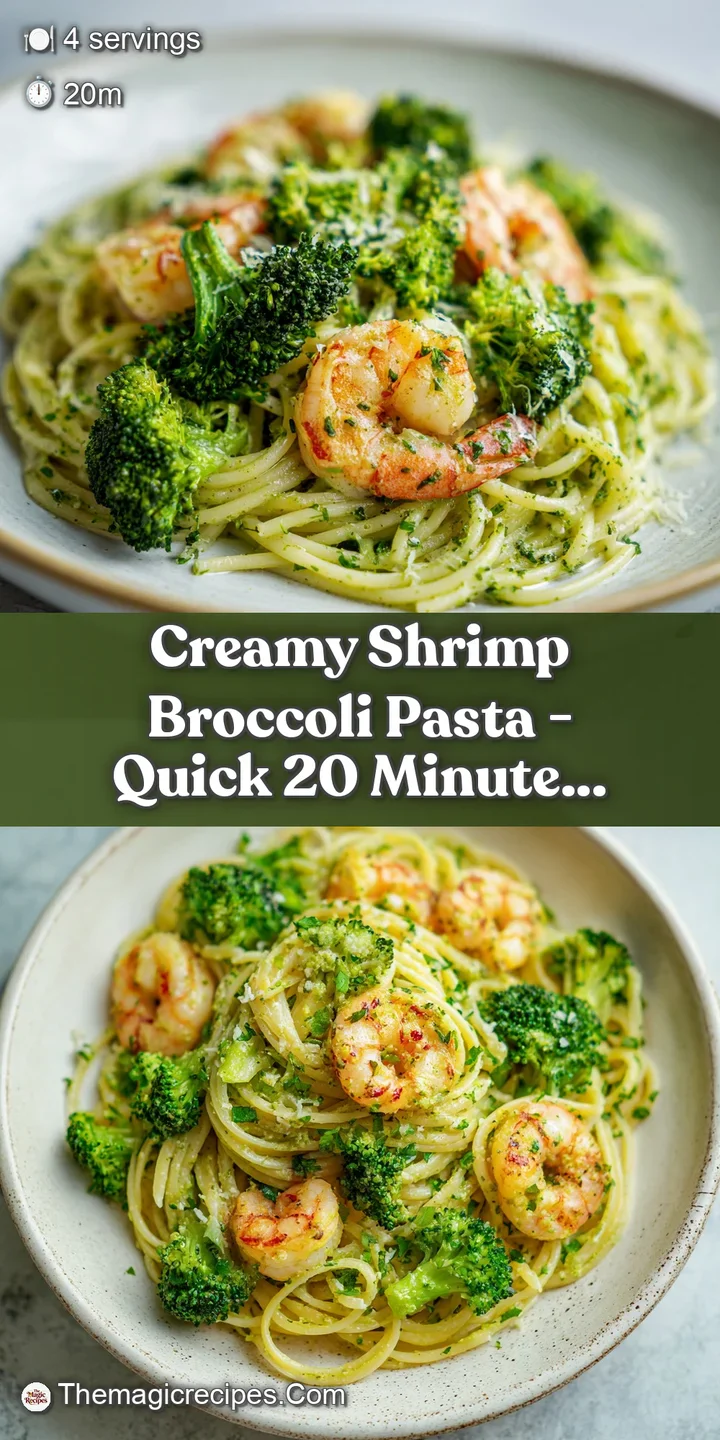
Creamy Shrimp Broccoli Pasta: Velvety & Quick
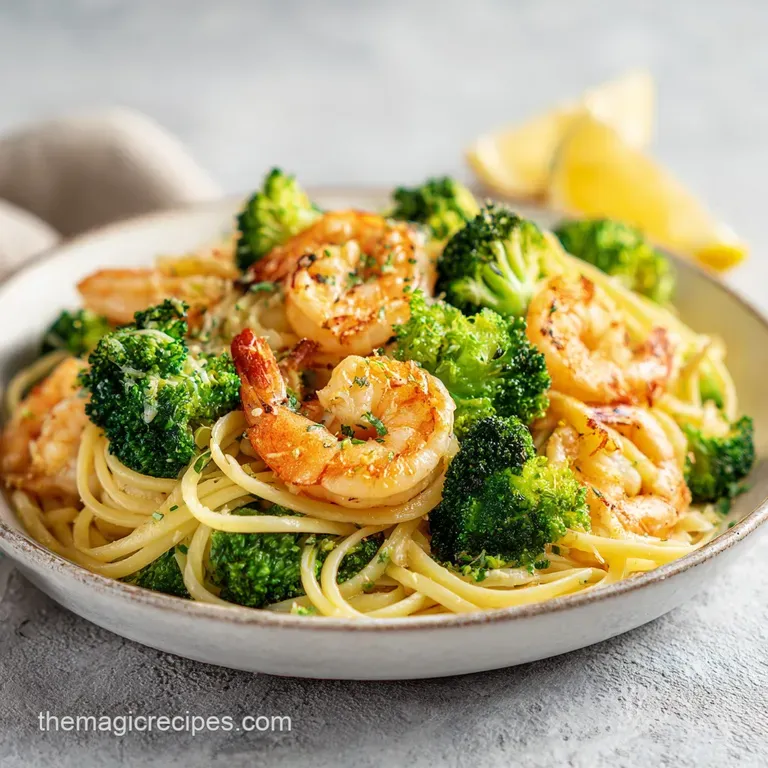
- Time: Active 10 mins, Passive 10 mins, Total 20 mins
- Flavor/Texture Hook: Velvety cream cheese sauce with a spicy snap
- Perfect for: Busy weeknight solutions for hungry families
- Master the Ultimate Creamy Shrimp Broccoli Pasta
- Essential Recipe Performance Specs
- Component Analysis and Selection
- The Alchemy of Ingredients
- Minimal Tools for Maximum Speed
- Step-by-Step Cooking Process
- Solving Common Pasta Problems
- Flavor Variations and Healthy Subs
- Debunking Kitchen Myths
- Smart Storage and Waste Reduction
- Perfect Pairings and Serving Ideas
- High in Sodium
- Recipe FAQs
- 📝 Recipe Card
Master the Ultimate Creamy Shrimp Broccoli Pasta
The sizzle of a hot pan meeting cold shrimp is the sound of a Tuesday night being saved. I remember the first time I tried making a white sauce pasta after a long shift; I ended up with a gummy mess and a sink full of three different pots.
It was a disaster, but it taught me that you don't need a heavy roux or a gallon of cream to get that silky mouthfeel we all crave.
This Creamy Shrimp Broccoli Pasta is my go to when the clock is ticking and the family is hovering near the kitchen. We are talking about a dish that feels like a treat but actually leans on healthy swaps like light cream cheese and pasta water to do the heavy lifting.
You get that punch of garlic and the warmth of smoked paprika without spending an hour at the stove.
You'll find that the secret isn't in expensive ingredients, but in how we handle the starch. By the time the pasta hits the 8 minute mark, your sauce is already coming together in the same pan you used for the shrimp. It's efficient, it's fast, and honestly, it’s the only way I cook pasta anymore.
Let's get into the mechanics of why this works every single time.
Essential Recipe Performance Specs
Starch Emulsification: The reserved pasta water contains dissolved amylose which binds the fats from the cheese to the liquid broth, creating a stable, velvety coating. This prevents the sauce from breaking or becoming greasy as it cools.
Maillard Reaction Control: Searing the shrimp quickly over high heat creates a savory crust through protein browning while the interior remains tender. Overcrowding the pan would cause them to steam, losing that vital snap and depth of flavor.
| Method | Time | Texture | Best For |
|---|---|---|---|
| Stovetop | 10 mins | Crisp broccoli, snappy shrimp | Quick weeknight efficiency |
| Oven (Baked) | 15 mins | Soft vegetables, melted crust | Large batches and meal prep |
Cooking on the stovetop allows for better control over the shrimp's texture, ensuring they don't turn rubbery. The heat remains direct, which is vital for the 20 minute timeline we are aiming for here.
Component Analysis and Selection
| Ingredient | Science Role | Pro Secret |
|---|---|---|
| Light Cream Cheese | Emulsifier | Use room temperature blocks to prevent grainy clumps |
| Reserved Pasta Water | Thickener | The salt and starch act as a "glue" for the sauce |
| 1 lb Large Shrimp | Protein Base | Pat them bone dry before seasoning for a better sear |
| Fresh Broccoli | Structure | Add to the boiling pasta in the last 2 mins for perfect crunch |
The light cream cheese is a fantastic workhorse in this recipe because it provides the fat needed for a rich feel without the heavy calorie count of traditional Alfredo sauces. It melts quickly into the chicken broth, creating a base that clings to the ridges of your Penne or the flat surface of your Linguine.
This technique is very similar to how I balance textures in my Cheesy Mostaccioli Pasta recipe, where the cheese needs to bridge the gap between the pasta and the protein.
The Alchemy of Ingredients
- 8 oz dry Penne, Fettuccine, or Linguine: The backbone of the dish. Why this? Ridged or flat noodles catch the velvety sauce better than thin spaghetti.
- Substitute: Whole wheat pasta for extra fiber and a nuttier profile.
- 2 cups fresh broccoli florets: Adds much needed crunch and vitamins. Why this? It par cooks in the pasta water, saving time and equipment.
- Substitute: Asparagus tips for a more delicate, earthy flavor.
- 1 lb large shrimp (peeled and deveined): The quick cooking protein star. Why this? Shrimp provides a high protein, low-fat center that cooks in 3 minutes.
- Substitute: Diced chicken breast, though it requires 5-7 minutes of cook time.
- 1/2 cup light cream cheese: The shortcut to a creamy texture. Why this? It's lower in fat but melts into a smooth, stable emulsion.
- Substitute: Full fat Greek yogurt for a tangier, higher protein finish.
- 1/2 cup freshly grated Parmesan cheese: Provides saltiness and "melt ability." Why this? Pre shredded cheese has anti caking agents that make sauces grainy.
- Substitute: Pecorino Romano for a sharper, saltier bite.
- 1/2 cup low sodium chicken broth: Thins the sauce while adding depth. Why this? It’s more flavorful than plain water but keeps sodium in check.
- Substitute: Vegetable broth or a splash of dry white wine.
- 1/2 tsp smoked paprika: Adds a subtle woodsy warmth. Why this? It bridges the gap between the garlic and the sweet shrimp.
- Substitute: Regular paprika or a pinch of cumin.
- 3 cloves garlic, minced: The essential aromatic base. Why this? Fresh garlic provides a spicy bite that jarred versions lack.
- Substitute: 1 tsp garlic powder in a pinch.
Chef's Tip: Freeze your Parmesan block for 10 minutes before grating. It prevents the cheese from softening against your hand and ensures a fine, fluffy pile that melts instantly into the sauce.
Minimal Tools for Maximum Speed
Working in a small kitchen taught me that the fewer dishes I use, the more I enjoy cooking. You really only need one large pot for the pasta and one wide skillet for everything else.
A wide skillet is better than a deep pan because it allows moisture to evaporate faster, which is how we get that golden sear on the shrimp rather than a soggy, gray mess.
For the Healthy Creamy Sauce
Using a silicone whisk instead of a spoon when adding the cream cheese to the broth is a game changer. It breaks up the cheese faster, ensuring the emulsion happens before the broth evaporates too much. If you're looking for another fast dinner that uses a similar pan sauce method, check out this Creamy Lemon Shrimp recipe.
step-by-step Cooking Process
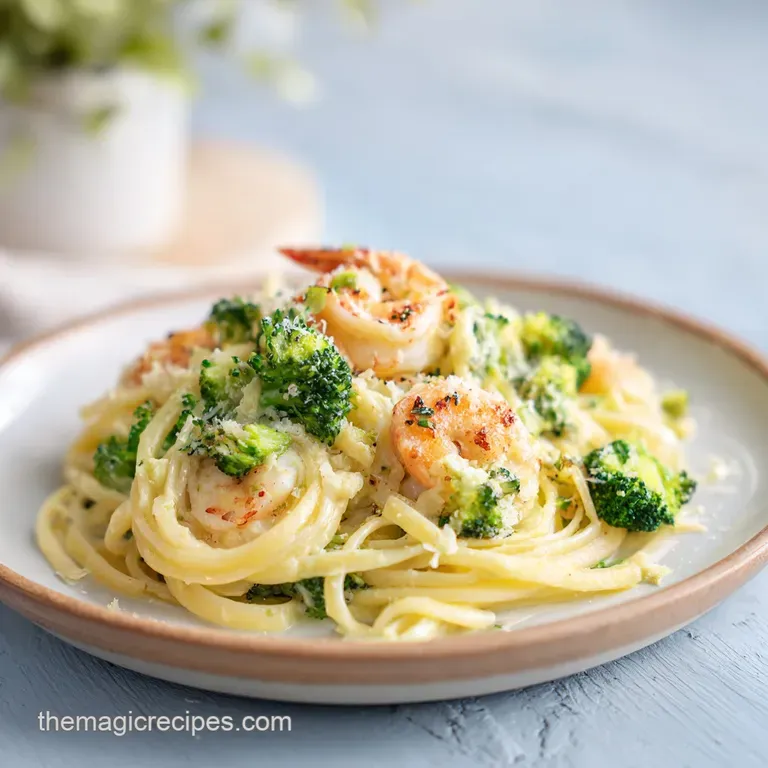
- Boil the water. Fill a large pot with water and 1 tbsp sea salt, then bring to a rolling boil.
- Cook the pasta. Add 8 oz dry pasta and cook according to package directions. Note: Set a timer for 2 minutes less than the "al dente" time.
- Blanch the greens. Add 2 cups fresh broccoli florets to the boiling pasta water during the last 2 minutes of cook time until bright green and tender crisp.
- Save the liquid. Reserve 1/2 cup pasta water before draining the pasta and broccoli together.
- Season the shrimp. Toss 1 lb shrimp with 1 tsp smoked paprika and 1/2 tsp black pepper in a small bowl.
- Sear the protein. Heat 1 tbsp olive oil in a skillet over medium high heat. Cook shrimp for 90 seconds per sideuntil opaque and pink. Remove shrimp from the pan.
- Sauté aromatics. In the same skillet, add 3 cloves minced garlic. Cook for 30 secondsuntil fragrant and golden.
- Build the base. Pour in 1/2 cup chicken broth and 1/2 cup light cream cheese. Whisk constantly until the cheese is completely melted and smooth.
- Emulsify the sauce. Stir in 1/2 cup Parmesan, 1/2 tsp red pepper flakes, and the reserved pasta water.
- Final toss. Add the pasta, broccoli, and shrimp back into the skillet. Toss for 1 minuteuntil the sauce coats every noodle like velvet.
Precision Checkpoints
- Pasta Timing: Exactly 8-10 minutes (check your box) to ensure it doesn't turn to mush when tossed in the sauce.
- Shrimp Temp: They are done when they reach an internal temperature of 145°F (63°C), usually taking only 3 minutes total.
- Broccoli Weight: 2 cups of florets is roughly 150g; don't overdo it or you'll dilute the sauce.
Solving Common Pasta Problems
Why Is My Sauce Grainy?
A grainy sauce usually happens for two reasons: using pre shredded cheese or adding the cheese to a boiling pan. Pre shredded cheese is coated in potato starch or cellulose to keep it from clumping in the bag, but those same starches prevent it from melting smoothly.
Also, if the heat is too high, the proteins in the cheese will tighten and separate from the fats.
What If My Sauce Is Too Thin?
If your sauce looks more like soup than a coating, don't panic. The pasta water we added needs a moment to react with the cheese. Let it simmer for an extra 60 seconds on low heat. The starches will hydrate and thicken the liquid. Conversely, if it's too thick, just splash in a little more of that reserved pasta water.
| Problem | Root Cause | Solution |
|---|---|---|
| Rubbery Shrimp | Overcooked/High Heat | Remove shrimp immediately once they turn opaque |
| Bland Sauce | Lack of Pasta Salt | Ensure you use the full 1 tbsp of salt in the boiling water |
| Soggy Broccoli | Cooked too long | Only add to the boiling water for the final 120 seconds |
Common Mistakes Checklist
- ✓ Pat the shrimp completely dry with paper towels to ensure a sear rather than a steam.
- ✓ Never rinse your pasta after draining; you need that surface starch for the sauce to stick.
- ✓ Use a "light" cream cheese, but avoid "fat free" versions as they contain stabilizers that won't melt.
- ✓ Grate your Parmesan fresh from the block for the smoothest possible finish.
- ✓ Add the garlic only after the pan has cooled slightly from the shrimp sear to prevent burning.
Flavor Variations and Healthy Subs
Scaling this recipe is straightforward because the ratios are quite forgiving. If you are cooking for a crowd, remember that you don't need to double the spices exactly; 1.5x is usually enough to maintain the balance without overwhelming the dish.
- If you want more heat
- Double the red pepper flakes and add 1/2 tsp of cayenne to the shrimp.
- If you want it lighter
- Replace the cream cheese with 1/2 cup of silken tofu blended with a splash of lemon.
- If you want a crunch
- Top the finished dish with toasted panko breadcrumbs and lemon zest.
- Shrimp
- Cooks in 3 mins. High snap. Best for quick meals.
- Scallops
- Cooks in 4 mins. Sweet/Buttery. Best for special occasions.
- Chicken
- Cooks in 7 mins. Hearty. Best for meal prep.
Debunking Kitchen Myths
One common myth is that you need heavy cream to make a "creamy" pasta sauce. In reality, the combination of a soft cheese (like cream cheese) and starchy pasta water creates a more stable emulsion that actually coats the pasta better than cream alone. Heavy cream often breaks or pools at the bottom of the bowl.
Another misconception is that adding oil to your pasta water prevents sticking. It actually just floats on top and then coats the pasta as you drain it, which prevents your beautiful sauce from sticking to the noodles.
Just stir the pasta a few times in the first two minutes of boiling; that’s all you need to prevent sticking.
Smart Storage and Waste Reduction
Storage: This pasta keeps well in the fridge for up to 3 days in an airtight container. When reheating, the sauce will have thickened significantly. Add a splash of water or broth before microwaving to loosen the emulsion back up.
Freezing: I don't recommend freezing this specific dish. Cream cheese based sauces tend to separate and become "grainy" or "sandy" once thawed and reheated.
Zero Waste: Don't throw away those broccoli stems! Peel the tough outer skin with a vegetable peeler, dice the tender interior, and toss them into the boiling water with the florets. They have a lovely, sweet flavor that's even better than the tops.
Also, any leftover shrimp tails can be frozen and used later to make a quick seafood stock.
Perfect Pairings and Serving Ideas
This Creamy Shrimp Broccoli Pasta is quite a complete meal on its own, but a crisp side can really balance the richness of the cheese. A simple arugula salad with a sharp lemon vinaigrette cuts right through the cream cheese base.
If you are serving this for a family dinner, I suggest placing the skillet right in the center of the table. There is something about serving out of the pan that keeps the food hotter for longer and feels much more rustic and inviting.
A final dusting of fresh black pepper and perhaps a few more red pepper flakes for the adults makes all the difference. Trust me, once you master the starch water to cheese ratio, you'll be making this on repeat every single week. It's the ultimate functional dinner that doesn't sacrifice the "good stuff."
High in Sodium
845 mg of sodium per serving (37% of daily value)
The American Heart Association recommends limiting sodium intake to about 2,300mg per day for overall cardiovascular health.
Easy Ways to Reduce Sodium in This Recipe
-
Broth Swap-30%
Replace the 1/2 cup of low-sodium chicken broth with no-sodium added chicken broth. This simple substitution can significantly reduce the overall sodium content.
-
Salt Smartly-25%
Reduce the amount of sea salt added. Consider using only 1/2 tbsp or less and taste as you go. You can always add more, but you can't take it away!
-
Cheese Control-15%
Use a smaller amount of Parmesan cheese. Substitute with a lower sodium cheese alternative or nutritional yeast for a similar flavor profile with less sodium.
-
Pasta Water Wisdom-10%
Use reserved pasta water sparingly. It contains sodium from the pasta cooking process. Taste the sauce before adding it to adjust the consistency.
-
Spice It Up!
Experiment with fresh herbs and spices like basil, oregano, or a pinch of lemon zest to enhance the flavor without adding sodium.
Recipe FAQs
What is the secret to creamy pasta sauce?
The reserved, starchy pasta water. This water contains amylose released from the cooking pasta, which acts as a natural emulsifier to bind the fat from the cheese with the liquid, creating a stable, velvety coating.
Should you cook shrimp before adding to pasta?
Yes, sear it separately first. Sear the shrimp quickly over high heat until just opaque, then remove it from the pan before building the sauce. This prevents overcooking, which causes shrimp to turn rubbery when mixed in during the final toss.
What sauce do you use for shrimp and broccoli?
A quick cream cheese and Parmesan emulsion. Light cream cheese melts quickly into the chicken broth, providing richness without the heaviness of traditional Alfredo. If you enjoy this type of rapid pan sauce, see how the same quick emulsification technique works in our Shrimp Scampi Orzo recipe.
Do I need to boil broccoli before adding to pasta?
No, blanch it briefly in the pasta water. Add the florets to the large pot of boiling water during the last two minutes of the pasta cooking time. This saves a separate pot and ensures the broccoli is tender crisp, not mushy.
Why does my creamy sauce often break or turn grainy?
Heat control and improper cheese choice are the culprits. Never add cheese to a rolling boil; reduce the heat to low before whisking in the Parmesan and cream cheese. If you enjoyed mastering the stable emulsion in this sauce, you can apply the same low-heat principle when working with delicate sauces in our Chicken Broccoli Alfredo recipe.
Can I substitute chicken for shrimp in this dish?
Yes, but adjust your timing. Diced chicken breast will need approximately 5 to 7 minutes of searing time in the hot pan before removing it, compared to the shrimp's quick 3 minutes total cook time.
How can I make this pasta dish faster than 20 minutes?
Use boiling water immediately and minimize steps. Ensure your water is already boiling when you add the pasta, and start searing the seasoned shrimp while the water comes to a boil. Focus on keeping the pan hot for the best texture, similar to the speed required for our Shrimp Tacos Recipe.
Creamy Shrimp Broccoli Pasta
Ingredients:
Instructions:
Nutrition Facts:
| Calories | 459 kcal |
|---|---|
| Protein | 37 g |
| Fat | 12 g |
| Carbs | 47 g |
| Fiber | 3 g |
| Sugar | 4 g |
| Sodium | 845 mg |
