Hashbrowns: Crispy Diner-Style Masterclass
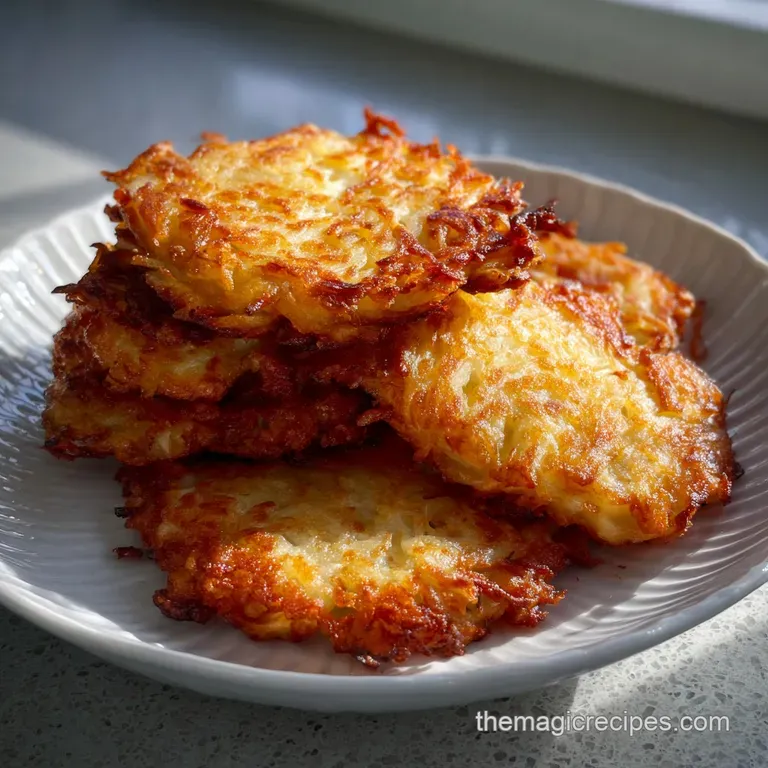
- Mastering the Diner Staple: Why Crispy Potato Patties Reign Supreme
- Essential Elements: Selecting the Best Spuds for Hashbrown Success
- Grate, Rinse, Press: The Definitive Guide to Making Ultra-Crisp Potato Bases
- Troubleshooting the Fryer: Insider Secrets for Ultimate Potato Crispness
- Planning Ahead: Storage, Freezing, and Reheating Crispy Potatoes
- Finishing Touches: The Best Accompaniments for Your Golden Creation
- Recipe FAQs
- 📝 Recipe Card
Mastering the Diner Staple: Why Crispy Potato Patties Reign Supreme
That smell crispy, deeply browned potato mingling with hot, nutty butter it instantly transports me back to greasy spoon counters and Sunday mornings. Seriously, the aroma alone cures my Monday blues! These golden rounds are non-negotiable breakfast fare.
If you're tired of flat, pale potato sponges that taste like boiled cardboard, stop scrolling right now. We’re making proper, aggressively crunchy hashbrowns , and they’re surprisingly fast.
This whole operation turns humble potatoes into crispy gold in under an hour, making it a total weeknight win when you need cheap comfort food fast.
Look, I’ve burned enough spuds to write a book on the subject, but I’ve finally cracked the code. We’re ditching vague instructions and getting down to the science of dryness. Let's crack on and make these the best hashbrowns you’ve ever pulled out of a pan.
Defining 'Diner Style': Texture vs. Taste
Diner style means one thing: maximum surface area contact with screaming hot fat. You want a substantial crust that shatters when you press a fork into it, giving way to fluffy, fully cooked potato inside. It’s a textural journey.
Forget those shredded, loosely formed mounds; we are aiming for a cohesive, thick cake of pure crispness. A well made batch of hashbrowns is unbeatable.
Hashbrowns vs. Home Fries: Knowing the Difference
It’s a common confusion, so let’s clear this up before we start grating. Home fries are usually cut into chunks or slices, often parboiled, and fried irregularly. Hashbrowns , however, rely on shredded potatoes.
The shredding process maximizes surface area for browning and requires that intense focus on drying out the moisture. This distinction is key to getting that satisfying crunch in our hashbrowns recipe .
The Secret Weapon: Achieving Maximum Gold and Crunch
The secret isn't a secret sauce; it’s the absolute removal of water . Potatoes are practically liquid delivery systems, and water turns hot oil into steam, which leads directly to soggy potatoes.
Using clarified butter is my little trick here it adds incredible flavour without the milk solids that tend to burn before the potatoes even start browning properly.
Essential Elements: Selecting the Best Spuds for Hashbrown Success
Getting the right potato matters immensely when you are aiming for top-tier hashbrowns . You can’t just grab the nearest bag from the pantry and hope for the best.
Choosing Your Potato: Russets vs. Yukon Golds
Always reach for Russets or Idaho potatoes. They have a high starch content, which creates that beautiful binding structure and delivers the fluffiest interior when cooked. Yukon Golds have lower starch and higher moisture; they tend to get creamy rather than crispy, which isn't what we want for authentic diner hashbrowns .
Salt, Pepper, and Seasoning Ratios for Maximum Flavor
Seasoning must happen right before they hit the pan. If you salt too early, osmosis will start drawing moisture back out of the cells undoing all that hard work we did squeezing them dry!
Keep it simple: good quality sea salt, freshly cracked pepper, and maybe a tiny whisper of onion powder for background depth.
Clarified Butter or High Smoke Point Oil? (Fat Choice)
My preferred method for these hashbrowns is the 50/50 blend detailed in the ingredients. The neutral oil (like canola) raises the smoke point so we can achieve that high heat needed for a sear. The clarified butter (or ghee) brings the superior, slightly sweet dairy flavour we crave.
You must use a hot fat base for success.
Scaling the Recipe: How Many Potatoes Per Serving?
Four large Russets usually yield four very generous servings, or four medium, satisfying portions. If you are serving them alongside a huge plate of pancakes and eggs, you might stretch it slightly, but I always prefer these hashbrowns to be substantial.
Grate, Rinse, Press: The Definitive Guide to Making Ultra Crisp Potato Bases
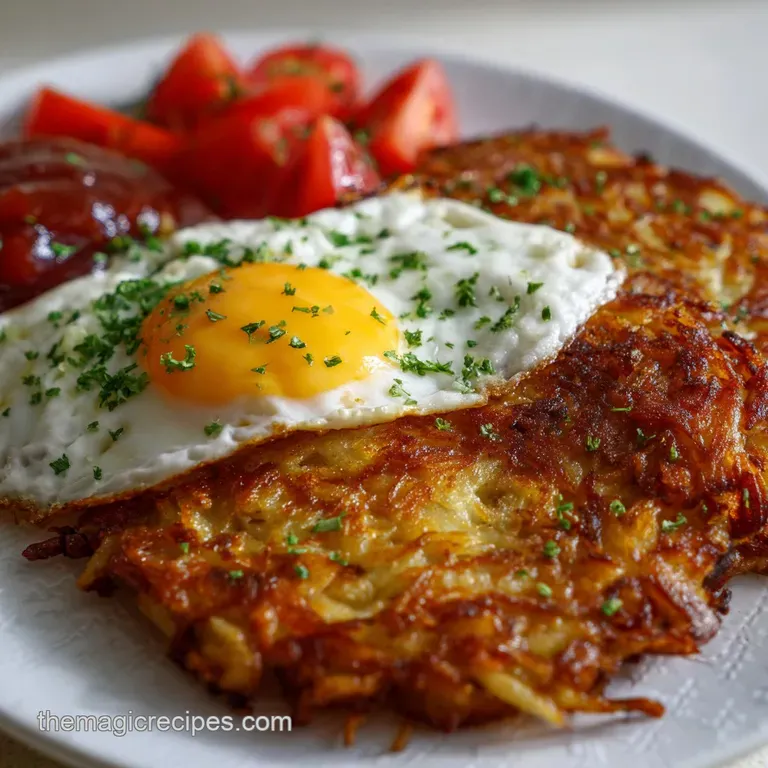
This is where the magic happens, or where disaster strikes if you slack off. Treat the moisture removal stage like your final exam.
The Preparation Phase: Grating and Rinsing Techniques
Peel those spuds and grate them coarsely. If you use a food processor, use the large shredding disc we want defined strands, not a mushy paste. Immediately dump the shreds into cold water. Swirl them vigorously. You’ll see the water turn cloudy white almost instantly.
That’s starch you are washing away! Repeat this rinsing until the water looks almost clear. This rinse is fundamental for truly crisp hashbrowns .
The Extreme Squeeze: Evicting Every Drop of Excess Moisture
I cannot stress this enough: you have to squeeze these potatoes until your forearms ache a little. Lay the rinsed, drained potatoes onto a clean, heavy duty kitchen towel or several layers of cheesecloth. Bunch the cloth up and wring it over the sink. Keep twisting until you feel you can’t get another drop out.
I often do a second, more aggressive squeeze over a bowl just to confirm I’ve removed everything possible. The dryer they are, the crispier your final hashbrowns will be.
Forming the Patties and Initial Pan Setup
Once dry, toss them with your salt and pepper right away. Gently form them into flat patties don't compact them too tightly, though! They need a little space between the strands to crisp up individually. A loose formation works better than a dense puck when making hashbrowns .
The Flip: Timing and Techniques for Uniform Browning
Get your heavy skillet ripping hot with the fat mix shimmering. Lay the patty down gently. Now, you must exercise patience. For 8 to 10 minutes, do not touch it. Seriously, don’t even look at it too hard. You are waiting for that chemical reaction that creates the deep golden crust.
When you finally lift a corner with your spatula and see deep mahogany, flip it quickly and confidently. That perfect flip guarantees beautiful results on your hashbrowns .
The Science of Crisp: Why Water is the Enemy of Golden Potatoes
When water meets hot oil, it turns to steam, and that steam coats the potato strands, preventing direct contact with the hot metal. Direct contact equals browning (Maillard reaction); steam contact equals pale, chewy sogginess.
We are trying to bypass the steam phase completely when making these diner style hashbrowns .
Troubleshooting the Fryer: Insider Secrets for Ultimate Potato Crispness
Sometimes, even when we follow directions perfectly, things go slightly sideways. Don't panic; we can usually rescue those sad, floppy hashbrowns .
High Heat and Fat Ratios for the Perfect Sear
If your hashbrowns are taking longer than 8 minutes to brown, your heat is too low, or you didn't use enough fat. You need enough fat to essentially shallow fry the bottom layer.
If the pan looks dry midway through cooking, slide in another tiny pat of butter/oil immediately.
The Low-Stir Mandate: Why Patience Prevents Floppy Results
I’ve seen people trying to "encourage" browning by stirring the shreds around midway through cooking. Stop it! That breaks up the crust you worked so hard to form. Once the patty is set, leave it alone until it’s time for the main flip.
Consistency in heat application is what guarantees evenly browned hashbrowns .
Overcoming the Grey Potato Problem
If your potatoes start turning grey after grating but before cooking, it's oxidation. It won't affect the taste too much, but it's unsightly. That’s why rinsing and immediate cooking are vital.
If you must pause, put the squeezed, seasoned shreds into a bowl of ice water, but you must dry them ultra thoroughly again before cooking.
Planning Ahead: Storage, Freezing, and Reheating Crispy Potatoes
Can we make a big batch of these legendary hashbrowns ahead of time? Yes, but they are best fresh.
If you have leftovers, refrigerate them in an airtight container for up to three days. To reheat, skip the microwave entirely! Place them in a dry skillet over medium heat for 5 minutes per side until they re-crisp.
For freezing, I recommend fully cooking them first, letting them cool completely, and then flash freezing them individually on a baking sheet before bagging them up. Reheat frozen hashbrowns directly in a 375°F oven until hot throughout.
Finishing Touches: The Best Accompaniments for Your Golden Creation
We are almost done making these phenomenal hashbrowns . How you serve them is the final reward!
Starch Activation: The Key to Binding Without Flour
We already covered this, but it bears repeating: the starch released during rinsing is the binder. If you skip the rinse, you might need a tablespoon of flour or cornstarch mixed in with the seasoning to help them hold shape, but honestly, that shouldn't be necessary for these hashbrowns .
Moisture Removal Methods That Guarantee Crunch
Remember the kitchen towel? Seriously, use elbow grease there. If you want to get really technical, a salad spinner lined with paper towels can remove the last little bit of surface moisture after your main squeeze. It’s overkill, but it guarantees the absolute crispiest hashbrowns .
Adjusting Heat: Avoiding Burning the Outside Before Cooking the Inside
This is a common pitfall. If the outside is smoking black but the middle feels cold, your heat was too high to begin with. After the initial 2 minutes of high heat searing to set the crust, drop it to medium heat for the remainder of the cook time.
This allows the heat to gently penetrate the potato layers without incinerating the exterior. That slow, steady heat is what perfects the interior of your hashbrowns .
This hashbrown recipe is now officially cemented in your rotation. Go forth and make yourself the crunchiest potato cake known to humankind. Happy cooking!
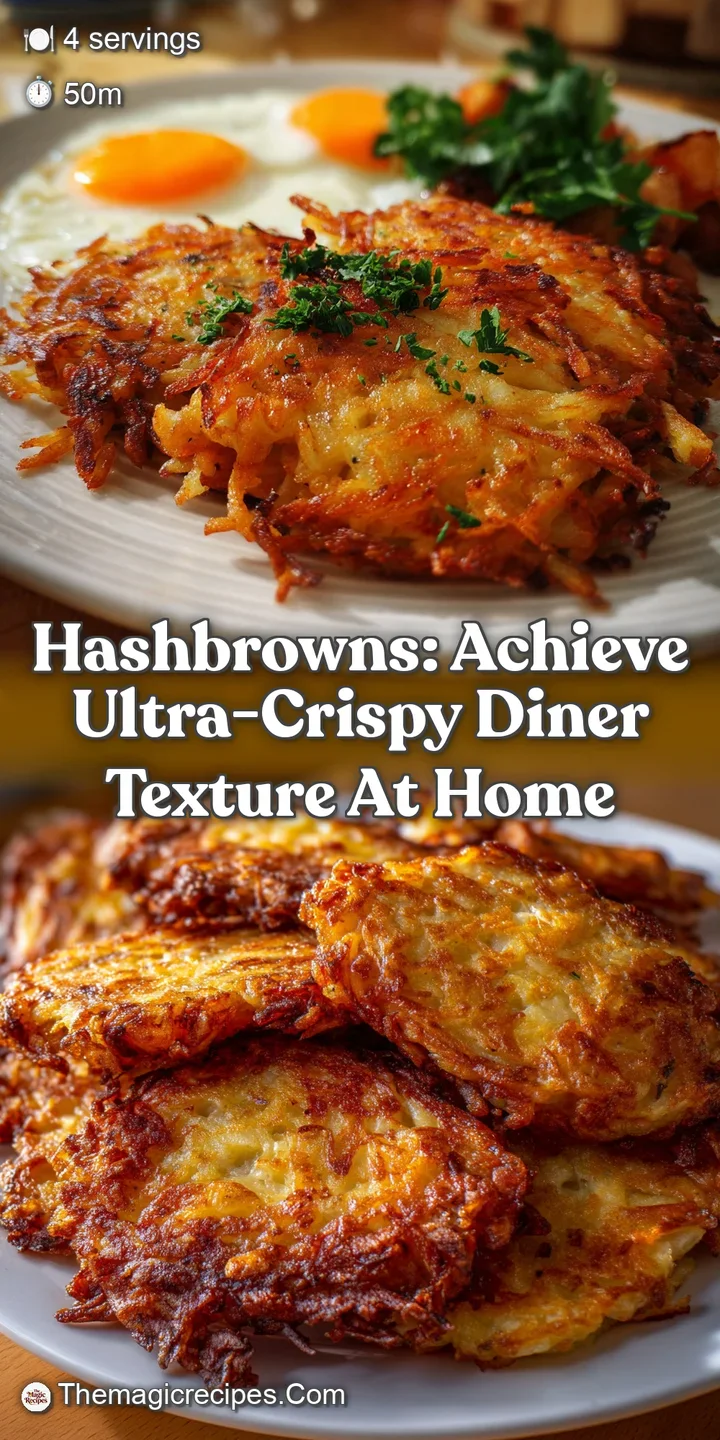
Recipe FAQs
Why are my hashbrowns soggy instead of crispy?
The number one enemy of crispy hashbrowns is residual moisture. You must thoroughly squeeze and dry the shredded potatoes using a clean kitchen towel or cheesecloth to remove every drop of excess water.
Additionally, ensure the cooking fat is hot before you add the potatoes, and resist the urge to overcrowd the pan, which lowers the cooking temperature.
What is the ideal type of potato to use for hashbrowns?
Russet (Idaho) potatoes are the superior choice for this diner style recipe. They are high in starch and relatively low in moisture compared to waxy varieties like Yukon Golds. The high starch content helps the shredded potatoes bind together into a cohesive cake and facilitates the development of a dark, crispy exterior.
Can I shred the potatoes the night before cooking?
Yes, you can prep the potatoes ahead of time by keeping the shredded pieces submerged in cold water in the refrigerator to prevent them from oxidizing (turning grey or brown). However, it is absolutely essential that you drain and thoroughly dry them right before cooking.
Failure to remove all surface water will result in steaming, not crisping.
How do I prevent the hashbrowns from sticking to the pan?
Sticking typically occurs if the pan is not hot enough or if you try to flip the potatoes too soon. Use a heavy bottomed pan (cast iron works best) and ensure the fat is shimmering before adding the mixture.
Do not touch or attempt to move the hashbrowns until a deep golden crust has completely formed they will naturally release from the pan once properly browned.
Can I bake or air fry these instead of pan-frying?
While pan-frying offers the best texture, you can achieve good results in the oven or air fryer. To bake, cook formed patties at 425°F (220°C) for 25 30 minutes, flipping halfway and ensuring they are well oiled.
The air fryer is highly efficient; mist the patties with oil and cook at 380°F (195°C) for about 12-15 minutes.
Can I add flavorings or mix-ins to the classic hashbrown?
Absolutely, though adding mix-ins risks introducing extra moisture, so be cautious. Finely minced onions, garlic powder, or a pinch of paprika are great additions and should be mixed in before pressing and shaping.
If you wish to add shredded cheese, sprinkle it on top during the last two minutes of cooking so it melts without burning.
What is the best way to store and reheat leftover hashbrowns?
Cooked hashbrowns can be stored in an airtight container in the refrigerator for up to 3 days, or they can be individually wrapped and frozen for up to two months. To reheat, avoid the microwave, which turns them rubbery; instead, place them directly into a hot oven or air fryer until they are sizzling hot and the crispness is restored.
Crispy Diner Style Hashbrowns
Ingredients:
Instructions:
Nutrition Facts:
| Calories | 291 kcal |
|---|---|
| Protein | 4.5 g |
| Fat | 12.6 g |
| Carbs | 40.5 g |
