Oven Baked Sweet Potato Fries: Shatter Crisp
- Time: Active 10 minutes, Passive 20 minutes, Total 30 minutes
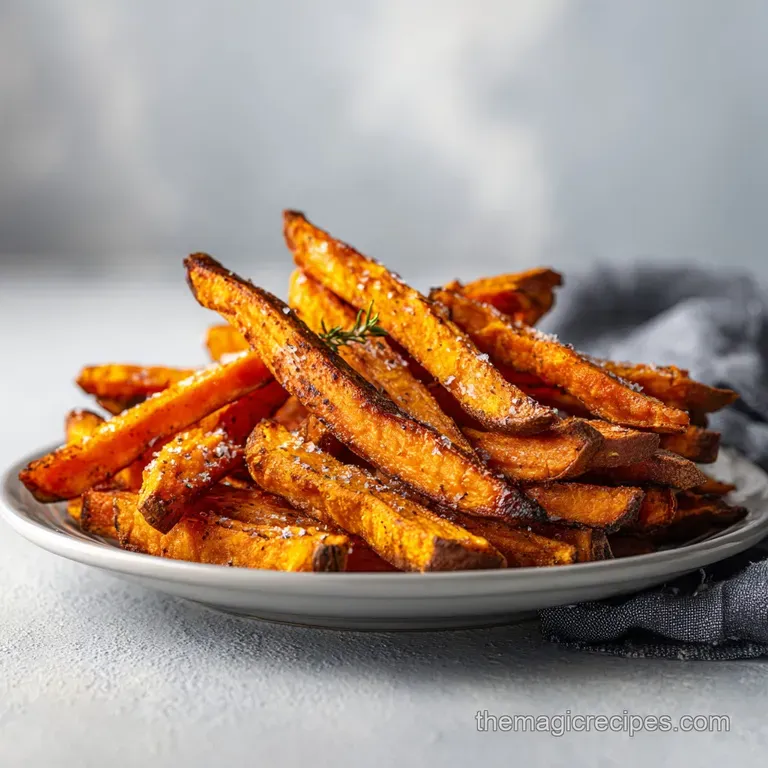
- Flavor/Texture Hook: Shatter crisp edges with a smoky, earth sweet center
- Perfect for: Nourishing weeknight sides or crowd-pleasing appetizers
- Master the Art of Oven Baked Sweet Potato Fries
- Vital Recipe Specs and Timing for Kitchen Success
- Selecting the Best Ingredients for Deep Flavor Layers
- Essential Kitchen Gear for a Superior Crunch
- The Step-by-Step Process for a Golden Crisp Finish
- Navigating Common Roadblocks and Quick Fix Solutions
- Fresh Swaps and Nourishing Ways to Customize Plates
- Keeping Things Fresh with Smart Storage and Reheating
- Pairing Your Fries with Vibrant Dips and Mains
- Recipe FAQs
- 📝 Recipe Card
Master the Art of Oven Baked Sweet Potato Fries
I still remember the first time I tried to make these at home. I was so excited for that vibrant, orange crunch, but what I got was a tray of sad, limp orange worms that stuck to the pan like they were glued there. It was a soggy disaster.
I almost gave up and went back to the frozen bag, but my kitchen ego wouldn't let me. I spent the next three weekends obsessing over starch ratios and tray spacing until I finally heard that glorious clink of a truly crispy fry hitting a ceramic plate.
Now, whenever I whip these up for a casual Saturday burger night, the aroma of smoked paprika and toasted garlic fills the house, and the first bite always delivers that satisfying "shatter" sound.
It's about more than just food; it's that feeling of nailing a technique that everyone says is "too hard" to do in a standard oven. You don't need a deep fryer or a degree in physics, just a few specific tricks I’ve picked up along the way.
We are going for a result that is nourishing but feels like a treat. We'll skip the greasy fingers and focus on building layers of flavor the natural sweetness of the potato against the hit of sea salt and the warmth of paprika.
Trust me, once you see how a tiny bit of cornstarch changes the game, you’ll never look at a sweet potato the same way again. Let’s get stuck into the details.
Vital Recipe Specs and Timing for Kitchen Success
The Physics of the Crunch: Cornstarch creates a microscopic, porous barrier on the potato surface that traps fat and encourages rapid moisture evaporation. This results in a dehydrated "shell" that browns into a crisp crust while the inside steams to a velvety finish.
- over High heat Vaporization: Blasting the oven at 400°F (200°C) ensures the water in the potato turns to steam instantly, preventing the fibers from collapsing into mush.
- Oil Emulsification: Coating the starch dusted fries in oil creates a thin, even layer of fat that conducts heat much more efficiently than air alone.
- Maillard Magic: The combination of natural sugars in the potato and the dry heat produces complex flavor compounds that give us that deep, toasted profile.
| Method | Time | Texture | Best For |
|---|---|---|---|
| Standard Oven | 20 minutes | Balanced crunch/softness | Large batches for families |
| Air Fryer | 15 minutes | Maximum exterior shatter | Quick solo snacks |
| Stovetop Fry | 8 minutes | Very oily and traditional | Traditional "cheat day" meals |
When you're looking for that classic side dish experience, the oven method is the winner because it allows for even spacing. If you want to compare this to other potato styles, you might notice the texture is quite different from a Classic Sweet Potato recipe which focuses more on a soft, custard like consistency. These fries are all about the structural integrity and that glorious edge to edge browning.
Selecting the Best Ingredients for Deep Flavor Layers
| Component | Science Role | Pro Secret |
|---|---|---|
| Sweet Potatoes | Complex carbohydrate base | Choose "Garnet" or "Jewel" varieties for the best sugar to starch balance. |
| Cornstarch | Moisture absorber | Toss the fries in a bag with the starch first to get a ghostly, even coating. |
| Smoked Paprika | Flavor depth | Use high-quality pimentón for a natural "charred" aroma without the grill. |
- 2 Large Sweet Potatoes (approx. 1.5 lbs / 700g): Scrubbed and dried. Why this? Firm skins and orange flesh provide the best contrast between crisp and soft.
- Substitute: Butternut squash (will be softer) or Japanese yams (denser texture).
- 2 tbsp (30ml) Extra Virgin Olive Oil: Why this? Adds a rich, fruity fat layer that helps the starch brown perfectly.
- Substitute: Avocado oil or melted clarified butter (ghee).
- 1.5 tbsp (12g) Cornstarch: Why this? The secret weapon for preventing sogginess and adding a "shatter" factor.
- Substitute: Arrowroot powder or potato starch.
- 1 tsp (5g) Smoked Paprika: Why this? Provides an earthy, vibrant color and a hint of backyard grill flavor.
- Substitute: Regular sweet paprika or a pinch of chipotle powder.
- 1/2 tsp (2.5g) Garlic Powder: Why this? Distributes flavor more evenly than fresh garlic, which can burn at high heat.
- Substitute: Onion powder or a dash of asafoetida.
- 1/2 tsp (3g) Sea Salt: Why this? Coarse grains provide little pops of flavor and help draw out surface moisture.
- Substitute: Kosher salt or smoked salt.
- 1/4 tsp (1g) Black Pepper: Why this? Adds a tiny bit of heat to cut through the potato's natural sweetness.
- Substitute: White pepper for a more subtle, floral heat.
Essential Kitchen Gear for a Superior Crunch
You don't need a laboratory of gadgets, but two large, heavy duty rimmed baking sheets are non negotiable. If you try to cram all the fries onto one tray, they will steam instead of roast, and you'll end up with that soggy mess I mentioned earlier.
I prefer using light colored aluminum pans because dark pans tend to burn the bottoms of the fries before the centers are cooked.
A sharp chef's knife is your best friend here. Sweet potatoes are dense and can be tricky to cut, so a dull blade is actually more dangerous. If you have a mandoline slicer, it can speed things up, but honestly, I find the rustic, slightly irregular hand cut fries have more character and better "crunchy bits." Finally,, a large mixing bowl gives you plenty of room to toss everything together without losing half your seasoning over the side.
Chef's Tip: Put your baking sheets in the oven while it preheats. Dropping the cold, oiled fries onto a searing hot pan creates an immediate "sizzle" that jumpstarts the crust formation.
The step-by-step Process for a Golden Crisp Finish
- Preheat and Prep. Set your oven to 400°F (200°C) and place two baking sheets inside to get them hot. Note: This ensures the fries start cooking the second they hit the metal.
- Slice the Potatoes. Cut the 1.5 lbs of sweet potatoes into 1/4 inch thick matchsticks. until they look uniform in size.
- Dry Thoroughly. Use a clean kitchen towel or paper towels to pat the cut potatoes until they are bone dry. Note: Surface moisture is the enemy of the crunch.
- Dust with Starch. Place the potatoes in a large bowl and sprinkle with 1.5 tbsp of cornstarch. until a thin, ghostly white film covers every piece.
- Infuse with Oil. Drizzle 2 tbsp of olive oil over the potatoes. until the starch turns from powder to a silky coating.
- Season Heavily. Add 1 tsp smoked paprika, 1/2 tsp garlic powder, and 1/4 tsp black pepper. until the fries are a deep, vibrant orange red.
- Arrange on Trays. Carefully pull the hot trays from the oven and spread the fries in a single layer. until no two fries are touching.
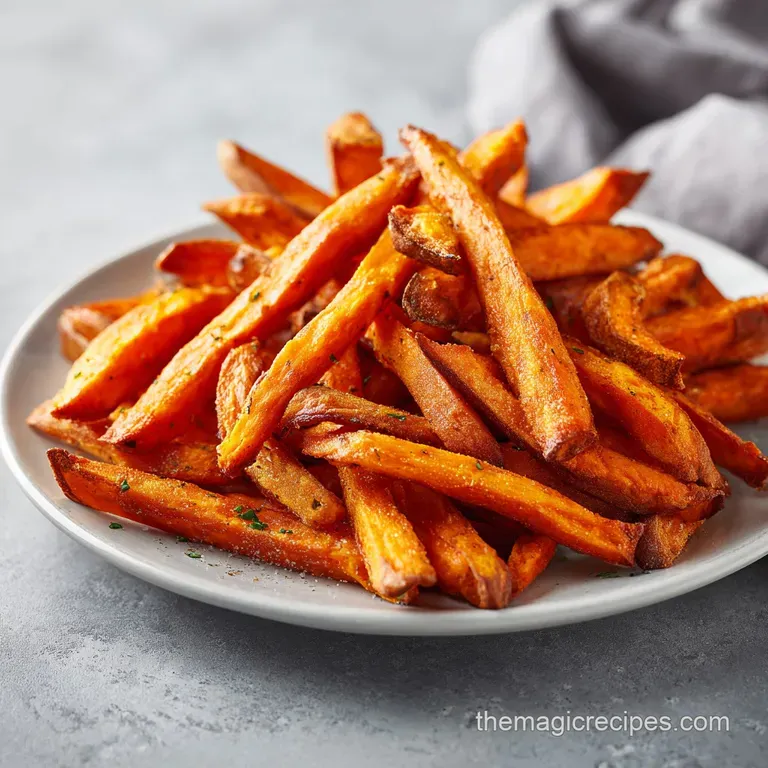
- The over High heat Roast. Bake for 20 minutes, flipping them halfway through. until the edges are dark brown and the skins look blistered.
- The Salt Finish. Remove from the oven and immediately sprinkle with the 1/2 tsp of sea salt. Note: Salting at the end prevents the salt from drawing out moisture during the bake.
- Rest and Set. Let the fries sit on the tray for 2 to 3 minutes before serving. until the exterior shell hardens into a crisp snap.
Navigating Common Roadblocks and Quick Fix Solutions
Why Your Fries Are Soggier Than Expected
The most common culprit is overcrowding. When potatoes are packed too tightly, the water they release turns into a cloud of steam. This steams the fries rather than roasting them. If you see liquid pooling on the pan, you've likely skipped the drying step or used too much oil.
| Problem | Root Cause | Solution |
|---|---|---|
| Burnt Tips | Fries cut too thin or unevenly | Aim for consistent 1/4 inch sticks; discard tiny "tail" pieces. |
| Sticking to Pan | Not enough oil or pan wasn't hot | Preheat your trays and ensure every fry has a thin sheen of fat. |
| Greasy Texture | Oven temp too low | Ensure your oven truly reaches 400°F before the fries go in. |
Another trick is to check your oven's actual temperature. Many home ovens run 25 degrees cold, which is death for an oven baked sweet potato fries recipe. Using a cheap oven thermometer can be a real eye opener.
Also, remember that sweet potatoes have a high sugar content, so they will brown much faster than regular white potatoes.
Common Mistakes Checklist ✓ Never skip the "pat dry" step - even a little water ruins the starch coating. ✓ Don't add the salt until the very end; salt is a humectant and draws out moisture. ✓ Use two pans if you have to; a crowded pan is a soggy pan.
✓ Skip the parchment paper if you want maximum crunch the direct metal contact is superior. ✓ Ensure your cornstarch isn't expired, as it loses its moisture absorbing power over time.
Fresh Swaps and Nourishing Ways to Customize Plates
If you want to keep things even lighter, you can swap the cornstarch for arrowroot powder. It works almost identically and is a great grain free option. For a more "gourmet" feel, try finishing the fries with a dusting of nutritional yeast or finely grated Parmesan cheese right when they come out of the oven.
The residual heat will melt the cheese into the nooks and crannies of the crust.
| Original Ingredient | Substitute | Why It Works |
|---|---|---|
| Extra Virgin Olive Oil | Ghee (Clarified Butter) | Higher smoke point and adds a rich, nutty depth. |
| Smoked Paprika | Cumin & Chili Powder | Shifts the flavor toward a vibrant Southwestern profile. |
| Cornstarch | Arrowroot Powder | Same crisping effect. Note: Better for those following a strictly Paleo lifestyle. |
If you find yourself making these often, you might want to experiment with different tubers. This technique actually works beautifully on other root vegetables too. For instance, the same starch dusting method is a secret I use when preparing a twice baked potatoes recipe to get those skins extra crispy before the second bake. It's a versatile tool to have in your kitchen arsenal.
The Decision Shortcut
- If you want a spicy kick, add 1/4 tsp of cayenne pepper to the dry seasoning mix.
- If you want a sweet and salty vibe, toss the finished fries in a teaspoon of maple syrup and extra salt.
- If you want maximum health benefits, leave the skins on the potatoes for extra fiber and texture.
Keeping Things Fresh with Smart Storage and Reheating
Let's be real: fries are always best the second they leave the oven. However, if you have leftovers, don't just toss them! Store them in an airtight container in the fridge for up to 4 days. Whatever you do, do not use the microwave to reheat them.
You'll end up with a mushy mess that tastes like disappointment.
To bring back the crunch, toss the cold fries onto a baking sheet and pop them back into a 400°F (200°C) oven for about 5 to 7 minutes. You can also use an air fryer at 375°F for 3 minutes.
For long term storage, you can freeze the cut, starched, and oiled (but unbaked) fries in a single layer on a tray, then transfer them to a bag. They'll keep for 3 months and can be baked straight from frozen just add 5 minutes to the cook time.
For a zero waste kitchen, save any small potato "nubs" or peels that you trimmed off. You can toss these in the same oil and starch mixture and bake them on a separate small tray. They turn into "sweet potato chips" that are a fantastic crunchy topping for salads or grain bowls the next day.
Pairing Your Fries with Vibrant Dips and Mains
These fries are incredibly versatile. They are the perfect partner for a black bean burger or a grilled chicken breast. I love serving them with a dipping sauce that has a bit of acidity to cut through the sweetness think a lime cilantro crema or a spicy Greek yogurt dip with a squeeze of lemon.
The tanginess wakes up the earthy flavors of the potato beautifully.
If you're looking to build a full, nourishing meal, these fries provide the perfect "starchy" component. I often pair them with a big, vibrant kale salad or some roasted broccoli. It’s a great way to balance out a plate without feeling weighed down.
Debunking Kitchen Myths
- Myth: You must soak sweet potatoes in water for hours to get them crispy.
- Truth: While soaking works for white potatoes to remove surface starch, it often makes sweet potatoes too hydrated. The cornstarch method is faster and more effective for this specific tuber.
- Myth: You need a lot of oil for crunch.
- Truth: Too much oil actually leads to heavy, greasy fries. A thin, even coating (about 1 tablespoon per large potato) is the sweet spot for a light, crisp result.
Right then, you're all set to master this oven baked sweet potato fries recipe. Just remember: dry them well, don't crowd the pan, and wait for that "clink" on the plate. Happy cooking!

Recipe FAQs
How do you make crispy sweet potato fries in the oven?
Toss with cornstarch and use high heat. Toss uniform 1/4 inch cut sweet potatoes in a bowl with a small amount of cornstarch, oil, and seasonings, ensuring an even, thin coating.
Bake on preheated baking sheets at 400°F (200°C) for 20 minutes, flipping once, to maximize surface drying and crust formation.
What is the best oven temperature for sweet potato fries?
400°F (200°C) is the ideal temperature. This high temperature quickly evaporates surface moisture, leading to a dehydrated exterior crust rather than a steamed, soggy interior.
Why won't my sweet potato fries get crispy?
You are likely overcrowding the baking sheet or skipping the starch step. Fries must be placed in a single layer with space between them so that air circulates for roasting, not steaming. Using cornstarch helps create the necessary dry barrier for crispness.
How long to bake yam fries at 425 degrees?
Bake for 15 to 18 minutes at 425°F (220°C). Since 425°F is hotter than the recommended 400°F, the baking time is slightly reduced to prevent the high sugar content from burning. Be vigilant about flipping them halfway through.
Is it true I must soak sweet potatoes before baking them?
No, soaking is usually unnecessary and sometimes detrimental for oven fries. While soaking removes starch, it rehydrates the potato flesh, counteracting the drying needed for crispness; the cornstarch coating is a superior method for achieving texture.
Should I salt the sweet potatoes before baking?
No, only salt them immediately after they finish baking. Salt acts as a humectant, meaning it draws moisture out; salting them early causes the potatoes to release water during the bake, leading to sogginess.
What is the best way to reheat leftover sweet potato fries for crunch?
Reheat them in a hot oven or air fryer, never the microwave. Spread the fries in a single layer on a tray and bake at 400°F (200°C) for about 5 to 7 minutes until the exterior shell re-hardens. If you enjoyed mastering the heat control for crisping these, apply the same low-and-slow temperature monitoring when preparing a Pineapple Cheese Casserole recipe.
Crispy Oven Baked Sweet Potato Fries
Ingredients:
Instructions:
Nutrition Facts:
| Calories | 225 kcal |
|---|---|
| Protein | 2.8 g |
| Fat | 7.1 g |
| Carbs | 39.2 g |
| Fiber | 5.4 g |
| Sugar | 7.4 g |
| Sodium | 295 mg |
