Bread and Butter Pickles: the Quintessentially Crunchy Canning Recipe
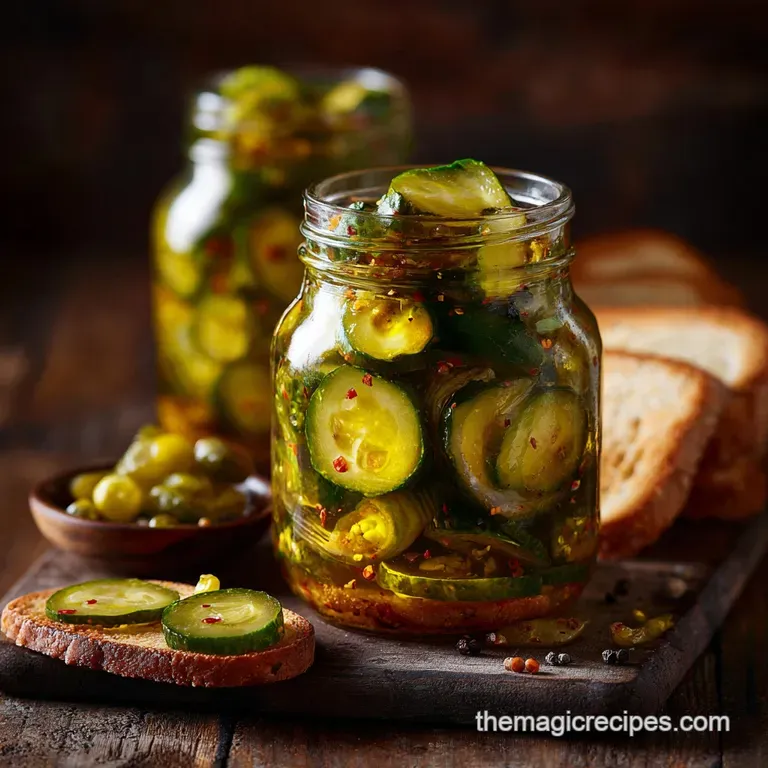
- The Essential Guide to Making Crunchy Bread and Butter Pickles
- Mastering the Perfect Sweet and Sour Balance
- Crucial Ingredients for Authentic Bread and Butter Pickles
- Step-by-Step Method: How to Pickle the Cucumbers
- Troubleshooting and Expert Tips for Your Pickle Batch
- Storage, Shelf Life, and Safety of Homemade Bread and Butter Pickles
- Essential Pairings: Creative Ways to Serve Your Pickles
- Recipe FAQs
- 📝 Recipe Card
The Essential Guide to Making Crunchy Bread and Butter Pickles
I know exactly what you’re thinking when you pop open a jar of great pickles. That tangy, intoxicating whiff of vinegar, sugar, and turmeric fills the air. Then comes the glorious moment: the knife like snap when you bite down. That’s the feeling we are chasing here.
If you’ve ever found yourself with an unexpected mountain of garden cucumbers, this [homemade bread and butter pickles] recipe is your lifeline. The active cooking time is genuinely fast, honestly. The hardest part is simply being patient enough to let the flavors cure.
We aren't aiming for the dull, squishy stuff you find shoved way back on the supermarket shelf. We are making the Governor's Relish a batch so crisp, sweet, and perfectly spiced that you’ll never buy pickles again. Let’s crack on and master the crunchy brine!
Mastering the Perfect Sweet and Sour Balance
The Nostalgic History of Bread and Butter Relish
This iconic recipe has roots in Depression era America, which is such a great story. Resourceful farmers, the Stauffer family, apparently needed a name for the small, slightly immature cucumbers they couldn't sell easily. They exchanged them for staples like bread and butter, hence the name.
It’s a testament to simple, affordable food that genuinely lasts.
The traditional Bread and Butter profile is decidedly sweet, balanced by the strong acidity of vinegar. Achieving that perfect harmony is key. Too much sugar and it’s syrup; too much vinegar and it tastes harsh and unripe.
Is Pickling Difficult? Assessing the Medium Difficulty Level
People often ask me if pickling is hard. It is not difficult in terms of technique, but it demands patience and precision. You need to respect the process, especially the long brining time required to draw out moisture.
If you skip the salting step, you will end up with soft, sad pickles, and nobody wants that. Since this recipe includes water bath canning for shelf stability, I rate it a solid Medium.
Why We Salt the Cucumbers: Achieving Maximum Crispness
This is the most critical step, so listen up, friend. The act of generously salting the sliced cucumbers and onions, then chilling them in an ice bath, is called osmosis. It’s simple science.
The salt draws the natural water content out of the vegetable cells. This is essential because if that water stays trapped inside, it dilutes your beautiful brine and results in a soggy texture.
The Science Behind the Satisfying Pickle Crunch
Maximum crunch depends entirely on getting the moisture out before the heat goes in. We want the cucumber structure to be firm but slightly porous, ready to soak up the flavourful, acidic brine.
We heat the cucumbers only briefly, ensuring the brine is sterilised and absorbed, but the vegetable walls remain intact.
I once made the rookie error of boiling my first batch of vegetables right in the brine they turned into translucent sludge. Don't boil your pickles!
The Role of Mustard Seeds and Turmeric in Brine Flavor
Mustard seeds are absolutely non-negotiable in [homemade bread and butter pickles]. They add a slight, warming pungency and a necessary textural pop. We use whole seeds because the ground spice would muddy the brine.
Turmeric, while subtle in flavour, is responsible for that iconic golden yellow colour that makes these pickles so appetizing. Don't skip it; it makes the pickle look vibrant and happy!
Balancing Acidity: Choosing the Right Vinegar Ratio
For authentic [bread and butter pickles recipe], you need a 5% acidity distilled white vinegar. It provides a sharp, clean background flavour that really lets the sugar and spices shine.
If you prefer a slightly softer, rounder flavour, you can substitute up to half of the white vinegar with apple cider vinegar. Just make sure the acidity level remains consistent for safety in canning!
Crucial Ingredients for Authentic Bread and Butter Pickles
Selecting the Best Cucumbers (Pickling vs. Slicing Varieties)
You must use firm, fresh pickling cucumbers (like Kirby or Boston varieties). Standard slicing cucumbers (the long, dark green ones) have too much water content and large seeds. They just don't stand up to brining properly.
When picking them up, they should feel rock hard and heavy for their size. If you press them gently, and they feel spongy, put them back immediately.
The Brine Basics: Sugar, Salt, and Spice Ratios
Our brine is a classic 1:1 ratio of sugar to vinegar, which provides that intense, sticky sweet profile that defines these pickles. We use a lot of sugar, but remember, the acidity cuts right through it. The salt content is low because we rinse the initial salting liquid away.
This ratio ensures our [bread and butter pickles canning] recipe is safe for water bath processing. Do not drastically reduce the vinegar, ever!
Ingredient Swap Guide: Alternative Sweeteners and Vinegars
If you need to make adjustments, here is a quick guide. Remember, consistency in measurements is vital when canning.
| Component | Standard Ingredient | Viable Substitution | Why it works |
|---|---|---|---|
| Cucumbers | Kirby/Pickling Cukes | Thinly sliced Zucchini (for texture loss) | Good when used fresh; won't maintain crispness as long. |
| Sweetener | Granulated Sugar | Light Brown Sugar | Adds a hint of molasses flavour, darkening the brine slightly. |
| Vinegar | White Distilled Vinegar | Apple Cider Vinegar (5% acidity) | Provides a fruitier, softer overall flavour profile. |
| Salt | Pickling Salt | Kosher Salt (Ensure it's non-iodized) | Avoids anti caking agents that cause cloudy brine. |
Prepping Your Produce: Slicing Techniques for Even Pickles
Uniform slicing is key to both texture and safety. If your slices are too thick (more than 1/4 inch), the brine won't penetrate correctly. If they are paper thin, they will turn to mush when heated.
I highly recommend a mandoline set to about 1/8 inch for absolute perfection. If using a knife, be consistent and keep those onions sliced really thin so they soften nicely alongside the cukes.
step-by-step Method: How to Pickle the Cucumbers
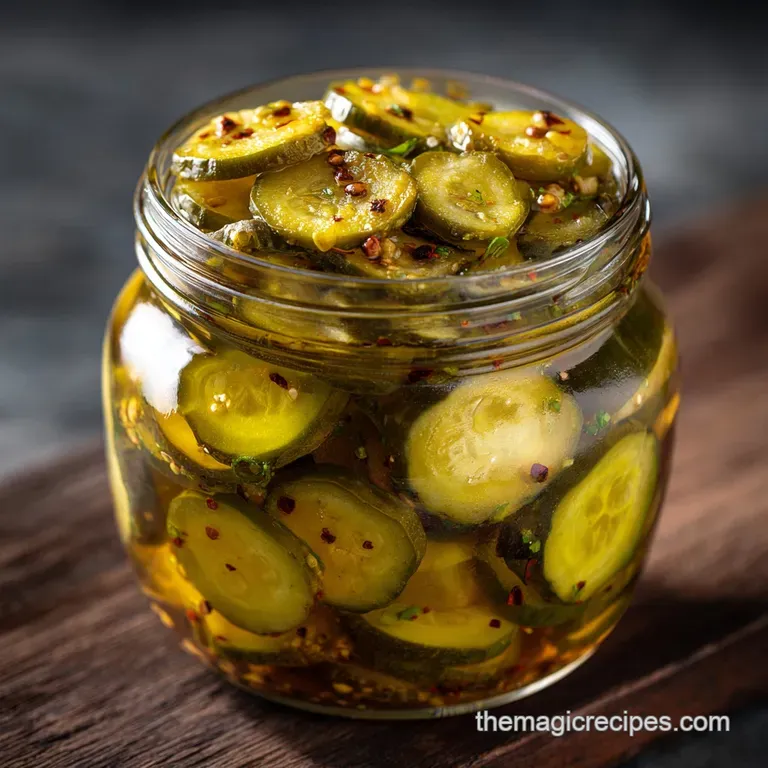
Phase 1: Preparing and Salting the Cucumbers and Onions
- Slice the Vegetables: Get those cucumbers and onions sliced up, aiming for perfect, uniform thickness.
- Combine and Salt: Layer the slices in a huge, non-reactive bowl (glass is best) and sprinkle the pickling salt between layers. Cover this generously with crushed ice.
- Rest/Brine: Get it straight into the fridge for at least three hours. This long soak is non-negotiable for maximum crispness.
- Rinse and Drain: After brining, pour off all that salty liquid. Rinse the vegetables thoroughly I mean thoroughly —in a colander under cold running water several times to remove excess salt. Drain them very well.
Phase 2: Simmering and Infusing the Spice Brine
- Prepare the Brine Syrup: Combine the vinegar, sugar, mustard seeds, celery seeds, turmeric, peppercorns, and any red pepper flakes in your large stock pot.
- Dissolve and Simmer: Heat over medium high heat, stirring until the sugar is completely dissolved and the liquid is sweet and clear. Bring the mixture to a gentle simmer. This step infuses the liquid with the beautiful flavour of the pickling spice mix.
Chef's Note: Use only a non-reactive pot (stainless steel or enameled cast iron) for the brine. Aluminum can react with the vinegar, giving your pickles a metallic taste.
- Heat the Vegetables: Add the drained cucumber and onion mixture to the simmering brine. Heat this just until the cucumbers barely begin to change colour they will look translucent around the edges. Take them off the heat immediately. Do not let the mixture come to a rolling boil!
Phase 3: Packing the Jars and Lidding Process
- Prepare Jars: Your jars must be sterilised and kept hot (in a 180°F oven or simmering water). Lids and rings should be prepared according to manufacturer instructions.
- Hot Pack: Use a slotted spoon to tightly pack the hot pickle slices into the jars, leaving 1/2 inch of space at the top (headspace).
- Fill with Brine: Ladle the hot brine syrup over the pickles, covering them entirely. Use your de-bubbler tool to poke around and release any trapped air pockets. Check that 1/2 inch headspace again.
- Seal and Process: Wipe the rims with a clean, damp cloth (vinegar residue prevents sealing!). Center the lids and secure the rings finger tight.
Water Bath Canning 101: Ensuring Shelf Stability
- Boil and Cool: Carefully lower the jars into the boiling water bath. Ensure they are covered by at least one inch of water. Bring the water back to a full, rolling boil and process for 10 minutes (adjusting for altitude if necessary).
- Set the Seal: Turn off the heat and let the jars rest in the canner for 5 minutes before carefully removing them. Place them on a towel lined counter and allow them to cool for 12– 24 hours, listening for the satisfying pop of the seal. These [bread and butter pickles recipe easy] to store!
Troubleshooting and Expert Tips for Your Pickle Batch
Preventing Soggy Pickles: The Ice Bath Trick
I can’t stress this enough: The ice bath during the initial salting phase is your best friend. The combination of salt pulling moisture out and the cold temperature keeping the cell walls firm is magic. Always use ice, not just cold water, when salting.
Adjusting the Spice Level: Adding Red Pepper Flakes
I like my pickles to have a little zing! The 1/2 teaspoon of red pepper flakes listed in the recipe gives a subtle heat that lingers nicely without being aggressive. If you're feeding a crowd who love the fire, feel free to bump that up to a full teaspoon, or add a few dried small chillies directly into the brine pot.
The sweet sour balance is also fantastic alongside a hot skillet dinner, maybe something spicy like [Andouille Sausage Recipes: Spicy Skillet Dinner with Creamy Grits].
Common Error Checklist: Cloudy Brine and Softening
- Cloudy Brine: 99% of the time, this happens because you used standard iodized table salt. Those anti caking agents turn the brine murky. Always, always use pickling salt or non-iodized Kosher salt.
- Softening: This is usually due to two things: you skipped the long salting/brining process, or you boiled the cucumbers in the final syrup. Keep the heat low and brief in Phase 2, Step 7.
Storage, Shelf Life, and Safety of Homemade Bread and Butter Pickles
Refrigerated Pickles vs. Canned Pickles: Shelf Life Comparison
If you skip the canning process (steps 11 13), you have what is called "refrigerator pickles." These are delicious and safe, but they must be stored in the fridge and will last about 2 3 months.
Properly canned [bread and butter pickles canning] that have achieved a full seal will last, stored in a cool, dark pantry, for 12 18 months. Once opened, refrigerate the jar and consume within 2 months.
Properly Sealing Jars for Long Term Storage
The seal is everything! Ensure the jar rims are sparkling clean before you put the lid on even a tiny bit of brine or sugar residue can prevent a complete vacuum. Also, remember "finger tight" on the rings. Overtightening prevents air from escaping during the boil, which stops the vacuum seal from forming.
Signs of Spoilage: When to Discard a Jar
Safety first, always. If a lid is bulging, if there is mould present, or if the brine is milky or smells rancid (beyond normal vinegar smell), discard the entire jar without tasting it.
If a sealed jar suddenly loses its seal (the center pops up), move it to the fridge and treat it as a fresh product, or discard if you are unsure how long it has been unsealed.
Essential Pairings: Creative Ways to Serve Your Pickles
These pickles are the perfect condiment they cut through richness and add necessary complexity. They are brilliant layered on a big, juicy burger alongside some incredible fries made with our secret [Beer Batter Recipe: Get Shatteringly Crispy Fish and Chips].
They also add a necessary textural element to heavy, comforting meals. Try them served alongside a warm bowl of [Beef Soup: Get Mums Deeply Savorous Beef and Barley Recipe] and a dense, crusty loaf of bread.
Chopping them up fine and mixing them with mayo also creates the world's fastest, tastiest relish for fish tacos. They truly are pantry gold!
Recipe FAQs
Why aren't my Bread and Butter Pickles crunchy?
The loss of crunch usually results from overcooking during the canning process or not properly removing excess water beforehand. Ensure you utilize the required salt soak step to draw out moisture from the cucumbers, which firms the cell walls.
Most importantly, strictly adhere to the water bath processing time, as over boiling softens the vegetables dramatically.
How long do these pickles last once canned and once opened?
Properly processed and sealed jars stored in a cool, dark pantry can last for up to one year. Once a jar is opened, the pickles must be transferred to the refrigerator immediately. They should maintain optimal quality for 1 to 2 months, provided the brine fully covers the cucumber slices to prevent exposure.
Can I substitute the white sugar for a different sweetener?
While white granulated sugar is traditional for clarity and flavor balance, you can substitute it with cane sugar or even a partial amount of brown sugar for a slightly deeper molasses note.
However, avoid using liquid sweeteners like honey or maple syrup entirely, as their pH levels can interfere with safe canning protocols and preservation stability.
What type of cucumber is best for these sweet pickles?
The absolute best choice is small, firm pickling cucumbers, often labeled Kirby or Persian, which have thin skins and minimal seeds. Avoid large standard salad cucumbers, as their high water content and large, soft seeds result in a significantly mushier texture after brining and processing.
My brine is cloudy after a few weeks in the pantry. Are the pickles safe to eat?
If the jar seal is broken, or if mold is present, discard the pickles immediately, as this indicates spoilage. However, if the seal is intact, slight cloudiness sometimes occurs due to starch leaching from the cucumbers or trace mineral sediment settling; this is usually harmless, but you should always check for off-odors before consumption.
Is water bath canning required, or can I use the quick pickle method?
The recipe is designed for pantry stability, which requires a 10-15 minute water bath to properly seal the jars and kill potential pathogens. If you skip the water bath (the quick pickle method), the pickles must be stored immediately in the refrigerator and consumed within two weeks, as they are not shelf stable.
How can I adjust the recipe to make the pickles spicier?
To add heat without altering the sweet profile, incorporate 1/2 teaspoon of red pepper flakes directly into the brine mixture before heating it, or drop one small dried chili pepper (like Arbol or Pequin) into each jar before sealing.
For a more subtle, deep warmth, a pinch of crushed mustard seed or ground allspice works well alongside the standard spices.
Crunchy Bread And Butter Pickles
Ingredients:
Instructions:
Nutrition Facts:
| Calories | 60 kcal |
|---|---|
| Fat | 0 g |
| Fiber | 1 g |
