The Perfect Self Rising Flour Recipe: No More Flat Results
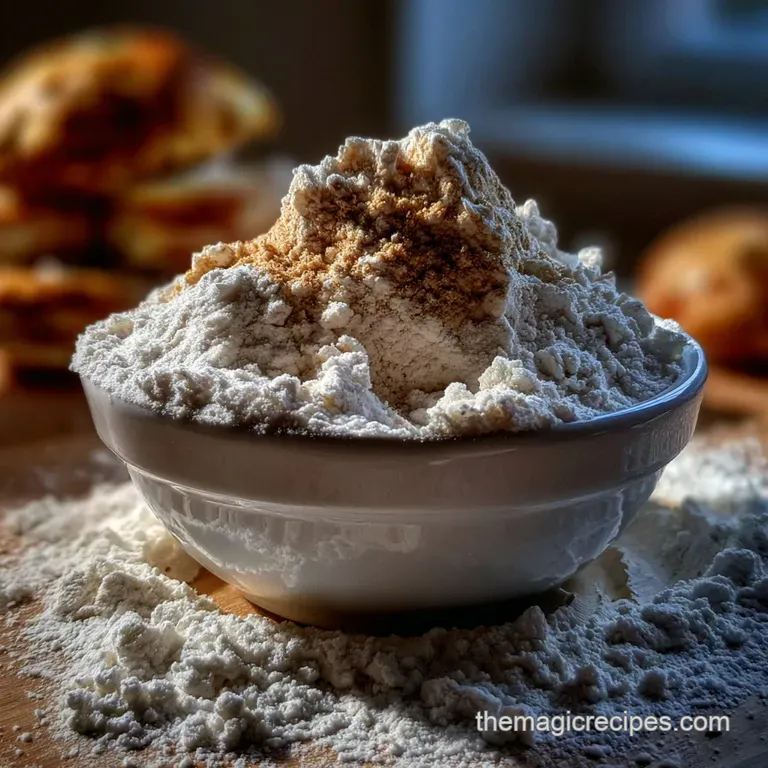
- Effort/Time: 5 minutes (Prep only)
- Flavor Hook: Clean, neutral base with a balanced salt profile.
- Perfect for: Fluffy buttermilk biscuits, [Homemade Pizza: Crispy Crust Fresh Sauce Recipe](https://themagicrecipes.com/recipes/classic-homemade-pizza-recipe/), and emergency pancake stacks.
- The Ultimate Self Rising Flour Recipe: 5 Minute Pantry Essential
- Why This Works: The Science of Lift
- The Science Behind King Arthur All-Purpose Flour
- The Science Behind Rumford Baking Powder
- The Science Behind Morton Fine Sea Salt
- How to Master This Self Rising Flour Recipe
- Troubleshooting the Self Rising Flour Recipe
- Common Myths About Self Rising Flour
- Storage and long-term Preservation
- Recipe FAQs
- 📝 Recipe Card
The Ultimate Self Rising Flour Recipe: 5 Minute Pantry Essential
Never Get Stuck Mid-Bake Again
You’re halfway through a batch of Southern biscuits, the oven is preheating to a scorching 425°F, and you realize the pantry is empty of that blue bag. I’ve been there staring at a pile of all-purpose flour and wondering if I could just "wing it" with a handful of baking powder.
My first attempt resulted in a metallic tasting, bitter hockey puck that didn't rise an inch.
That failure taught me that this self rising flour recipe isn't just about mixing; it’s about precision ratios. Most store-bought versions sit on shelves for months, losing their potency before they even hit your mixing bowl.
When you mix your own, the chemical reaction is fresh, potent, and predictable.
Trust me, once you see the velvety crumb of a loaf made with this fresh rising flour recipe, you’ll stop buying the pre-mixed stuff. We’re going to use basic pantry staples to create a professional grade base that rivals any specialty brand. Let's crack on with the science and the steps.
Why This Works: The Science of Lift
Self rising flour recipe success depends on the immediate chemical reaction between acids and bases when hydrated.
- CO2 Expansion: Rumford Baking Powder releases carbon dioxide bubbles into the gluten network, creating a "shatter crisp" crumb.
- Gluten Control: Using all-purpose flour provides enough protein for structure without the toughness of bread flour.
The Science Behind King Arthur All-Purpose Flour
What It Does: Acts as the structural scaffold for your baked goods through gluten formation.
The Chemistry: Upon hydration, the proteins glutenin and gliadin bond to form a viscoelastic network via protein denaturation.
Why This Matters: This network traps the CO2 produced by the leavening agent, ensuring your bread or biscuits don't collapse into a dense mass.
The Science Behind Rumford Baking Powder
What It Does: Serves as the primary chemical leavener that provides "lift" without requiring yeast.
The Chemistry: This double acting agent undergoes an initial acid base reaction when wet, followed by a secondary expansion during gelatinization in the oven.
Why This Matters: It creates a light, airy texture with a "velvety" mouthfeel, essential for this self rising flour recipe.
The Science Behind Morton Fine Sea Salt
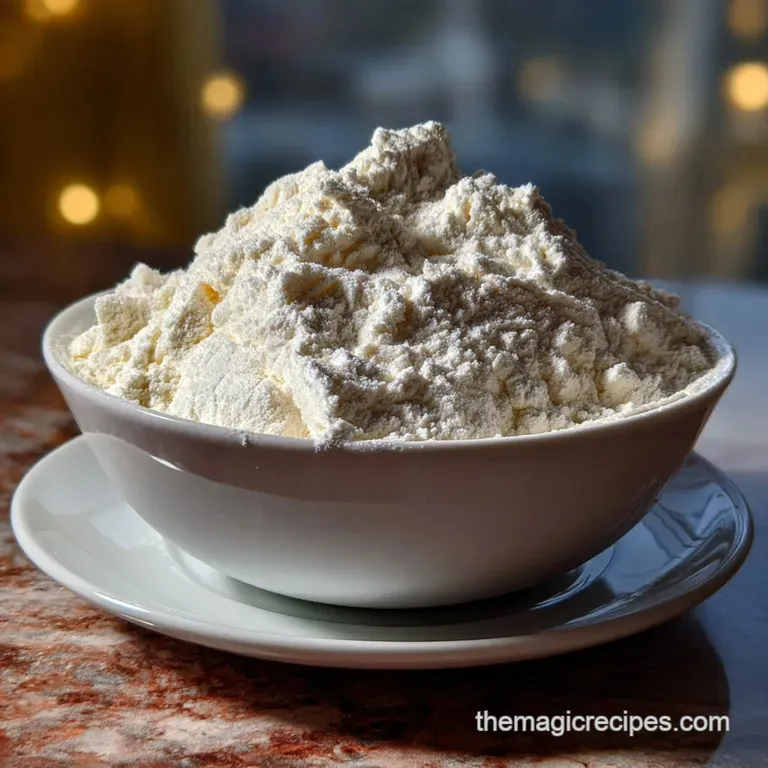
What It Does: Enhances flavor while tightening the protein strands in the flour.
The Chemistry: Sodium ions interact with the gluten network, increasing the strength of the dough and regulating the pace of the leavening reaction.
Why This Matters: Prevents the dough from becoming overly sticky while ensuring the final product isn't bland or chemically bitter.
Essential Ingredients and Smart Substitutions
When building this self rising flour recipe, ingredient quality dictates the final crumb. I prefer King Arthur All-Purpose Flour for its consistent 11.7% protein content.
For the leavening, Rumford Baking Powder is my go-to because it is aluminum free, which prevents that metallic aftertaste often found in cheap biscuits.
| Original Ingredient | Substitute | Why It Works |
|---|---|---|
| King Arthur AP Flour (1 cup) | Bob's Red Mill Pastry Flour | Lower protein content. Note: Results in a much softer, more delicate crumb; better for cakes than bread. |
| Rumford Baking Powder (1.5 tsp) | DIY: 1/2 tsp Baking Soda + 1 tsp Cream of Tartar | Mimics the acid base balance. Note: Must be used immediately as it reacts faster than double acting powder. |
| Morton Fine Sea Salt (0.25 tsp) | Diamond Crystal Kosher Salt | Use 0.5 tsp. Note: Larger crystals require more volume to achieve the same salinity. |
How to Master This Self Rising Flour Recipe
Yes, this self rising flour recipe stays stable for up to 6 months when stored in a cool, dark place inside an airtight Rubbermaid Brilliance container. Always whisk or sift before use to redistribute the leavening agents that may have settled.
step-by-step Instructions
- Measure 1 cup of King Arthur All-Purpose Flour (125g) using a digital scale. Note: Measuring by weight prevents protein denaturation issues caused by over packing the flour into a volume cup.
- Add 1.5 teaspoons of Rumford Baking Powder to the flour. Note: This specific ratio ensures the self rising flour recipe produces enough CO2 for a 200% volume increase during baking.
- Incorporate 0.25 teaspoon of Morton Fine Sea Salt into the mixture. Note: Salt ions strengthen the gluten network, allowing it to hold the air bubbles longer.
- Sift the mixture three times through an OXO Fine Mesh Sieve. Note: Sifting ensures the leavening is perfectly aerated, preventing "hot spots" of bitter baking powder.
- Whisk vigorously for 30 seconds to ensure a homogenous blend. Note: A consistent blend is the secret to this self rising flour recipe's reliability.
Chef's Note: For the ultimate "shatter" texture in fried coatings, freeze your dry mixture for 20 minutes before dredging. The temperature differential between the cold flour and hot oil creates micro fissures in the crust for maximum crunch.
Troubleshooting the Self Rising Flour Recipe
Even with three ingredients, things can go sideways if the environment or technique isn't right. This rising flour recipe is sensitive to humidity.
| Problem | Why It Happens | The Fix | Pro Protocol |
|---|---|---|---|
| Flat Biscuits | Expired Baking Powder | Check the "bloom" in water | Use a Taylor Pro Laser Thermometer to ensure oven hits 425°F before baking. |
| Bitter Aftertaste | Poor Distribution | Uneven mixing of powder | Sift through a KitchenAid Sifter attachment at least twice. |
| Clumpy Texture | High Humidity | Moisture absorption in storage | Add a food grade silica packet to your Ball Mason Jar. |
Common Myths About Self Rising Flour
Myth: You can swap baking soda for baking powder 1:1. Truth: Baking soda requires an acid (like buttermilk) to react, whereas the powder in this self rising flour recipe contains its own acid. If you swap 1:1, your bake will be dense and soapy.
Myth: store-bought and homemade self rising flour are identical. Truth: Commercial versions often use "soft" wheat with lower protein. This self rising flour recipe uses all-purpose wheat, making it more versatile for Costco Stuffed Bell Peppers Recipe Copycat How To: Tender Peppers toppings or breading.
Storage and long term Preservation
To keep your self rising flour recipe fresh, treat it like a volatile chemical (which it technically is!).
- Pantry: Store in an airtight Vittles Vault or glass jar for up to 6 months. Keep it away from the stove to prevent heat from degrading the leavening.
- Freezer: For long term storage (up to 1 year), seal in a vacuum bag using a FoodSaver. This prevents moisture from triggering the baking powder.
- Reheating (Baked Goods): If you've used this flour recipe for biscuits, reheat them in a Breville Smart Oven at 350°F for 5 minutes to restore the "shatter" of the crust. Avoid microwaves, which turn the gluten network rubbery.
Creative Variations for Your Rising Flour Recipe
- Self rising flour recipe 1 cup (Sweet): Add 1 tablespoon of superfine sugar for use in dessert toppings.
- Self rising flour recipe 2 cups (Savory): Double the ingredients and whisk in 1 teaspoon of dried herbs for a quick herb bread.
- Self rising flour recipes bread: Use this base for "2 ingredient dough" by adding equal parts Greek yogurt perfect for a fast Bang Bang Sauce Recipe: 5 Minute Copycat Flavor flatbread pairing.
- Self rising flour recipe with baking soda: For extra browning in recipes involving acidic ingredients like lemon juice or vinegar, add an extra 1/8 tsp of baking soda to this base.
Final Thoughts on the Self Rising Flour Recipe
Mastering this self rising flour recipe is a rite of passage for any serious home cook. It moves you away from "box-mix" dependency and into the world of precision baking. Whether you're making a quick batch of pancakes or need a reliable dredge for Hot Sauce: Bright Balanced Cayenne Garlic Recipe wings, this ratio is your secret weapon.
Keep your ingredients fresh, measure by weight when possible, and always sift for that "velvety" finish. This self rising flour recipe isn't just a substitute it's an upgrade. Happy baking!
Recipe FAQs
What is the exact ratio of baking powder to salt?
1½ teaspoons baking powder to ¼ teaspoon fine salt per cup of flour. This precise ratio buffers the pH for maximal CO2 release. Too much salt weakens the gluten structure.
Can I substitute aluminum free baking powder?
Yes, use 1¼ teaspoons of aluminum free powder. Aluminum free agents react slightly slower, requiring minor hydration adjustments for optimal lift. Check out our [Coleslaw Recipe: The Best Creamy Homemade Picnic Side] for recipes requiring slight flavor buffers.
Does adding baking soda instead of powder work?
No. Baking soda needs acid to activate effectively. This mixture relies solely on the monocalcium phosphate in baking powder for immediate lift. The resulting texture will be dense and potentially bitter if soda is used alone.
Why are my homemade biscuits flat and dense?
The leavening agent volume was insufficient or expired. If your baking powder is old, it lacks the necessary sodium bicarbonate/acid balance to produce adequate gas bubbles.
- Measure agents using the scoop and-level method
- Ensure cold fats are cut in quickly
- Check the freshness date on the powder
Should I use all-purpose flour or cake flour?
All-purpose flour provides the best versatility. Cake flour has lower protein content, resulting in tenderness but sometimes sacrificing the structure needed for frying crusts.
All-purpose flour balances structure and crumb perfectly, ideal for thickening sauces like our [Dill Dip Recipe: The Ultimate Creamy Fresh Dipping Sauce].
Is this homemade version safer than store-bought flour?
Myth: Commercial self rising flour lasts indefinitely. store-bought varieties lose leavening power over time due to moisture exposure, making them unreliable for baking consistency. Homemade ensures fresh, active ingredients are mixed immediately before use.
Is it better for biscuits or quick breads?
Self rising flour excels in both rapid rise applications. The controlled lift delivers a better vertical rise in biscuits compared to measuring powder separately into a standard recipe.
Conversely, using it for robust items like our [Crockpot Roast: The Set It and Forget It Classic Roast Recipe] side bread is generally discouraged due to necessary recipe adjustments.
Diy Self Rising Flour
Ingredients:
Instructions:
Nutrition Facts:
| Calories | 115 kcal |
|---|---|
| Protein | 3.2 g |
| Fat | 0.3 g |
| Carbs | 24.3 g |
| Fiber | 0.9 g |
| Sugar | 0.1 g |
| Sodium | 346 mg |
