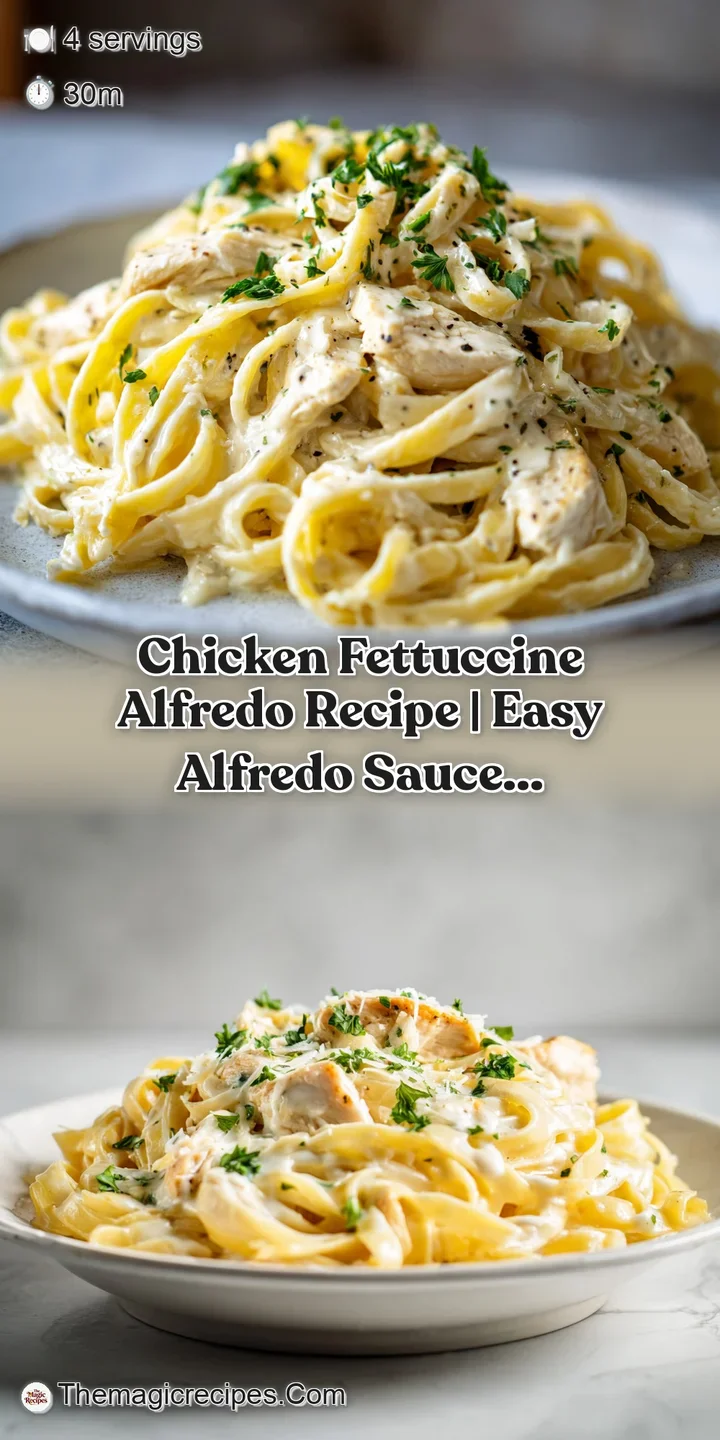
Chicken Fettuccine Alfredo: Velvety Cream Sauce
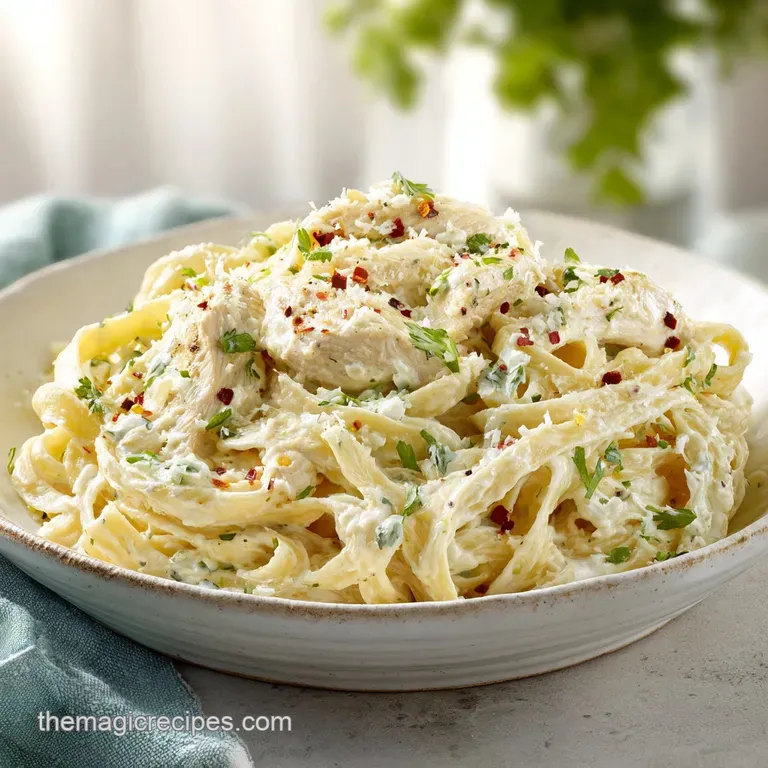
- Time: Active 20 mins, Passive 10 mins, Total 30 mins
- Flavor/Texture Hook: Velvety, garlic kissed cream sauce with golden seared chicken
- Perfect for: Busy weeknights and family-friendly comfort cravings
- Master the Ultimate Chicken Fettuccine Alfredo
- Why This Quick Pasta Just Works
- Component Analysis
- Required Ingredients and Smart Swaps
- Minimal Tools for Maximum Flavor
- Step-by-Step Cooking Process
- Fixing Common Sauce Mistakes
- Adjusting for Different Groups
- Debunking Alfredo Myths
- Storage and Reheating Tips
- Best Ways to Plate This
- Critical High in Sodium
- 📝 Recipe Card
Master the Ultimate Chicken Fettuccine Alfredo
I still remember the first time I heard that aggressive sizzle of chicken hitting a hot pan in my tiny first apartment. I was trying to impress a date, and honestly, the sauce ended up looking like scrambled eggs because I didn't understand heat control. We've all been there, right?
That aroma of garlic hitting melting butter is basically my love language, but getting it right takes more than just tossing things in a pot.
This isn't about the stuff you find in a jar that tastes like preservatives and regret. We are talking about a real, honest to goodness meal that comes together in about 30 minutes. It is the kind of dish that makes the whole house smell like a cozy Italian bistro.
You will get that beautiful, golden crust on the chicken and a sauce so silky it actually coats the noodles instead of sliding off to the bottom of the bowl.
What I love most about this version is that it is functional for a busy Tuesday but tastes like you spent hours over the stove. We are using minimal tools, just a solid skillet and a pasta pot, because nobody wants to do a mountain of dishes after a long work day.
It is a healthy balance of protein and comfort that my family asks for at least twice a month. Let's get into how we make this work every single time.
Why This Quick Pasta Just Works
The Physics of the Emulsion: The sauce relies on the "mounting" technique where cold butter and starchy pasta water create a stable bond between fats and liquids. This prevents the sauce from breaking or becoming oily as it cools.
Maillard Reaction Searing: Slicing the chicken into thin cutlets increases the surface area for browning. This creates complex flavor compounds that bridge the gap between the savory meat and the sweet heavy cream.
Starch Gelatinization Control: By undercooking the fettuccine slightly in the water (al dente), the pasta finishes absorbing liquid directly from the sauce. This allows the starches to thicken the cream naturally without needing a roux.
Stovetop vs Oven Comparison
| Method | Time | Texture | Best For |
|---|---|---|---|
| Stovetop | 20 mins | Silky sauce, juicy chicken | Quick weeknight dinner |
| Oven Bake | 40 mins | Crispy cheese crust | Meal prep and large crowds |
| Instant Pot | 15 mins | Very tender chicken | One pot cleanup lovers |
When I'm in a rush, I always stick to the stovetop. It gives you much more control over the sauce consistency. If you want a different vibe for a Sunday lunch, you might enjoy my Chicken Paprikash recipe which uses similar stovetop techniques but with a smoky pepper twist.
Component Analysis
| Ingredient | Science Role | Pro Secret |
|---|---|---|
| Heavy Cream | Provides the fat base for the emulsion | Use room temp cream to prevent the sauce from breaking |
| Parmigiano Reggiano | Acts as a structural binder and salt source | Grate it yourself; pre shredded cheese is coated in cellulose |
| Pasta Water | The "liquid gold" starch binder | Salt the water until it tastes like the sea for flavor |
Required Ingredients and Smart Swaps
For this recipe, we are using 1 lb boneless skinless chicken breasts, sliced thin. You will need 1 tsp kosher salt, 0.5 tsp cracked black pepper, and 1 tsp dried Italian seasoning for the bird.
We sear it in 2 tbsp extra virgin olive oil.
The sauce is built from 1 cup heavy cream (36% milkfat), 0.5 cup unsalted butter, and 1.5 cups freshly grated Parmigiano Reggiano.
Don't forget the 3 cloves garlic, minced, and 0.25 tsp ground nutmegWhy this? Nutmeg highlights the sweetness in the cream and cuts through the heavy fat.
Finally, you need 12 oz dried fettuccine pasta, 2 tbsp salt for the water, and 0.5 cup reserved pasta water.
| Original Ingredient | Substitute | Why It Works |
|---|---|---|
| Heavy Cream | Half and half | Lighter texture but needs 1 tsp cornstarch to stay stable |
| Parmigiano Reggiano | Aged Pecorino Romano | Sharper, saltier profile reduce added salt if using this |
| Dried Fettuccine | Fresh Egg Pasta | Cooks in 3 mins; adds a richer, more velvety mouthfeel |
| Chicken Breasts | Chicken Thighs | Higher fat content makes them more forgiving if overcooked |
If you find yourself out of cream but still want a comforting bird and pasta combo, you should try my Crockpot Italian Chicken recipe which builds a great sauce right in the slow cooker.
Minimal Tools for Maximum Flavor
You do not need a kitchen full of gadgets to pull this off. A large, heavy bottomed skillet is your best friend here. I prefer stainless steel or cast iron because they hold heat better, which is crucial for getting that chicken to sizzle and brown properly. A standard large pot for the pasta is also essential.
Beyond the pans, make sure you have a microplane or a fine grater. This is the secret to getting the cheese to melt into a cloud like consistency instead of turning into chewy clumps.
A pair of tongs is also better than a fork for swirling the pasta into the sauce it helps with the emulsification process by constantly moving the fats and starches together.
Chef's Tip: Freeze your block of Parmesan for 10 minutes before grating. It makes the cheese firmer and prevents it from clumping or melting from the warmth of your hands.
step-by-step Cooking Process
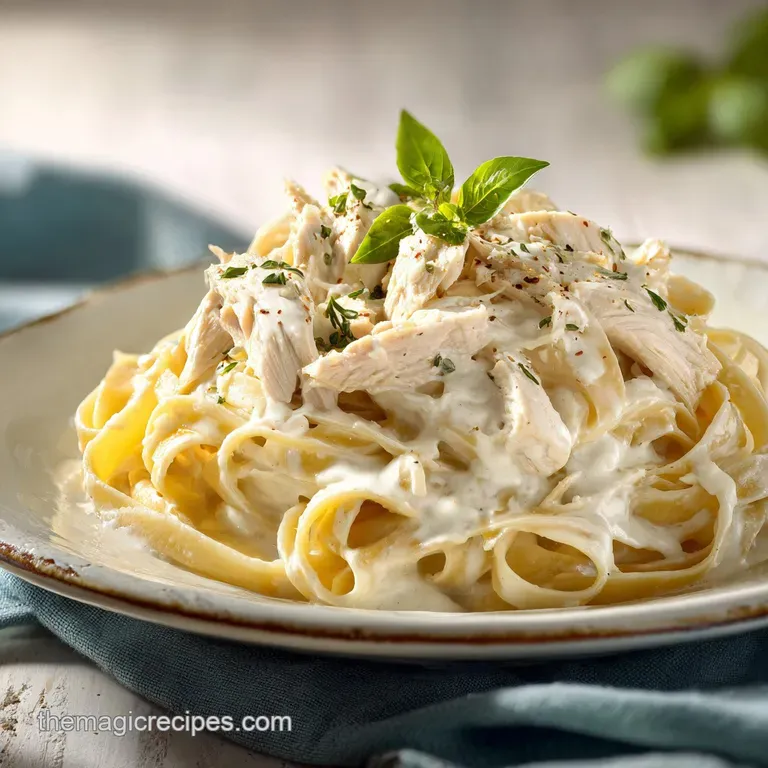
- Season the chicken. Rub the 1 lb chicken cutlets with 1 tsp salt, 0.5 tsp pepper, and 1 tsp Italian seasoning. Note: Doing this 10 mins early helps the salt penetrate the fibers.
- Sear the protein. Heat 2 tbsp olive oil in the skillet over medium high heat. Cook chicken 4-5 mins per side until a golden brown crust forms and it's opaque throughout.
- Boil the pasta. Drop 12 oz fettuccine into boiling water with 2 tbsp salt. Cook 1-2 mins less than the package says until it has a slight bite (al dente).
- Reserve the liquid. Before draining, scoop out 0.5 cup of the cloudy pasta water. Note: This is the glue for your sauce.
- Sauté the aromatics. In the same skillet used for chicken, melt 0.5 cup butter over medium heat. Add 3 minced garlic cloves and cook for 1 min until fragrant but not browned.
- Simmer the cream. Pour in 1 cup heavy cream and 0.25 tsp nutmeg. Let it bubble gently for 2-3 mins until it slightly thickens and coats the back of a spoon.
- Incorporate the cheese. Turn the heat to low. Whisk in 1.5 cups grated Parmesan in three batches until the sauce is completely smooth and velvety.
- Combine and emulsify. Add the pasta and the reserved water to the skillet. Toss vigorously until the sauce transforms from watery to a thick, glossy coating.
- Finish and serve. Slice the chicken and lay it over the noodles. Garnish with more cheese if you're feeling fancy.
Fixing Common Sauce Mistakes
The most common heartbreak with this dish is a sauce that breaks or turns "grainy." Usually, this happens because the heat was too high when the cheese was added. If the proteins in the cheese get too hot too fast, they tighten up into little rubbery balls and separate from the fat.
Why Your Sauce Separated
It usually comes down to temperature. If you see oil pooling at the top, the emulsion has broken. To fix it, add a tablespoon of very hot pasta water and whisk like your life depends on it. The starch helps pull the fat and water back together.
If the sauce is too thick, don't just add more cream add more pasta water. It keeps the flavor balanced without making the dish overly heavy.
| Problem | Root Cause | Solution |
|---|---|---|
| Grainy Texture | High heat or pre shredded cheese | Remove from heat and whisk in a splash of warm cream |
| Thin/Watery Sauce | Not enough reduction or cheese | Simmer for 2 more mins or add 1/4 cup extra Parmesan |
| Dry Pasta | Noodles absorbed all moisture | Toss in reserved pasta water 1 tbsp at a time |
Common Mistakes Checklist
- ✓ Pat chicken completely dry before searing (this ensures a golden crust instead of steaming).
- ✓ Never rinse your pasta after boiling (you need those surface starches for the sauce to stick).
- ✓ Turn off the burner before adding the final batch of cheese to prevent clumping.
- ✓ Use a large enough skillet so the pasta has room to be tossed and coated properly.
- ✓ Always grate your own cheese from a block for the smoothest possible melt.
Adjusting for Different Groups
When you need to feed a crowd or just yourself, the ratios change slightly. If you are cutting the recipe in half, use a smaller skillet. A giant pan will cause the cream to evaporate too quickly, leaving you with a dry mess before the cheese even hits the pan.
If you are doubling the recipe for a dinner party, do not double the salt in the sauce immediately. The Parmesan provides a massive amount of sodium, and it is easy to overdo it. Work in batches for the chicken searing so you don't crowd the pan.
If the pan is too full, the temperature drops, and the chicken will boil in its own juices rather than developing that beautiful shatter crisp edge.
For those who love a different twist on creamy chicken, my Chicken Spaghetti Recipe is a fantastic alternative that scales beautifully for potlucks.
Decision Shortcut
- If you want a thicker sauce, let the cream reduce by half before adding any cheese.
- If you want a lighter meal, swap half the pasta for steamed broccoli florets.
- If you want more depth, add 1 tsp of lemon zest to the sauce at the very end.
Debunking Alfredo Myths
You might have heard that authentic Alfredo uses flour or a roux. That is actually a myth! Traditional Italian Alfredo is just butter, cheese, and pasta water. The Americanized version adds heavy cream for stability and richness, but a roux (flour and butter) actually dulls the sharp flavor of the Parmigiano Reggiano.
Another big misconception is that you need to add oil to the pasta water to keep it from sticking. Please, don't do this! Oil coats the pasta and prevents the sauce from clinging to the noodles. Just use a big pot of water and give it a good stir in the first two minutes of boiling.
Storage and Reheating Tips
Storage: You can keep leftovers in an airtight container in the fridge for up to 3 days. I don't recommend freezing this dish. Cream based sauces often "split" when frozen and thawed, resulting in a gritty texture that is hard to fix.
Zero Waste: If you have leftover sauce but no pasta, use it as a dip for crusty bread or drizzle it over roasted vegetables. If you have extra chicken, it makes a killer topping for a Caesar salad the next day.
Reheating: This is the tricky part. Do not use the microwave on high power! It will break the sauce. Instead, put the pasta in a skillet over low heat and add a splash of milk or water. Stir gently as it warms up to bring the emulsion back to life.
Best Ways to Plate This
When it comes to serving, timing is everything. This dish waits for no one. As soon as that sauce is glossy and the chicken is nestled on top, get it to the table. I like to serve this in warmed bowls just run your bowls under hot water for a second and dry them.
It keeps the sauce from thickening too fast while you eat.
A simple side of roasted broccoli or a crisp green salad with a lemon vinaigrette provides the perfect acid hit to cut through the richness of the cream. If you're looking for more inspiration, check out my Chicken Broccoli Alfredo recipe for a version that builds the veggies right into the pan. Trust me, once you master this technique, you will never look at a jar of sauce the same way again. It is quick, it works, and it is genuinely the best way to end a long day.
Critical High in Sodium
1280 mg 1280 mg of sodium per serving (56% 56% of daily value)
The American Heart Association recommends limiting sodium intake to about 2,300mg per day.
Tips to Reduce Sodium
-
Reduce Parmesan-15%
Parmigiano Reggiano is a significant source of sodium. Reduce the amount used by 25-50% and consider using a lower sodium hard cheese alternative, or simply use less.
-
Limit Added Salt-25%
Eliminate the 1 tsp of kosher salt when seasoning the chicken cutlets and the 2 tbsp of salt for the pasta water. Taste and adjust seasoning after cooking; you may find it's flavorful enough without added salt.
-
Skip Salty Pasta Water-15%
Instead of salting the pasta water, cook the fettuccine in unsalted water. The sauce already contains sodium, and skipping the salt will significantly reduce the overall sodium content. After draining, rinse the pasta with warm water to remove any excess starch.
-
Unsalted Butter-5%
Ensure you are using unsalted butter. This simple switch can make a small but meaningful difference in the overall sodium content.
-
Enhance with Herbs
Instead of relying on salt for flavor, experiment with fresh herbs like parsley, basil, and oregano. These can add depth and complexity to the dish without increasing sodium levels.
Easy Chicken Fettuccine Alfredo
Ingredients:
Instructions:
Nutrition Facts:
| Calories | 1138 kcal |
|---|---|
| Protein | 62 g |
| Fat | 68 g |
| Carbs | 67 g |
| Fiber | 3 g |
| Sugar | 2 g |
| Sodium | 1280 mg |
