Easy Tartar Sauce Recipe
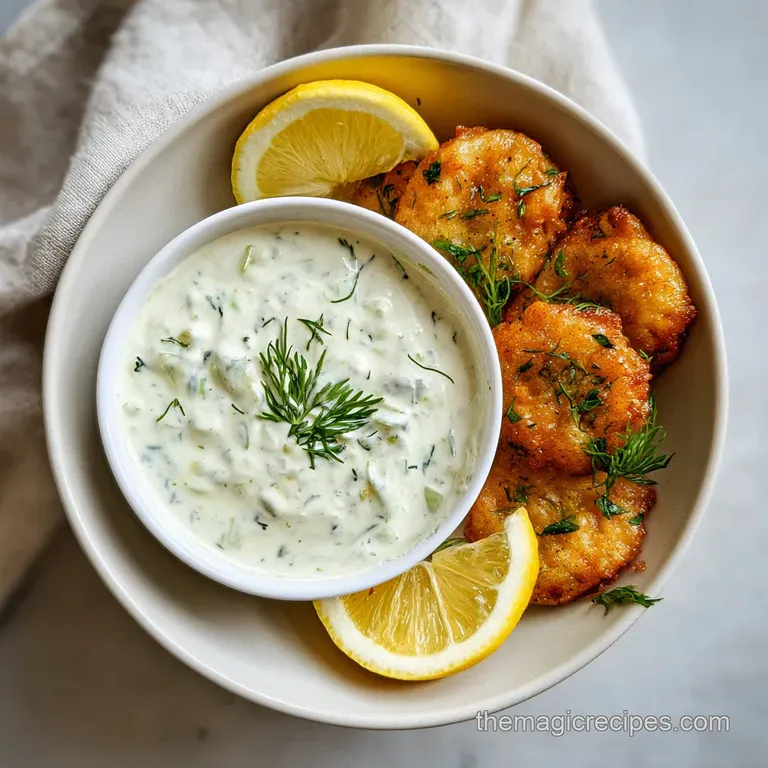
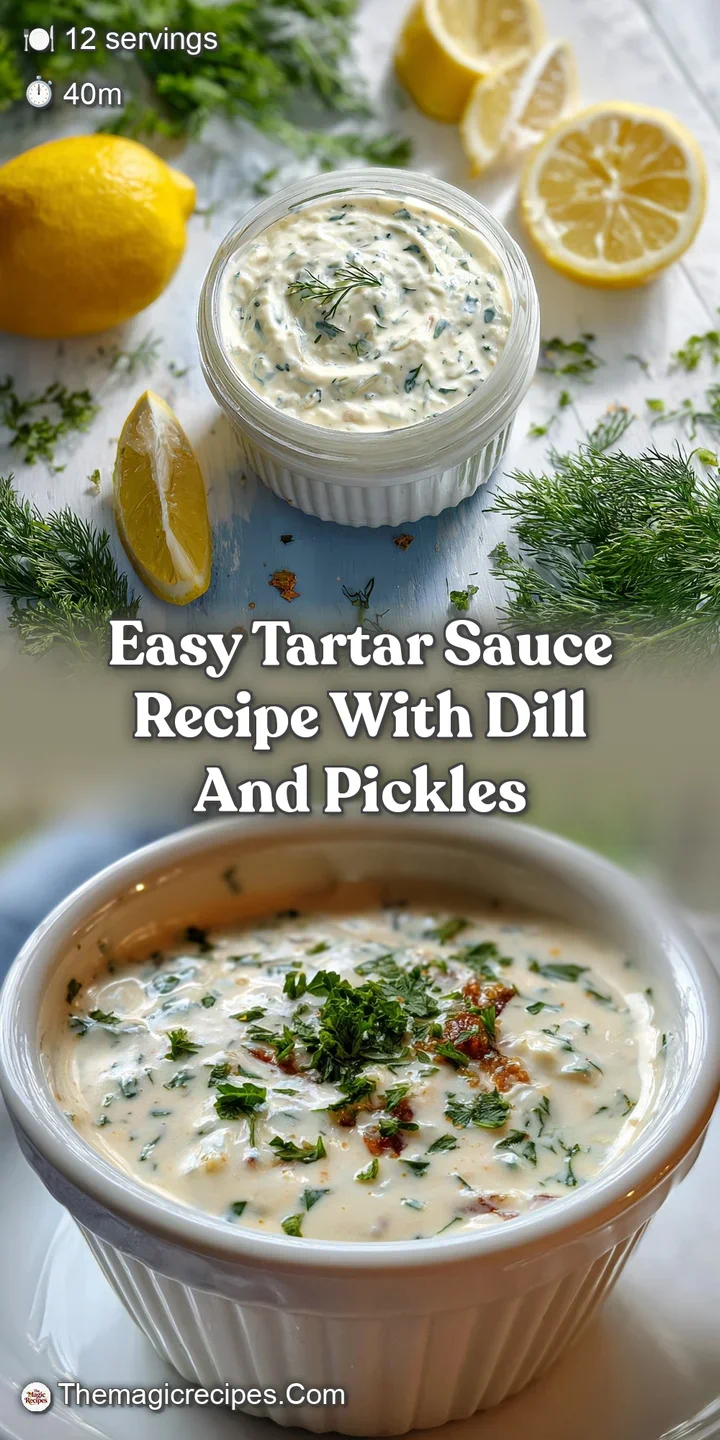
- Time: Active 10 minutes, Passive 30 minutes, Total 40 minutes
- Flavor/Texture Hook: Zesty, velvety, and punctuated by a crisp pickle crunch.
- Perfect for: Budget conscious family fish Fridays or quick weeknight shrimp tacos.
- Why You'll Love This Tartar Sauce
- Why This Works
- Essential Recipe Specs and Timings
- Simple Pantry Ingredients and Substitutes
- Basic Equipment for Quick Prep
- Step by Step Cooking Instructions
- Fixing Common Flavor and Texture Issues
- Smart Swaps for Different Diets
- Storage and Fridge Life Rules
- Best Ways to Serve This
- Tartar Sauce FAQs
- 📝 Recipe Card
Why You'll Love This Tartar Sauce
The sound of a crispy beer battered cod fillet hitting the plate is only half the battle. When you shatter that golden crust with your fork, you need something cool and tangy to meet it halfway. I remember the first time I ditched the dusty bottle from the fridge door and whisked this up on a whim.
The difference wasn't just noticeable - it was life changing for my Friday night fish fry.
We've all been there: staring at a sad, watery sauce that tastes like nothing but cheap sugar. This version is different because it respects your wallet while delivering a punch. It’s thick enough to cling to a hot fry but bright enough to make you want a second helping.
We're skipping the overpriced specialty jars and using what's already in your crisper drawer to make something better.
Honestly, once you realize that the secret to a great sauce is just the right ratio of brine to fat, you'll never look back. It's a quick win for any home cook. We're focusing on a functional, no fuss approach that gets dinner on the table without a sink full of dishes.
Let's get into why this specific mix works so well for a busy household.
Why This Works
- Acid Fat Synergy: The lemon juice and vinegar from the pickle brine break down the heavy fat molecules in the mayo, preventing the sauce from feeling greasy on the tongue.
- Osmotic Infusion: Allowing the sauce to sit for 30 minutes lets the salt in the capers draw out the aromatic oils in the fresh dill.
- Textural Contrast: Hand mincing the pickles instead of using a food processor ensures the "shatter" of the vegetable stays intact against the velvety base.
- Emulsion Stability: The small amount of sour cream adds lactic acid, which helps keep the emulsion thick even when it touches hot, steaming fish.
| Method | Time | Texture | Best For |
|---|---|---|---|
| Fast Version | 5 minutes | Smooth / Uniform | Quick weeknight sandwiches |
| Classic Version | 40 minutes | Chunky / Layered | Traditional fish and chips |
| Budget Prep | 8 minutes | Thicker / Hearty | Large family gatherings |
Choosing between the fast and classic method usually comes down to how much time you have before the fish comes out of the oil. The classic version, which includes a 30 minute chill, really allows those dried spices and fresh herbs to marry, making the overall profile much deeper than a quick stir and serve.
Essential Recipe Specs and Timings
| Component | Science Role | Pro Secret |
|---|---|---|
| Mayonnaise | Primary Emulsion | Use a high egg yolk brand for a silkier mouthfeel that resists breaking. |
| Lemon Juice | pH Adjuster | Fresh juice provides citric acid that brightens the heavy fats better than bottled. |
| Pickle Brine | Flavor Carrier | This liquid contains dissolved spices that permeate the entire sauce instantly. |
| Capers | Umami Source | These flower buds provide a salty, "sea like" depth that compliments white fish. |
Understanding the components helps you make better choices at the grocery store. For example, similar to how we balance the tang in a Hot Sauce recipe, the vinegar content here is the engine that drives the whole flavor profile. Don't skip the brine!
Simple Pantry Ingredients and Substitutes
- 1 cup high-quality mayonnaise: The foundation of the sauce. Why this? Provides the creamy structure and fat needed to carry the herbal flavors.
- 1 tbsp sour cream: Adds a subtle tang. Why this? Softens the heavy oil flavor of the mayo for a lighter finish.
- 1/2 cup dill pickles: Hand minced for crunch. Why this? Provides the essential texture and vinegary snap.
- 1 tbsp non pareil capers: Chopped fine. Why this? These add a concentrated burst of salt and Mediterranean flair.
- 1 tbsp fresh dill: Finely chopped. Why this? The grassy notes are the traditional pairing for any seafood dish.
- 1 tsp fresh parsley: Minced. Why this? Adds a clean, peppery finish and a vibrant green color.
- 1 tbsp fresh lemon juice: For brightness. Why this? Cuts through the fried batter of the fish effectively.
- 1 tsp pickle brine: Extra zip. Why this? Distributes the pickle flavor more evenly through the cream base.
- 1/2 tsp Dijon mustard: For emulsification. Why this? Helps bond the lemon juice and mayo while adding heat.
- 1/4 tsp onion powder: For depth. Why this? Provides savory background notes without the harshness of raw onion.
- 1/8 tsp granulated sugar: Balance. Why this? A tiny amount of sugar neutralizes excess acidity for a smooth finish.
- 1/8 tsp fine sea salt: To taste.
- 1/8 tsp cracked black pepper: For a hint of warmth.
Basic Equipment for Quick Prep
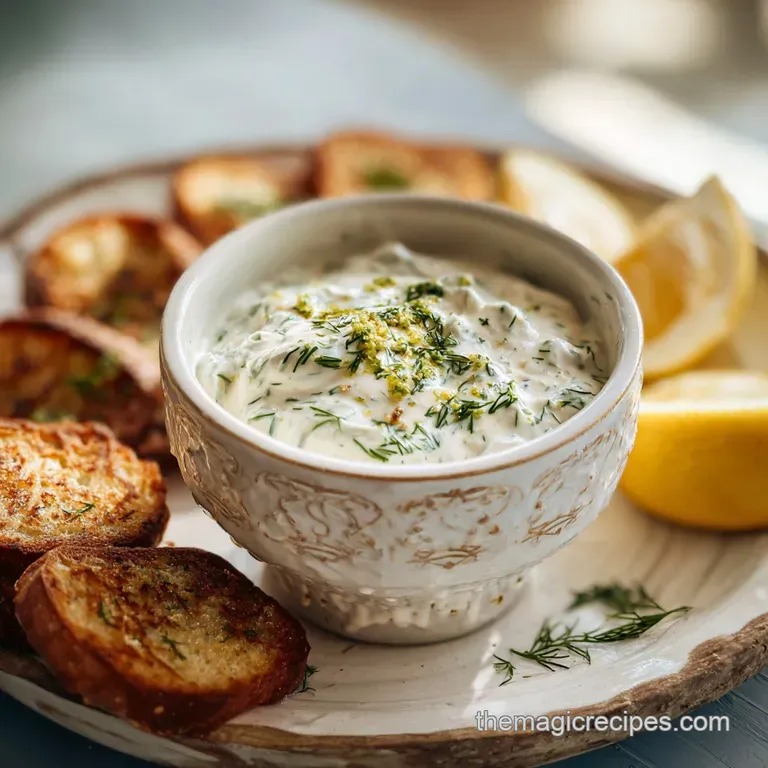
You don't need a high end blender for this. In fact, using one would turn your pickles into a green mush, which is exactly what we want to avoid. A sharp chef’s knife is your best friend here because it allows you to control the size of the "crunch." If you mince the pickles too fine, they get lost; too big, and the sauce won't stay on the fork.
I usually use a small glass mixing bowl and a stiff silicone spatula. A whisk is fine, but it tends to trap the chopped herbs inside the wires, which is annoying to clean. A glass jar with a tight lid is also great because you can mix everything right in the container you’ll use for storage.
This saves on cleanup and keeps the kitchen tidy.
Chef's Tip: Freeze your pickles for 10 minutes before dicing. This firms up the skin and makes it much easier to get those tiny, perfect cubes without the pickle sliding all over the cutting board.
step-by-step Cooking Instructions
- Mince the pickles. Use a sharp knife to cut 1/2 cup dill pickles into a fine dice until they look like small uniform jewels. Note: Hand cutting prevents the pickles from releasing too much water into the sauce.
- Chop the capers. Roughly chop 1 tbsp capers until no whole rounds remain. Note: Breaking the skins releases the salty brine inside.
- Combine the creamy base. In a medium bowl, whisk together 1 cup mayonnaise, 1 tbsp sour cream, and 1/2 tsp Dijon mustard until completely velvety.
- Add the brighteners. Pour in 1 tbsp lemon juice and 1 tsp pickle brine until the sauce thins slightly.
- Season the mixture. Sprinkle in 1/4 tsp onion powder, 1/8 tsp sugar, 1/8 tsp salt, and 1/8 tsp black pepper.
- Fold in the aromatics. Gently stir in 1 tbsp fresh dill and 1 tsp fresh parsley until the green herbs are evenly distributed.
- Incorporate the crunch. Add your diced pickles and chopped capers to the bowl.
- The final stir. Use a spatula to fold everything together until the sauce is thick and speckled.
- The critical chill. Cover the bowl and refrigerate for 30 minutes until the flavors have fully melded. Note: Do not skip this; it's when the magic happens.
- Taste and adjust. Give it one last stir and add a drop more lemon if you want it extra zingy.
Fixing Common Flavor and Texture Issues
Why Your Sauce Is Runny
If your sauce looks more like a dressing than a dip, it usually means the pickles weren't drained well enough or the lemon juice overwhelmed the mayo. It can also happen if you use a "light" mayonnaise which has a higher water content.
| Problem | Root Cause | Solution |
|---|---|---|
| Watery Consistency | Excess moisture from pickles | Add 1 tbsp extra mayo or a teaspoon of Greek yogurt to thicken. |
| Too Salty | Capers weren't rinsed | Add a pinch more sugar or another dollop of sour cream. |
| Bland Flavor | Lack of acidity | Increase pickle brine by 1/2 teaspoon or add a tiny bit more Dijon. |
If you run into a flavor wall, treat it like a Bang Bang Sauce Recipe where the balance of sweet and heat is key. Sometimes a tiny splash of something unexpected can bring it all back to life.
- ✓ Pat your pickles dry with a paper towel after mincing to prevent watering down the sauce.
- ✓ Always use fresh lemon juice; the bottled stuff has a metallic aftertaste that ruins the delicate herbs.
- ✓ Chill the sauce for at least 30 minutes; it’s not just a suggestion, it actually thickens the emulsion.
- ✓ Don't over mix once the herbs are in, or the sauce might turn a strange shade of green.
- ✓ Taste your pickles first; if they are very salty, reduce the added sea salt in the recipe.
Smart Swaps for Different Diets
If you are trying to keep things a bit lighter or have specific dietary needs, this recipe is very forgiving. The main goal is to maintain that creamy to acid ratio. For a lower calorie version, I often swap half the mayo for plain non fat Greek yogurt.
It adds a protein boost and even more tang, though the texture will be slightly less "heavy" on the tongue.
| Original Ingredient | Substitute | Why It Works |
|---|---|---|
| Mayonnaise (1 cup) | Avocado Oil Mayo (1 cup) | Healthy fats with a very similar creamy structure. |
| Sour Cream (1 tbsp) | Greek Yogurt (1 tbsp) | Higher protein and more tang. Note: Slightly thinner texture. |
| Dill Pickles | Sweet Relish | Use this if you prefer a "McDonald's style" sweet sauce. Note: Omit the sugar. |
If you decide to go the "sweet" route with relish, keep in mind it changes the whole vibe of the dish. It becomes less of a traditional "East Tartar Sauce" and more of a commercial condiment. It's great on burgers, but for fried fish, the dill and brine version usually wins.
Storage and Fridge Life Rules
This sauce stores beautifully because the acidity acts as a natural preservative. You can keep it in an airtight container in the fridge for up to 7 days. I actually find that it tastes better on day two once the onion powder has fully rehydrated and the dill has infused the fat.
Zero Waste Tip: Don't throw out that leftover pickle juice! It’s basically liquid gold. You can use it to brine chicken breasts before frying, or even splash it into a Hot Dog Chili recipe to add a layer of complexity to the meat sauce. If you have leftover tartar sauce that's nearing the end of its life, use it as a base for a potato salad or a creamy coleslaw dressing.
Avoid freezing this sauce. Mayonnaise based emulsions tend to "break" when they thaw, leaving you with a grainy, oily mess that's impossible to whisk back together. Stick to small batches that you can finish within a week.
Best Ways to Serve This
While fish is the obvious partner, don't limit yourself. This sauce is incredible as a dip for roasted potatoes or even as a spread for a crispy chicken sandwich. The tang of the capers and the crunch of the pickles provide a much needed contrast to anything fried or salty.
- Classic Pairing: Serve alongside beer battered cod or pan seared tilapia.
- Vegetarian Option: Use it as a dip for fried green tomatoes or zucchini fries.
- The Ultimate Sandwich: Slather it on a toasted brioche bun with a fried crab cake and a slice of tomato.
Whatever you serve it with, make sure the food is hot. The contrast between the cold, velvety sauce and the steaming, crispy protein is what makes this a staple in my kitchen. It's a simple, budget friendly way to make a basic meal feel like a special occasion.
A Few Final Myths
Some people think you need to use "miracle whip" for tartar sauce. Honestly, don't even bother. The sugar content is too high and it lacks the clean fat profile needed to let the herbs shine. Another myth is that you must use fresh pickles.
Actually, older, softer pickles work fine here because we are dicing them so small; the vinegar punch is more important than the initial snap. Searing the fish doesn't mean you need a hot sauce; a cold tartar sauce provides the necessary temperature contrast that refreshes the palate between bites.
Tartar Sauce FAQs
What's the secret to the best tartar sauce?
Resting the sauce for at least 30 minutes. The secret lies in allowing the acid from the brine and lemon juice time to fully permeate the mayonnaise base and infuse the herbs. This resting period transforms the flavor from a simple mix into a cohesive, deep condiment, similar to how seasoning works in our Horseradish Cream Sauce recipe.
Which brand tartar sauce tastes like McDonald's?
Use a brand that incorporates sweet relish instead of dill pickles. McDonald's uses a very sweet, smooth sauce which often substitutes sweet pickle relish for the traditional sharp dill pickles.
To mimic this, omit the dill and capers, use sweet relish, and skip any added sugar since the relish provides sufficient sweetness.
What does Gordon Ramsay put in his tartar sauce?
Ramsay typically favors a very high-quality, acid forward approach. His versions usually include fresh herbs like chives and parsley, capers, finely chopped cornichons (small French gherkins), and a good amount of fresh lemon juice mixed into a homemade mayonnaise base.
He focuses on texture contrast, ensuring the components are chopped finely but distinctly.
What is tartármártás made of?
Tartármártás is the Hungarian term for tartar sauce, usually featuring a similar base but often utilizing mustard. It is made from mayonnaise, capers, pickles, and herbs, but Hungarian recipes frequently incorporate Dijon or strong yellow mustard for an extra punch. This mustard provides necessary emulsification stability, much like in a classic Mexican 7 Layer recipe, where the binder is crucial.
How do I make tartar sauce thicker if it turns out too runny?
Whisk in one tablespoon of extra mayonnaise or thick Greek yogurt at a time. Runniness is usually caused by excess liquid from the pickles or too much lemon juice being added too quickly. The solids in the extra mayo will absorb the excess moisture and restore that necessary clinging texture.
Can I substitute fresh herbs with dried herbs for tartar sauce?
No, you should always use fresh herbs like dill and parsley for this recipe. Dried herbs lack the volatile oils and bright flavor required to cut through the richness of the mayonnaise.
Dried herbs will taste dusty and fail to provide the necessary aromatic lift that fresh herbs offer in an emulsion like this one.
Is it true that capers must be rinsed before being added to the sauce?
Yes, it is best practice to lightly rinse the capers before using them. Capers are packed in a very salty brine, and rinsing them briefly under cold water removes the harsh surface saltiness. This allows you to better control the final seasoning of the sauce rather than relying solely on the brine.
Easy Homemade Tartar Sauce
Ingredients:
Instructions:
Nutrition Facts:
| Calories | 135 kcal |
|---|---|
| Protein | 0.2 g |
| Fat | 14.7 g |
| Carbs | 0.7 g |
| Fiber | 0.1 g |
| Sugar | 0.4 g |
| Sodium | 188 mg |
