Easy Creamy Oyster Stew Recipe
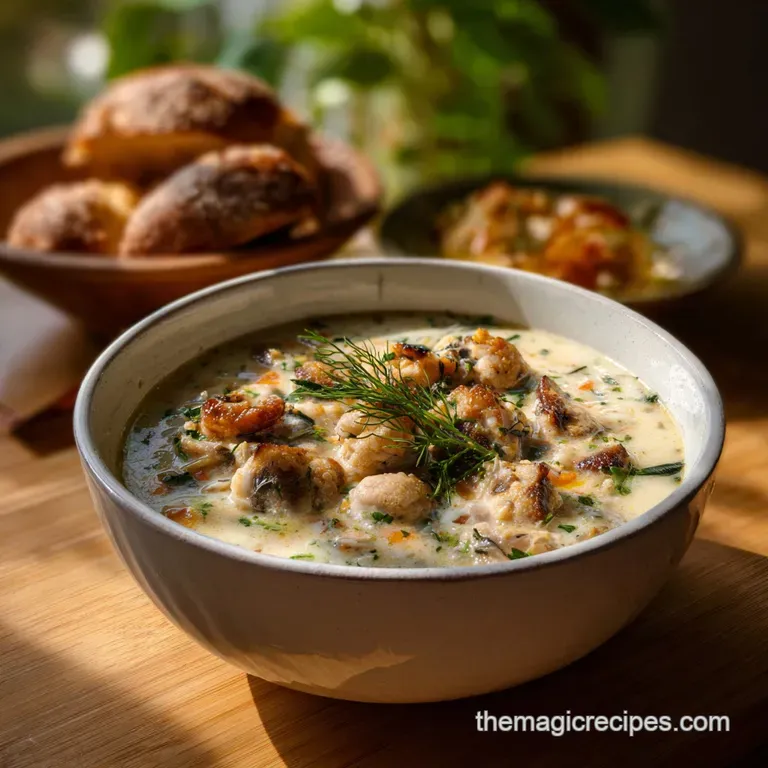
- Time: Active 15 minutes, Passive 15 minutes, Total 30 minutes
- Flavor/Texture Hook: Velvety cream base with briny, tender oysters
- Perfect for: Christmas Eve tradition or a quick weeknight comfort meal
- Effortless Oyster Stew Recipe For Families
- Quick Recipe Specifications
- Why This Savory Stew Works
- Component Analysis
- Essential Ingredients And Substitutes
- Kitchen Tools You Need
- From Prep To Plate
- Troubleshooting Your Stew
- Resizing For Any Crowd
- Simple Dietary Adaptations
- Debunking Common Kitchen Myths
- Keeping It Fresh
- Serving And Presentation Tips
- Timing And Preparation Details
- Recipe FAQs
- 📝 Recipe Card
Effortless Oyster Stew Recipe For Families
The sizzle of butter hitting a warm pot and the immediate aroma of sautéed shallots always takes me back to my first attempt at this dish. I used to think seafood was too fussy for a busy Tuesday night, but this oyster stew recipe changed everything.
It is the ultimate "cheat code" for parents who want a meal that feels special without spending two hours at the stove.
Most people save this for the holidays, but I promise it works just as well when you are staring at a cold Wednesday evening and need something fast. It is all about the balance between the salty liquor from the oysters and the rich, velvety finish of the cream.
If you have ever had a rubbery oyster, don't worry - I have made that mistake so you don't have to.
We are going to focus on functional cooking here. No fancy techniques, just smart steps that get dinner on the table in 30 minutes flat. Trust me, once you see how those oyster edges curl in the hot milk, you will realize why this has been a staple for generations.
Quick Recipe Specifications
| Feature | Detail |
|---|---|
| Servings | 4 people |
| Primary Method | Stovetop poaching |
| Complexity | Beginner friendly |
| Main Flavor | Briny, buttery, and mild |
Why This Savory Stew Works
- Protein Denaturation: Keeping the temperature below boiling prevents the oyster proteins from tightening too quickly, which avoids that "rubbery" texture.
- Emulsification: The grass fed butter fats bond with the milk solids, creating a silky mouthfeel without needing a heavy flour roux.
- Liquor Integration: Using the natural oyster liquor adds intense umami and salt without diluting the creamy base.
The Science of Why it Works
When you poach seafood in fat rich liquids like milk or half and half, you are creating a barrier that slows down heat transfer. This gentle process ensures the oysters reach their "perfect" texture - plump and tender - rather than shrinking into tough little knots. Similar to the logic in my Chicken and Noodles Recipe, the liquid acts as both the cooking medium and the flavor delivery system.
Component Analysis
| Ingredient | Science Role | Pro Secret |
|---|---|---|
| Oyster Liquor | Natural Brine | Strain it through a fine mesh sieve to remove every trace of sand. |
| Grass fed Butter | Fat & Flavor | Use Kerrygold or similar brands for a higher fat content and better "cling." |
| Clam Juice | Flavor Depth | Adds a salty backbone that makes the stew taste like it simmered all day. |
| Whole Milk | Liquid Base | Never use skim; the fat is necessary to prevent the acids from curdling. |
Essential Ingredients And Substitutes
To get this homemade oyster stew on the table, you will need a few pantry staples and, of course, the stars of the show.
- 2 pints (900g) Fresh shucked oysters: Look for these in the refrigerated seafood section. Why this? Pre shucked saves 20 minutes of labor and provides the essential liquor.
- Substitute: Canned whole oysters (well drained), but the texture will be significantly softer.
- 1/2 cup (120ml) Bottled clam juice: I use Bar Harbor brand for the cleanest taste. Why this? It boosts the "ocean" flavor without adding extra bulk.
- Substitute: Fish stock or even a light vegetable broth.
- 3 tbsp (42g) Kerrygold butter: high-quality fats make a difference.
- Substitute: Ghee or a neutral oil, though you lose the classic buttery finish.
- 1/2 cup (75g) Minced celery: Provides the necessary crunch and herbal notes.
- 1 Small shallot: Milder than onions, it melts into the base perfectly.
- 1 tsp (5g) Old Bay Seasoning: The classic Maryland touch.
- 1/4 tsp (1g) Cayenne pepper: Just enough to provide a back of-the throat warmth.
- 2 cups (475ml) Whole milk: The foundation of our creamy oyster stew.
- 1 cup (240ml) Half and half: For that extra velvety texture.
- 1/2 tsp Salt and 1/4 tsp White pepper: White pepper keeps the broth looking clean and "bright."
Kitchen Tools You Need
You don't need a professional kitchen for this. A solid Lodge Enameled Cast Iron Dutch Oven is my go to because it holds heat so steadily. If you don't have one, any heavy bottomed saucepan will work.
You will also want a fine mesh strainer to catch any grit in the oyster liquor and a whisk to keep the milk from scorching on the bottom.
From Prep To Plate
- Strain oysters. Pour the 900g of oysters into a sieve over a bowl to catch all the liquor. Note: This liquor is gold; do not throw it away.
- Sauté aromatics. Melt 42g of butter in your pot over medium heat and add the celery and shallot.
- Soften veggies. Cook for 5 minutes until the celery is translucent and the shallots smell sweet.
- Season base. Stir in the 5g of Old Bay and 1g of cayenne pepper.
- Deglaze pot. Pour in the 120ml of clam juice and the reserved oyster liquor.
- Simmer liquids. Bring to a very gentle simmer for 3 minutes until the liquid reduces slightly.
- Add dairy. Pour in the 475ml of milk and 240ml of half and half.
- Warm milk. Heat the mixture until tiny bubbles form at the edges but it does not boil.
- Poach oysters. Slide the oysters into the liquid.
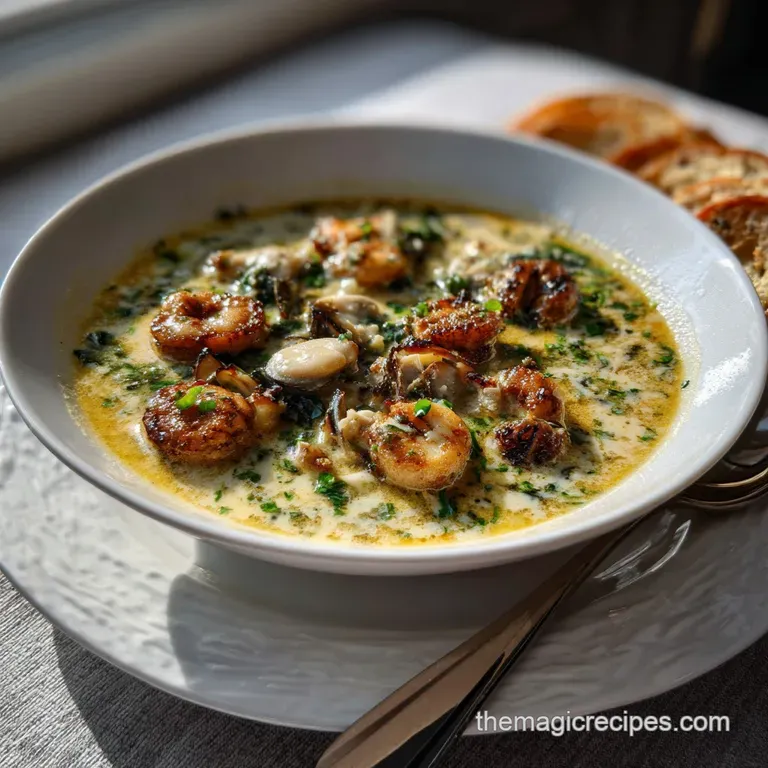
- Final finish. Cook for 3 minutes until the oyster edges start to curl and the centers are plump.
- Season. Add the salt and white pepper, then serve immediately.
Chef's Note: If you see the milk start to boil, pull the pot off the heat immediately. Boiling will turn your tender oysters into rubber balls in seconds.
Troubleshooting Your Stew
Rubbery Oysters
This usually happens because the heat was too high. Oysters only need a few minutes of gentle poaching. If you are worried, you can even turn the heat off entirely once you add them and let the residual heat finish the job. If you want a slower cooking experience, consider a Beef Stew Crockpot recipe next time, as seafood is much more sensitive.
Thin Or Watery Broth
If your stew feels too thin, it might be the milk choice. Using 2% instead of whole milk changes the viscosity. You can whisk in a little more half and half at the end to thicken it up without having to start over.
| Problem | Cause | Fix |
|---|---|---|
| Curdled Milk | Added oysters too cold or boiled the milk | Keep heat low; temper the oysters by letting them sit at room temp for 10 mins. |
| Gritty Texture | Sand in the liquor | Always use a fine mesh sieve or a coffee filter for the liquor. |
| Bland Flavor | Not enough salt/acid | Add a tiny squeeze of lemon or an extra pinch of Old Bay. |
Resizing For Any Crowd
Scaling Down (1/2 batch): Use a smaller saucepan to maintain the liquid depth. Reduce the sauté time for the celery by 20%. Beat one egg and use half if you decide to thicken it that way, though for this simple oyster stew, just cutting the dairy in half works perfectly.
Scaling Up (2x batch): When doubling, do not double the salt or cayenne immediately. Start with 1.5x the spices and adjust at the end. Use a large Dutch oven to ensure the oysters aren't crowded, which allows them to cook evenly.
Simple Dietary Adaptations
Low Sodium Variation
The clam juice and oyster liquor are naturally salty. To cut back, replace the clam juice with unsalted seafood stock and use unsalted butter. Skip the extra 1/2 tsp of salt at the end until you have tasted the final product.
dairy-free Swap
| Original Ingredient | Substitute | Why It Works |
|---|---|---|
| Whole Milk | Full fat Coconut Milk | Similar fat content. Note: Adds a subtle tropical flavor; best with extra cayenne. |
| Half and Half | Cashew Cream | Provides the same thickness and "mouth coating" feel without the dairy. |
Debunking Common Kitchen Myths
- Searing oysters seals in juice: Actually, searing oysters just makes them tough. For this classic oyster stew, poaching is the only way to keep them "velvety."
- Only eat oysters in months with an "R": This was true before modern refrigeration, but today, high-quality shucked oysters are safe year round. However, oyster stew for Christmas remains the most popular time to serve it!
Keeping It Fresh
Storage: Store leftovers in an airtight container in the fridge for up to 2 days. The flavor actually deepens overnight, but the oysters may get slightly firmer.
Freezing: I do not recommend freezing this stew. The dairy will likely separate and grain up when thawed, and the oysters will lose their delicate texture.
Zero Waste Tip: Don't toss the celery leaves! Chop them finely and use them as a garnish. They have a concentrated celery flavor that cuts through the rich cream.
Serving And Presentation Tips
For the best experience, serve this in warmed bowls. Cold ceramic will sap the heat from the milk instantly. This is a classic New Years Eve recipe in many homes, often served alongside crusty sourdough bread to soak up every drop of the broth.
The Textural Contrast
Top each bowl with a handful of oyster crackers or even crushed saltines. The "shatter" of the cracker against the silky soup is a must have. A tiny dusting of extra Old Bay or fresh parsley adds that final pop of color that makes a "functional" meal look like a restaurant dish.
Timing And Preparation Details
Preparation Speed
You can mince the celery and shallots while the butter melts to save time. This is a "workhorse" recipe that doesn't require Mise en place to be successful, provided you have your liquids measured out.
Comparison Of Methods
| Method | Pros | Cons |
|---|---|---|
| Stovetop | Full control over temperature; faster. | Requires standing at the stove for 15 minutes. |
| Oven (Slow Poach) | Very gentle; hard to overcook. | Takes longer; dairy can sometimes "skin" over. |
Final Precision Checkpoints
- Butter foam: Wait for the bubbling to subside (about 2 minutes) before adding veggies.
- Oyster Curl: Watch for the thin edges to "ruffle" - this takes exactly 3 minutes at a low simmer.
- Serving Temp: Aim for 155°F (68°C) for the perfect balance of warmth and flavor.

Recipe FAQs
Can I use frozen oysters for this recipe instead of fresh?
No, stick with fresh or canned. Frozen oysters release too much water during thawing, which drastically thins the base and prevents proper flavor concentration.
Is it acceptable to make this oyster stew with just milk and butter?
No, you need an acidic element for balance. While milk and butter form the base, the clam juice or oyster liquor provides the necessary brine and umami to prevent the stew from tasting flat.
What is the key technique for avoiding rubbery oysters in the stew?
Keep the heat low and do not boil the liquid. Oysters cook very quickly; once they are added, you are only looking for the liquid to reach a gentle simmer until the edges curl. If you enjoyed mastering low-temperature protein cooking here, see how the same principle prevents scorching in our Cincinnati Chili: Authentic Skyline 5-Way Recipe at Home.
What side dish pairs best with a rich oyster stew?
Something crunchy and fresh provides the best contrast. A simple, tangy side works beautifully to cut through the richness of the cream base. My favorite is always a crisp Coleslaw Recipe: The Best Creamy Homemade Picnic Side for that contrast.
How can I make an old-fashioned oyster stew recipe without using flour or cornstarch?
Rely on high fat dairy and gentle reduction. This traditional method avoids flour entirely by using whole milk and half and half, which naturally emulsify with the melted butter fats when simmered gently.
Can I prepare the base of the stew ahead of time?
Yes, the creamy base can be made a day ahead. Sauté your aromatics and simmer the milk mixture; just hold off on adding the actual oysters until about 15 minutes before you plan to serve the meal.
What is a suitable replacement for celery in this recipe?
Use fennel bulb or leeks as a direct replacement. Both options offer similar mild allium sweetness when sautéed slowly. If you were making a heartier, slow cooked beef dish, you might use the same vegetable substitution logic found in our Hot Dog Chili: The Slow Simmered Coney Sauce Recipe for depth.
Easy Oyster Stew Recipe
Ingredients:
Instructions:
Nutrition Facts:
| Calories | 355 calories |
|---|---|
| Protein | 18g |
| Fat | 24g |
| Carbs | 14g |
| Fiber | 1g |
| Sugar | 9g |
| Sodium | 780mg |
