French Martini: the Classy Cousin Recipe
- The French Martini: History and Timeless Appeal
- Understanding the Flavor Science: Why Vodka, Raspberry, and Pineapple Work
- Essential Components and Smart Substitutions
- Shaking Up Perfection: The Step-by-Step Method
- Mastering the Mix: Professional Tips and Troubleshooting
- Serving and Pairing Your Elegant French Martini
- Make Ahead and Storage Guide
- Recipe FAQs
- 📝 Recipe Card
The French Martini: History and Timeless Appeal
When I tell people I’m making a French Martini , they often picture some dry, bitter concoction that only James Bond could love. But oh, are they wrong.
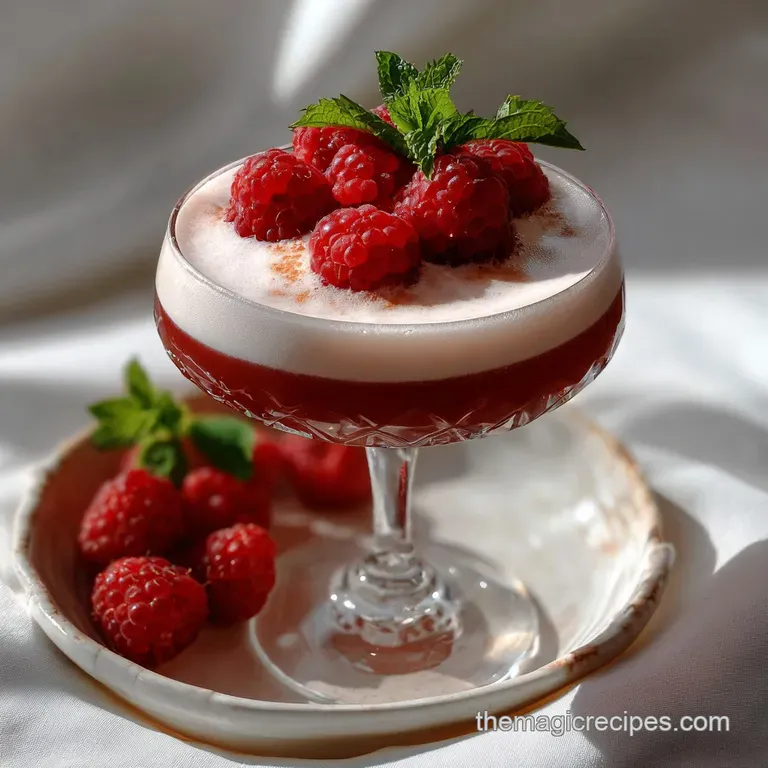
This cocktail is pure sunshine in a glass, delivering a gorgeous pale pink color and a silky, frothy top that smells instantly tropical and just a little bit mischievous. It hits that perfect sweet tart spot that makes you sit back and sigh happily.
This classic drink is a complete lifesaver when you need something sophisticated in under five minutes. It’s elegant enough for a fancy date night or a cocktail party, yet it requires almost no skill. If you can measure and shake, you can make this. Trust me, it’s easier and cheaper than attempting to perfect my French dip sandwich: Classic roast beef with rich au jus recipe.
So, ditch the complicated mixology books. We are focusing purely on execution and sourcing the right ingredients to achieve a flawless balance. This is the French Martini recipe you need in your repertoire, ready to deploy at a moment’s notice.
Understanding the Flavor Science: Why Vodka, Raspberry, and Pineapple Work
The Unexpected Origin of This Modern Classic Cocktail
The French Martini may sound like it hails from a Parisian bistro, but its true roots are firmly planted in 1980s New York City. Specifically, it was popularized by Keith McNally's iconic Balthazar restaurant.
It’s definitely a modern invention, a delicious product of the post disco cocktail scene that favored sweetness and flash over traditional dryness.
The Essential Role of Chambord in Earning the 'French' Title
The only thing truly French about the French Martini is the magnificent addition of Chambord. This black raspberry liqueur is made in the Loire Valley, and it is the absolute star of the show, providing that deep berry flavor and the brilliant, unmistakable pink hue.
Without Chambord, you simply have a spiked pineapple drink, not the glorious cocktail we are after.
What Makes It Better Than a Traditional Vodka Martini?
Listen, a traditional dry vodka martini is a commitment. It’s stark, clean, and bracingly cold. The French Martini, however, is approachable. It uses the vodka base for strength and structure, but the sweet/acid components totally smooth out the harsh edges.
It tastes like a grown-up juice box, but in the best way possible.
The Acid/Sweet Balance: Achieving the Perfect Tang
The success of the French Martini hinges entirely on the 1:1:1 ratio or in our slightly optimized recipe, the 3:3:1 ratio of Vodka, Pineapple Juice, and Chambord. Pineapple provides the necessary tart acidity to cut through the heavy sugar of the liqueur.
If your drink tastes flat, you probably skimped on the juice.
The Texture Factor: Why Pineapple Juice is Non-Negotiable
This isn't just about flavor; it's about mouthfeel. When you shake pineapple juice vigorously, the tiny suspended particles create a luxurious, stable foam. This froth is mandatory for a proper French Martini. Without it, the drink feels thin and watery.
Selecting the Right Vodka Base for a Clean Finish
Since the vodka forms the backbone of the drink, you need something smooth that won't give you a rubbing alcohol flavor. You don't need the most expensive bottle on the shelf, but you definitely shouldn't use the cheapest. A good, clean mid-range vodka ensures the fruit flavors remain bright and crisp.
Essential Components and Smart Substitutions
We are aiming for a clean, velvety finish with the best French Martini ingredients . Quality really shines through when you have so few components.
Ingredient Checklist: Quantities for Single and Batch Servings
| Ingredient | Single Serve (US Customary) | Single Serve (Metric) | Notes & Substitutions |
|---|---|---|---|
| Premium Vodka | 1.5 oz | 45 ml | Substitute: Premium White Rum or London Dry Gin (for a drier profile). |
| Unsweetened Pineapple Juice | 1.5 oz | 45 ml | Substitute: White Grape Juice (If absolutely necessary, for viscosity and sweetness). |
| Chambord | 0.5 oz | 15 ml | Substitute: high-quality Raspberry Liqueur or Blackcurrant Liqueur (Crème de Cassis). |
| Garnish | 3 Fresh Raspberries | 3 Fresh Raspberries | Substitute: A pineapple wedge or a lemon twist. |
Choosing the Best Raspberry Liqueur Alternative
Chambord is fantastic, but it can be pricey. If you are mixing cocktails for a crowd, an ordinary high-quality raspberry liqueur will work just fine. Crucially, if you use a raspberry syrup instead of a liqueur, reduce the amount to about 0.25 oz (7 ml) because syrups are significantly sweeter and lack the alcohol required for balance.
The Importance of Fresh vs. Canned Pineapple Juice
This is where I learned my lesson the hard way. Canned pineapple juice often contains preservatives and tends to be overly sweet and slightly metallic. For a superior French Martini , always go for 100% pure unsweetened pineapple juice, preferably the stuff you find refrigerated, not on the shelf.
That hard, fast shake relies on the quality of the juice for that perfect foam.
Essential Barware: What You Need to Make This Drink
You can technically stir this, but please don't. A cocktail shaker is your friend here. I prefer the Boston shaker, which is two metal tins, because it gets intensely cold and chills the cocktail faster. You also absolutely need a jigger for precise measuring and a fine mesh sieve for double straining.
Chef's Note: When shopping for French Martini glasses, remember that coupes are generally more forgiving than the traditional V-shaped martini glass, which loves to spill if you move too quickly.
Shaking Up Perfection: The step-by-step Method
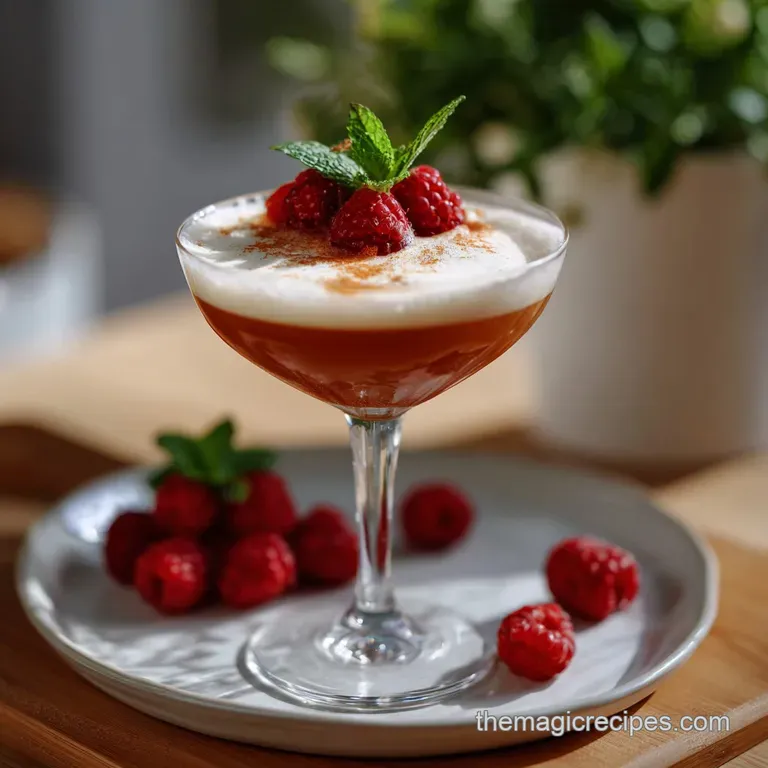
This is a three step dance to elegance. Don't rush the chilling or the shaking, and you’ll be golden.
Step 1: Chilling the Glass for Optimal Presentation
Grab your coupe or martini glass and toss it straight into the freezer. If you forgot (like I usually do), fill it up with ice water while you prep the cocktail. The goal is to maximize the time the drink stays cold once it's poured "up" (without ice).
Just before you shake, remove the glass from the freezer or dump out the chilling water.
Step 2: The Critical Importance of the Hard Shake
Measure your 1.5 oz vodka, 1.5 oz pineapple juice, and 0.5 oz Chambord accurately into your shaker. Fill the shaker about 2/3 full with high-quality, fresh ice don't reuse watery ice! Seal the lid tightly. Now, you need to channel your inner bartender: shake vigorously for a full 15 to 20 seconds.
You should see a frosty condensation line appear on the outside of the shaker. The hard shake achieves two things: max temperature drop and maximum aeration for that beautiful foam layer.
Step 3: Double Straining for a Velvety Smooth Texture
This is the secret to a professional grade French Martini cocktail. Place your fine mesh strainer over the chilled glass. Now, pour the contents of the shaker through the Hawthorne strainer (if your shaker has one) and then through the fine mesh strainer.
This double process catches any tiny ice shards or bits of pineapple pulp, resulting in a perfectly smooth, silky texture.
Garnish Guide: The Classic Pineapple Wedge vs. Raspberry Skewer
The classic garnish is three raspberries floating beautifully on the surface, which is my preferred look for this elegant drink. If you want a more tropical vibe, use a small, fresh pineapple wedge slotted onto the rim of the glass.
Both look fabulous, but the floating raspberries give that extra pop of color right next to the froth.
Mastering the Mix: Professional Tips and Troubleshooting
Common Mistake 1: Controlling Dilution vs. Temperature
People often shake too weakly, thinking they will avoid dilution. Actually, the opposite happens! If you shake gently, the ice melts slowly but steadily, resulting in a lukewarm, watery drink. The fix: Shake hard and fast for 15 20 seconds.
This rapidly chills the liquid before too much dilution occurs.
How to Fix a Cocktail That Tastes Too Sweet
If your French Martini tastes like candy, one of two things happened: you added too much Chambord, or you used canned pineapple juice. The fix: If you’re already serving, add 1/4 ounce of fresh lime or lemon juice to inject acid and brighten the flavor profile.
If you're mixing a batch, slightly increase the vodka or the pure, unsweetened pineapple juice.
Scaling the Recipe for Party Pitchers
You absolutely can prep a batch of the base mixture ahead of time. Just combine the vodka, Chambord, and pineapple juice (multiplying your quantities) in a pitcher. Crucially, do NOT add ice to the pitcher.
When a guest requests a drink, pour the correct serving size into a shaker, add ice, shake until icy cold, and then double strain into the chilled glass. This ensures every French Martini cocktail is properly aerated and chilled.
Serving and Pairing Your Elegant French Martini
Recommended Canapés and Appetizer Pairings
Because the drink is sweet and acidic, it needs salty or creamy snacks to balance it out. I love serving this alongside salty prosciutto wrapped around melon, or small blinis topped with smoked salmon and cream cheese.
The salty richness provides the perfect contrast to the tropical sweetness of the French Martini .
Choosing the Ideal Glassware: Coupe vs. Martini V
The style of the glass doesn’t change the flavor, but it certainly changes the experience. The Coupe glass is my favorite it feels retro, minimizes spills, and showcases the beautiful color and froth perfectly.
However, the classic V-shaped Martini glass certainly delivers the dramatic, sleek look most associated with this class of cocktails.
Seasonal Variations: Switching Up the Berry Liqueur
While the classic uses Chambord, you can play around based on the season. For a festive twist around the holidays, try substituting Chambord for a spiced cranberry liqueur. It delivers a similar rich berry flavor but with warming notes, perfect alongside my recipe for Christmas Cocktails: Spiced Cranberry Gin Martini Recipe .
make-ahead and Storage Guide
Common Mistake 2: Storing the Cocktail with Ice
Never, ever store a cocktail mixture in the fridge with the ice already added. It will simply continue to melt, resulting in a flavorless, diluted mess.
make-ahead Steps for Your French Martini
You can pre-mix the liquid components (Vodka, Chambord, Pineapple Juice) up to 24 hours ahead of time and keep them tightly sealed in a glass jar in the refrigerator.
When you are ready to serve, simply pour the pre-mixed liquid into your shaker, add fresh ice, shake like your life depends on it, and strain.
This elegant French Martini recipe proves that sometimes, the simplest cocktails are the best. It’s vibrant, easy to execute, and guaranteed to impress your friends without breaking a sweat. Cheers!
Recipe FAQs
Why is this drink called a French Martini if it was invented in New York?
The name is derived from the French black raspberry liqueur, Chambord, which is the defining flavor ingredient of the cocktail. Although it has a sophisticated French flair, the French Martini was actually created in a New York City bar during the bustling cocktail revival period of the 1980s.
What type of pineapple juice yields the best results?
For the freshest and most vibrant flavor, high-quality cold pressed or freshly squeezed pineapple juice is strongly recommended. Avoid overly sweet canned concentrates, as these can make the drink taste cloyingly sugary and detract from the balanced elegance.
My martini tastes watery and diluted. What went wrong?
A watery flavor usually indicates that the ice has melted too much during the chilling process. Ensure you are using large, dense, and very cold ice cubes in your shaker, and limit your shake time to a swift 10 to 15 seconds before immediate double straining into a chilled coupe glass.
Can I substitute Chambord with a different berry liqueur?
While Chambord provides the specific and classic black raspberry notes, you can experiment with other rich berry liqueurs like Crème de Cassis for a slightly earthier blackcurrant flavor. However, be mindful that substitutions will alter the essential balance and characteristic color of the French Martini.
How can I reduce the overall sweetness of the cocktail?
To make the drink drier, try decreasing the amount of Chambord by 1/4 ounce and simultaneously increasing the vodka component by the same measure. Alternatively, ensure your pineapple juice contains no added sugar, as this is a common source of excessive sweetness.
Is it possible to batch French Martinis for a large party?
Yes, French Martinis are suitable for batching, but you must combine only the vodka and Chambord ahead of time and store the mix well chilled. Wait to incorporate the pineapple juice and perform the final vigorous shake/chill until immediately before your guests are ready to serve.
What is the traditional or best garnish for this drink?
The most traditional and elegant garnish is a single fresh raspberry dropped gently into the glass or skewered on the rim. For those who enjoy a hint of citrus aroma, a thin spiral of lemon zest lightly expressed over the drink before discarding it also makes a beautiful addition.
Flawless French Martini Recipe
Ingredients:
Instructions:
Nutrition Facts:
| Calories | 541 kcal |
|---|---|
| Protein | 14.9 g |
| Fat | 4.4 g |
| Carbs | 110.6 g |
