Bisquick Dumplings: Proper Fluffy Clouds in Under 30 Minutes
- The Secret to Truly Fluffy Bisquick Dumplings
- Mastering the Science of Cloud-Soft Dough
- Simple Pantry Staples for Bisquick Dumplings (with Substitutions)
- Step-by-Step Guide: How to Form and Cook Perfect Bisquick Dumplings
- Troubleshooting Bisquick Dumplings: Why Are They Gooey or Dense?
- Make-Ahead and Storage Solutions for Leftover Dumplings
- Recipe FAQs
- 📝 Recipe Card
The Secret to Truly Fluffy Bisquick Dumplings
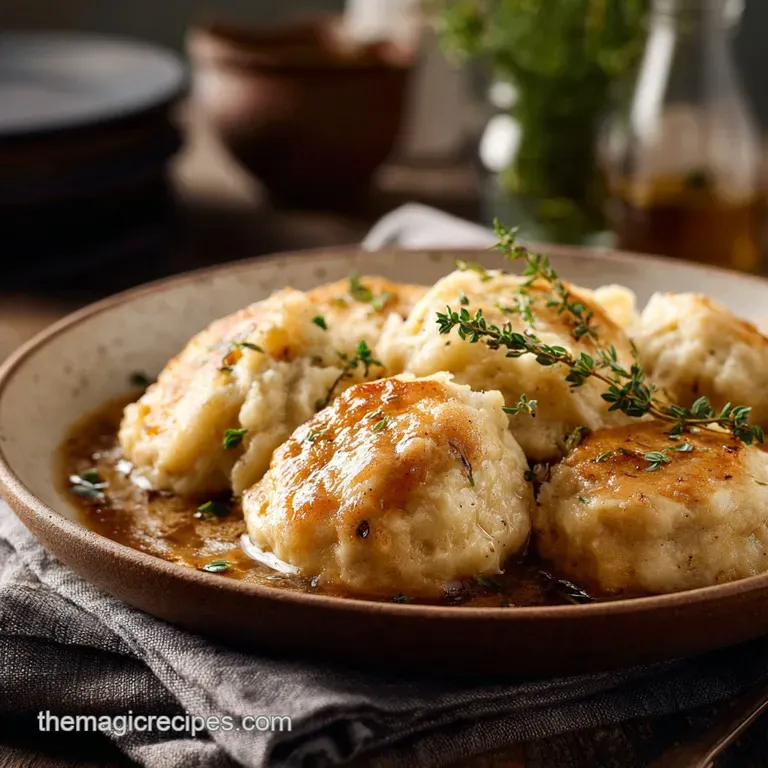
There is truly nothing better than the smell of rich gravy and soft dough simmering together on a cold evening. When those perfect, billowy white clouds emerge from the pot, having swelled up beautifully over the liquid, you know dinner is going to be spectacular.
This is pure, unadulterated comfort food, the kind that fixes everything.
Honestly, the Bisquick box is a total lifesaver for days when you need that incredible cozy feeling but don't have time for a long scratch recipe. They are incredibly fast to whip up, requiring just two or three pantry ingredients, and they always deliver maximum impact for minimum effort.
Forget complicated techniques or specialized flours.
I have spent years perfecting these little clouds, and I finally figured out the exact ratio and cooking method that guarantees they come out cloud soft every single time. Stop making dense, chewy hockey pucks; let's get you cooking the easiest and fluffiest dumplings you will ever make.
Mastering the Science of Cloud Soft Dough
The Magic of Minimal Ingredients: Why Bisquick Works
Bisquick isn't just flour; it's a carefully balanced mix that includes leavening agents and a little bit of fat, which is the whole point. Because the baking powder and salt are already perfectly measured, you eliminate half the guesswork right from the start.
That built-in leavener is what gives these dumplings their immediate, impressive rise when they hit the hot steam.
20 Minute Comfort: Recipe Overview and Timeline
You can have the dough mixed, dropped, and cooked in less than half an hour, making this the perfect last minute addition to any simmering pot. Prep time is literally 5 minutes if you’re quick, followed by a non-negotiable 15 minutes of steaming time.
Do not cut the cook time short. You need the steam to work its magic.
Defining "Fluffy": What Perfect Texture Looks Like
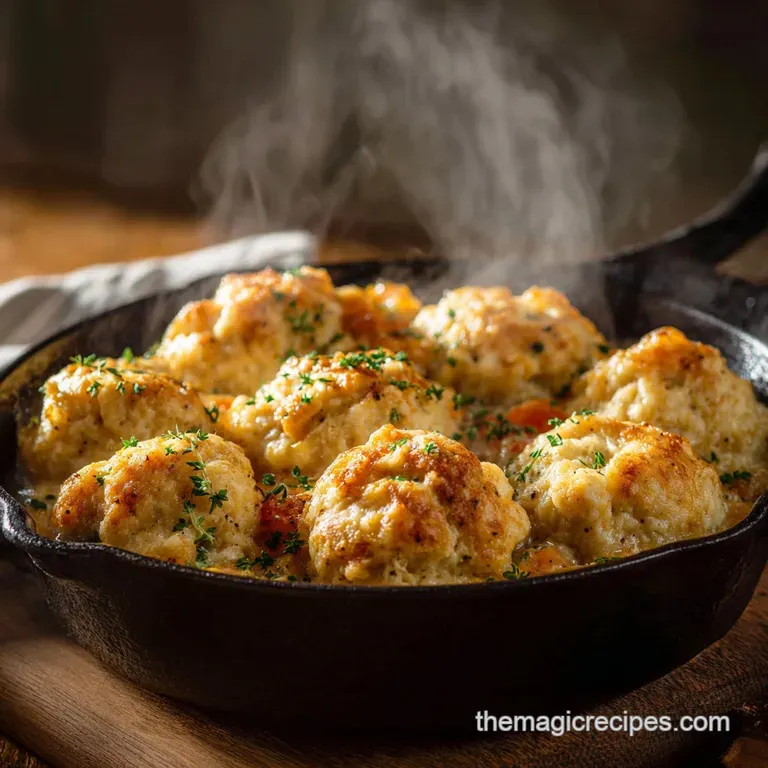
Fluffy means light and tender, not dense or heavy like a biscuit. When they’re done right, Bisquick dumplings should look plump, have a slightly textured, almost dry top, and they should spring back gently when you poke them with a spoon. If the inside is gooey or wet, they need more steam.
The Gluten Rule: Why You Must Not Overmix
Listen, this is the most critical instruction I can give you, so pay attention. Gluten develops the second liquid hits flour, and working it too much creates those tough, heavy structures that ruin the texture.
Mix until the ingredients are just combined a shaggy, lumpy dough with some visible dry streaks is actually perfect. I promise it will be okay!
Altitude and Humidity Adjustments for Baking Mixes
If you live somewhere super humid or at a high altitude, you might need a tiny adjustment because Bisquick relies on humidity levels and air pressure to activate its leavening. Higher altitude often means the leavening works faster, so you might need to slightly increase the liquid (start by adding 1 tablespoon extra milk).
For very humid environments, stick strictly to the measure; you might even slightly reduce the liquid, starting with 2/3 cup and adding more if needed.
The Essential Role of a Gentle Simmer (Not a Boil)
If your stew is aggressively boiling, those delicate dumplings will tumble and break apart, absorbing too much liquid and turning into sad, disintegrated messes. You need a gentle, steady simmer you want small, consistent bubbles, not a raging cauldron. A gentle simmer is crucial for slow, even steaming.
Simple Pantry Staples for Bisquick Dumplings (with Substitutions)
This recipe is built on simplicity. Here is what you need and what you can swap out in a pinch.
| Ingredient | Role | Substitution Tip |
|---|---|---|
| Bisquick Mix | Base, Leavener, Fat | Use self rising flour + 1 tsp salt + 1/3 cup cold shortening, cut in. |
| Milk (Whole preferred) | Hydration, Richness | Water works, but they'll be less rich. Use buttermilk for extra tang and tenderness. |
| Salt & Pepper | Seasoning | Use smoked paprika for depth, or omit if your stew is already heavily salted. |
Choosing Your Liquid: Milk vs. Water for Richness
If you use milk, especially whole milk, you get a richer, slightly softer dumpling because of the fat content. Water is definitely an option if you’re out of milk, but the resulting dumplings will be firmer and less flavourful.
If your stew is already ultra rich, using water is fine, but otherwise, reach for that milk carton!
Enhancing Flavor: Essential Seasoning Tweaks
Don't let the Bisquick dough taste bland! A good half teaspoon of salt and pepper is the absolute minimum you need to get things started. I often toss in a pinch of garlic powder or a generous spoonful of dried herbs like thyme or chives to ensure the dough itself tastes amazing before it even hits the stew.
Ingredient Swaps: What to Use If You Don't Have Bisquick
No Bisquick, no problem! You just need a DIY baking mix. Combine 2 cups of regular all-purpose flour with 1 tablespoon of baking powder and 1 teaspoon of salt. Then, cut in 1/4 cup (4 tablespoons) of cold, diced butter or vegetable shortening until the mixture resembles coarse crumbs.
This homemade mix works just as brilliantly.
step-by-step Guide: How to Form and Cook Perfect Bisquick Dumplings
Mixing the Batter: Achieving the Shaggy, Drop Consistency
In your bowl, combine the Bisquick and your chosen seasonings. Pour the cold milk over the top. Now, use a wooden spoon or a spatula and mix very slowly, folding the ingredients over one another only until the dry flour disappears.
The resulting dough should be soft, sticky, and definitely lumpy it should look like a thick, shaggy drop cookie dough.
Dropping Technique: Size Matters for Even Cooking
Don't make them too big! If the dumplings are massive, the outside will cook and seal before the inside has time to steam properly, resulting in a dense middle. I use a standard dinner spoon and drop rounded tablespoon sized scoops, or a small 1.5 inch cookie scoop if I'm feeling fancy.
Leave space between them because they nearly double in size.
Chef's Note: If you drop the dough with a wet spoon, the dough will slide off easily and won't stick, ensuring perfectly formed little cloud shapes. Keep a small cup of water handy for dipping the spoon between drops.
The Critical Simmer Time and Testing for Doneness
Once the dumplings are dropped, reduce the heat and immediately clamp on a tight fitting lid. Do not peek for 15 minutes. That steam is the magic weapon that makes them rise and cook internally.
After 15 minutes, you can lift the lid; the tops should look puffy and dry. To check doneness, gently poke one with a fork; if it feels firm and springy, they are ready to go. If it feels mushy, cover and simmer for 3 5 more minutes.
Troubleshooting Bisquick Dumplings: Why Are They Gooey or Dense?
People typically fail at Bisquick dumplings in one of three ways, and they are all easily fixed.
- Too Dense/Tough: You overworked the dough. You developed the gluten too much. Solution: Next time, mix for literally 15 seconds, and then stop.
- Gooey Tops: You lifted the lid too early, or your lid wasn't tight enough. The internal steaming process stopped, leaving the top uncooked. Solution: Invest in a better lid or use foil to create a super tight seal next time, and leave it alone for the full 15 minutes!
- Disintegrated/Waterlogged: Your stew was boiling too vigorously. Solution: Keep the liquid at a gentle simmer, just bubbling. If they are already falling apart, quickly skim them out, let them drain briefly, and serve immediately, knowing they will be very soft.
make-ahead and Storage Solutions for Leftover Dumplings
Pairing Your Comfort Food: Ideal Sauces and Accompaniments
These dumplings are absolutely designed to soak up savory juices. They are perfect floating in a rich, slow cooked stew, or nestled next to a dollop of thick, dark brown gravy. The best accompaniment is always something rich enough to penetrate the spongy, airy texture of the dumpling itself.
Preventing Sticky Dumplings: The Flour Duster Secret
If you are making a massive batch, sometimes the raw dough is hard to handle without it sticking to your hands or the spoon. Try this: Very lightly dust your hands or the spoon with a little extra Bisquick right before scooping. This light coat prevents the outer layer from gumming up on contact.
Fixing a Batter That’s Too Loose or Too Dry
If your batter feels too wet and gloppy after mixing (maybe your milk measure was generous), sprinkle in one extra tablespoon of Bisquick until it reaches that sticky, shaggy consistency. Conversely, if it seems too dry and crumbly, add milk slowly , one teaspoon at a time.
It’s always easier to add liquid than to take it away.
Chef's Shortcut: The Covered vs. Uncovered Simmer Debate
You might see old recipes that say to simmer uncovered for the first 10 minutes, and then cover. Ignore that advice. Trust me, the best, fluffiest, most uniformly cooked dumplings are achieved when you drop them into the simmering liquid and slap that lid on immediately for the entire cook time.
The continuous steam bath is what you are aiming for.
Refrigerating Cooked Dumplings and Reheating Methods
Cooked dumplings store really well! Place leftover dumplings in an airtight container in the fridge, ideally separate from the stew if possible. They will keep for 3 4 days. To reheat, the best method is to drop them back into a small amount of simmering broth or gravy for about 5 minutes until heated through.
They may lose a tiny bit of their fluffiness, but they’ll still be delicious.
Can You Freeze Raw Bisquick Dumplings?
I don't recommend freezing raw Bisquick dough. Because the leavening agents are activated quickly once they hit liquid, freezing and thawing the mixture often results in tough, flat dumplings that don't rise properly. Freeze the cooked dumplings instead, if you must.
Best Practices for Extending Shelf Life
If you want the absolute longest shelf life and best reheating result, separate the dumplings from the stew immediately after they cool. Storing them submerged in liquid makes them absorb too much moisture over time, turning them mushy. Keep them dry in the fridge and dunk them back into hot stew just before serving.
That’s the pro move.
Recipe FAQs
Why are my Bisquick dumplings tough or dense instead of fluffy?
The primary cause of dense dumplings is overmixing the dough, which overdevelops the gluten in the flour and creates a heavy texture. Mix the ingredients only until they are just combined, and resist the urge to knead or handle the dough excessively.
Also, ensure you are simmering gently, as a hard boil can make the dumplings break apart or cook unevenly.
Do I need to cover the pot while the dumplings are cooking?
Yes, covering the pot tightly is absolutely crucial for proper fluffiness, as the steam trapped inside cooks the tops of the dumplings evenly. Once the dumplings are dropped into the simmering liquid, avoid lifting the lid for the full 10 to 15 minutes of cooking time.
Interrupting the steaming process will result in undercooked or heavy spots.
Can I use water or broth instead of milk in the dumpling mixture?
While milk provides a richer flavor and contributes slightly more tenderness due to the fat content, you can certainly substitute water or light broth. If you opt for a thinner liquid, you might need to slightly reduce the total volume by about a tablespoon to achieve the correct dough consistency.
Be aware that the final texture may be marginally less rich.
How can I know when the Bisquick dumplings are fully cooked?
Properly cooked dumplings will be visibly fluffy and should have approximately doubled in size during the steaming process. To check for doneness, carefully pierce a dumpling gently; the center should not show any sticky, raw dough.
If the center still feels dense or gummy, continue steaming with the lid on for another two to three minutes.
How should I store leftover cooked dumplings, and how do I reheat them?
Store cooked dumplings submerged in their broth or sauce in an airtight container in the refrigerator for up to three days. For reheating, the best method is to warm them slowly on the stovetop within the remaining sauce, as microwaving can cause them to become dry and rubbery.
If they soaked up all the broth, add a small splash of stock before heating.
Are there simple ways to add flavor variation to the dumplings themselves?
Absolutely; you can easily incorporate finely chopped fresh herbs like parsley, chives, or thyme into the dry Bisquick mix before adding the liquid. For a savory twist, stir in a teaspoon of garlic powder and a quarter cup of finely grated sharp cheddar or Parmesan cheese.
Just ensure any additions are finely processed so they do not impede the rise of the dough.
Can I freeze Bisquick dumplings, either cooked or uncooked?
It is not recommended to freeze the raw dough, as the chemical leavening agents tend to lose their potency once thawed, leading to flat dumplings. Cooked dumplings can be frozen in their sauce for up to two months, but be prepared for a slightly softer or mushier texture once they are reheated.
Thaw overnight in the refrigerator before warming.
Fluffy Bisquick Dumplings Recipe

Ingredients:
Instructions:
Nutrition Facts:
| Calories | 511 kcal |
|---|---|
| Protein | 11.0 g |
| Fat | 13.5 g |
| Carbs | 86.7 g |
