French Toast Casserole: Praline Pecan
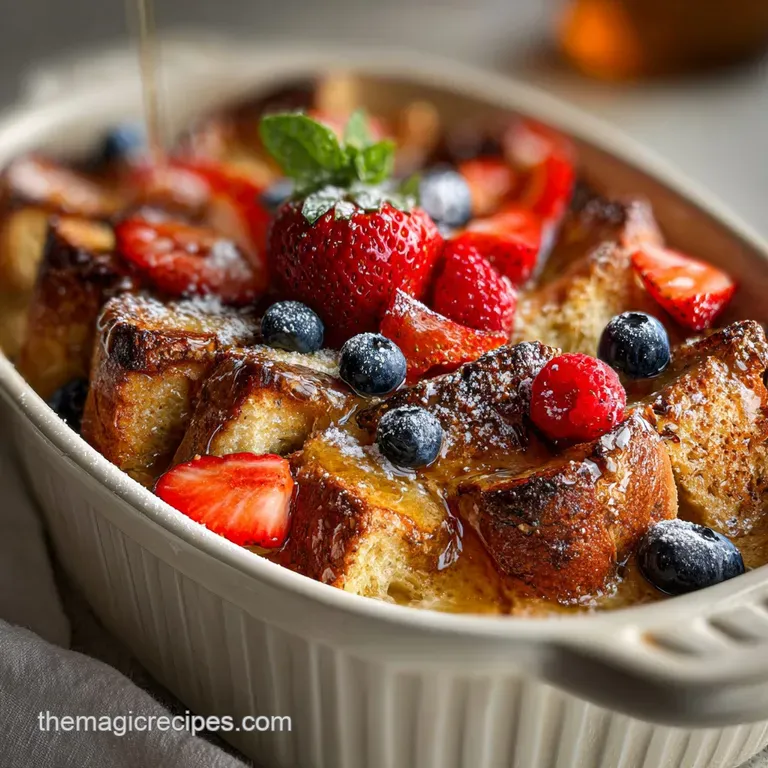
- Time: Active 15 minutes, Passive 50 minutes, Total 1 hour 5 minutes
- Flavor/Texture Hook: A custardy, melt in-the mouth center topped with a mahogany hued, shatter crisp pecan crust.
- Perfect for: Stress free holiday mornings or a functional meal prep solution for busy parents.
- Get the Best French Toast Casserole Every Time
- Why This Breakfast Strategy Works Wonders
- Component Analysis and Ingredient Roles
- Sourcing the Best Recipe Elements
- Minimal Tools for Morning Efficiency
- Step-by-Step Guide to Success
- Fixing Common Texture Issues
- Scaling for Different Group Sizes
- Debunking Morning Bake Myths
- Keeping Your Casserole Fresh
- The Best Sides to Complete Your Meal
- Recipe FAQs
- 📝 Recipe Card
Get the Best French Toast Casserole Every Time
Listen, I've spent far too many mornings hovering over a hot griddle, flipping individual slices while the first batch gets cold and soggy on a plate. It’s a total mood killer when you’ve got a house full of hungry kids or guests.
That’s exactly why I transitioned to this French Toast Casserole method. It’s functionally brilliant because the heavy lifting happens while you’re asleep.
You just wake up, slide the dish into the oven, and wait for that heavenly aroma of cinnamon and toasted pecans to act as a natural alarm clock.
The secret to this specific recipe isn't just the sugar it's the structural integrity of the bread. We’ve all had that version that tastes like a wet sponge, right? I once made the mistake of using fresh, soft white sandwich bread, and it was a disaster.
This version uses either buttery brioche or flaky croissants to ensure the texture remains light and aerated even after a long soak. Trust me on this: the overnight rest is what allows the proteins in the eggs to truly bond with the starches in the bread.
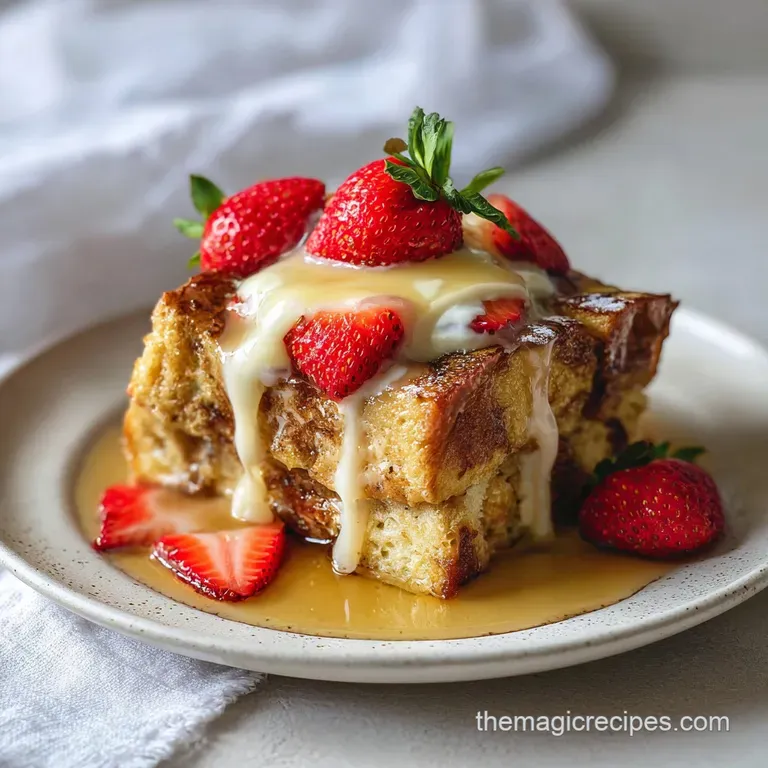
When you pull this out of the oven, the top should be crackling and the center should barely jiggle. It’s the kind of breakfast that makes you look like a pro even if you’re still in your pajamas and haven't finished your first coffee.
We’re aiming for a mahogany colored crust that provides a satisfying snap before hitting that silky, custard laden middle. It’s functional, it’s reliable, and it’s become my absolute go to for every single brunch hosted at my house.
Why This Breakfast Strategy Works Wonders
The success of this dish relies on two main factors: hydration and temperature. By letting the bread sit in the custard overnight, we are allowing the liquid to penetrate the very center of each cube without the bread falling apart.
This is why we use high fat breads like brioche or croissants; the fat content creates a barrier that prevents the crumb from becoming a slurry.
- Capillary Action: Stale bread has dry, open pores that act like a sponge, drawing the custard deep into the center through microscopic channels.
- Protein Denaturation: During the long soak, the egg proteins begin to unwind and surround the bread fibers, creating a structured custard that sets firmly during baking.
- Starch Gelatinization: As the oven heat hits 165°F, the starch granules in the bread swell and absorb the remaining milk and cream, resulting in a velvety texture.
- Maillard Reaction: The combination of amino acids from the milk and sugars in the topping creates that deep mahogany color and complex toasted flavor.
| Cooking Method | Active Time | Texture Result | Best For |
|---|---|---|---|
| Traditional Stovetop | 20-30 minutes | Fried, slightly oily exterior | Small batches, immediate eating |
| Oven Casserole | 10 minutes | Custardy interior, crisp top | Large groups, stress free mornings |
| Slow Cooker | 5 minutes | Very soft, bread pudding style | Set and forget, minimal crispness |
The choice between stovetop and oven really comes down to the texture you want. While stovetop slices are great for a quick solo breakfast, the oven baked toast casserole overnight method provides a depth of flavor and a variety of textures that a frying pan simply cannot replicate.
Plus, you won't be standing over a stove for half an hour.
Component Analysis and Ingredient Roles
Choosing your ingredients wisely is the difference between a mediocre breakfast and something your friends will text you about for weeks. We are looking for specific fat contents and structural properties here to ensure the bake doesn't collapse.
| Ingredient | Science Role | Chef Secret |
|---|---|---|
| Stale Brioche | Structural base that resists turning into mush. | Leave the cubes out on a tray for 4 hours before soaking. |
| Large Eggs | The primary binding agent that creates the custard set. | Ensure they are room temperature for a smoother emulsion. |
| Heavy Cream | Adds milk fat for a velvety, luxurious mouthfeel. | Don't swap for all milk; the fat prevents a "watery" bake. |
| Light Brown Sugar | Provides moisture and deep molasses notes to the crust. | Pack it tightly into the measuring cup for consistent sweetness. |
Using the right bread is the foundation of this entire process. If you want to explore the differences in bread types further, my Brioche French Toast recipe goes into detail about why high egg-content breads are superior for soaking up custard without losing their shape.
Sourcing the Best Recipe Elements
For this French Toast Casserole, we are using a mix of high fat dairy and sturdy bread to create that signature contrast. Make sure your spices are fresh if that cinnamon has been in your cupboard since the last Olympics, it’s time to replace it.
- 1 lb stale brioche or croissants (450g), cut into 1 inch cubes. Why this? The high butter content in these breads creates a rich, tender interior.
- 1 tbsp unsalted butter (14g), for greasing the dish.
- 8 large eggs, room temperature. Why this? Room temp eggs whisk more easily into the cold milk/cream.
- 2 cups whole milk (475ml).
- 1 cup heavy cream (240ml). Why this? The extra fat from the cream ensures a silky, non rubbery custard.
- 0.75 cup granulated sugar (150g).
- 2 tbsp vanilla bean paste or extract. Why this? Paste adds those beautiful tiny black flecks and a deeper aroma.
- 1 tsp ground cinnamon.
- 0.5 tsp ground nutmeg.
- 0.25 tsp fine sea salt.
- 0.5 cup unsalted butter (115g), cold and cubed.
- 0.5 cup light brown sugar (100g), packed.
- 1 cup pecans (125g), roughly chopped. Why this? Pecans provide a woody, toasted crunch that balances the sweet custard.
- 1 pinch salt for the topping.
| Original Ingredient | Substitute | Why It Works |
|---|---|---|
| Whole Milk | Oat Milk (Full Fat) | Similar viscosity. Note: Adds a slight toasted grain flavor to the custard. |
| Pecans | Walnuts | Similar fat content. Note: Walnuts are slightly more bitter/tannic than pecans. |
| Brioche | Challah | Both are enriched breads. Note: Challah is slightly less buttery but holds shape perfectly. |
If you find yourself out of brioche but still want that overnight convenience, you can apply these same principles to my Overnight French Toast recipe which works beautifully with a variety of crusty loaves.
Minimal Tools for Morning Efficiency
You don't need a kitchen full of gadgets for this. In fact, keeping it simple means less cleanup later, which is always the goal.
- 9x13 inch Baking Dish: A ceramic or glass dish works best for even heat distribution.
- Large Mixing Bowl: For whisking the custard.
- Whisk: You need to thoroughly incorporate the eggs so you don't end up with "fried egg" bits in your bake.
- Pastry Cutter or Fork: For mixing the cold butter into the praline topping.
- Bread Knife: A serrated knife is essential for cubing soft bread without squishing it.
Chef Tip: Freeze your 0.5 cup of butter for 10 minutes before cubing it for the topping. This keeps the butter from melting too quickly as you work it with your hands, ensuring you get those distinct, pea sized crumbles that create the best crunch.
step-by-step Guide to Success
Follow these steps closely, especially the soaking time. This french toast casserole overnight thrives on patience.
- Prep the bread. Cut your 1 lb of brioche or croissants into 1 inch cubes. Note: If the bread is fresh, toast the cubes in a 300°F (150°C) oven for 10 minutes to dry them out.
- Grease the dish. Use the 1 tbsp of unsalted butter to generously coat the bottom and sides of your 9x13 inch baking dish.
- Layer the bread. Arrange the bread cubes evenly in the prepared dish. Don't pack them too tightly; you want space for the custard to flow.
- Whisk the custard. In a large bowl, combine the 8 eggs, 2 cups milk, 1 cup heavy cream, 0.75 cup granulated sugar, 2 tbsp vanilla, 1 tsp cinnamon, 0.5 tsp nutmeg, and 0.25 tsp salt. Whisk until the mixture is completely pale and no streaks of egg remain.
- Soak the bread. Pour the custard evenly over the bread cubes. Press down lightly with your hands to submerge the top layer.
- Refrigerate. Cover with foil and chill for at least 4 hours, but ideally 12 hours (overnight).
- Make the topping. In a small bowl, mix the 0.5 cup cold cubed butter, 0.5 cup light brown sugar, 1 cup chopped pecans, and a pinch of salt. Use a fork to work the butter in until the mixture looks like coarse, wet sand.
- Preheat and top. Take the dish out of the fridge 30 minutes before baking. Preheat your oven to 350°F (175°C). Sprinkle the pecan topping evenly over the soaked bread.
- Bake. Place the dish in the oven and bake for 45-50 minutes until the top is mahogany brown and the center doesn't jiggle when shaken.
- Rest. Let the casserole sit for 5-10 minutes before serving. Note: This allows the custard to finish setting so you get clean slices.
Fixing Common Texture Issues
Even with a foolproof recipe, things can go sideways if the bread isn't right or the oven temperature is off. Let’s look at how to save a bake that isn't behaving.
Why Your Casserole Is Soggy in the Middle
This usually happens if the bread wasn't dry enough or if the dish didn't bake long enough. Fresh bread holds too much moisture, so it can't absorb the custard properly. If it’s still wet after 50 minutes, tent it with foil (to prevent burning the top) and give it another 10 minutes.
Why the Bake Tastes Too Eggy
If you don't whisk the eggs thoroughly enough, you'll end up with pockets of cooked egg whites that taste like an omelet. Also, skipping the vanilla or salt can make the egg flavor more prominent. Always use high-quality vanilla bean paste to mask the "sulfur" notes of the eggs.
| Problem | Root Cause | Solution |
|---|---|---|
| Top is burning but center is raw | Oven temp too high or rack too high | Move to middle rack and tent with foil immediately. |
| Bread cubes are dry on top | Not enough custard or poor soaking | Press cubes down during the soak; add 1/4 cup milk if needed. |
| Topping is greasy, not crunchy | Butter was too soft during prep | Chill the topping for 20 minutes before sprinkling it on. |
- ✓ Pat bread dry
- If your bread feels soft, dry it in the oven before soaking to prevent mushiness.
- ✓ Whisk vigorously
- Ensure eggs are fully integrated into the dairy to avoid "scrambled" spots.
- ✓ Cold butter only
- Use refrigerated butter for the topping to ensure a crumbly, not greasy, texture.
- ✓ Don't skip the rest
- Letting it sit for 10 minutes after baking is crucial for the internal structure to stabilize.
- ✓ Measure sugar accurately
- Too much sugar in the custard can prevent it from setting firmly.
Scaling for Different Group Sizes
If you’re just making this for a couple of people or for a massive family reunion, you’ll need to adjust your pans and times.
Scaling Down (Half Recipe): Use an 8x8 inch square baking dish. Reduce the bake time to about 35-40 minutes. For the 8 eggs, use 4 large eggs. Keep the spice measurements the same (or slightly less) to maintain the flavor profile.
Scaling Up (Double Recipe): Do not try to double the recipe in one 9x13 dish; it will never cook in the middle. Use two separate 9x13 dishes. Increase the baking time by about 5-10 minutes if your oven is crowded. Rotate the pans halfway through to ensure even browning.
| Serving Size | Bread Amount | Pan Size | Bake Time |
|---|---|---|---|
| 4-5 People | 0.5 lb | 8x8 inch | 35-40 mins |
| 9 People | 1.0 lb | 9x13 inch | 45-50 mins |
| 18 People | 2.0 lbs | Two 9x13 inch | 55-60 mins |
Debunking Morning Bake Myths
Myth: You must use expensive "day old" bread from a bakery. Truth: While bakery bread is great, you can "stale" any bread yourself by cubing it and leaving it on the counter overnight or low toasting it in the oven. The goal is dehydration, not the actual age of the bread.
Myth: Soaking for more than 12 hours is even better. Truth: Actually, if you soak it for too long (over 24 hours), the bread fibers can start to break down completely, leading to a grainy or mushy texture. 12 hours is the "sweet spot" for structural integrity.
Myth: You can't make this without heavy cream. Truth: You can use whole milk, but the result will be less "custardy" and more "bread pudding ish." The cream provides the fat necessary to create that velvety mouthfeel that defines a great easy overnight french toast casserole.
Keeping Your Casserole Fresh
If you somehow have leftovers, they actually hold up quite well. Because of the high fat and sugar content, the bread doesn't dry out immediately.
Storage:Fridge: Store in an airtight container for up to 4 days. Freezer: You can freeze the baked casserole (once cooled) for up to 2 months. Wrap individual slices in parchment paper and then foil to prevent freezer burn.
- Oven (Best)
- Place a slice on a baking sheet at 350°F (175°C) for 10 minutes. This restores the crunch to the topping.
- Air Fryer
- 320°F (160°C) for 3-5 minutes. This is actually the fastest way to get that "just baked" texture back.
- Microwave
- 45-60 seconds. It will be soft, but still tasty.
Zero Waste Tips: Don't throw away the crumbs at the bottom of the bread bag! Toss them into the praline topping for extra texture. If you have leftover custard that didn't fit in the dish, save it in a jar in the fridge for up to 2 days it’s essentially a base for a small batch of bread pudding or can be used for regular stovetop French toast.
The Best Sides to Complete Your Meal
To balance the sweetness of this brioche french toast casserole overnight, you need something salty or acidic. I personally love serving this with thick cut smoked bacon or a spicy breakfast sausage. The saltiness cuts through the heavy cream and sugar perfectly.
A fresh fruit salad with a squeeze of lime and a handful of mint is another great addition. The acidity of berries or citrus helps cleanse the palate between bites of the rich, custardy bread.
If you’re feeling extra, a dollop of unsweetened Greek yogurt or creme fraiche on top adds a nice tang that balances the praline crunch. Right then, let's get that bread cubing you're going to love waking up to this tomorrow!

Recipe FAQs
What kind of bread works best for French Toast Casserole?
Stale, enriched breads like brioche or croissants are best. These types have enough fat and structure to absorb the custard without becoming mushy, unlike softer sandwich breads.
Can I use fresh bread instead of stale for French Toast Casserole?
No, stick with stale or dried out bread. Fresh bread is too absorbent and will turn mushy. You can dry out fresh bread by cubing it and toasting it in a low oven for about 10 minutes.
How long should the French Toast Casserole soak in the custard?
Chill for at least 4 hours, ideally overnight (12 hours). This extended soak allows the custard to fully penetrate the bread, ensuring a rich, custardy interior and preventing dryness.
Why is my French Toast Casserole soggy in the middle?
The bread likely wasn't stale enough, or it didn't bake long enough. Ensure you're using properly dried bread cubes and that the center is set and no longer jiggles when gently shaken.
Can I make the topping for the casserole ahead of time?
Yes, but store it separately and cold. Mix the butter, brown sugar, and pecans, then refrigerate. Add it to the casserole just before baking to ensure maximum crispiness.
How do I prevent the top from burning while the inside cooks?
Tent the casserole with foil. If the topping is getting too dark before the center is cooked, loosely cover the dish with aluminum foil for the last part of the baking time.
What are the best sides to serve with French Toast Casserole?
Salty proteins and fresh fruit are ideal. Consider thick cut bacon, savory breakfast sausage, or a bright fruit salad to balance the richness and sweetness, much like how acidity cuts through richness in our Classic French Dip Sandwich.
French Toast Casserole Overnight
Ingredients:
Instructions:
Nutrition Facts:
| Calories | 628 kcal |
|---|---|
| Protein | 13.4 g |
| Fat | 41.4 g |
| Carbs | 54.6 g |
| Fiber | 2.2 g |
| Sugar | 31.2 g |
| Sodium | 311 mg |
