Garlic Butter Noodles: Velvety and Savory
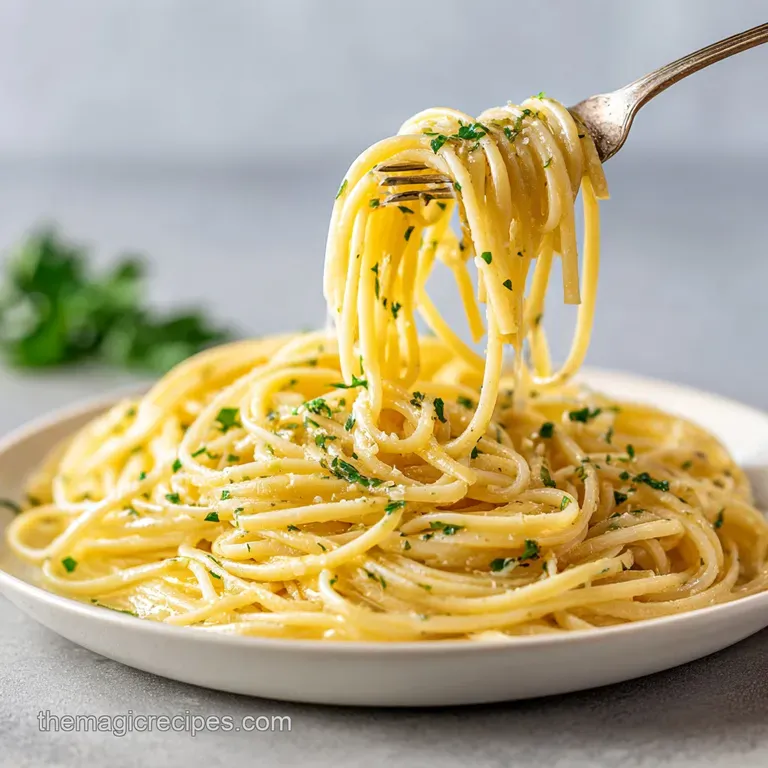
- Time: Active 10 minutes, Passive 5 minutes, Total 15 minutes
- Flavor/Texture Hook: Velvety, savory, and punctuated by the mild sizzle of red pepper
- Perfect for: Hectic weeknight dinners or a quick midnight craving
- How to Make the Best Garlic Butter Noodles for Quick Dinners
- Understanding the Chemistry of Emulsion and Garlic Infusion
- Essential Recipe Specifications for Your Quick Weeknight Meal
- The Essential Components for Your Garlic Butter Noodles
- Minimal Tools Required for This 15 Minute Pasta Dish
- A Step by Step Guide from Prep to Plate
- Fixing Common Cooking Issues for Silky Pasta Results
- Creative Ways to Customize Your Garlic Butter Noodles
- Best Practices for Storing and Reheating Your Leftovers
- Simple Garnishing Ideas for a Beautiful Final Presentation
- Debunking Common Garlic and Pasta Myths
- High in Sodium
- Recipe FAQs
- 📝 Recipe Card
How to Make the Best Garlic Butter Noodles for Quick Dinners
We've all been there standing in front of an open fridge at 6:00 PM, staring at a half empty carton of eggs and a wilted head of lettuce. Last Tuesday was that day for me. I wanted something that felt like a hug but didn't require a trip to the store.
I grabbed a pound of linguine and some butter, and honestly, the magic happened the second that finely minced garlic hit the pan. The aroma filled the house, and suddenly, my "lazy" dinner felt like a deliberate choice.
The secret to these Garlic Butter Noodles isn't just about throwing butter on pasta; it’s about the technique. I used to make the mistake of just melting butter and tossing it in, which always left a puddle of grease at the bottom of the bowl.
Once I learned to use the pasta water to create a real sauce, everything changed. It’s the difference between a dry, oily noodle and a velvety, glossy masterpiece that feels like it came from a bistro.
You don't need a lot of ingredients to make this work, but you do need the right ones. We’re using a mix of salt, fat, and a little hit of umami from oyster sauce. It might sound unusual, but that little splash of oyster sauce provides a depth that salt alone can't touch.
It rounds out the sharp bite of the garlic and makes the whole dish feel complete without being heavy. Trust me, once you try it this way, there’s no going back to plain buttered noodles.
Understanding the Chemistry of Emulsion and Garlic Infusion
The Science of the Emulsion: Starchy pasta water contains amylose, which acts as a bridge between the fat in the butter and the water based seasonings. When whisked together over heat, these normally unmixable liquids form a stable, creamy coating.
- Aromatic Blooming: Fat is a carrier for flavor; sautéing garlic in butter releases fat soluble compounds that wouldn't be as intense if the garlic were simply boiled.
- Cold Finish: Adding the final 2 tablespoons of cold butter at the very end creates a "monte au beurre" effect, thickening the sauce through gentle suspension.
- Starch Gelatinization: The 2 tablespoons of sea salt in the boiling water don't just season the noodles; they help tighten the starch on the surface of the pasta for better sauce adhesion.
- Maillard Reaction Prevention: We keep the heat medium low to avoid browning the garlic, ensuring the flavor stays sweet and pungent rather than bitter and burnt.
| Fresh Garlic | Jarred Minced Garlic | Why It Matters |
|---|---|---|
| Pungency | Sharp, bright, and multi layered | Mellow, slightly acidic, and flat |
| Texture | Soft but holds its shape | Mushy or grainy |
| Outcome | Creates a sweet, aromatic base | Can add a metallic aftertaste to the butter |
Choosing fresh cloves is the single biggest upgrade you can give this dish. While the jarred stuff is a shortcut, it loses the essential oils that make the butter sauce truly fragrant. If you're looking to add more substance to your meal, you might consider how this technique pairs with other dishes, like my High Protein Slow recipe for a full steak and pasta experience.
Essential Recipe Specifications for Your Quick Weeknight Meal
| Component | Detail | Pro Secret |
|---|---|---|
| Pasta Choice | 1 lb Linguine or Spaghetti | Long noodles provide more surface area for the sauce to cling to. |
| Garlic Prep | 7 cloves, finely minced | Let the minced garlic sit for 10 mins before cooking to maximize health benefits. |
| Cheese Quality | 0.5 cup Parmigiano Reggiano | Always grate fresh; pre shredded cheese has starch coatings that prevent melting. |
When you are aiming for that perfect texture, remember that timing is everything. You want to pull the pasta out of the water about 60 seconds before the package says it is "al dente." It will finish cooking in the pan with the butter and garlic, soaking up all that flavor like a sponge.
The Essential Components for Your Garlic Butter Noodles
- 1 lb dry pasta (linguine or spaghetti): Use a bronze cut pasta if possible for a rougher surface. Why this? The texture helps the butter sauce stick better.
- 6 tbsp unsalted butter, divided: We use 4 tbsp to start and 2 tbsp to finish. Why this? Dividing ensures a glossy, non greasy finish.
- 7 cloves fresh garlic, finely minced: Use a microplane or a sharp knife. Why this? Smaller pieces distribute flavor more evenly.
- 1 tbsp oyster sauce or soy sauce: This is our secret umami bomb. Why this? It adds a savory "fifth taste" that salt lacks.
- 0.5 cup freshly grated Parmigiano Reggiano: Nutty and salty. Why this? It acts as a thickener for the sauce emulsion.
- 0.5 tsp red pepper flakes: For a subtle, background warmth.
- 0.25 cup reserved starchy pasta water: Liquid gold for the sauce.
- 1 tbsp fresh Italian parsley, chopped: Adds a bright, grassy finish.
- 0.5 fresh lemon, juiced: Cuts through the richness of the butter.
- 2 tbsp sea salt: For the boiling water only.
- 0.25 tsp cracked black pepper: Freshly ground is non negotiable here.
If you are looking to keep things on the lighter side, you can swap the heavy pasta for more vegetable forward options. For inspiration on lighter pairings, check out these Healthy Pasta Recipes that focus on roasted elements.
| Original Ingredient | Substitute | Why It Works |
|---|---|---|
| Parmigiano Reggiano | Pecorino Romano | Higher salt content and tangier. Note: Reduce added sea salt. |
| Oyster Sauce | Tamari | gluten-free and provides a similar salty, fermented depth. |
| Butter | Extra Virgin Olive Oil | Lacks the creamy emulsion but offers a fruity, peppery finish. |
Minimal Tools Required for This 15 Minute Pasta Dish
You really only need two main pieces of equipment: a large pot for the pasta and a wide skillet for the sauce. I prefer using a stainless steel skillet because it allows me to see the color of the garlic as it cooks.
If you use a dark non stick pan, it is much easier to accidentally burn the garlic before you realize it’s happened.
A good pair of tongs is also essential. You’ll want to move the pasta directly from the water into the skillet. This "dragging" method naturally carries over some of that starchy water, which helps kickstart the sauce building process. Forget the colander for this one; we want that water!
A step-by-step Guide from Prep to Plate
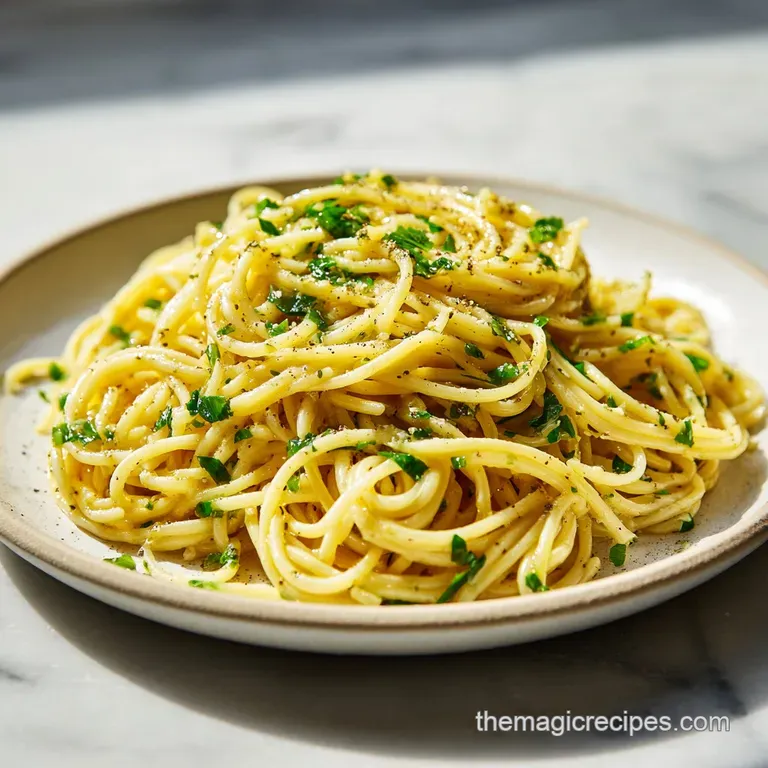
- Boil water. Fill a large pot with water and 2 tbsp sea salt, bringing it to a rolling boil.
- Cook pasta. Drop 1 lb of pasta and cook for 1 minute less than the package directions. Note: We want a firm "bite" as it will finish in the sauce.
- Mince garlic. While the pasta cooks, finely mince 7 cloves of garlic.
- Reserve water. Scoop out 0.25 cup of the cloudy pasta water before draining.
- Melt butter. In a wide skillet over medium low heat, melt 4 tbsp of butter until it begins to sizzle gently.
- Bloom aromatics. Add the garlic and 0.5 tsp red pepper flakes. Cook for 2.5 minutes until fragrant but still pale.
- Build base. Stir in 1 tbsp oyster sauce and the reserved pasta water, whisking until it looks creamy.
- Toss noodles. Add the cooked pasta to the skillet and increase heat to medium.
- Emulsify sauce. Add the remaining 2 tbsp of butter and 0.5 cup Parmigiano Reggiano. Toss vigorously until the sauce looks velvety and clings to the noodles.
- Final finish. Turn off the heat. Stir in 1 tbsp parsley, 0.5 lemon juice, and 0.25 tsp black pepper.
Chef's Tip: If the sauce looks too thick or dry when you add the cheese, add an extra splash of pasta water. The starch acts as a lubricant to keep things moving.
Fixing Common Cooking Issues for Silky Pasta Results
My Garlic Turned Brown and Bitter
This usually happens because the heat was too high or the pan was too thin. Garlic contains high levels of sugar that caramelize and then burn very quickly. If your garlic has turned a dark brown, it’s best to start over, as the bitterness will permeate the entire butter sauce.
The Sauce is Oily and Separated
This is a classic sign of a broken emulsion. It happens when there isn't enough starch (pasta water) to hold the fat (butter) together, or if the heat was too high when the cheese was added. The cheese can clump into "rubber bands" instead of melting into the sauce.
| Problem | Root Cause | Solution |
|---|---|---|
| Dry Noodles | Not enough pasta water | Add water 1 tbsp at a time while tossing. |
| Clumpy Cheese | Heat too high/added too fast | Remove from heat, add a splash of warm water, and whisk. |
| Bland Flavor | Undersalted water | Add a pinch of salt or an extra teaspoon of oyster sauce. |
Common Mistakes Checklist
- ✓ Never rinse your pasta after draining; you'll wash away the starch needed for the sauce.
- ✓ Don't use "garlic in a jar" if you want the sauce to actually taste like fresh garlic.
- ✓ Wait until the very end to add the lemon juice to keep the flavor bright and zingy.
- ✓ Make sure your Parmigiano is grated on the finest side of the grater for instant melting.
Creative Ways to Customize Your Garlic Butter Noodles
If you have a bit more time or some leftovers in the fridge, this recipe is a fantastic base. For those asking, "How do I make Garlic Butter Noodles with Shrimp?" it's easy. Simply sear the shrimp in the butter first, remove them, then proceed with the garlic. Toss the shrimp back in at the very end to warm through.
For a "Garlic Butter Noodles with Chicken" version, I recommend using sliced thighs. Sauté them until crispy edged before you start the garlic. The chicken fat will actually mix with the butter to create an even deeper flavor. If you're looking for something more substantial, try adding a side of Sheet Pan Chicken recipe to round out the meal.
| Servings | Pasta Amount | Butter Total | Garlic Cloves |
|---|---|---|---|
| 2 People | 0.5 lb | 3 tbsp | 4 cloves |
| 4 People | 1 lb | 6 tbsp | 7 cloves |
| 8 People | 2 lb | 12 tbsp | 14 cloves |
When scaling up to 8 people, you'll need a very large pot. I suggest working in two batches for the skillet sauce to ensure you can toss the noodles properly without them spilling over the sides.
Best Practices for Storing and Reheating Your Leftovers
Storage Guidelines You can keep these noodles in an airtight container in the fridge for up to 3 days. However, be aware that the pasta will continue to absorb the sauce as it sits, so it might seem a bit drier the next day.
Freezing Instructions I don't usually recommend freezing butter based pasta dishes. The emulsion often breaks when thawed, resulting in a greasy texture. If you must freeze it, do so without the cheese and lemon, then add those fresh when you reheat. It will keep for about 1 month.
Zero Waste Tip Don't throw away your parsley stems! Finely mince them and add them to the pan at the same time as the garlic. They have a ton of flavor and a nice crunch that complements the velvety noodles.
Also, if you have leftover sauce at the bottom of the pan, wipe it up with a piece of crusty bread it’s essentially liquid gold.
Simple Garnishing Ideas for a Beautiful Final Presentation
Presentation matters, even for a 15 minute meal. To make this look like a restaurant dish, use a carving fork to twirl the noodles into a high nest in the center of the plate. This keeps the heat trapped inside and looks much more intentional than just scooping it onto the dish.
A final dusting of fresh lemon zest (not just the juice!) right before serving adds a hit of aromatic citrus oil that cuts through the butter. If you're a fan of heat, a drizzle of a Hot Sauce recipe can add a bright, acidic vinegar note that works surprisingly well with the garlic and Parmigiano.
Debunking Common Garlic and Pasta Myths
Myth: You must add oil to the pasta water to prevent sticking. Truth: Oil actually prevents the sauce from clinging to the noodles later. To stop sticking, simply use a large enough pot and stir the pasta frequently during the first 2 minutes of boiling.
Myth: Garlic is more flavorful when it's browned. Truth: While browned garlic is tasty in some dishes, it becomes bitter and "toasty" which overpowers the delicate butter and lemon in this specific recipe.
For this dish, we want the garlic "bloomed," which means cooked just until it's soft and the raw bite is gone.
Myth: Rinsing pasta stops the cooking process and is better for the sauce. Truth: Rinsing removes the surface starch. Without that starch, your butter and pasta water will never emulsify, leaving you with a watery mess at the bottom of your bowl. Just move the pasta straight from the pot to the pan.
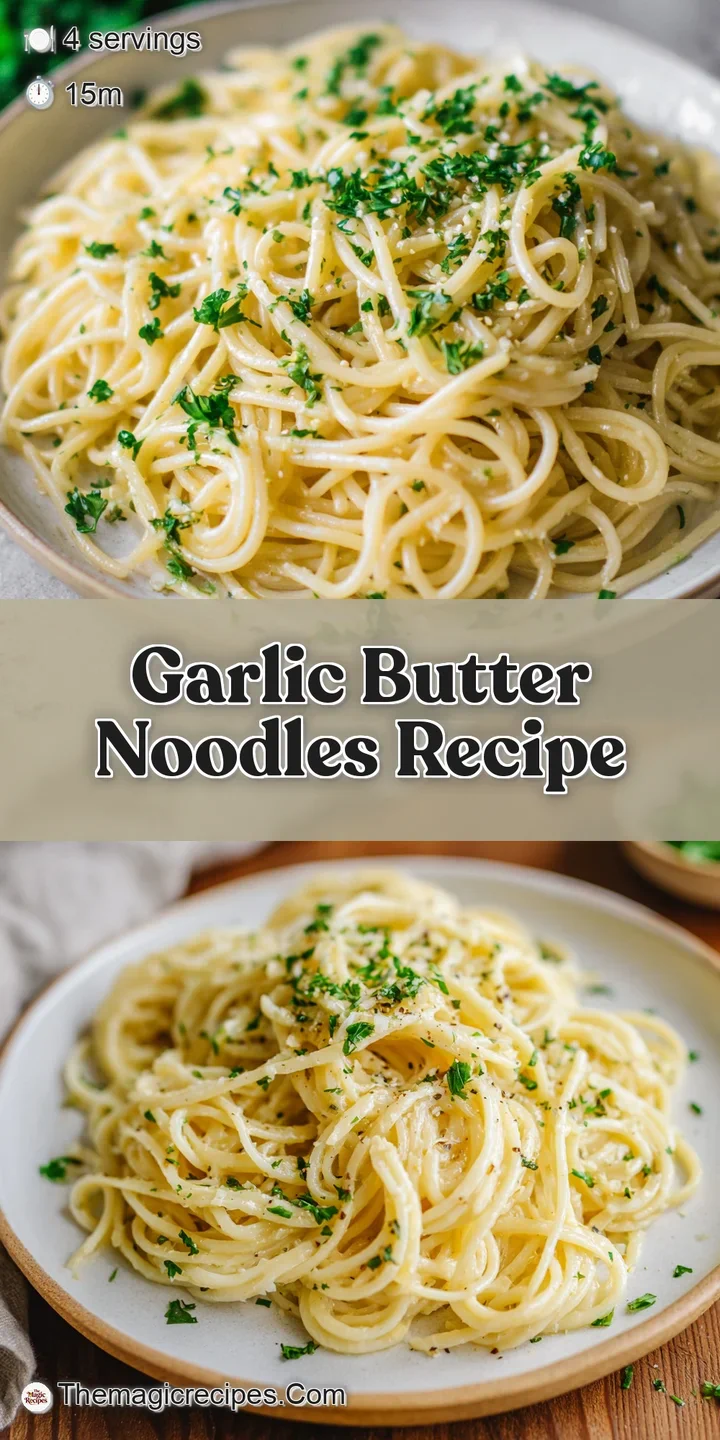
High in Sodium
1045 mg of sodium per serving (45% of daily value)
The American Heart Association recommends limiting sodium intake to no more than 2,300mg per day for most adults.
Tips to Reduce Sodium in Your Pasta Dish
-
Reduce Added Salt-25%
Eliminate the added sea salt completely during pasta cooking. The other flavorful ingredients will compensate, and you'll save a significant amount of sodium. Pasta can be cooked without added salt with minimal effect on taste. This saves ~920mg of Sodium
-
Lower Sodium Cheese-15%
Parmigiano Reggiano is high in sodium. Reduce the amount used, or substitute with a lower sodium hard cheese like Swiss or Gruyere, using only a sprinkle for flavor. Alternatively, nutritional yeast is a good non-dairy substitute.
-
Reduce Oyster/Soy Sauce-10%
Oyster sauce and soy sauce are significant sources of sodium. Halve the amount used, or replace it with a low-sodium soy sauce alternative. Or, use a combination of Worcestershire sauce (sparingly) and a small amount of dark brown sugar for depth of flavor.
-
Lemon Power-5%
Increase the amount of lemon juice to enhance the dish's flavor. The acidity helps to mimic the savory taste you get from salt. Use the zest as well for more flavor.
-
Spice It Up!
Experiment with other herbs and spices like garlic powder, onion powder, dried oregano, or basil to add depth of flavor without adding sodium. Toasting spices brings out the flavor.
Recipe FAQs
What to add to garlic butter noodles for extra flavor?
Add fresh lemon juice and finely grated Parmigiano Reggiano. The lemon cuts the richness of the butter, while the cheese emulsifies the sauce and adds a necessary salty, nutty depth.
What are the common mistakes when making the garlic butter sauce?
Burning the garlic or failing to use starchy pasta water. Cooking the garlic too long makes the sauce bitter, and skipping the starchy water prevents the fat and liquid from creating a cohesive, glossy emulsion.
Can garlic butter go into pasta directly without modification?
No, it will result in greasy, separate noodles. You must incorporate a small amount of the starchy pasta water and whisk vigorously off-heat with cheese to create a stable emulsion that coats the pasta.
What key ingredients go into classic garlic noodles?
Butter, fresh garlic, pasta, reserved pasta water, salt, and grated hard cheese. Many great recipes also utilize a splash of umami like oyster sauce to deepen the savory profile.
How do I ensure my sauce clings to the noodles instead of pooling at the bottom?
Finish the sauce toss over low heat using vigorous motion. This technique, similar to finishing sauces in our Chicken Paprikash recipe, requires constant tossing to force the fat and liquid to bond.
Is it true that I must use fresh garlic, or can I use jarred minced garlic?
No, fresh garlic is highly recommended for the best flavor. Jarred garlic often contains preservatives and releases an acidic, flat flavor when cooked in butter, compromising the bright aromatic quality.
How to stop the sauce from separating after I turn off the heat?
Take the pan completely off the heat before adding the final butter and cheese. High residual heat can cause the cheese proteins to seize up and the butter fat to separate from the water base.
Garlic Butter Noodles
Ingredients:
Instructions:
Nutrition Facts:
| Calories | 624 kcal |
|---|---|
| Protein | 19.4 g |
| Fat | 22.1 g |
| Carbs | 86.2 g |
| Fiber | 3.8 g |
| Sugar | 3.2 g |
| Sodium | 1045 mg |
