Garlic Chicken Gnocchi Skillet: Golden Seared
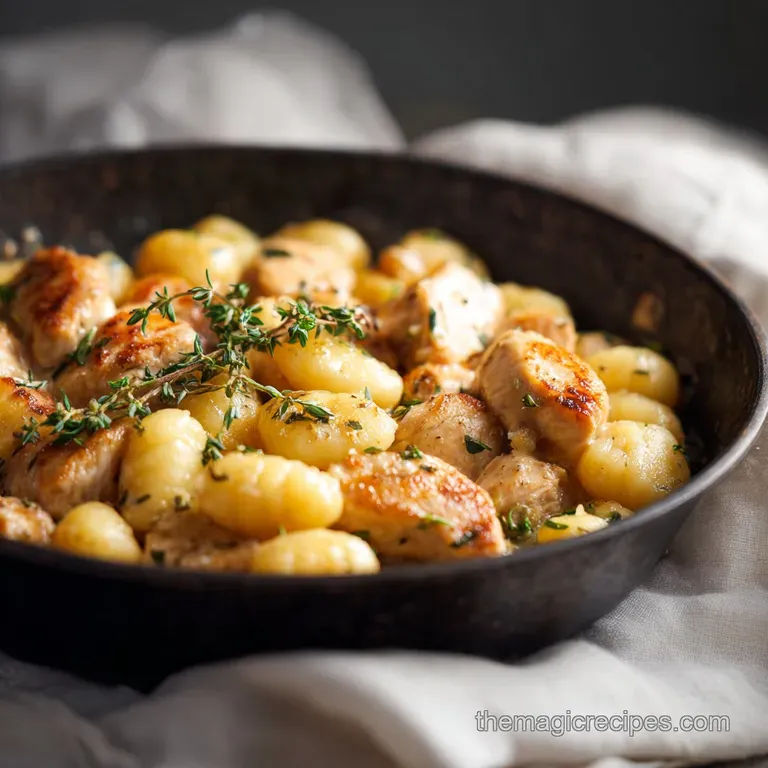
- Time: Active 10 minutes, Passive 15 minutes, Total 25 minutes
- Flavor/Texture Hook: Golden seared gnocchi with a silky, parmesan infused cream sauce
- Perfect for: Busy weeknight dinners when you need a high protein meal fast
- Quick Wins with Garlic Chicken Gnocchi Skillet
- The Science of the Golden Sear
- Essential Performance Specs
- Core Ingredients and Alternatives
- Required Kitchen Tools
- Step-by-Step Cooking Guide
- Solving Common Kitchen Hurdles
- Customizing the Flavor Profile
- Scaling for Different Crowds
- Debunking Kitchen Myths
- Storage and Waste Reduction
- Finishing and Serving Ideas
- High in Sodium
- Recipe FAQs
- 📝 Recipe Card
Quick Wins with Garlic Chicken Gnocchi Skillet
The first time I tried searing gnocchi instead of boiling it, I felt like I'd stumbled onto a kitchen secret that the world was hiding from me. I remember standing over my cast iron skillet, watching the little potato pillows turn a deep, burnished gold in a pool of foaming butter.
The kitchen filled with that nutty, toasted aroma that you usually only get in high end bistros, and honestly, I haven't looked back since. No giant pot of water to boil, no soggy dumplings, and just one pan to wash at the end of the night.
This garlic chicken gnocchi skillet came to life on a Tuesday when the fridge was looking bare and my energy was even lower. I had a pound of chicken, a package of shelf stable gnocchi, and a massive craving for something that felt like a hug in a bowl.
By the time the chicken hit the 165°F mark and the spinach wilted into that shimmering sauce, I knew this was going to be a permanent part of the rotation. It's fast, it’s reliable, and it works every single time without the fuss of traditional pasta methods.
We’re skipping the watery mess of boiled pasta here. Instead, we’re focusing on building layers of flavor starting with the sear on the chicken, then utilizing those browned bits (the fond) to flavor the cream.
You’ll get textures that range from the shatter of a seared gnocchi skin to the tender snap of fresh baby spinach. It’s a complete meal that feels much more technical than it actually is, and I’m going to show you exactly how to nail it in under a half hour.
The Science of the Golden Sear
- Maillard Magic: High heat creates a chemical reaction between amino acids and sugars on the chicken surface, resulting in that savory, brown crust.
- Starch Gelatinization: Searing the gnocchi in fat instead of water allows the exterior starch to crisp up while the inside remains fluffy and tender.
- Emulsification Stability: Adding cold parmesan to a simmering cream base creates a stable emulsion that clings to the gnocchi without separating into oil.
Stovetop vs. Oven Comparison
| Method | Time | Texture | Best For |
|---|---|---|---|
| Full Stovetop | 15 minutes | Crispy edges, silky sauce | Maximum speed and control |
| Oven Finish | 22 minutes | Bubbling cheese, softer gnocchi | Hands off final step |
| Air Fryer (Gnocchi only) | 10 minutes | Maximum crunch | Ultra crispy texture fans |
Essential Performance Specs
When we talk about efficiency in the kitchen, we need to look at the numbers. This recipe is designed for a 12 inch skillet, which provides enough surface area to sear the 1 lb of chicken and 16 oz of gnocchi without overcrowding.
Overcrowding leads to steaming, and steaming is the enemy of the golden crust we’re after. If you try to do this in a smaller pan, the gnocchi will release moisture and turn gummy before they can ever get that beautiful color.
I've found that using shelf stable gnocchi is actually a secret weapon here. Fresh gnocchi is often too delicate for a hard sear, but the shelf stable variety (the kind you find in the pasta aisle) has enough structure to handle the heat. This is also why I prefer using chicken breast cut into precise 1 inch cubes.
It ensures that the meat cooks through at the exact same rate as the sauce thickens, preventing that dreaded rubbery texture that happens with overcooked poultry.
| Feature | Detail | Note |
|---|---|---|
| Gnocchi Type | Shelf stable | Pro Secret: Holds shape better than fresh during searing |
| Chicken Cut | 1 inch cubes | Pro Secret: Ensures even cooking and maximum surface area for seasoning |
| Liquid Base | Chicken broth | Pro Secret: Provides the steam needed to cook gnocchi through without boiling |
Core Ingredients and Alternatives
- Chicken Breast (1 lb): Boneless and skinless works best for quick searing. Why this? It's lean and absorbs the garlic flavor without adding excess grease.
- Potato Gnocchi (16 oz): Use the shelf stable kind found in the dry pasta aisle. Why this? They don't require pre boiling and get a better crust than frozen versions.
- Unsalted Butter (2 tbsp): Used for browning the gnocchi. Why this? Butter solids provide better browning and flavor than oil alone.
- Heavy Cream (1 cup): The base of our velvety sauce. Why this? It has the fat content needed to stay stable when simmered.
- Parmesan Cheese (1/2 cup): Freshly grated is a non negotiable here. Why this? Pre shredded cheese is coated in starch and won't melt smoothly.
- Garlic (5 cloves): Mince it fresh for the best aroma. Why this? Jarred garlic loses its punch and can taste bitter when sautéed.
Substitution Table
| Original Ingredient | Substitute | Why It Works |
|---|---|---|
| Heavy Cream | Full fat Coconut Milk | Same fat content. Note: Adds a slight tropical nutty note to the sauce |
| Chicken Breast | Boneless Chicken Thighs | More moisture and fat. Note: Requires 3-4 minutes extra cook time |
| Parmesan Cheese | Pecorino Romano | Similar salty profile. Note: Harder, saltier bite than Parmesan |
| Shallot | Yellow Onion | Allium base. Note: Slightly sharper flavor; dice very finely |
If you're looking for something with a bit more zing, you might enjoy my Lemon Chicken Gnocchi recipe, which uses a similar skillet method but brightens everything up with citrus.
Required Kitchen Tools
You don't need a pantry full of gadgets, but a heavy bottomed skillet is your best friend here. I always reach for my cast iron or a heavy stainless steel pan because they hold heat like a champ.
When you drop those cold gnocchi into the pan, a thin aluminum skillet will lose its temperature instantly, and you’ll lose your chance at a crisp exterior.
Chef's Note: If you're using stainless steel, wait for the chicken to release naturally from the pan. If it’s sticking, it’s not ready to be flipped. This is the pan's way of telling you the Maillard reaction isn't finished yet.
Beyond the skillet, a good microplane for the parmesan and a sharp chef's knife for the shallots are all you really need. I like to prep everything before I even turn on the heat because once that butter starts foaming, things move very fast.
This is the definition of a "mise en place" recipe have your broth and cream measured out and ready to go.
step-by-step Cooking Guide
1. Sear the Chicken and Gnocchi
Pat your 1 lb of chicken cubes dry with a paper towel and season with 1 tsp salt and 1/2 tsp pepper. Heat 1 tbsp olive oil in your skillet over medium high heat. Add the chicken in a single layer and cook for 5 minutes until golden and seared on all sides.
Remove the chicken from the pan and set it aside on a plate.
In the same pan, melt 2 tbsp unsalted butter. Add the 16 oz of gnocchi directly from the package. Sauté for about 3 minutes until the edges are crisp and toasted brown. This step is vital because it builds the texture that defines this dish.
Remove the gnocchi and set them aside with the chicken.
2. Build the Aromatic Foundation
Lower the heat to medium. In the remaining fat, add the diced shallot and 5 cloves of minced garlic. Sauté for 1 minute until fragrant and translucent. Be careful not to let the garlic brown too much, as it can turn bitter and ruin the cream base.
3. The Creamy Emulsion
Pour in 1/2 cup chicken broth to deglaze the pan, scraping up all those flavorful brown bits from the bottom. Let the liquid reduce by half. Stir in 1 cup heavy cream and 1/2 tsp red pepper flakes. Bring the mixture to a gentle simmer. Note: Do not let it reach a rolling boil or the cream might break.
4. The Final Assembly
Whisk in 1/2 cup freshly grated Parmesan cheese until the sauce is smooth. Add the chicken and gnocchi back into the pan along with 2 cups of fresh baby spinach and 1 tsp lemon juice.
Toss everything together for 2 minutes until the spinach is wilted and the sauce is thick enough to coat a spoon. Serve immediately while the textures are at their peak.
For more inspiration on mastering the protein side of this dish, check out my favorite Chicken Breast Recipes for more pan searing techniques.
Solving Common Kitchen Hurdles
Preventing Sticky Gnocchi
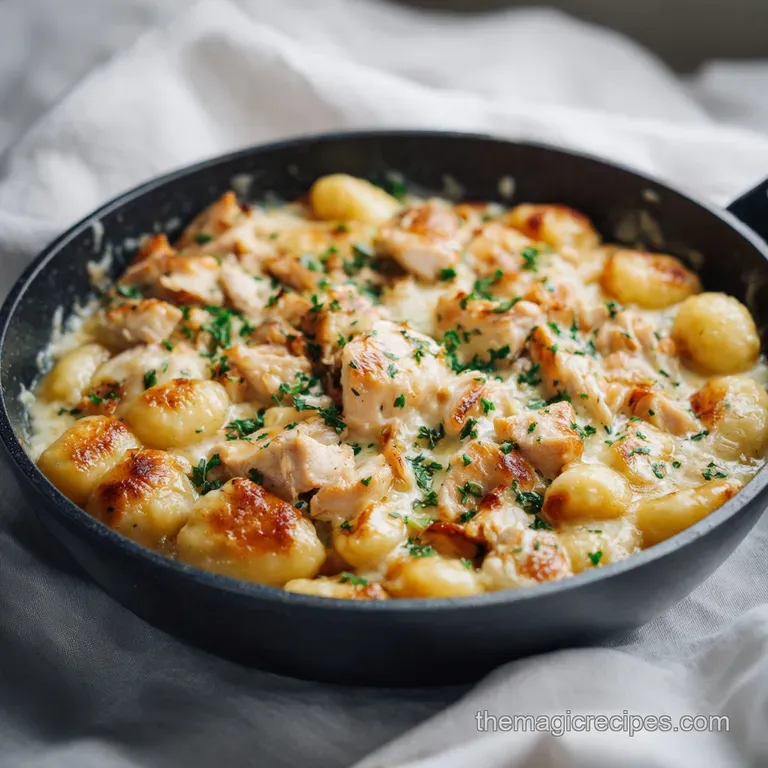
The biggest mistake people make with a garlic chicken gnocchi skillet is adding the gnocchi to a cold pan. If the butter isn't foaming, the gnocchi will absorb the fat like a sponge instead of searing. This leads to a gummy, heavy texture that feels weighed down.
Correcting Thick Sauce
Cream based sauces can thicken rapidly once the parmesan is added. If you find your sauce looking more like a paste than a silky coat, don't panic. A splash of extra chicken broth or even a tablespoon of hot water will loosen it right back up without diluting the flavor.
Troubleshooting Table
| Problem | Root Cause | Solution |
|---|---|---|
| Gnocchi is mushy | Overcrowded pan or boiled too long | Sauté in small batches; ensure pan is hot before adding |
| Sauce is oily | Heat was too high when adding cheese | Remove from heat before whisking in Parmesan; stir constantly |
| Chicken is dry | Cubes were cut too small | Use 1 inch cubes and check internal temp at 165°F immediately |
Common Mistakes Checklist ✓ Pat the chicken dry before seasoning to ensure a hard sear. ✓ Don't skip the lemon juice; it cuts through the fat of the cream and cheese. ✓ Grate your own cheese; the cellulose in bagged cheese prevents a smooth melt.
✓ Let the chicken broth reduce by half before adding cream to concentrate the flavor. ✓ Work in batches if your skillet isn't 12 inches wide.
Customizing the Flavor Profile
- The Mediterranean Twist: Stir in 1/4 cup chopped sun dried tomatoes and a tablespoon of capers during the aromatic stage.
- The Pesto Infusion: Swirl in 2 tablespoons of basil pesto right before serving for a vibrant green color and herbal punch.
- Low Carb Swap: Use cauliflower gnocchi (like the kind from Trader Joe's). Note: These require a slightly longer sear time to lose their moisture.
- dairy-free Alternative: Use a high-quality cashew cream and nutritional yeast instead of heavy cream and parmesan.
If You Want X, Do Y
- If you want a crunchier topping: Sprinkle with Panko breadcrumbs toasted in butter and broil for 2 minutes.
- If you want more vegetables: Add sliced mushrooms or asparagus tips during the chicken searing phase.
- If you want it spicier: Double the red pepper flakes and add a dash of cayenne to the chicken seasoning.
Scaling for Different Crowds
Downsizing (1-2 People) When cutting this recipe in half, use a smaller 8 or 10 inch skillet. Keep the cook times the same, but pay close attention to the sauce reduction. Since there is less liquid, the broth will reduce much faster.
Use half an egg's worth of yolk if you want an even richer sauce, though it isn't strictly necessary with the cream.
Upscaling (6-8 People) Do not try to double the ingredients in one standard skillet. You must work in batches for the searing phase. Sear half the chicken, then the other half. Then do the gnocchi in two turns. If you crowd 2 lbs of chicken into one pan, you'll end up with gray, steamed meat.
When doubling the sauce, only use 1.5x the salt and spices initially, then adjust to taste at the end.
Debunking Kitchen Myths
- Myth: You must boil gnocchi before frying it.
- Truth: Searing dry gnocchi allows the internal moisture to steam the dough while the outside crisps. Boiling first often makes them too soft to handle the pan fry.
- Myth: Heavy cream will always curdle with lemon juice.
- Truth: If the fat content is high enough (like heavy cream), it is quite stable. As long as you don't boil the sauce vigorously after adding the lemon, it will stay perfectly smooth.
- Myth: Garlic should be added at the start with the meat.
- Truth: Garlic burns in about 60 seconds at high heat. Always add it after the meat is seared and the temperature has been lowered.
Storage and Waste Reduction
Storage Guidelines Store any leftover chicken gnocchi skillet in an airtight container in the fridge for up to 3 days. When reheating, the gnocchi will have absorbed much of the sauce.
I recommend adding a splash of milk or broth before microwaving or reheating on the stovetop to bring that silky texture back to life. I don't recommend freezing this dish, as the cream sauce tends to break and the gnocchi can become grainy upon thawing.
Zero Waste Tips If you have leftover spinach that’s starting to look a bit sad, toss it into a blender with some olive oil and garlic to make a quick "skillet pesto" for another night. The woody ends of the shallots can be saved in a freezer bag for making homemade vegetable stock.
If you have extra parmesan rinds, don't throw them out! Drop them into your next soup or stew to add a massive hit of umami flavor.
Finishing and Serving Ideas
This dish is quite rich, so I usually serve it with something bright and crisp to balance the palate. A simple arugula salad with a balsamic vinaigrette is my go to. The peppery bite of the greens cuts through the parmesan cream perfectly.
If you’re feeling particularly hungry, a piece of crusty sourdough bread is the best tool for mopping up every last drop of that garlic sauce from the bottom of the bowl.
For a family style presentation, I like to bring the whole skillet to the table. There’s something so rustic and inviting about the sizzling sound and the vibrant green spinach against the golden gnocchi. Garnish with a few extra cracks of black pepper and a final dusting of parmesan right before people dig in.
It makes a 25 minute meal look like you spent hours at the stove.
High in Sodium
845 mg mg of sodium per serving (37% of daily value)
The American Heart Association recommends limiting sodium intake to about 2,300mg per day.
Tips to Reduce Sodium in Your Creamy Gnocchi
-
Broth Swap-30%
Use sodium free chicken broth instead of low-sodium broth. This simple swap can significantly reduce the overall sodium content.
-
Parmesan Portion-15%
Reduce the amount of Parmesan cheese from 1/2 cup to 1/4 cup. Parmesan is a significant source of sodium; using less will help lower the total sodium content. You can also look for a lower sodium parmesan alternative.
-
Salt Control-25%
Reduce the amount of added kosher salt by half (to 1/2 tsp) or eliminate it altogether. Taste and adjust if needed. Remember you can always add more, but can't take away.
-
Spice It Up
Enhance flavor with fresh herbs and spices like parsley, thyme, or oregano instead of relying on salt. These add depth and complexity without sodium.
Recipe FAQs
Can I substitute fresh gnocchi for the shelf stable kind in this skillet?
No, it is not recommended. Fresh gnocchi is too delicate and will often break apart or steam when attempting the direct sear this recipe requires.
What is the critical temperature for the chicken breast in this recipe?
Check the internal temperature at 165°F. Since the chicken is cut into small cubes, it cooks fast, so use a thermometer to ensure juiciness while confirming safety.
How to ensure the cream sauce doesn't separate when I add the Parmesan cheese?
Remove the skillet from the heat completely before whisking in the cheese. Adding cheese off the heat prevents the emulsion from breaking; if you mastered stable emulsions in dressings, the same principle applies here.
I don't have heavy cream; can I use half and-half?
No, stick with heavy cream or a high fat substitute. Half and-half has too much water content and will thin out the sauce significantly, preventing it from properly coating the gnocchi.
How to quickly cook this if I want a drier, crispier gnocchi texture?
Sauté the gnocchi for an extra three minutes until deeply golden brown. This removes more surface moisture and enhances the Maillard reaction, similar to how we achieve a good crust in our Crockpot BBQ Chicken recipe for maximum flavor development.
Is it true that I must use a wooden spoon instead of metal in a non-stick skillet?
No, this is a common misconception regarding this specific dish. If you are using a quality, hard anodized or enameled cast iron skillet, a metal spatula is better for scraping up the fond created during searing.
What if my sauce is too thick after adding the spinach?
Thin it with a small splash of warm chicken broth or water. Add the liquid slowly, stirring continuously until the sauce achieves a rich, coating consistency without becoming watery.
Garlic Chicken Gnocchi Skillet
Ingredients:
Instructions:
Nutrition Facts:
| Calories | 756 kcal |
|---|---|
| Protein | 45 g |
| Fat | 39 g |
| Carbs | 48 g |
| Fiber | 3 g |
| Sugar | 2 g |
| Sodium | 845 mg |
