New Years Eve Appetizer with Garlic and Herbs
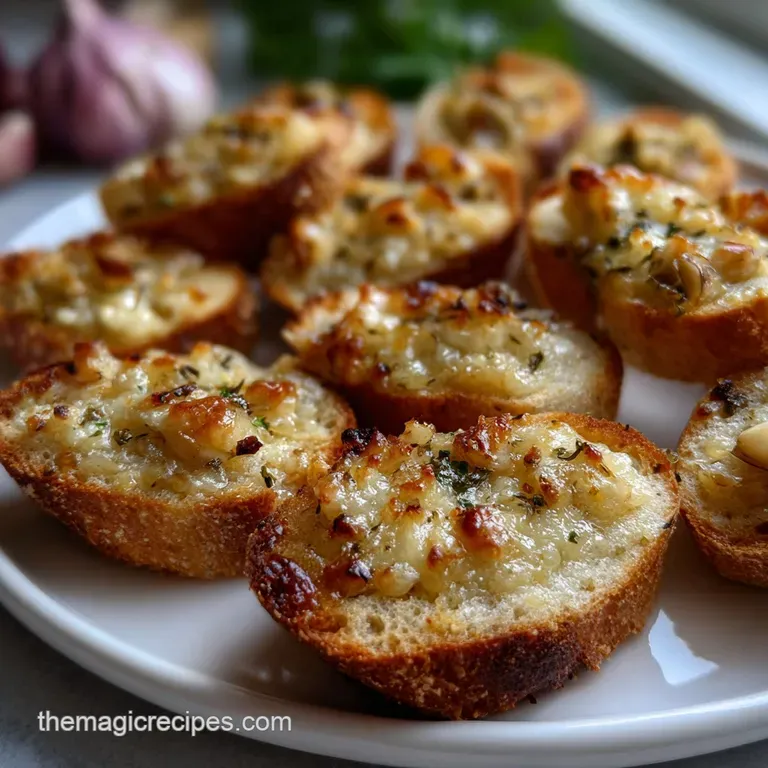
- Time: Active 10 minutes, Passive 15 minutes, Total 25 minutes
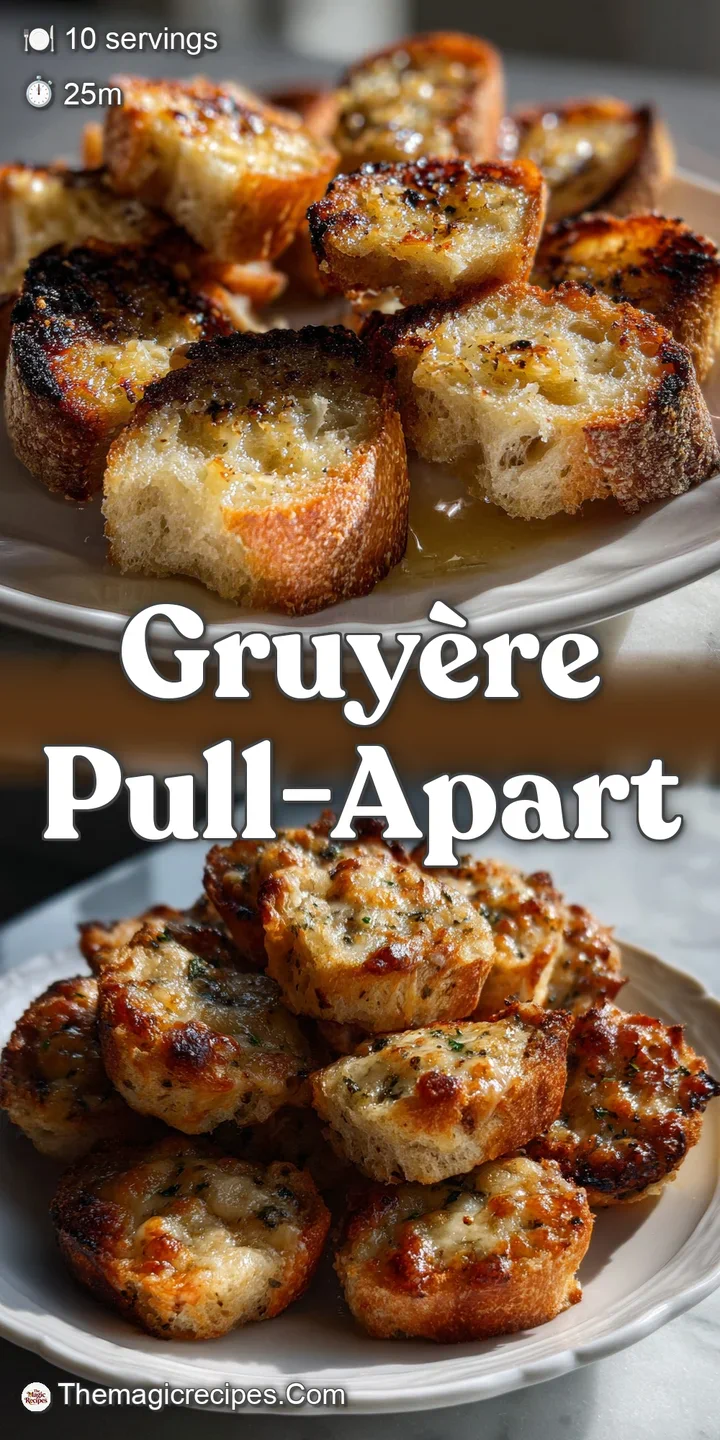
- Flavor/Texture Hook: Shatter crisp crust meets a velvety, garlicky crumb.
- Perfect for: New Year's Eve parties or busy weeknight treats.
- New Years Eve Appetizer with Garlic and Herbs
- Science Secrets for Better Pull Apart Bread
- Fast Success Metrics and Cooking Times
- Picking Pantry Essentials for Maximum Flavor
- Using Simple Tools for Quick Cleanup
- Step-by-Step Guide to Melty Perfection
- Fix Common Baking Errors Fast
- Easy Ways to Swap Flavors
- Proper Storage and Reheating Tips
- Smart Sides for New Years
- Homemade Quality Without the Cost
- Fast Versus Classic Cooking Methods
- Debunking Bread Myths
- Decision Shortcut
- Common Questions
- 📝 Recipe Card
New Years Eve Appetizer with Garlic and Herbs
Let's be real for a second. New Year's Eve is usually a chaotic blur of trying to stay awake while making sure the kids don't knock over the good glassware. I don't have time for fussy puff pastry or tiny, delicate tarts that take three hours to assemble.
I need something that looks impressive but actually fits into my schedule between laundry and living room dance parties. Discover an amazing New Year's Eve appetizer bursting with garlic and herbs.
This sourdough pull apart loaf is my secret weapon for the holiday season. It’s basically a massive, cheesy hug in bread form. You get that incredible crunch from the crust, but the inside stays soft because of the way we trap the fats.
It’s messy, it’s fun, and people will literally fight over the center pieces.
Right then, let's crack on with why this works so well. We aren't just slapping butter on bread here. We are using a dual fat strategy to get the best of both worlds. It’s functional, it’s fast, and it works every single time I make it for a crowd.
Science Secrets for Better Pull Apart Bread
Maillard Reaction: High heat interacts with the proteins in the Gruyère and the sugars in the sourdough to create a savory, browned crust. This isn't just "browning"; it's a complex chemical change that produces hundreds of different flavor compounds.
Emulsification Stability: Mixing the 60g unsalted European style butter with 30ml extra virgin olive oil prevents the fats from separating and soaking through the bottom of the bread.
The oil keeps the butter liquid at lower temperatures, ensuring a velvety mouthfeel even as the bread starts to cool on the serving platter.
Allicin Activation: By mincing the 6 cloves garlic into a fine paste rather than slicing them, we maximize the release of allicin. This sulfur compound provides that sharp, characteristic punch that defines this Eve Appetizer with Garlic and Herbs.
Casein Structure: Gruyère cheese has a specific protein structure that allows it to melt smoothly without becoming greasy. This makes it the functional choice for a pull apart loaf where you want a long, satisfying cheese stretch.
Fast Success Metrics and Cooking Times
| Checkpoint | Measurement | Why It Matters |
|---|---|---|
| Bread Cut Depth | 1cm from bottom | Prevents the loaf from falling apart while allowing filling to reach the base. |
| Butter Temperature | 50°C | The ideal temp to infuse herbs without burning the garlic. |
| Internal Temp | 75°C | Ensures the cheese in the center of the boule is fully molten. |
Picking Pantry Essentials for Maximum Flavor
Selecting the right components makes the difference between "okay" bread and the kind people remember. I always reach for a 500g sourdough boule because the natural acidity of the starter cuts through the richness of the 150g Gruyère.
If you use a standard white loaf, it can end up feeling a bit heavy and one dimensional.
For the fats, I use Kerrygold Unsalted European style butter because it has a lower water content than standard supermarket brands. This means less steam and more "shatter" on the crust. If you are planning a full holiday spread, this goes beautifully alongside my Christmas Eve Appetizer recipe.
| Ingredient | Science Role | Pro Secret |
|---|---|---|
| Sourdough Boule | Structural Base | Use a day old loaf; the slightly drier crumb absorbs more butter without collapsing. |
| Gruyère Cheese | Fat & Binder | Hand shred from a block. Pre shredded cheese is coated in starch which ruins the melt. |
| Fresh Rosemary | Aromatic Oil | Bruise the 5g fresh rosemary with the side of your knife before mincing to release the pinene. |
| Fine Garlic Paste | Flavor Infusion | Use a Microplane Zester to turn the 6 cloves into a paste for even distribution. |
Using Simple Tools for Quick Cleanup
I am a big fan of minimal washing up. You don't need a fancy stand mixer for this. I use a Lodge Cast Iron Skillet to melt my butter and oil together because it holds heat beautifully and lets the herbs steep like tea. For the bread, a Victorinox Serrated Bread Knife is non negotiable.
If you try to use a straight edged knife, you'll just squash the sourdough and end up with a sad, flat loaf.
You’ll also want some heavy duty aluminum foil. It helps steam the inside of the bread during the first half of the bake, which is how we get that soft, pillowy texture inside while the outside stays crispy.
If you happen to have a pastry brush, that’s great, but honestly, a spoon works just as well to drizzle that liquid gold into the cracks.
step-by-step Guide to Melty Perfection
1. The Precision Cut
Preheat your oven to 180°C. Take your 500g sourdough boule and, using a serrated knife, slice 2.5cm intervals across the top. Stop about 1cm from the bottom crust. Why this? Keeping the base intact creates a "bowl" that holds all the melted butter and cheese.
2. The Cross Hatch Finish
Turn the loaf 90 degrees and repeat the slices. You should now have a grid of bread diamonds. Be careful not to saw too hard, or you’ll go right through the bottom.
3. The Aromatic Infusion
In a small pan, combine 60g unsalted European style butter and 30ml extra virgin olive oil. Heat over low until the butter is liquid. Stir in the 6 cloves garlic (minced into paste), 5g minced rosemary, and 2g red pepper flakes.
Why this? Infusing the herbs into the fat ensures the flavor penetrates every single pore of the sourdough.
4. The Deep Drizzle
Place the loaf on a large piece of foil on a baking sheet. Pull the bread diamonds apart gently and drizzle the butter mixture into every single crevice. Use a spoon to make sure the garlic paste gets deep inside.
5. The Cheese Stuffing
Push the 150g shredded Gruyère deep into the cuts. Don't just sprinkle it on top; you want it nestled inside. Then, top the whole thing with 30g freshly grated Parmesan Reggiano and 3g flaky sea salt.
6. The Foil Wrap
Tent the foil over the bread, making sure it doesn't touch the cheese. This creates a steam chamber. Bake for 10 minutes. Why this? This step softens the crumb and melts the cheese without burning the bread.
7. The High Heat Roast
Open the foil and bake for another 5 to 7 minutes. Watch for the cheese to start bubbling and the edges of the bread to turn golden.
8. The Finishing Garnish
Remove from the oven and immediately sprinkle with 15g finely chopped Italian parsley and 10g fresh chives. The residual heat will wake up the herbs without wilting them into mush. This recipe for Years Eve Appetizer with Garlic and Herbs is best served hot.
Fix Common Baking Errors Fast

Sometimes things go wrong when you're rushing to get snacks on the table. But don't worry, most bread mistakes are easy to pivot from.
Why Your Bread Is Burnt
If the garlic tastes bitter or the top is black, your oven rack was likely too high. Garlic has a high sugar content and burns quickly. If it happens, scrape off the charred bits and add a fresh sprinkle of Parmesan to hide the evidence.
Why Your Sourdough Is Soggy
This usually happens if you overdo the butter or if your bread was too fresh and soft. Trust me on this: use a sturdy, crusty sourdough. If it’s already soggy, pop it back in the oven uncovered for 5 minutes to dry out the base.
Why The Cheese Won't Pull
If you get a clump instead of a stretch, you probably used pre shredded cheese. The cellulose coating prevents the proteins from bonding. Always grate your Gruyère fresh.
| Problem | Cause | Fix | Pro Tip |
|---|---|---|---|
| Hard Center | Under steaming | Keep foil tightly sealed for the first 10 mins. | Add a teaspoon of water to the foil pack. |
| Garlic Bitterness | Overheating fat | Don't let the garlic brown in the pan. | Add garlic to the butter after it melts. |
| Greasy Bottom | Butter separation | Didn't use enough olive oil to stabilize. | Serve on a wire rack to let air circulate. |
Easy Ways to Swap Flavors
This Years Eve Appetizer with Garlic and Herbs is very forgiving. You can change the profile based on what's in your fridge.
- The Spicy Twist: Swap the red pepper flakes for 20g of chopped pickled jalapeños tucked into the cracks with the cheese.
- The Umami Bomb: Add 5ml of Worcestershire sauce to the melted butter mixture for a deeper, savory kick.
- The Vegan Option: Use a high-quality vegan butter and a cashew based "mozzarella" style cheese. It won't have the same stretch, but the flavor with Garlic and Herbs will still be great.
| Original Ingredient | Substitute | Why It Works |
|---|---|---|
| Gruyère (150g) | Sharp Cheddar | Same melting point. Note: Result is saltier and more oily. |
| Italian Parsley (15g) | Fresh Cilantro | Provides a bright, herbal lift. Note: Changes flavor to a more "Tex Mex" vibe. |
| Sourdough Boule | French Bread | Similar crust to crumb ratio. Note: Dries out faster, so reduce bake time. |
Proper Storage and Reheating Tips
If you actually have leftovers (unlikely!), wrap them tightly in foil. They will stay good in the fridge for up to 3 days. Whatever you do, do not use the microwave. It turns sourdough into something resembling a rubber tire.
Instead, put the cold bread back in a 170°C oven for 8 minutes until the cheese re melts.
For zero waste, take any crumbs or loose garlic bits left on the baking sheet and toss them into a salad as croutons. If you have the bottom crust left over, it makes a fantastic base for a French dip sandwich recipe the next day. You can also freeze the unbaked, stuffed loaf for up to a month. Just bake it from frozen, adding an extra 10 minutes to the foil covered stage.
Smart Sides for New Years
This bread is quite rich, so you want to pair it with things that have a bit of "zip." A sharp arugula salad with a lemon vinaigrette works wonders. I also love serving this alongside a big bowl of marinara or even a spicy vodka sauce for dipping.
If you want a more substantial spread, this with Garlic and Herbs is the perfect sidekick for a charcuterie board. The salty olives and acidic pickles on the board help balance the heavy butter and cheese in the bread. It's functional, crowd pleasing, and looks great on a wooden board.
Homemade Quality Without the Cost
Honestly, don't even bother with the frozen garlic bread from the shop. For the price of one "gourmet" store-bought loaf, you can make two of these at home with better ingredients. The sourdough base gives it a complexity you just won't find in a factory made product.
Making this yourself also means you control the garlic levels. My family likes it strong, so I use the full 6 cloves. If you're hosting a more formal event, you might want to dial it back to 4, but where's the fun in that? It’s New Year's Eve everyone should breathe garlic together.
Fast Versus Classic Cooking Methods
Many traditional recipes suggest making your own dough from scratch. While that's lovely if you have six hours to spare, most of us don't. Using a pre made sourdough boule is the ultimate shortcut that doesn't sacrifice quality.
| Feature | Fast Method (This Recipe) | Classic Method (From Scratch) |
|---|---|---|
| Preparation | 10 minutes | 4 hours + rising time |
| Texture | Extra crispy crust from aged bread | Soft, brioche like crumb |
| Cleanup | One pan, one board | Multiple bowls, floury counters |
Debunking Bread Myths
"Searing the garlic in the butter makes it better." Actually, no. If you brown the garlic in the pan before putting it in the bread, it will likely turn bitter during the 15 minute bake. Raw garlic paste infused into warm butter is the way to go.
"Fresh bread is always better for appetizers." For pull apart bread, day old bread is actually superior. It has a lower moisture content, which allows it to soak up the butter and herbs without becoming mushy.
The structure of a slightly stale sourdough boule holds up much better under the weight of 150g Gruyère.
"You need to brush every inch of the bread." Not really. Gravity is your friend here. As the butter melts in the oven, it naturally seeps down into the cuts. As long as you get a good amount into the top of the diamond cuts, the Eve Appetizer with Garlic and Herbs will be perfectly seasoned.
Decision Shortcut
- If you want a bigger stretch, use 200g of Gruyère instead of 150g.
- If you want it spicier, add a teaspoon of hot honey to the butter mix.
- If you want it crispier, remove the foil for the last 10 minutes instead of 5.
This New Years Eve Appetizer with Garlic and Herbs has become a staple in our house because it just works. It’s fast, it’s functional, and it fills the house with the most incredible aroma of toasted sourdough and rosemary.
I hope it makes your holiday hosting just a little bit easier and a lot more delicious. Let's get to the table!
Common Questions
What is the ideal internal temperature for the cheese in this loaf?
75°C. Reaching this temperature ensures the Gruyère inside the dense bread structure is fully molten and provides the perfect, satisfying stretch. This temperature also guarantees the interior crumb is heated through without overcooking the exterior crust.
Can I substitute fresh rosemary with dried?
No. Dried herbs lose potency rapidly. Dried rosemary imparts a dusty, less vibrant flavor profile compared to the fresh variety.
What fat should I use: salted or unsalted butter?
Unsalted butter. Unsalted butter allows precise control over the final sodium content of the appetizer. Salted varieties contain inconsistent sodium levels, affecting the overall flavor balance.
Why is my bread soggy on the bottom after baking?
Excess moisture retention caused the softness. This typically happens if the bread was too fresh or if the butter/oil ratio was incorrect, preventing proper crisping.
- Remove the foil earlier in the baking process.
- Serve the loaf on a cooling rack instead of the pan.
- Ensure the oven temperature is accurate to promote evaporation.
How far in advance can the garlic herb butter mixture be prepared?
make-ahead up to 2 days early. Keep the butter mixture sealed tightly in the refrigerator, allowing the flavors to fully meld. If using refrigerated butter, let it warm slightly before drizzling to ensure proper penetration into the sourdough cuts.
Is it better to slice the garlic or mince it into a paste?
Mince the garlic into a paste. Pasting the garlic maximizes the release of allicin, the compound responsible for its pungent flavor profile. Slicing risks leaving large, unpleasantly sharp chunks that can burn during baking.
Does the type of bread affect the final texture significantly?
Yes, sourdough boule is optimal. The natural acidity in sourdough balances the richness of the Gruyère and provides the necessary structural integrity to absorb the butter. If you enjoyed mastering the flavor balancing in this recipe, see how the same acid-to-fat principle applies when making our Easy Steak Salad with Blue Cheese.
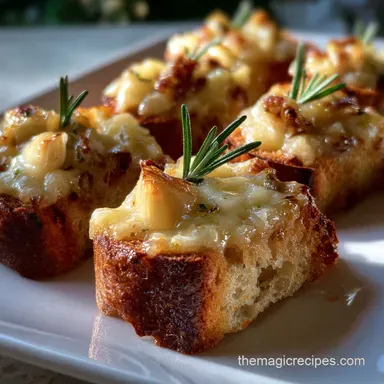
Garlic Herb Sourdough Appetizer
Ingredients:
Instructions:
Nutrition Facts:
| Calories | 289 kcal |
|---|---|
| Protein | 10.1 g |
| Fat | 14.2 g |
| Carbs | 29.1 g |
| Fiber | 1.4 g |
| Sugar | 0.9 g |
| Sodium | 374 mg |
