Garlic Parmesan Baked Steak Fries
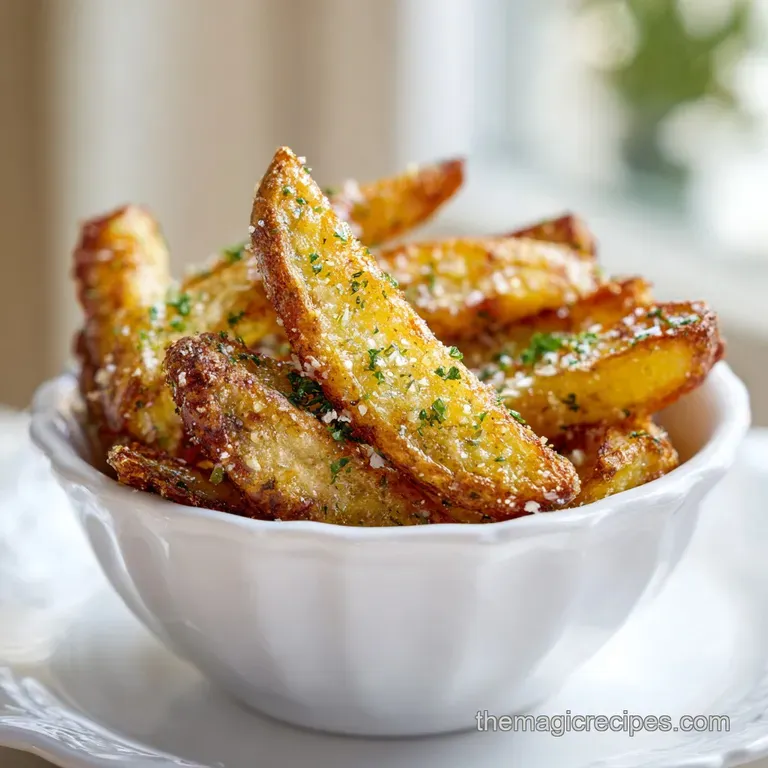
- Time: Active 20 minutes, Passive 35 minutes, Total 55 minutes
- Flavor/Texture Hook: Shatter crisp edges with a velvety garlic butter finish
- Perfect for: Budget conscious weeknight dinners and family game nights
- Perfect Garlic Parmesan Baked Steak Fries Every Time
- Simple Logic for Crispy Results
- Component Analysis for Texture and Flavor
- Essential Components for Savory Potato Wedges
- Tools for Achieving the Ultimate Crunch
- Simple Methods for Golden Brown Results
- Correcting Common Cooking Errors
- Adjustment Guidelines for Larger Groups
- Flavor Variations for Different Palates
- Preserving Leftover Crispness and Freshness
- Serving Ideas for the Whole Family
- Recipe FAQs
- 📝 Recipe Card
Perfect Garlic Parmesan Baked Steak Fries Every Time
There is nothing more disappointing than pulling a tray of potatoes out of the oven only to find a pile of limp, steaming wedges that are stuck to the pan. I used to think that the only way to get that legendary steakhouse crunch was to submerge the potatoes in a vat of bubbling oil.
My early attempts at home were often soggy or, worse, burnt on the outside while remaining raw and crunchy in the middle. It was frustrating because I just wanted a simple, reliable side dish that didn't cost a fortune or leave my kitchen smelling like a fast food joint.
The breakthrough happened when I realized that moisture is the absolute enemy of the crunch. We often rush the process, throwing damp potatoes onto a cold pan and hoping for the best.
By changing just two small habits soaking the starch away and ensuring the potatoes are bone dry the texture transformed overnight. Now, when I pull these out of the oven, the sizzle is audible, and the aroma of toasted garlic and sharp cheese fills the house.
It's a reliable, functional recipe that works every single time without needing fancy equipment.
We are going to focus on using Russet potatoes because they are the most budget friendly option and possess the high starch content necessary for that fluffy interior. You don't need expensive oils or imported salts here.
Just a few cloves of fresh garlic, some real butter, and a bit of patience during the drying phase will turn a humble potato into the star of your dinner table. Let's get into the mechanics of why this method actually beats the traditional deep fry.
Simple Logic for Crispy Results
Understanding the "why" behind your cooking makes you a better home cook. You don't need a lab coat to see how these simple physical changes transform a vegetable.
- Starch Extraction: Soaking the cut wedges in ice water pulls excess simple sugars and surface starch away. If left on, these sugars would caramelize and burn before the inside of the potato actually cooks through.
- Evaporative Cooling: Drying the potatoes for an extra 5 minutes on the counter ensures the oven's heat goes toward crisping the skin immediately rather than wasting time evaporating surface water.
- The Post Bake Infusion: Adding the garlic and cheese after baking prevents the garlic from becoming bitter and burnt in the over high heat oven, while the residual heat of the fries perfectly melts the parmesan.
- Convection Space: Leaving gaps between the wedges allows hot air to circulate completely around each piece, effectively "frying" the surface with air rather than steaming it against its neighbor.
| Thickness | Internal Temp | Rest Time | Visual Cue |
|---|---|---|---|
| 1/2 inch | 210°F | 2 minutes | Golden brown with visible bubbles on skin |
| 1/4 inch | 210°F | 1 minute | Deep tan and rigid when lifted |
| 3/4 inch | 210°F | 4 minutes | Light gold with soft press centers |
Using the right thickness is the first step toward success. If you cut them too thin, they’ll turn into chips; too thick, and they’ll be closer to baked potatoes. The 1/2 inch wedge is the sweet spot for that classic steakhouse feel.
Component Analysis for Texture and Flavor
To keep this recipe budget friendly while maintaining high-quality, we need to understand which ingredients do the heavy lifting. We are using standard Russets and basic fats to achieve a premium result.
| Ingredient | Science Role | Pro Secret |
|---|---|---|
| Russet Potatoes | High starch, low moisture | Always peel or scrub heavily; the skin adds structural integrity |
| Extra Virgin Olive Oil | Heat conductor and fat source | Don't overdo it; too much oil leads to greasy, heavy fries |
| Parmigiano Reggiano | Protein and fat binder | Use a microplane for fine shreds that melt instantly into the butter |
Choosing the right potato is non negotiable for this specific texture. While Yukon Golds are great for my Easy Garlic Mashed Potatoes, they are often too waxy for steak fries and won't give you that signature "shatter" when you bite into them.
Essential Components for Savory Potato Wedges
Here is everything you need to grab from the pantry. I’ve included some smart swaps if you’re trying to save a few extra dollars or just need to use what you have on hand.
- 3 Large Russet Potatoes (2 lbs / 900g): Cut into 1/2 inch wedges. Why this? Russets have the perfect starch to moisture ratio for a fluffy interior.
- Substitute: Yukon Gold potatoes. Note: Results will be creamier but significantly less crispy.
- 3 tbsp (45ml) Extra Virgin Olive Oil: For roasting. Why this? High smoke point and adds a subtle fruity undertone.
- Substitute: Avocado oil or vegetable oil. Note: Provides a more neutral flavor profile.
- 1 tsp (6g) Fine Sea Salt: To draw out moisture and season. Why this? Fine grains distribute more evenly than coarse salt.
- Substitute: Table salt. Note: Use slightly less (about 3/4 tsp) as it is denser.
- 1/2 tsp (1g) Freshly Cracked Black Pepper: For a bit of heat. Why this? Freshly cracked oils are much more aromatic than pre ground.
- Substitute: White pepper. Note: Adds a more earthy, less "sharp" heat.
- 3 tbsp (42g) Unsalted Butter: Melted for the finish. Why this? Provides the velvety mouthfeel and carries the garlic flavor.
- Substitute: Ghee. Note: Better for those with lactose sensitivity; adds a nuttier note.
- 4 cloves Garlic: Finely minced. Why this? Fresh garlic provides a pungent "zip" that powder cannot replicate.
- Substitute: 1 tsp garlic powder. Note: Mix into the oil before baking instead of the butter finish.
- 1/2 cup (45g) Parmigiano Reggiano: Finely grated. Why this? A hard, aged cheese provides the best salty umami kick.
- Substitute: Pecorino Romano. Note: Much saltier; reduce added sea salt by half.
- 2 tbsp Fresh Flat leaf Parsley: Finely chopped. Why this? Cuts through the richness of the butter and cheese.
- Substitute: Dried parsley. Note: Use only 2 tsp; the flavor is much more muted.
- 1/2 tsp (1g) Red Pepper Flakes: For a subtle tingle. Why this? Adds visual interest and a slow building warmth.
- Substitute: Cayenne pepper. Note: Use a tiny pinch; it is much more intense.
Tools for Achieving the Ultimate Crunch
You don't need a fancy air fryer or a specialized potato slicer to make this work. A standard kitchen setup is more than enough as long as you use your tools correctly.
Heavy Duty Rimmed Baking Sheet
A thick baking sheet (often called a half sheet pan) is essential. Thin, cheap pans tend to warp in a 425°F oven, which causes the oil to pool in the corners and leaves some fries dry while others are greasy. A heavy pan also retains heat better, which helps brown the bottom of the wedges.
Cooling Rack (Optional but Recommended)
If you really want to go the extra mile, place a stainless steel wire cooling rack inside your baking sheet. Elevating the potatoes allows the hot air to circulate underneath them, meaning you don't even have to flip them halfway through. It turns your oven into a giant, efficient air fryer.
Chef Tip: Freeze your butter for 10 minutes before grating it if you aren't melting it. But for this recipe, ensure the butter is completely melted and hot when it hits the fries so the garlic "blooms" instantly.
Simple Methods for Golden Brown Results
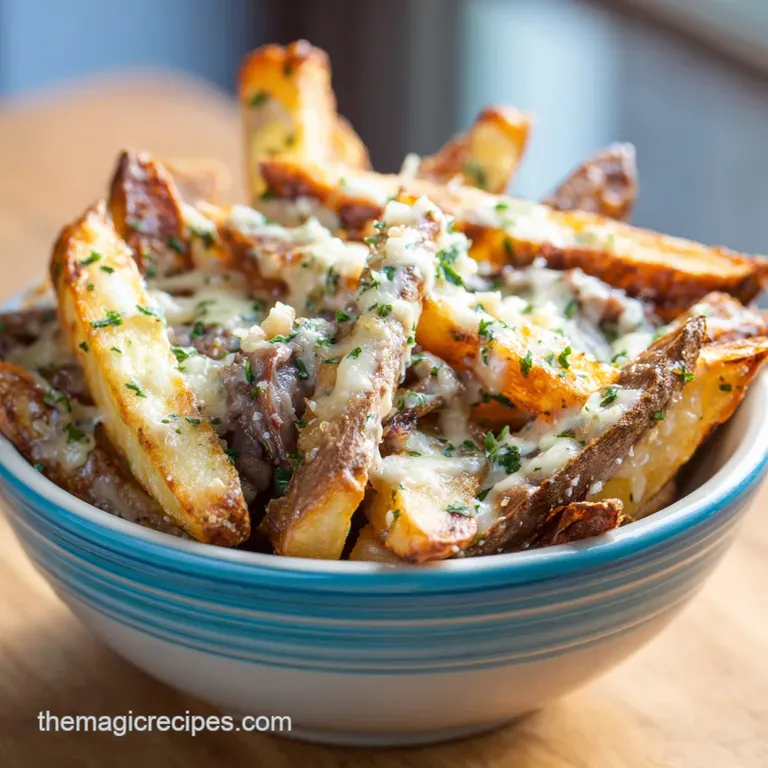
- Prep the potatoes. Scrub the 3 Large Russet Potatoes thoroughly to remove dirt, but leave the skins on for texture. Slice them into 1/2 inch thick wedges.
- Start the soak. Submerge the wedges in a bowl of ice cold water for 20 minutes. Note: This leaches out surface starch that causes sticking and burning.
- Dry completely. Drain the potatoes and pat them thoroughly dry with a lint free kitchen towel. Let them air dry on the counter for an additional 5 minutes.
- Heat the oven. Preheat your oven to 425°F (220°C). This high heat is necessary to trigger the browning process quickly.
- Coat the wedges. In a large bowl, toss the dry wedges with 3 tbsp olive oil, 1 tsp sea salt, and 1/2 tsp black pepper until every surface is shiny.
- Arrange for roasting. Place the wedges in a single layer on the baking sheet. Ensure they do not touch so they roast instead of steam.
- Roast to perfection. Bake for 30–35 minutes, flipping the wedges halfway through. Cook until deep golden brown and crackling.
- Prepare the infusion. While the fries bake, whisk 3 tbsp melted butter, 4 minced garlic cloves, 1/2 cup grated parmesan, parsley, and red pepper flakes.
- Finish and toss. Transfer the hot fries immediately into the garlic parm mixture. Toss vigorously until the cheese melts into a velvety coating.
Correcting Common Cooking Errors
If your fries didn't turn out quite right, don't worry. Most issues with the garlic parmesan baked steak fries come down to moisture control or temperature management. It’s a learning process, and even my first few batches were a bit of a mess.
Resolving Sticking and Tearing
If your potatoes are sticking to the sheet pan, it usually means one of two things: either the pan wasn't hot enough when they went in, or you tried to flip them too early. Potatoes naturally release from the pan once a solid crust has formed.
If you feel resistance when sliding your spatula under a wedge, give it another 3 to 5 minutes.
Correcting Bitter or Burnt Flavors
This usually happens when people try to bake the fresh garlic along with the potatoes. Garlic burns at a much lower temperature than potatoes roast. By whisking the garlic into the melted butter and tossing it with the fries after they come out of the oven, you preserve the sweet, aromatic nature of the garlic without any bitterness.
| Problem | Root Cause | Solution |
|---|---|---|
| Soggy interior | Underbaked or wedges too thick | Increase bake time by 5 mins or cut thinner |
| No "crunch" | Surface moisture remained | Pat bone dry and allow 5 min air dry |
| Greasy texture | Too much oil or low heat | Stick to 3 tbsp oil and ensure 425°F temp |
Common Mistakes Checklist
- ✓ Don't skip the 20 minute soak; it’s the difference between "okay" and "restaurant style."
- ✓ Use a lint free towel; paper towels often shred and stick to the raw potato starch.
- ✓ Ensure the oven is fully preheated; putting fries in a cold oven results in oil soaked sponges.
- ✓ Resist the urge to crowd the pan; use two pans if needed to keep space between wedges.
- ✓ Toss the fries while they are screaming hot; this is the only way the parmesan will adhere properly.
Adjustment Guidelines for Larger Groups
Scaling this recipe is straightforward, but you have to be careful with the seasonings and the pan space. When I make these for a big family BBQ, I usually double the batch, which requires a bit of logistical planning.
- Scaling Down (1-2 Servings): Use 1.5 large potatoes. You can use a smaller toaster oven if it reaches 425°F. Reduce the bake time by about 5 minutes as smaller loads tend to cook faster.
- Scaling Up (8+ Servings): Use 6 large potatoes. Crucial: Increase the salt and spices only to 1.5x the original amount first, then taste. Over salting a large batch is a common trap. You will need at least two large baking sheets.
- Batch Cooking: If you only have one oven rack, bake the sheets one after the other. Keep the first batch warm in a low oven (200°F) while the second batch finishes. Do not toss with the garlic butter until right before serving.
| Method | Time | Texture | Best For |
|---|---|---|---|
| Standard Oven | 35 minutes | Balanced crunch/fluff | Large family batches |
| Air Fryer | 22 minutes | Maximum exterior crunch | Quick 2 person serving |
| Convection | 30 minutes | Very even browning | No flip convenience |
If you are looking for a complete meal solution while your oven is already hot, you can easily prep my Sheet Pan Chicken and Potatoes on a separate rack for a functional, all in-one weeknight dinner.
Flavor Variations for Different Palates
While the garlic and parmesan combo is a classic for a reason, you can easily pivot the flavor profile based on what is in your pantry. This keeps the recipe fresh and allows you to use up leftover spices.
The Truffle Pub Twist
If you want to feel a bit fancy without spending a lot, add 1 tsp of truffle oil to your melted butter mixture. This adds an earthy, complex aroma that pairs perfectly with the sharp parmesan. It turns a budget potato into something that feels like it belongs in a high end bistro.
The Vegan Alternative
To make this dairy-free, replace the butter with a high-quality vegan butter or simply use more olive oil for the finish. For the cheese, Nutritional Yeast is your best friend. It provides a similar nutty, cheesy flavor and sticks to the hot oil perfectly.
It’s a healthy, functional swap that doesn't sacrifice the "soul" of the dish.
Preserving Leftover Crispness and Freshness
We rarely have leftovers in my house, but on the occasion that we do, I’ve learned that the microwave is the enemy. It turns the crispy crust into a rubbery skin that is almost impossible to chew.
Storage Guidelines
Store any leftover garlic parmesan baked steak fries in an airtight container in the fridge for up to 3 days. Do not freeze them after they have been tossed in the garlic butter, as the texture of the butter and cheese will degrade significantly upon thawing.
Zero Waste Tips
If you have leftover wedges that just won't crisp up again, chop them into small cubes and fry them in a pan the next morning with some onions and peppers. They make the most incredible breakfast hash because they are already seasoned with garlic and parmesan.
You can also toss the potato peels with a little oil and salt and bake them separately for 10 minutes to make "peel chips" a favorite snack for the cook!
Serving Ideas for the Whole Family
These fries are substantial enough to be a meal on their own, but they truly shine when paired with the right protein. Because they are so rich in garlic and butter, I usually serve them with something slightly acidic or lean.
The Steakhouse Side
Pair these with a simple grilled flank steak or a seared chicken breast. The red pepper flakes in the fries provide a nice contrast to the savory meat. If you're feeling like a classic comfort meal, serve them alongside a big bowl of my Easy Garlic Mashed Potatoes — wait, no, that's too many potatoes! Instead, go for a crisp green salad with a lemon vinaigrette to cleanse the palate.
Dispelling Kitchen Myths
- Myth: Soaking potatoes in hot water is faster. Truth: Hot water starts cooking the starch and results in a gummy, gluey texture. Always use ice cold water to keep the cells tight and crisp.
- Myth: You must peel the potatoes for them to be crispy. Truth: The skin actually helps the wedge hold its shape and provides a secondary layer of crunch that is deeply satisfying.
- Myth: More oil equals more crunch. Truth: Excess oil actually "boils" the potato rather than roasting it, leading to a greasy, heavy fry that loses its crispness within minutes of leaving the oven. Stick to the 3 tbsp measurement for the perfect balance.
Reheating is best done back in the oven at 400°F for about 8 minutes. This reactivates the fats and restores the "shatter" to the crust. Whether you're serving these for a casual Friday night or as part of a larger family feast, the key is the care you take in the drying phase.
Enjoy the sizzle!
Recipe FAQs
Why is the 20-minute cold water soak necessary?
It removes surface starch to prevent sogginess. Soaking ensures the exterior crisps up in the oven instead of steaming, which is a technique that also improves the texture of our garlic butter noodles.
How to ensure the fries get maximum crispness?
Arrange the wedges in a single layer without touching. Use a wire cooling rack set inside your baking sheet to allow hot air to circulate around all sides of the potato.
Is it possible to skip the air-drying step after patting the potatoes dry?
No, this is a common misconception. Allowing the wedges to sit for an additional 5 minutes ensures all surface moisture evaporates, which is essential for achieving a deep golden brown exterior.
How to store leftovers?
Keep them in an airtight container in the refrigerator for up to 3 days. Do not attempt to freeze the fries after they have been tossed in the garlic butter, as the texture will degrade during the thawing process.
Why is it important to toss the fries immediately after roasting?
Residual heat is required to melt the cheese. Tossing the hot fries in the garlic butter and parmesan mixture creates a creamy coating that simply won't adhere if the potatoes have cooled down.
How to prevent paper towel fibers from sticking to the wedges?
Use a lint free kitchen towel instead of paper products. Raw potato starch acts like glue, so a lint free cloth is the only reliable way to dry them without leaving behind messy residue.
What should I do if my oven isn't fully preheated to 425°F?
Wait until the oven reaches the target temperature before putting the sheet inside. Adding the potatoes to a cold oven prevents immediate browning and results in an oil-soaked, sponge like texture instead of a crisp crust.
Garlic Parmesan Baked Steak Fries

Ingredients:
Instructions:
Nutrition Facts:
| Calories | 388 kcal |
|---|---|
| Protein | 8.6 g |
| Fat | 21.7 g |
| Carbs | 39.6 g |
| Fiber | 5.0 g |
| Sugar | 2.3 g |
| Sodium | 725 mg |
