Healthy Pasta Recipes: Roasted Lemon Garden Dish
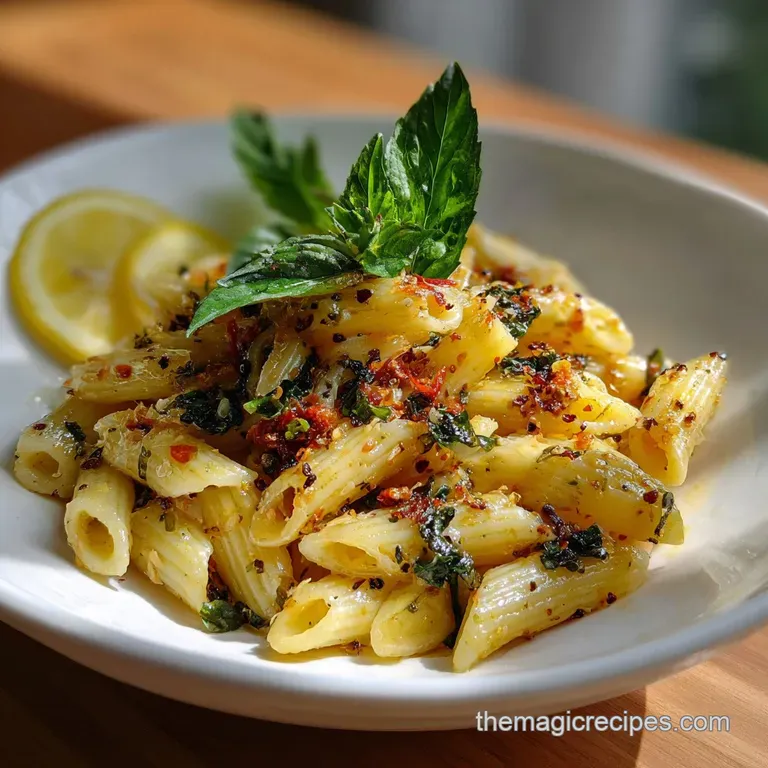
- Capturing the Spirit of Healthy Pasta Recipes: The Mediterranean Garden
- Flavor Science: Why Roasted Vegetables Beat Raw Sauces
- Pantry Essentials for this Vibrant Plant-Forward Pasta Dish
- The Method: Building Flavor from the Roasting Pan to the Bowl
- Troubleshooting Your Mediterranean Pasta: Chef's Guidance
- Meal Prep Focus: Storing and Reheating This Light Tomato & Courgette Pasta
- Complementary Pairings for the Ultimate Healthy Pasta Experience
- Recipe FAQs
- 📝 Recipe Card
Capturing the Spirit of Healthy Pasta Recipes: The Mediterranean Garden
That specific smell of cherry tomatoes, bursting open under high heat, mixed with sharp lemon zest and deeply softened garlic? That’s the smell of a genuinely satisfying, healthy dinner heading your way. Forget everything you think you know about heavy, sluggish pasta dishes.
This recipe is light, vibrant, and fiercely flavourful, proving that some of the best Healthy Pasta Recipes are plant forward and utterly fuss free.
This beautiful Mediterranean garden pasta is a weeknight lifesaver. It takes 15 minutes of chopping and then the oven does all the heavy lifting, concentrating all those amazing vegetable sugars into a natural, light sauce.
It’s cheap, incredibly nutritious, and makes fantastic leftovers (if you manage to have any). We are using roasted courgette and tomatoes to build a complexity that feels like you cooked all afternoon.
Ready to dive in? We’re going to revolutionize your approach to easy healthy pasta recipes by skipping the stovetop sauce creation entirely. This method is all about harnessing the power of the oven and a few clever kitchen tricks to deliver maximum flavor with minimal effort.
Flavor Science: Why Roasted Vegetables Beat Raw Sauces
Moving Beyond the Sluggish Meal: Defining Truly Healthy Pasta
When I talk about Healthy Pasta Recipes , I am not talking about recipes that just cut calories; I am talking about nutrient density. A truly healthy meal should leave you energized, not needing a nap fifteen minutes later.
This dish achieves that by focusing on high fiber whole wheat pasta and leveraging an immense volume of vegetables, making it one of the best healthy pasta recipes for weight loss without sacrificing satisfaction. It's vibrant, fibre rich, and feels completely indulgent.
The Magic of Maillard: How over High heat Roasting Creates Natural Sauces
The secret to this intense flavor profile is simple: high heat. Roasting the tomatoes and courgette at 400°F (200°C) activates the Maillard reaction and caramelizes the vegetable sugars.
This results in the tomatoes bursting, releasing their rich, sweet internal liquid, which mixes with the melted garlic and olive oil right on the tray. It’s essentially a thick, ready-made sauce base, created passively.
A Flavor Profile of Sun-Drenched Tomatoes and Bright Citrus Zest
This pasta hits all the essential flavor notes. You get the deep savory sweetness from the caramelized vegetables, a lovely burst of saltiness from the capers, and then that bright, necessary high note from the fresh lemon juice and basil.
It’s the kind of complex flavor layering you usually associate with restaurant cooking. It’s sunshine in a bowl, honestly.
Achieving Creaminess Without Heavy Dairy: Starch and Oil Emulsification
No cream, no butter, no problem! The "creaminess" in this dish comes down to pure kitchen chemistry. When you vigorously toss the drained, starchy pasta with the roasted vegetable juices and a final drizzle of quality olive oil, the reserved water acts as a binder.
It emulsifies the fat and the liquid, resulting in a light, silky, glossy coating that clings beautifully to the linguine, making this a top-tier healthy pasta recipes vegetarian option.
The Power of the Garden Gremolata: Fresh Basil and Lemon Finish
We finish the pasta with fresh basil and lemon juice off the heat , and this is crucial. Basil, lemon zest, and fresh lemon juice are highly aromatic meaning their flavor compounds are volatile and disappear quickly when heated.
Adding them last ensures you get a powerful, fresh punch that cuts through the richness of the oil and caramelized veg.
Depth of Flavor: The Caramelization of Cherry Tomatoes and Courgette
If you want a truly incredible sauce, you have to let the vegetables breathe while they roast. By spreading the cherry tomatoes and courgette (zucchini) into a single layer, you guarantee caramelization rather than steaming.
This caramelization creates those deep, savory sweet notes that transform this simple vegetable toss into a rich pasta coating.
Pantry Essentials for this Vibrant Plant Forward Pasta Dish
Selecting the Right Shape: Why Linguine or Penne Work Best
I always recommend linguine or spaghetti for this dish because the long strands are perfect for catching the light, oily sauce and clinging to the mashed tomato bits. If you prefer a short shape, penne or fusilli work well too.
Just ensure whatever you choose is robust enough to stand up to the vigorous tossing required for the emulsification step.
The Golden Trio: Garlic, Lemon Zest, and Quality Olive Oil
You cannot skimp here. Since we are using minimal ingredients, the quality of the olive oil really shines through. You need a good, fruity extra virgin olive oil for both the roasting process and the final drizzle.
The zest of the lemon goes into the roast for deep flavor infusion, while the juice goes in right at the end for brightness. It’s dual purpose citrus magic!
Smart Swaps: Adapting Seasonal Vegetables (e.g., Zucchini, Squash)
This recipe is incredibly forgiving and flexible based on whatever is lurking in your fridge. If you don't have courgette, here are some easy swaps.
| Ingredient | Recommended Substitute |
|---|---|
| Whole Wheat Linguine | Brown Rice or Chickpea Pasta |
| Courgette (Zucchini) | Bell Peppers or Butternut Squash chunks |
| Capers | Pitted Kalamata Olives or green olives |
If you substitute with denser vegetables like butternut squash, just dice them smaller or increase the roasting time by about 10 minutes until they are tender.
Boosting Nutrition: Choosing Whole Wheat or Legume Pasta
I prefer whole wheat linguine because it adds substantial fiber, making the meal much more satisfying. If you are looking specifically for healthy pasta recipes high protein , switch to chickpea or lentil pasta.
These alternatives maintain a great texture and significantly boost the protein content, turning this simple vegetarian recipe into a protein powerhouse.
The Method: Building Flavor from the Roasting Pan to the Bowl
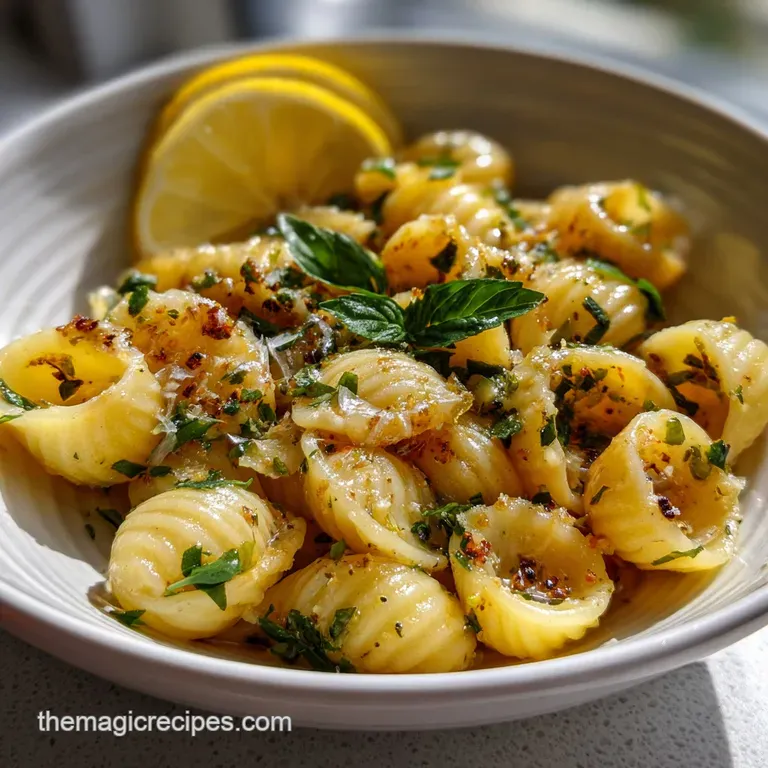
Phase I: Preparing the Vegetables for Maximum Caramelization
Get that oven ripping hot! Preheat to 400°F (200°C). The trick here is proper seasoning and spacing. Toss your tomatoes, courgette, onion, garlic, zest, oil, and spices right on the tray. Crucially, ensure they are spread in a single layer.
If they overlap, they will steam and you won't get those gorgeous blistered edges that make the sauce so savory.
Phase II: The Roasting Process and Timing Your Pasta Cook
Roast for 20– 25 minutes. When you hit the 10 minute mark, it’s time to boil your water. Remember to salt it heavily it should truly taste like the sea. Cook the whole wheat linguine until it is perfectly al dente, meaning it still offers slight resistance when you bite it.
This attention to detail is what elevates truly Healthy Pasta Recipes from good to amazing.
Phase III: Creating the Silky, Light Sauce with Reserved Water
This is the most critical step. Once the vegetables are roasted, pull the tray out. Scoop out about a half cup of the starchy pasta water just before you drain the pasta and set it aside. Drain the pasta immediately.
Now, back on the tray, take the back of your spoon and mash about a quarter of the tomatoes and the softened garlic. This releases the internal liquids and thickens the base.
Finishing the Dish: Tossing, Seasoning, and Applying Fresh Basil
Scrape every single caramelized bit and all the pan juices into a large bowl. Add the drained pasta, the capers, and the remaining fresh olive oil and lemon juice. Add your reserved starchy water, starting with 2 tablespoons. Toss, toss, toss!
You must toss vigorously for a minute until the sauce clings to every strand of pasta, giving it a beautiful, glossy shine. Stir in the fresh basil leaves last, then serve immediately. This is officially one of my favorite healthy pasta recipes for dinner .
Troubleshooting Your Mediterranean Pasta: Chef's Guidance
Avoiding the Cardinal Sin: Not Salting the Pasta Water
Seriously, people, salt the water! Pasta absorbs water and, with it, salt. If the water isn't salty enough, the final dish will taste bland and flat, no matter how delicious your roasted vegetables are. This is your only chance to season the pasta itself properly.
The Secret to a Glossy Sauce: Controlling the Emulsification Break
If your finished dish looks oily and separated, you either didn't toss vigorously enough or you didn't add quite enough starchy water. The starch is the emulsifier. If the sauce breaks, add another tablespoon of very hot reserved pasta water and keep tossing, lifting the pasta high in the bowl to incorporate air and bind the oil back into the liquid.
When to Add the Basil: Maximizing Aromatic Volatiles
Add the basil right at the end, after you’ve completed the toss and the pan is off the heat. If you add fresh herbs too early, the heat cooks out their bright, volatile aromas, leaving you with dull flavor and sad, wilted leaves. Keep it fresh and vibrant!
Meal Prep Focus: Storing and Reheating This Light Tomato & Courgette Pasta
Refrigeration Guidelines for Cooked Pasta and Sauce
This pasta stores wonderfully for 3 to 4 days in an airtight container in the refrigerator. Because the sauce is light and oil-based, it tends not to thicken up into a block the way dairy sauces do.
Freezing Roasted Vegetable Sauces vs. Freezing the Complete Dish
I strongly advise against freezing the complete pasta dish, as cooked pasta tends to degrade and become mushy when thawed. However, if you want to get ahead, you can roast double the vegetables and freeze the roasted vegetable sauce base (without the basil or capers) in a freezer safe container for up to three months.
Reviving Leftovers: Bringing Back Moisture and Freshness
When reheating, whether in the microwave or on the stovetop, the pasta will naturally dry out. To revive it, add a splash of water or vegetable broth during reheating. If you have any fresh lemon juice or basil left, adding a tiny fresh squeeze and a few chopped leaves will make the leftovers taste brand new.
Complementary Pairings for the Ultimate Healthy Pasta Experience
Because this recipe for Healthy Pasta Recipes is so light and bright, it pairs beautifully with simple sides. A crispy salad of rocket (arugula) and parmesan is always a winner. If you're hosting and want a more substantial Mediterranean appetizer that complements the flavor profile, you absolutely must try my recipe for Greek Recipes: Flaky Spanakopita Feta Spinach Pie . And for those seeking to make this a high protein dinner night, serving a quick pan-seared piece of fish or my simple Chicken Breast Recipes: Perfect Pan-Seared Lemon Thyme Garlic Sauce alongside the pasta is a fantastic option.
Recipe FAQs
Can I substitute the pasta for a low-carb or gluten-free alternative?
Yes, absolutely. For a low-carb alternative, use spiralized zucchini noodles (zoodles) or spaghetti squash; add them briefly to the roasted vegetables at the very end to warm through, avoiding overcooking.
If you need gluten-free, brown rice pasta or chickpea pasta are excellent choices that hold up well to the robust flavors of the roasted vegetables.
My sauce feels too watery after mixing. What went wrong?
A watery sauce usually means the vegetables did not roast long enough to properly evaporate their moisture, or the pasta was not drained thoroughly after boiling. Ensure your oven is preheated to the correct temperature and let the vegetables roast until they are slightly caramelized and blistered, typically about 30-35 minutes.
If necessary, drain the excess liquid before tossing, and only add back enough to lightly coat the pasta.
How should I store leftovers, and can I freeze this dish?
Leftovers can be stored in an airtight container in the refrigerator for up to 3 days, though the pasta will continue to absorb the light sauce as it cools. Freezing is generally not recommended for this particular pasta dish, as the high water content of the roasted courgette and tomatoes will cause them to become mushy upon thawing, compromising the desired texture.
Can I add protein to make this a more substantial main meal?
To boost the protein content, stir in 1 cup of drained and rinsed chickpeas or white cannellini beans during the last 10 minutes of roasting. Alternatively, top the finished dish with grilled chicken breast, flakes of oil-packed tuna, or oven baked salmon for a complete and balanced meal.
My finished pasta tastes a little bland. How can I boost the flavor?
Blandness often results from insufficient seasoning or too little lemon acid to brighten the flavors. Make sure you use a generous amount of salt and fresh black pepper before and after roasting, and always finish the dish with a final squeeze of fresh lemon juice and a good drizzle of high-quality extra virgin olive oil.
You can also add a pinch of red pepper flakes for heat.
I don't have courgette (zucchini) on hand. What other vegetables work well?
This recipe is very flexible and thrives on seasonality. Feel free to substitute courgette with bell peppers (especially red or yellow), asparagus spears, or even small florets of broccoli or cauliflower.
It is important to maintain the ratio of cherry tomatoes, as they are essential for creating the natural, unctuous sauce base when roasted.
Healthy Roasted Vegetable Pasta
Ingredients:
Instructions:
Nutrition Facts:
| Calories | 465 kcal |
|---|---|
| Protein | 13.9 g |
| Fat | 16.7 g |
| Carbs | 55.7 g |
