Beef Soup: Mums Sunday Best Hearty Beef and Barley Broth
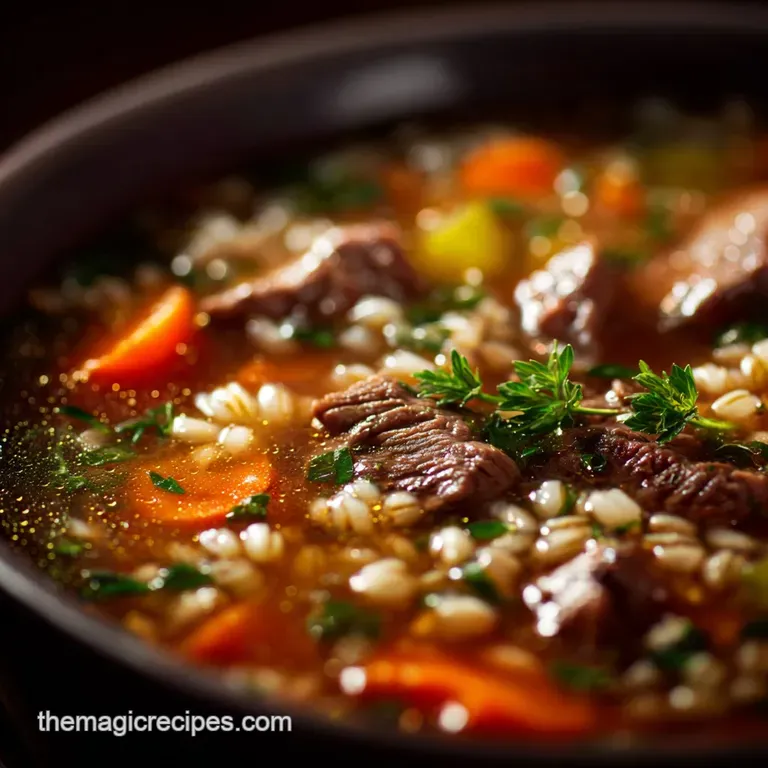
- The Best Hearty Beef Soup Recipe: A British Classic
- Achieving Monumental Flavor: The Science of This Beef Soup
- Equipment and Essential Ingredients Checklist
- Step-by-Step Method: Crafting the Perfect Sunday Beef Soup
- Expert Tips for a Flawless Broth (Troubleshooting Common Issues)
- Storage, Freezing, and Reheating Beef Soup Safely
- Serving Suggestions: What to Pair with Hearty Beef and Barley Soup
- Recipe FAQs
- 📝 Recipe Card
The Best Hearty Beef Soup Recipe: A British Classic
That smell when proper beef soup is bubbling away? Oh my god, it’s instant winter therapy. It’s that deep, savory perfume that hugs you the second you walk in the door, promising warmth, substance, and zero disappointment.
Forget those thin, watery bowls you sometimes get; this is the good stuff, rich enough to stand a spoon up in.
You might look at the cook time and think, "Nope, too long," but wait a minute. This beef soup recipe is actually a budget lifesaver, transforming cheap, tough cuts of stewing beef into something incredibly fork tender and luxurious.
It is mostly hands off simmering time, which means you can potter around the house or binge watch something amazing while dinner basically cooks itself. Trust me, the minimal effort for maximum flavour payoff is a total win.
We aren't making shortcuts here, but we are being smart about flavor foundations, focusing on the techniques that ensure your beef soup base is monumental. Get your Dutch oven ready, because we are about to make the coziest, most profoundly satisfying bowl of comfort food you’ve ever experienced.
Let’s crack on and get this bubbling.
What Makes a Broth 'Hearty' (And Not Watery)
The secret to a truly hearty broth lies in two things: time and collagen. When you use cuts like beef shin or stewing steak (which often contain bits of bone or connective tissue), those elements slowly melt into the liquid over three hours.
This slow process releases gelatin, which gives the broth a gorgeous, full body and mouthfeel instead of a watery texture. We also maximize the base flavor by using the best beef soup bones or robust stock we can source.
The Role of Barley in Traditional Cookery
Barley is a non-negotiable component of a classic British beef soup. It’s a wonderful grain that adds a slightly chewy texture and helps naturally thicken the broth as it releases starch while cooking. It also turns this meal from a starter into a satisfying, complete main course that sticks to your ribs.
Pro tip: Always rinse your pearl barley before adding it, or you risk turning your beautiful soup cloudy and gummy.
Prep Time vs. Simmer Time: Setting Expectations
While the overall time commitment for this beef soup recipe is around three hours, the active preparation chopping the veg, searing the beef only takes about 30 minutes. The remaining time is pure simmering bliss.
This extended cook ensures the beef is impossibly tender and that all those beautiful root vegetables have fully imparted their flavor into the stock.
Achieving Monumental Flavor: The Science of This Beef Soup
This recipe works because we treat the initial sear like the most important step in the entire process. We are aiming for the Maillard reaction, which is essentially the chemical magic that happens when high heat transforms sugars and proteins on the surface of the beef into hundreds of complex, savory flavor compounds.
If you skip this, or if you overcrowd the pot and steam the meat, you lose 80% of your potential flavour depth. The darker the crust on your beef, the more profound your final broth will be.
Equipment and Essential Ingredients Checklist
You really only need one piece of equipment: a heavy bottomed pot, ideally a Dutch oven. The thick walls hold the heat steady, which is crucial for the long, low simmer required to tenderize the meat and build a spectacular beef soup base .
The Maillard Reaction: Browning for Maximum Depth
| Ingredient | US Customary | Notes |
|---|---|---|
| Stewing Beef (Shin/Chuck) | 2 lbs | Cut into 1 inch cubes. Pat them dry! |
| Olive Oil | 2 Tbsp | For searing. |
| Salt & Pepper | To taste | Don't be shy; season generously. |
Layering Aromatics: Building the Flavour Foundation
The classic mirepoix (onion, carrot, celery) is the unsung hero of this beef soup idea . We sweat them down slowly until they are sweet and transparent, creating a soft landing spot for the rich deglazing liquid.
| Ingredient | US Customary | Notes |
|---|---|---|
| Yellow Onion, Carrots, Celery | 1 large, 2 medium, 2 stalks | Finely diced for maximum flavour release. |
| Garlic | 3 cloves | Minced; add after the vegetables have softened. |
| Tomato Paste | 2 Tbsp | This adds essential acidity and deep colour. |
| Dry Red Wine | 1 cup | Merlot or Cab; essential for deglazing the fond. |
| Beef Stock | 6 cups | Use the highest quality, low-sodium stock you can find. |
Sourcing Quality Stewing Beef and Pearl Barley
For the best results, look for beef shin, chuck, or even cross cut beef soup bones for extra richness. For the thickening agent, pearl barley is the standard. It provides that lovely, plump chewiness.
The root vegetables potatoes and swede (rutabaga) get added later so they don’t turn to complete mush.
Smart Substitutions for Dietary Needs or Availability
Don't panic if you're missing something; we can usually swap it out without sacrificing the structure of the beef soup recipe easy .
| Ingredient Missing | Viable Substitute | Why It Works |
|---|---|---|
| Pearl Barley | Brown Rice or Quinoa | Use half the amount. Provides fiber and texture, but will need adjusted cooking times. |
| Dry Red Wine | Beef Stock + 1 Tbsp Balsamic Vinegar | The vinegar mimics the acidity needed for successful deglazing. |
| Swede/Rutabaga | Turnip or Parsnips | Adds the necessary earthy sweetness of a hard root vegetable. |
| Beef Stock | Water + 1 Tbsp Bovril or two quality bouillon cubes | If you’re truly desperate, use a strong flavor base, though stock is always superior. |
step-by-step Method: Crafting the Perfect Sunday Beef Soup
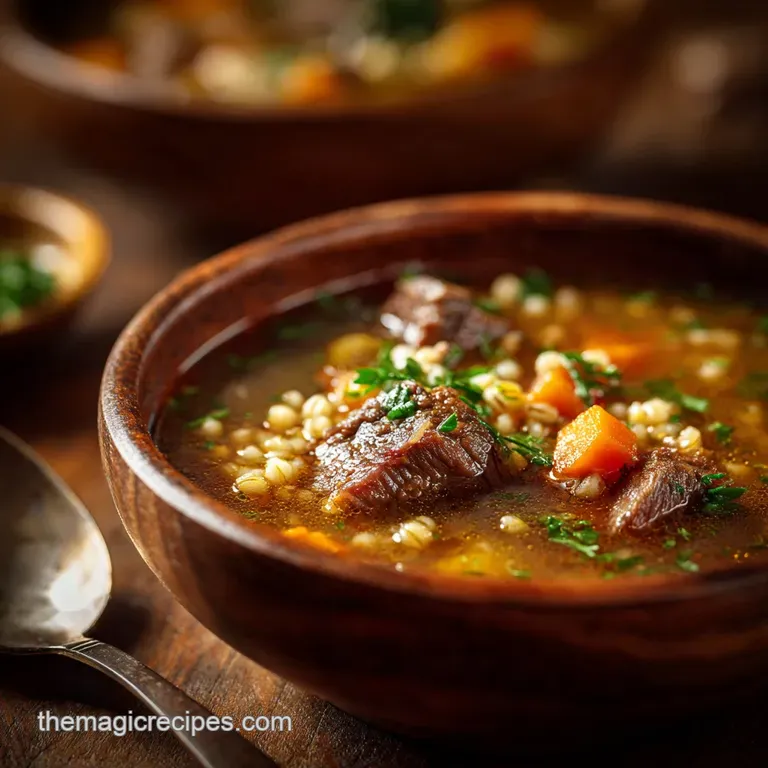
Phase I: The Crucial Browning of the Beef
- Prep the Beef: Pat your 1 inch beef cubes aggressively dry with paper towels; moisture prevents browning. Season them like you mean it with salt and pepper.
- Heat the Oil: Get your Dutch oven screaming hot over medium high heat. Add the oil until it shimmers and is just starting to smoke slightly.
- Sear in Batches: Add the beef in small, single layer batches no overcrowding allowed! Cook undisturbed for 3 to 4 minutes per side until you have a deep, mahogany crust. Remove the browned beef with tongs and set it aside, leaving the beautiful brown bits (fond) stuck to the pot.
Phase II: Deglazing and Adding the Liquid Base
- Sweat the Mirepoix: Reduce the heat to medium. Add the diced onion, carrots, and celery to the pot. Cook for about 8 to 10 minutes, scraping the bottom of the pot frequently to incorporate some of those lovely beef bits into the vegetables. This builds incredible flavor complexity.
- Add Garlic and Tomato Paste: Stir in the minced garlic and tomato paste. Cook for just one minute until the paste darkens slightly and smells lightly cooked; this enhances its sweetness and colour.
- Deglaze: Pour in the cup of red wine. Bring the mixture up to a quick boil and scrape the bottom of the pot vigorously with a wooden spoon to lift all those cooked-on bits this is where the deep, dark flavour comes from. Reduce the liquid until it’s nearly gone, maybe 5 minutes.
Phase III: Simmering, Skimming, and Cooking the Barley
- Combine and Simmer: Return the seared beef and any juices back to the pot. Add the 6 cups of beef stock, the rinsed pearl barley, bay leaves, and the tied sprigs of thyme. Bring everything up to a boil, then immediately drop the heat to the lowest setting to maintain a gentle, barely bubbling simmer.
- The Long Wait: Simmer, partially covered, for 90 minutes. After the first 30 minutes, use a ladle or spoon to skim off any foam or excess fat that has risen to the surface. This keeps your broth clear and clean tasting.
- Add Root Vegetables: After the initial 90 minutes, the beef should be softening nicely. Add the chopped potatoes and the swede/turnip. Continue simmering, uncovered now, for another 45 to 60 minutes, or until the beef is meltingly fork tender and the barley is plump.
Phase IV: The Final Taste Test and Seasoning Adjustment
- Finish: Remove and discard the thyme stems and bay leaves they’ve done their job!
- Adjust: Taste the soup. Now is the time to add the final, critical touch of salt and pepper. Sometimes a soup needs just a tiny splash of vinegar (red wine or balsamic) right at the end to make all the flavors sing, so give it a shot!
Chef's Note: Patience is your best friend when making a long simmered soup. If you rush it, the beef will be tough, and the flavours won't have time to properly marry. It should look rich and slightly cloudy from the starch and collagen.
Expert Tips for a Flawless Broth (Troubleshooting Common Issues)
Preventing Cloudy Broth: The Skimming Technique
If you want that gorgeous, clear, rich broth which honestly isn't strictly necessary for a hearty beef soup but looks professional you must skim. As the soup begins to simmer, fat and impurities rise to the top.
Use a large spoon to gently scoop off this layer during the first hour. Also, remember to rinse that barley thoroughly before it goes into the pot!
The Common Mistake of Over Salting (And How to Fix It)
We use great stock, and that usually has a fair amount of salt already. People often over salt early, but remember that the liquid concentrates as it cooks down. Always hold back on major seasoning until the last 15 minutes of cooking.
If you do accidentally over salt, add a large, peeled, raw potato cut in half to the pot and let it simmer for 15 minutes; the starch absorbs some of the excess sodium. Then, discard the potato.
Ensuring Your Beef is Tender, Not Chewy
Chewy beef is usually a result of two things: either you didn't sear it properly (leading to a lack of flavor development and tough texture) or, more likely, you didn't cook it long enough. Stewing cuts need a minimum of two hours, sometimes closer to three, to completely break down the collagen.
If your beef isn't tender, keep simmering it gently!
Storage, Freezing, and Reheating Beef Soup Safely
Best Practices for Refrigerating Leftovers
This soup is honestly even better the next day, once the flavours have had time to deepen overnight. Let the soup cool completely before transferring it to an airtight container. It will keep beautifully in the fridge for up to 4 days.
If you find a thick layer of fat has solidified on top, you can easily scrape that off before reheating.
Freezing the Soup (With or Without Barley)
Yes, you can absolutely freeze this! However, barley and potatoes can sometimes become slightly mushy or mealy when thawed and reheated. For the best texture , consider scooping out the meat and broth before adding the barley and potatoes, and then freezing that base.
If you freeze the whole thing together, just know the texture won't be quite the same, but the flavour will still be perfect. Freeze in single serving portions for easy reheating; it lasts well for up to 3 months.
Reheating Instructions
Reheat the soup gently on the stove over medium low heat until piping hot all the way through, stirring frequently to prevent sticking. If it’s too thick upon thawing, just add a splash of beef soup base (stock) to thin it out a little.
Serving Suggestions: What to Pair with Hearty Beef and Barley Soup
Crusty Bread and Garnish Recommendations
This rich, comforting beef soup demands something robust alongside it. Think thick slices of crusty sourdough, lightly toasted with garlic butter, perfect for soaking up every last drop of that savory broth. A little pile of freshly chopped parsley scattered over the top adds a crucial burst of colour and freshness that cuts through the richness beautifully. If you love deep, layered flavor profiles like this, you might also be obsessed with my Chili: The Best Deep Flavour Beef Recipe with Dried Chiles .
We don't want a fight for attention, so avoid anything too fussy. Keep it simple and soul warming. Although this recipe is rich and robust, sometimes I still crave something lighter after a few days of heavy food, and my Asparagus Soup: The Silky, No-Cream Recipe for Vibrant Spring Flavour is the perfect antidote.

Recipe FAQs
Why is my beef soup lacking deep, complex flavor?
A lack of depth often results from rushing the initial browning step (the Maillard reaction). Ensure your pot is screaming hot and sear the beef in small batches until a deep, dark crust forms on all sides; this step is the cornerstone of a rich broth.
Additionally, make sure to properly deglaze the pot, scraping up all the savory browned bits left on the bottom, which adds concentrated flavor.
Which cut of beef works best for slow simmered soup, and can I substitute it?
Cuts rich in connective tissue, such as chuck roast, beef shanks, or short ribs, are ideal as they break down beautifully over low heat, enriching the broth with gelatin. Avoid very lean cuts like sirloin, which tend to become dry and stringy before the broth has developed its full flavor.
If substituting, always choose a cut labeled for slow braising.
My beef is still tough after hours of simmering. What went wrong?
If the meat is tough, it simply needs more time; the process of collagen breaking down into gelatin takes consistency and patience. Increase the simmering time and ensure the heat is maintained at a very low, gentle bubble, never a rapid boil.
The beef should eventually become fork tender, usually requiring 2.5 to 3 hours total depending on the cut.
How do I prevent my soup broth from turning cloudy or greasy?
To keep the broth clear, ensure you only use a gentle simmer, as a rolling boil emulsifies the fats and solids, leading to cloudiness. Regularly skim the gray foam and fat that float to the surface during the first hour of cooking.
If the soup is excessively greasy after cooking, chill it completely in the refrigerator, allowing you to easily scrape off the solidified fat cap before reheating.
I don't have barley. What is a good substitute for texture?
If you need a grain substitute, hearty grains like farro or spelt offer a similar satisfying, chewy texture. For a gluten-free option, large pearl couscous or short grain brown rice can work well, though they may require slightly different cooking times and absorb less liquid.
Note that if substituting, always check the grain’s instructions to ensure it is fully cooked.
Can I use an Instant Pot or pressure cooker to speed up the cooking time?
Yes, this recipe adapts very well to pressure cooking, drastically reducing the total time, but do not skip the initial browning step for flavor. After browning the beef and sautéing the aromatics, cook the soup on high pressure for 35 to 40 minutes, followed by a full natural pressure release.
This will tenderize the meat while allowing the flavors to meld.
What is the best way to store and freeze leftover beef soup?
Once cooled, store the soup in an airtight container in the refrigerator for up to 4 days. It freezes exceptionally well; ladle it into freezer safe containers, leaving an inch of headspace for expansion, and it will keep for up to 3 months.
Be aware that the barley may absorb a little more liquid upon thawing and reheating.
Hearty Beef Soup Recipe

Ingredients:
Instructions:
Nutrition Facts:
| Calories | 680 kcal |
|---|---|
| Protein | 57.1 g |
| Fat | 28.0 g |
| Carbs | 34.7 g |
