Dense Bean Salad: the Hearty Picnic Powerhouse
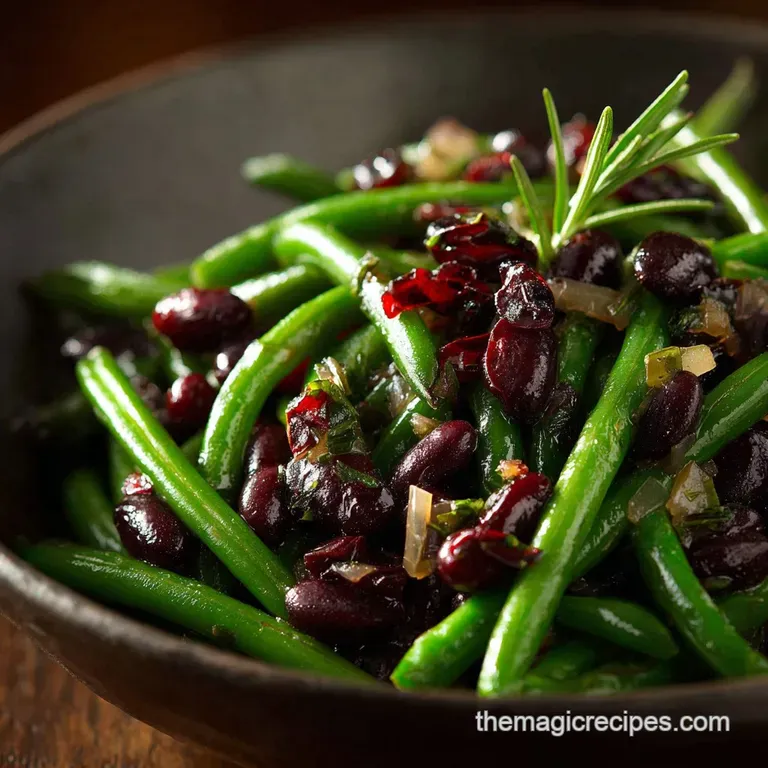
- Introducing the Triple-Bean Powerhouse Salad: Your New Picnic Go-To
- The Flavor Architecture: Why This Triple-Bean Salad Stands Up To The Crowd
- Anatomy of the Salad: Essential Ingredients for Density and Punch
- Effortless Execution: Step-by-Step Guide to Making the Powerhouse Bean Salad
- Troubleshooting and Pro-Tips for the Best Dense Bean Salad
- Storing Your Leftovers: How to Keep Your Triple-Bean Salad Fresh
- Perfect Pairings: Serving Suggestions for Your Hearty Bean Salad
- Recipe FAQs
- 📝 Recipe Card
Introducing the Triple Bean Powerhouse Salad: Your New Picnic Go-To
You know that incredible aroma? That sharp, zesty perfume of vinegar, garlic, and freshly chopped herbs hitting your nose when you lift the lid off a truly great picnic dish? This is it.
This Dense Bean Salad is the kind of recipe that stops conversation dead, purely because of how intensely fresh it smells. It’s vibrant, crunchy, and absolutely exploding with flavour, which is exactly what we are aiming for here.
I swear, this powerhouse salad has saved my bacon or rather, saved my vegetarian friends more times than I can count. It requires zero cooking, uses cheap pantry staples, and tastes infinitely better the day after you make it.
Honestly, it is the ultimate meal prep superhero, staying satisfyingly dense and delicious all week long because it holds its structure so well.
Forget those sad, watery, store-bought versions that leave you feeling hungry half an hour later. We’re building something substantial today, a truly satisfying Powerhouse Bean Salad that you’ll crave.
Let's crack on and talk about making the best Dense Bean Salad you have ever tasted.
The Flavor Architecture: Why This Triple Bean Salad Stands Up To The Crowd
Listen, anyone can mix three cans of beans with a bottle of Italian dressing. I did that once in college and it was a mistake I quickly learned from; it was floppy, bland, and frankly, disappointing. This recipe is fundamentally different because we focus entirely on texture and infusion.
The secret to a truly satisfying Dense Bean Salad isn't just the beans; it's how the vinaigrette saturates them without turning everything into mush. We are creating structure and depth here, not just a haphazard mixture.
Ditching the Watery Mess: The Science of a Truly Dense Salad
The secret sauce literally is in the preparation of the beans and the careful balance of the dressing. Canned beans carry a lot of starchy water, which is the enemy of a dense salad. That cloudy liquid, known as aquafaba, will immediately dilute your beautiful vinaigrette.
You must rinse those beans until the water runs completely clear. Then, shake them vigorously and spread them out to dry. A truly successful Dense Bean Salad recipe relies on having absorbent beans ready to soak up that flavour bomb we call the dressing.
Prep Time vs. Chill Time: Planning for Maximum Flavor Fusion
People often treat the chilling phase of this Dense Bean Salad like an optional suggestion, maybe a small note at the bottom of the instructions. It is absolutely mandatory.
Think of the beans like tiny sponges; they need time at least two hours to draw in the vinegar, garlic, and seasoning. If you skip the chill time, you just have beans sitting in dressing. After two hours in the fridge, you have a cohesive, deeply flavoured dish.
That flavor fusion is what separates a decent side from a picnic champion, delivering a truly complex flavor profile.
An Easy Recipe Even Beginner Cooks Can Master
You do not need fancy equipment or a culinary degree to nail this ultimate Dense Bean Salad . The most complex part is simply chopping the vegetables consistently small that ensures they blend beautifully with the beans and prevents textural dominance.
This is the perfect entry level recipe for proving that simple ingredients, combined strategically, can produce extraordinary results.
Achieving the Perfect Pucker: Balancing Acid and Sweetness in the Vinaigrette
The vinegar is the star here, providing the essential "pucker" that cuts through the starchiness of the legumes. We use red wine vinegar because it has a wonderfully rounded flavor profile, but we must balance its sharpness. That’s where the maple syrup or honey comes in; it tames the tartness.
If the dressing is too sharp, the Dense Bean Salad will taste harsh. If it's too sweet, it’s cloying. Start with the recipe amounts and taste! You are looking for a dressing that makes your cheeks tingle slightly that’s how you know it's right.
Texture Contrast: Ensuring a Satisfying Mouthfeel (No Mush Allowed)
This salad must deliver variety on the palate. We achieve density from the beans, but we achieve crunch from the finely diced celery and red bell pepper. The sun-dried tomatoes offer a chewy, savory burst of flavor. The rule of thumb here: dice small and dice uniformly.
If your celery pieces are huge, the whole salad feels unbalanced and awkward. A well executed Dense Bean Salad offers resistance when you chew it; it shouldn't just dissolve into paste.
The Critical Step of Marination: The Secret to Depth of Flavor
The marination process is key to maximizing the depth of flavor in this incredible Dense Bean Salad . Beyond the necessary chill time, we also pre-treat the red onion. Raw red onion can be aggressively sulfuric and overpower every other element.
By letting the diced onion sit briefly in a tablespoon of vinegar, we chemically soften the compounds that cause harshness. This one small step removes all the onion bite while retaining the satisfying sweetness and crunch.
Anatomy of the Salad: Essential Ingredients for Density and Punch
I am fiercely loyal to using canned beans here. Why? Because consistency is everything, and soaking dried beans introduces too many variables (water hardness, storage age, etc.). This needs to be easy, reliable, and spectacular every single time you make this Dense Bean Salad .
We rely on the triple bean blend because it offers a fantastic color and texture spectrum.
The Legumes: Mastering the Triple Bean Blend (Using Canned vs. Dry Beans)
We use chickpeas (firm), kidney beans (meaty), and black beans (slightly softer). They complement each other beautifully. If you absolutely insist on using dried beans, you must cook them perfectly tender but absolutely not mushy and immediately chilled and dried before dressing.
I stick with canned for this specific recipe because of the guaranteed efficiency and texture control required for a great Dense Bean Salad .
| Ingredient | Why It’s Essential | Substitution Idea |
|---|---|---|
| Chickpeas | Firm texture, high density | Great Northern Beans, Cannellini Beans |
| Red Wine Vinegar | Crucial acid profile | White Wine Vinegar (for milder taste) |
| Maple Syrup | Necessary counterpoint to vinegar | Agave Nectar or simple Granulated Sugar |
| Red Onion | Pungency and crunch | Shallots (if you prefer a significantly milder flavour) |
Fresh Herbs and Aromatics: Layering Fragrance and Brightness
We are using fresh parsley, and lots of it, because it is absolutely essential. Parsley is not just garnish; it provides an incredible, peppery freshness and lift that contrasts beautifully with the richness of the olive oil. Don't skimp on this element!
If you want to lean into a smoky flavour profile, consider adding a dash of smoked paprika or chipotle powder to the ultimate Dense Bean Salad dressing, alongside the garlic and oregano.
Customizing Your Vinaigrette: Oil, Vinegar, and Sweetener Substitutes
I prefer extra virgin olive oil for its complexity and richness, but avocado oil works beautifully if you prefer a more neutral taste. For the acid, if you don't have red wine vinegar, high-quality white wine vinegar is a good substitute, though it generally lacks the same depth.
If you are avoiding refined sugar, maple syrup is your friend, delivering a smooth sweetness that dissolves instantly and works perfectly in this Dense Bean Salad recipe.
Chef's Note: The Dijon mustard in the vinaigrette isn't purely for flavor. It contains natural emulsifiers that help the oil and vinegar stick together, creating a smoother, thicker dressing that coats the beans better. This thick coating is crucial for the "density" we are trying to achieve.
Making it Paleo or Low-Carb: Ingredient Swaps for Dietary Needs
While beans technically aren't paleo, you can certainly make a lower carb version of this hearty bean salad. We can significantly lower the carbohydrate count by swapping out the highest carb additions.
Replace the corn entirely with finely chopped zucchini or yellow squash, which offer a great crunch without the starch. Plus,, swap the maple syrup with 1 teaspoon of liquid monk fruit sweetener. While the core flavor profile changes substantially, the dense, satisfying texture remains intact.
Effortless Execution: step-by-step Guide to Making the Powerhouse Bean Salad
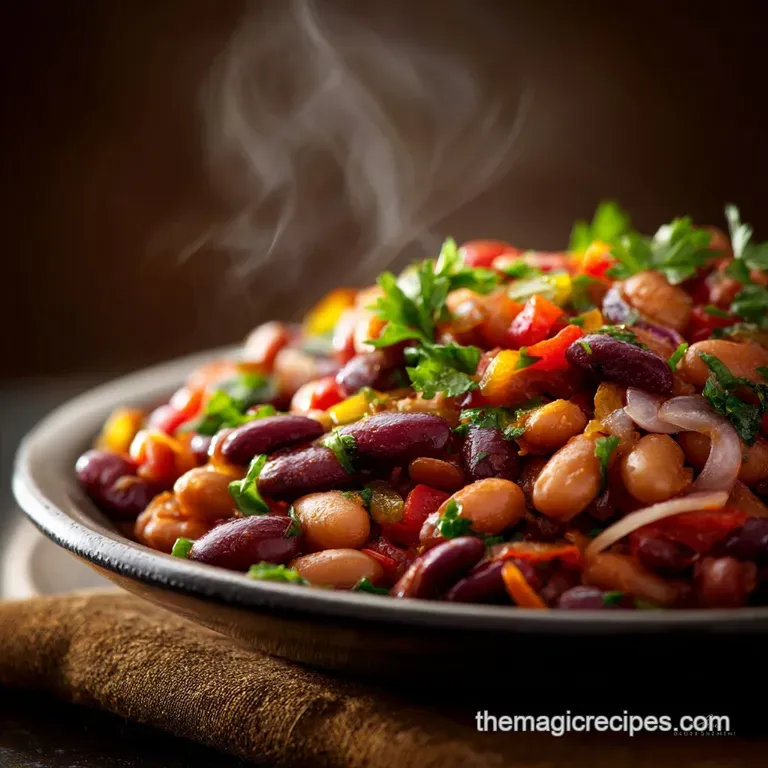
Making this is a breeze, but precision matters, especially in the first two steps. Follow these instructions precisely for the best Dense Bean Salad results possible.
Step 1: Whisking the Vinaigrette Base to Emulsion
In a small jar or dedicated bowl, combine your vinegar, mustard, garlic, salt, pepper, oregano, and maple syrup. Whisk or shake vigorously until the salt is mostly dissolved. This is crucial: don't add the oil yet.
Slowly stream in the Extra Virgin Olive Oil while whisking quickly and continuously, creating that creamy, slightly thickened emulsion. The better the emulsion, the better the dressing clings to the beans.
Step 2: Rinsing and Drying the Beans for Optimal Density
Open all three cans of legumes. Dump them into a colander. Rinse them under cold running water for a full 60 seconds, tumbling them gently with your hand. You want that cloudy, starchy water completely gone.
Shake the colander well and then lay the beans out on a clean kitchen towel or paper towels to wick away any surface moisture. This step is non-negotiable for a superior, truly Dense Bean Salad .
Step 3: Integrating the Aromatics and Vegetables
Combine the thoroughly drained beans, the corn, the sun-dried tomatoes, the celery, and the red pepper in your largest mixing bowl. Remember our trick: add the diced red onion only after you’ve marinated it briefly in that tablespoon of vinegar and drained it.
Toss lightly to distribute the fresh parsley throughout the bowl.
Step 4: Gentle Folding and the Immediate Flavor Check
Pour the prepared, creamy vinaigrette over the bean mixture. Use a large rubber spatula and fold everything gently from the bottom up. Do not aggressively stir! Stirring can easily break the black beans, creating starch and leading to a mushy final result.
We want whole, intact beans for our perfect Dense Bean Salad . Taste a spoonful immediately. Does it need more salt? Does it need more acid? Adjust now, then cover it up and let the magic happen in the fridge for at least two hours.
Troubleshooting and Pro-Tips for the Best Dense Bean Salad
I’ve made this salad hundreds of times, and I know exactly where people stumble. Usually, it's impatience or over salting. Making a great Dense Bean Salad is simple if you just follow the specific texture rules.
Avoiding the Cardinal Sin: How to Prevent Mushy Beans
If your finished Dense Bean Salad turns out mushy, you did one of two things: either you didn't dry the beans well enough, leaving residual water to break down the starch and dilute the dressing, or you folded too aggressively after dressing.
Use the largest bowl you own, even if it seems excessive. That gives you room to fold, not stir, keeping those fragile legumes completely intact.
When to Salt: Mastering Seasoning for Cold Dishes
Cold foods notoriously mute saltiness, which is why your homemade vinaigrette sometimes tastes bland coming out of the fridge. When you make your Dense Bean Salad , the dressing needs to taste slightly over -salted when you first prepare it, before it hits the beans.
As the salad chills, the flavour intensity will drop back to neutral. If you taste it warm and think it’s perfect, it will be bland straight out of the fridge. Trust me on this: season boldly before the chilling period.
Preparing Ahead: Maximizing Flavour While Retaining Crunch
This is a champion meal prep dish, but there’s a timeline you should follow. It’s fantastic made 24 hours ahead, allowing the beans full absorption time for the flavor.
If you want maximum crunch retention in your Dense Bean Salad , hold back about half of the celery and red pepper. Stir those last few crunchy pieces in just 15 minutes before serving. That way, they retain their structural integrity while the beans soak up the flavor.
Storing Your Leftovers: How to Keep Your Triple Bean Salad Fresh
Ideal Refrigeration: Shelf Life and Container Recommendations
Your Dense Bean Salad will stay perfectly fresh and delicious for 4 to 5 days in the refrigerator. Use an airtight glass container, which prevents any lingering onion or garlic smell from permeating your fridge.
Make sure you use a container that minimizes air space above the food; less air means slower oxidation and better crunch retention, preserving the perfect texture of your finished product.
Can You Freeze This Powerhouse Salad? (Spoiler: Why Beans Don't Freeze Well in Vinaigrette)
Short answer: Please don't freeze your Dense Bean Salad . While beans themselves freeze fine (I often freeze large batches of pre-cooked beans for other recipes), once they are coated in a vinegar and oil emulsion, the texture changes drastically upon thawing.
The vinegar breaks down the cell walls further, leaving you with mushy, unpleasant beans and a separated, oily dressing. This salad is absolutely meant to be eaten fresh within the week!
Perfect Pairings: Serving Suggestions for Your Hearty Bean Salad
Because this Dense Bean Salad is so packed with protein and fiber, it often functions as a main dish for lighter appetites, especially when paired with a side of pita or crusty bread. However, it absolutely shines when paired with smoky, hot foods.
Main Dish Pairings: What Grilled Staples Complement the Vinaigrette?
The zesty, bright vinaigrette cuts through richness beautifully. Try it alongside grilled pork tenderloin, a classic pulled pork sandwich, or even a simple grilled salmon fillet. If you’re looking for another bean centric meal, this is a fantastic cool side dish for my Charro Beans Recipe: Smoky, Soulful Mexican Frijoles Charros . The deep, smoky flavour of the Charro beans contrasts wonderfully with the acidic brightness of this Dense Bean Salad .
We also love serving this alongside vegetarian mains. It's hearty enough that pairing it with a simple baked potato or some grilled halloumi makes a complete, incredibly satisfying meal. If you’re preparing a vegan or plant based dinner, you could easily use this as the protein source alongside my Daniel Fast Recipes: Hearty Bean Veg Chili (Easy Dinner) — it provides a necessary cool, acidic contrast to the warm, spicy chili. Honestly, this Dense Bean Salad works everywhere. There you have it the only Dense Bean Salad recipe you’ll ever need. Seriously, bring this to your next potluck and watch it disappear. It’s pure, powerhouse goodness.
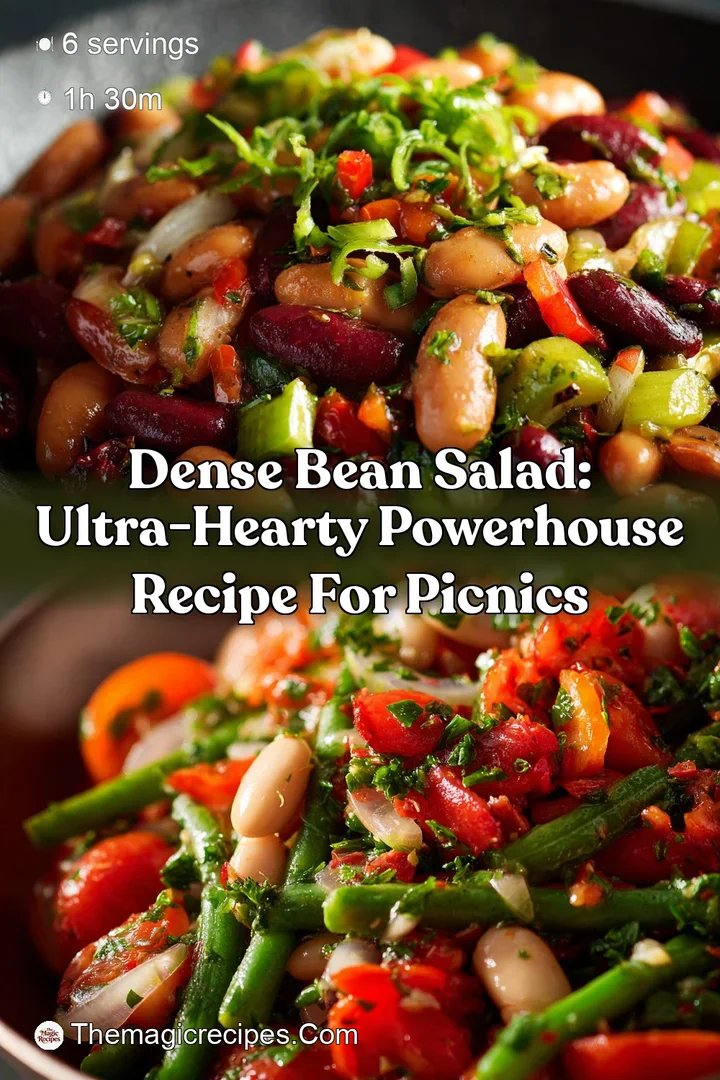
Recipe FAQs
How far in advance can I make this salad, and how should I store leftovers?
This salad is best made 4 24 hours ahead, as the flavors deepen significantly as the beans absorb the vinaigrette during chilling. Store leftovers in an airtight container in the refrigerator for up to 4 days, ensuring it is kept below 40°F (4°C).
We advise against freezing the salad, as the texture of the beans and fresh vegetables will degrade upon thawing.
My salad seems too dry or too stiff after chilling. How do I fix the consistency?
The beans naturally absorb the dressing as they sit, which contributes to the "dense" texture of the salad. If you prefer a looser consistency, whisk together 1 extra tablespoon of olive oil, a splash of vinegar, and a small pinch of salt, then gently toss it into the salad before serving.
Alternatively, ensure you are using enough of the liquid components specified in the recipe, as measurement variations can affect the final result.
I only have two types of beans on hand. What are the best substitutions for the third variety?
You can successfully substitute other firm, canned legumes like chickpeas (garbanzo beans), black beans, or black eyed peas for any of the listed beans. If substituting, try to maintain a contrast in color and size for visual appeal, but always ensure you rinse and drain all substitutions thoroughly before mixing.
This step prevents excess starch or liquid from diluting the powerful vinaigrette.
Can I use dried herbs instead of fresh, and if so, how much?
While fresh herbs provide the brightest, most vibrant flavor, you can substitute 1 teaspoon of dried herbs for every 1 tablespoon of fresh herbs specified in the recipe. Dried herbs should be added at the time of initial mixing, as they require the chilling time to fully soften and release their flavor into the oil and vinegar base.
Is this Triple Bean Powerhouse Salad naturally vegan and gluten-free?
Yes, this recipe is inherently both vegan and gluten-free as written, relying only on plant based ingredients and naturally GF legumes. For those with severe sensitivities, always double check the labels on the vinegar and mustard used in the vinaigrette to ensure they have not been cross contaminated or processed in shared facilities.
It makes an excellent, protein rich main course for plant based diets.
My vinaigrette tastes too sharp or acidic. What should I add to balance it out?
If the dressing is overly sharp, the easiest fix is to add a small pinch (about 1/4 teaspoon) of granulated sugar or a dash of maple syrup to neutralize some of the acidity. You can also try adding 1/2 teaspoon more olive oil to mellow the flavors and improve the overall roundness and mouthfeel of the dressing.
Should this salad be served cold, or is room temperature acceptable for a picnic?
This salad is absolutely best served cold, straight from the refrigerator, as the chilling time enhances both flavor and texture. For picnic safety, ensure the salad is packed in a cooler with ice packs and does not sit at temperatures above 40°F (4°C) for longer than two hours.
If it gets warm, the quality of the crunchy vegetables will quickly diminish.
Hearty Dense Bean Salad Recipe
Ingredients:
Instructions:
Nutrition Facts:
| Calories | 400 kcal |
|---|---|
| Fat | 20 g |
| Fiber | 14 g |
