Homemade Caramel Sauce: Rich and Velvety
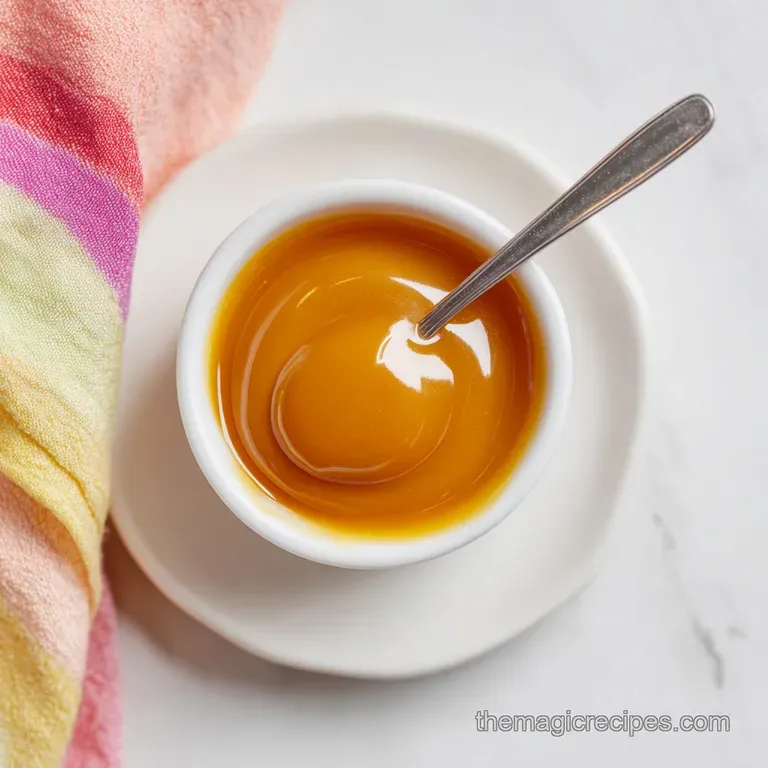
- Time: Active 10 minutes, Passive 5 minutes, Total 15 minutes
- Flavor/Texture Hook: Buttery, mahogany colored silk with a salty finish
- Perfect for: Weekend indulgence, gifting, or topping artisan ice cream
- Create the Easy Homemade Caramel Sauce Recipe
- Why This Decadent Sauce Works
- Decadent Components for Silky Results
- Simple Ingredients for Bakery Quality Results
- Essential Tools for Liquid Gold
- Mastering the Perfect Amber Caramelization
- Fixing Common Sugar Work Mistakes
- Creative Twists for Indulgent Flavors
- Storing Your Rich Velvet Topping
- Best Ways to Enjoy Caramel
- Myths Regarding Sugar Work
- FAQ
- Recipe FAQs
- 📝 Recipe Card
Create the Easy Homemade Caramel Sauce Recipe
Forget everything you have ever been told about caramel being a terrifying kitchen monster that requires a PhD and a specialized candy thermometer. There is a common myth floating around that you need industrial grade equipment or an hour of your life to make a decent sauce, but it is just not true.
Honestly, once you see how easy it is to melt sugar into a deep, mahogany pool of flavor, you will never look at those plastic squeeze bottles in the grocery store the same way again.
I remember the first time I tried this. I was so nervous about "burning" the sugar that I pulled it off the heat when it was still a pale, sickly yellow. It tasted like sweet nothing. The magic happens when you let it go just a few seconds longer than feels safe.
That sizzle when the cream hits the hot sugar is the most satisfying sound in the kitchen. It is a moment of pure drama that results in the most indulgent topping you can imagine.
This recipe is all about that contrast between the sharp, bitter notes of dark toasted sugar and the mellow, creamy luxury of grass fed butter. We are aiming for a texture that is thick enough to coat a spoon but fluid enough to ribbon over a warm brownie.
You do not need a thermometer, you just need your eyes, your nose, and about fifteen minutes of focus. Let's get into how we make this happen without a single grainy crystal in sight.
Why This Decadent Sauce Works
The beauty of this method lies in what I call the "acidic safety net." By adding a tiny bit of lemon juice at the start, we are actually changing the way the sugar molecules behave. Instead of wanting to huddle together and form crunchy rocks (crystallization), the acid encourages them to stay smooth and fluid.
It is a little trick that makes the whole process much more forgiving for us home cooks who might be multitasking.
Acidic Stabilization: Lemon juice breaks down sucrose into glucose and fructose, which prevents the sugar from recrystallizing during the boiling process.
Thermal Carryover Control: Removing the pan from the heat just before it reaches its darkest point ensures the residual heat finishes the job without scorching the delicate flavors.
Fat Emulsification: Adding room temperature cream and butter at the end creates a stable emulsion that keeps the sauce from separating into an oily mess once it cools.
| Thickness | Internal Temp | Rest Time | Visual Cue |
|---|---|---|---|
| Thin/Pourable | 225°F | 2 mins | Pale gold, watery bubbles |
| Traditional Sauce | 230°F | 5 mins | Deep amber, slow bubbles |
| Thick Toffee Style | 240°F | 10 mins | Mahogany red, thick foam |
Getting the temperature right without a thermometer is actually quite intuitive once you know what to look for. The sugar will transition from a clear liquid to a champagne color, then to a honey tone, and finally to that "old penny" mahogany we are looking for. If you pull it too early, you lose the complexity.
If you wait too long, it turns bitter. It is all about catching it right at that peak of aromatic intensity.
Decadent Components for Silky Results
Every single ingredient in this list has a specific job to do. We are not just tossing things in a pot; we are building layers of flavor. Using organic cane sugar gives us a slightly more complex base than standard white sugar, while the grass fed butter adds a depth that makes the sauce feel incredibly premium.
| Ingredient | Science Role | Pro Secret |
|---|---|---|
| Granulated Sugar | Structural Base | Use organic cane sugar for a deeper, more toasted flavor profile. |
| Heavy Whipping Cream | Emulsifier | Ensure it is room temperature to prevent the sugar from seizing into a hard lump. |
| Unsalted Butter | Texture/Gloss | Cold butter can break the emulsion; use room temp cubes for a velvety finish. |
| Lemon Juice | Crystal Inhibitor | The acid prevents the sugar from "re grouping" into grainy bits. |
The heavy cream is the heavy lifter here. It provides the fat necessary to stop the sugar from turning into a hard candy. When you pour it in, the temperature difference causes a massive release of steam. This is why we use room temperature cream.
If you use cold cream straight from the fridge, the thermal shock is so great that the sugar can instantly solidify into a "sugar bone" that takes ages to melt back down.
Simple Ingredients for Bakery Quality Results
You probably have almost everything you need in your pantry right now. The key is quality. Since there are so few components, you will really taste the difference if you use a high-quality vanilla or a really good flaky salt.
- Organic Granulated Cane Sugar (1 cup): The soul of the sauce. Why this? Provides the clean sweetness needed for a clear, controlled caramelization process.
- Filtered Water (1/4 cup): Helps the sugar melt evenly. Why this? Prevents localized hot spots that can burn the sugar before it all melts.
- Lemon Juice (1 tsp): Your insurance policy. Why this? Acts as a doctoring agent to prevent graininess.
- Heavy Whipping Cream (3/4 cup): Must be room temp. Why this? Creates the characteristic "sauce" consistency and adds rich dairy notes.
- Unsalted Grass Fed Butter (4 tbsp): Cubed for easy melting. Why this? Adds a professional shine and a rounded, savory mouthfeel.
- Pure Vanilla Extract (1 tsp): For aromatic depth. Why this? Bridges the gap between the bitter sugar and the sweet cream.
- Flaky Sea Salt (1/2 tsp): The flavor balancer. Why this? Cuts through the sugar and makes the caramel taste "grown up."
For the sugar, you can swap the granulated cane sugar for standard white sugar if that is what you have. It works perfectly fine, though you might notice the color changes a bit faster.
If you find yourself out of heavy cream, you can use full fat coconut milk for a tropical twist, but be aware it will add a distinct coconut flavor and won't be quite as thick.
| Original Ingredient | Substitute | Why It Works |
|---|---|---|
| Heavy Whipping Cream | Full fat Coconut Milk | Similar fat content. Note: Adds coconut flavor and a slightly thinner texture. |
| Unsalted Butter | Salted Butter | Adds the same fat. Note: Reduce the added flaky salt by half to compensate. |
| Lemon Juice | Cream of Tartar (1/8 tsp) | Both are acidic. Note: Cream of tartar is a more concentrated stabilizer. |
Essential Tools for Liquid Gold
You do not need much, but a heavy bottomed saucepan is non negotiable. Thin pans have "hot spots" that will burn your sugar in one corner while the rest is still raw. A 2 quart stainless steel pot is my absolute favorite for this.
Avoid non stick pans if you can, as it is much harder to see the color of the sugar against a dark coating.
A long handled whisk is also vital. When you add the cream, the mixture will bubble up aggressively. You want your hand as far away from that steam as possible. I once tried using a short fork because my whisk was in the dishwasher, and let's just say my knuckles were not happy with the steam bath. If you are looking to branch out into other toppings, you might also want to try this sticky toffee caramel apple recipe which uses a similar sugar melting technique.
Chef's Tip: If you are worried about crystals, keep a small pastry brush and a cup of water nearby. If sugar splashes onto the sides of the pot, brush it down with a damp brush to dissolve it before it can trigger a chain reaction.
Mastering the Perfect Amber Caramelization
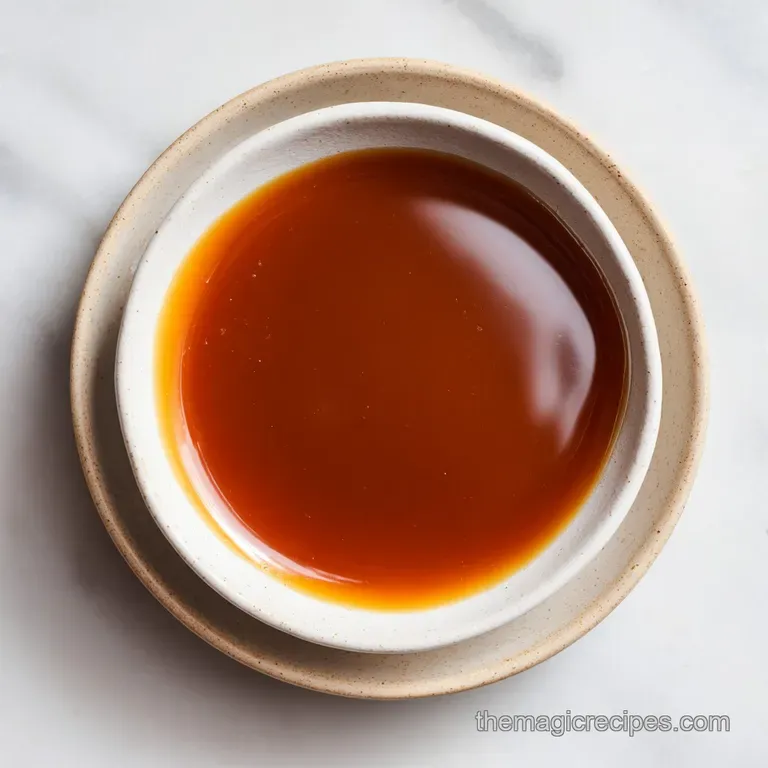
This process moves slowly at first and then very, very fast. Stay focused and do not walk away to check your phone. The difference between a "perfect" sauce and a "burnt" one is literally about thirty seconds.
- Dissolve the sugar. Combine 1 cup sugar, 1/4 cup water, and 1 tsp lemon juice in your saucepan. Stir over medium heat until the grains completely disappear.
- Cease all stirring. Once it is liquid and clear, put the spoon away. Note: Stirring at this stage introduces air and can cause the sugar to crystallize into a gritty mess.
- Monitor the bubbles. Let the mixture simmer undisturbed. It will transition from large, watery bubbles to smaller, more viscous ones.
- Watch the color. Look for the transition from clear to pale gold, then to a rich honey. Stop when it reaches a deep mahogany amber.
- Remove from heat. The moment it smells nutty and looks like a copper penny, take it off the burner. Note: The pan is still incredibly hot and will continue cooking the sugar.
- Incorporate the cream. Slowly pour in the 3/4 cup heavy cream while whisking constantly. Expect a rapid, violent bubbling.
- Emulsify the butter. Add the 4 tbsp of cubed butter one piece at a time, whisking until the sauce looks glossy and smooth.
- Season and finish. Whisk in the 1 tsp vanilla and 1/2 tsp flaky sea salt until fully integrated and velvety.
- Cool and thicken. Transfer the sauce to a glass jar. It will be thin while hot but will thicken significantly as it reaches room temperature.
The "doneness" cue is all in the nose. It should smell like toasted marshmallows and browned butter. If it starts to smell like smoke or acrid charcoal, you have gone too far. If you are feeling adventurous and want a deeper, more savory version of this, you should check out this salted caramel sauce recipe which uses the brown butter method for an even more intense flavor profile.
Fixing Common Sugar Work Mistakes
If things go wrong, do not panic. Most caramel "disasters" are actually fixable if you catch them early enough. The most common issue is crystallization, which happens when a single grain of undissolved sugar falls back into the melting syrup and tells all the other sugar molecules to turn back into crystals.
Fixing Granular Sugar Crystals
If your sauce feels like sand on your tongue, it has crystallized. This usually happens because the sides of the pot weren't clean or the mixture was stirred too much during the boiling phase.
To fix this, add a tablespoon of water and gently reheat the sauce over low heat, stirring constantly until the crystals melt back down. You might need to add a tiny bit more lemon juice to keep them from coming back.
Repairing a Broken Greasy Sauce
Sometimes, if the cream is added too fast or the butter is too cold, the fat will separate and float on top. This looks oily and unappetizing. To fix a broken emulsion, whisk in a tablespoon of very hot heavy cream or water, one teaspoon at a time, while the sauce is warm.
The extra liquid helps the fat bind back to the sugar.
| Problem | Root Cause | Solution |
|---|---|---|
| Gritty Texture | Stirring during boil | Reheat with 1 tbsp water and 1/2 tsp lemon juice. |
| Hard "Sugar Bone" | Cold cream addition | Simmer on low heat until the lump dissolves slowly. |
| Thin/Watery Sauce | Under cooked sugar | Simmer for 2-3 extra mins after adding cream. |
Common Mistakes Checklist
- ✓ Never stir the sugar once it starts boiling (prevents crystallization).
- ✓ Ensure the heavy cream is at room temperature before adding (prevents seizing).
- ✓ Use a larger pot than you think you need (prevents overflow during the bubble up).
- ✓ Keep a bowl of ice water nearby just in case of splatters (sugar burns are serious).
- ✓ Don't skip the salt; it is essential for balancing the intense sweetness.
Creative Twists for Indulgent Flavors
Scaling this recipe is fairly straightforward, but you have to be careful with the heat. If you double the recipe, the sugar will take much longer to melt, and the "window" of perfect amber color will be slightly wider.
However, I usually recommend making it in the standard batch size unless you have a very large, heavy pot, as the volume of the "bubble up" can be unpredictable.
Batch Adjustments
If you want to cut the recipe in half, use a smaller 1 quart saucepan. Be very diligent because half a cup of sugar will turn from amber to burnt in the blink of an eye. For doubling, use a 4 quart pot and increase the salt to 3/4 tsp rather than a full teaspoon to keep the balance right.
The Infused Adult Version
You can take this base and turn it into something truly sophisticated. Try whisking in 1 tablespoon of bourbon or dark rum at the very end with the vanilla. The alcohol adds a beautiful warmth that cuts through the richness.
Alternatively, steep a sprig of rosemary or a few dried lavender buds in the heavy cream while you bring it to room temperature, then strain them out before adding the cream to the sugar. It creates a botanical caramel that is incredible over poached pears.
Storing Your Rich Velvet Topping
Once your sauce has cooled to room temperature, it is ready for storage. It will stay fresh in an airtight glass jar in the refrigerator for up to 2 weeks. Because of the high butter content, it will become quite firm almost the texture of cold peanut butter when chilled.
To use it, simply spoon out what you need and microwave it in 10 second bursts, or set the whole jar in a bowl of hot water for a few minutes.
You can actually freeze this caramel too! Put it in a freezer safe container (leave some headspace for expansion) and it will keep for up to 3 months. To thaw, just leave it in the fridge overnight.
For a zero waste tip: if you have just a tiny bit of caramel left at the bottom of the jar that you can't scrape out, pour some hot coffee or steaming milk directly into the jar, give it a good shake, and enjoy an instant caramel latte.
Best Ways to Enjoy Caramel
This sauce is the ultimate multi tasker. While it is iconic on vanilla bean ice cream, it also serves as a fantastic dip for crisp Granny Smith apples. The tartness of the apple is the perfect foil for the decadent, buttery sugar.
If you are a fan of that salty sweet combo, try drizzling it over freshly popped popcorn or using it as a filling between two dark chocolate cookies.
One of my favorite ways to use a leftover jar is to drizzle it over a simple cheesecake or use it as a glaze for grilled peaches in the summer. It turns a basic fruit dessert into something that feels like it came out of a five star pastry kitchen. Just remember: a little goes a long way.
The intensity of homemade caramel is much higher than the store-bought stuff, so start with a small drizzle and build from there. Enjoy your liquid gold!
Myths Regarding Sugar Work
One of the biggest misconceptions is that you absolutely MUST have a candy thermometer to make a successful sauce. While thermometers are great for precision, they can actually be a distraction for beginners.
If the probe isn't hitting the right spot or if it's touching the bottom of the pan, you'll get a false reading. Learning to trust your eyes and nose is a far more valuable skill in the kitchen.
Another common myth is that "wet" caramel (sugar dissolved in water) is harder than "dry" caramel (sugar melted on its own). In reality, the wet method is much safer for beginners because the water helps the sugar melt evenly, reducing the risk of burning individual grains while others are still solid.
It takes a few minutes longer, but the result is much more consistent.
Finally, many people believe that you can't use salted butter. While unsalted gives you more control, using high-quality salted butter simply means you should taste the sauce before adding your flaky sea salt. It won't "ruin" the recipe; it just changes your seasoning starting point.
FAQ
What makes the caramel sauce grainy? Graininess is caused by sugar crystallization. This happens when undissolved sugar crystals on the side of the pot fall into the boiling syrup or when the mixture is stirred too much during the melting phase.
The lemon juice in this recipe acts as a stabilizer to prevent this, and using a damp pastry brush to clean the sides of the pot is a great preventive measure.
Can I make this caramel sauce without heavy cream? Yes, you can substitute the heavy cream with full fat coconut milk for a dairy-free version, though it will have a distinct coconut flavor. You can also use half and half, but the sauce will be significantly thinner and less rich.
Avoid using skim or low-fat milk, as they do not have enough fat to create a stable emulsion, and the sauce may break or remain watery.
How do I fix caramel that has become too hard in the fridge? Caramel naturally firms up when cold due to the butter and sugar content. Simply reheat the amount you need in the microwave for 10-15 seconds or place the jar in a bowl of warm water.
If the sauce is consistently too hard even at room temperature, it means the sugar was cooked slightly too long. You can fix this by reheating the sauce with a tablespoon or two of heavy cream to thin it out.
Why did my caramel sauce separate or look oily? Separation usually happens if there is a drastic temperature difference between the hot sugar and the cream/butter, or if the fat wasn't whisked in thoroughly. To fix a "broken" sauce, gently reheat it while whisking vigorously.
If that doesn't work, add a teaspoon of hot water or cream and continue whisking until the emulsion is restored and the sauce looks glossy.
Is it possible to make this recipe vegan? To make a vegan version, swap the heavy cream for full fat coconut milk and the butter for a high-quality vegan butter substitute or coconut oil. Note that the flavor profile will change, and coconut oil may result in a slightly greasier texture.
Use the same proportions and method, but be extra careful during the emulsification stage as plant based fats can be less stable than dairy.
Recipe FAQs
How to make a perfect caramel sauce?
Combine sugar, water, and lemon juice in a heavy bottomed 2-quart saucepan over medium heat. Stop stirring once the sugar dissolves to prevent crystallization, then wait for the mixture to reach a deep mahogany amber color before slowly whisking in the heavy cream and butter.
Is it true that boiling a can of condensed milk turns it into real caramel?
No, this is a common misconception. Boiling a can of condensed milk creates a product called dulce de leche, which lacks the complex nutty flavor and silky texture achieved by properly caramelizing raw sugar.
How to make caramel sauce with just sugar and milk?
Avoid using plain milk, as the recipe requires heavy whipping cream for stability. Using milk instead of heavy cream will prevent the sauce from emulsifying properly, resulting in a thin, gritty consistency rather than a rich, velvet topping.
How to make caramel syrup simple?
Simmer sugar, water, and lemon juice until the mixture transitions from clear to deep amber. If you enjoyed mastering this specific emulsification process, see how we use the same whisking method to create a stable creamy homemade dressing.
Can I stir the sugar while it is melting to make it go faster?
No, stop stirring completely once the sugar has dissolved. Agitating the sugar after it dissolves causes sugar crystals to form on the sides of the pan, which can make your final sauce grainy instead of smooth.
How to fix caramel that has become too firm in the refrigerator?
Microwave the sauce in 10-second bursts to return it to a pourable consistency. Alternatively, you can set your airtight glass jar into a bowl of hot water for a few minutes until the butter and sugar components loosen up.
Is it safe to freeze homemade caramel sauce for later use?
Homemade Caramel Sauce
Ingredients:
Instructions:
Nutrition Facts:
| Calories | 150 kcal |
|---|---|
| Protein | 0.3 g |
| Fat | 9.2 g |
| Carbs | 17.1 g |
| Fiber | 0 g |
| Sugar | 17.1 g |
| Sodium | 100 mg |
