Honey Mustard Chicken with Velvety Glaze
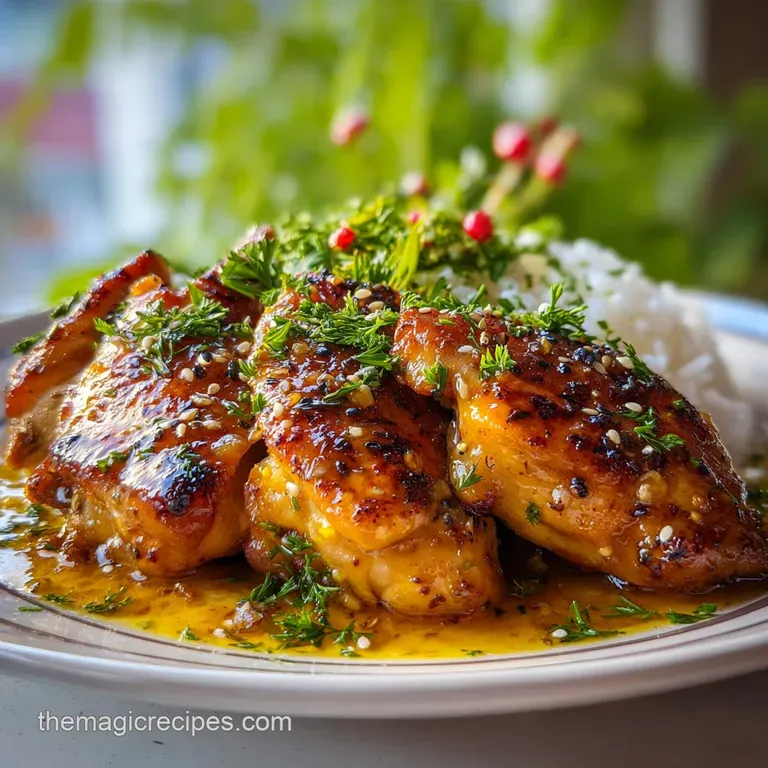
- Time: Active 10 mins, Passive 15 mins, Total 25 mins
- Flavor/Texture Hook: Tangy, velvety glaze with a succulent center
- Perfect for: High speed weeknight dinners and meal prep
- Quick Pan Seared Honey Mustard Chicken
- Why This Recipe Works
- Essential Recipe Success Metrics
- Sourcing Quality Chicken Ingredients
- Tools for the Perfect Sear
- Master the Pan Searing Method
- Solutions for Common Cooking Issues
- Creative Flavor and Diet Adaptations
- Storage and Smart Reheating Guide
- Best Side Dish Pairings
- Recipe FAQs
- 📝 Recipe Card
Quick Pan Seared Honey Mustard Chicken
I can still hear the sharp sizzle of the chicken hitting the hot oil from last Tuesday night. It was one of those days where the school run ran late, the emails wouldn't stop, and the "what's for dinner?" dread was setting in hard.
I had 400g of chicken breast sitting in the fridge and exactly twenty five minutes before the kids' hunger turned into a full blown mutiny.
This recipe is my absolute savior because it relies on pantry staples that actually do the heavy lifting for you. There is something so satisfying about watching a thin, watery mustard mixture transform into a thick, velvety glaze that clings to every inch of the meat.
It’s not just a meal, it's the recipe that proved to me that "fast" doesn't have to mean "boring."
We’ve all had that dry, rubbery chicken that's been drowned in a sugary bottled sauce, right? This isn't that. We’re going for a punchy, sophisticated flavor profile using two types of mustard and a hit of apple cider vinegar to cut through the honey.
It's a functional, reliable dish that makes you feel like you've actually got your life together, even when the laundry pile says otherwise.
Why This Recipe Works
- Maillard Mastery: Searing the chicken medallions at high heat creates a savory crust that provides a textural contrast to the soft glaze.
- Acid Balance: The apple cider vinegar breaks down the honey’s sugar chains, preventing the sauce from becoming cloying or overly sticky.
- Emulsification: Mustard acts as a natural emulsifier, binding the oil and honey into a smooth, cohesive coating that won't break in the pan.
- Carryover Control: Slicing the breast into medallions allows for rapid heat penetration while keeping the internal fibers succulent and moist.
The Chemistry of the Glaze
The secret to the sauce is the way the whole grain mustard seeds act as tiny flavor bombs while the Dijon provides a smooth, acidic base. When the honey hits the warm pan, it undergoes a light caramelization that deepens the color and intensity of the glaze almost instantly.
| Thickness | Internal Temp | Rest Time | Visual Cue |
|---|---|---|---|
| 1/2 inch | 165°F | 3 mins | Opaque center, juices run clear |
| 3/4 inch | 165°F | 5 mins | Firm to touch, golden exterior |
| 1 inch | 165°F | 6 mins | Deep amber crust, springy texture |
Providing these timing checkpoints ensures you never end up with a dry piece of protein. Since we are working with medallions, they cook much faster than a whole breast, so stay close to the stove.
Essential Recipe Success Metrics
| Component | Science Role | Pro Secret |
|---|---|---|
| Dijon Mustard | Acidic Tenderizer | Use a smooth variety for maximum surface coverage and tang. |
| Honey | Hygroscopic Glaze | Add this late to prevent the sugars from burning too quickly. |
| Apple Cider Vinegar | pH Balancer | This cuts the fat and sugar, brightening the overall flavor profile. |
| Garlic | Aromatic Depth | Mince finely to release sulfur compounds that deepen the savoriness. |
Using the right tools and ingredients makes a massive difference in the final outcome. For instance, while you can use any honey, a darker wildflower honey often adds a more complex floral note to the Honey Mustard Chicken.
Sourcing Quality Chicken Ingredients
- 400g chicken breasts: Sliced into medallions or butterflied. Why this? Increases surface area for the sauce to cling to.
- Substitute: Chicken thighs. Note: Higher fat content makes them more forgiving but increases cook time by 4 minutes.
- 3 tbsp honey: The primary sweetener. Why this? Provides the "stick" and the glossy finish.
- Substitute: Maple syrup. Note: Thinner consistency and adds a distinct woody flavor.
- 2 tbsp Dijon mustard: For sharp heat. Why this? Acts as the base of the emulsion.
- Substitute: Spicy brown mustard for a more rustic, textured heat.
- 1 tbsp whole grain mustard: For texture. Why this? The seeds provide a satisfying "pop" in every bite.
- Substitute: Extra Dijon if you prefer a perfectly smooth sauce.
- 1 tbsp apple cider vinegar: To cut the sweetness. Why this? The acidity balances the heavy sugars in the honey.
- Substitute: Lemon juice. Note: Adds a citrus note rather than a fermented tang.
- 1 tbsp extra virgin olive oil: For searing. Why this? Provides the fat needed for the Maillard reaction.
- Substitute: Avocado oil for a higher smoke point.
- 2 cloves garlic: Minced for aroma.
- 1/2 tsp smoked paprika: For a subtle earthy background.
- 1/2 tsp sea salt flakes & 1/4 tsp pepper: Essential seasoning.
- 1 sprig fresh rosemary or thyme: Added at the end for fresh aromatics.
If you are looking for a base to serve this with, my Honey Mustard recipe details how to make extra sauce for dipping or drizzling over greens.
Tools for the Perfect Sear
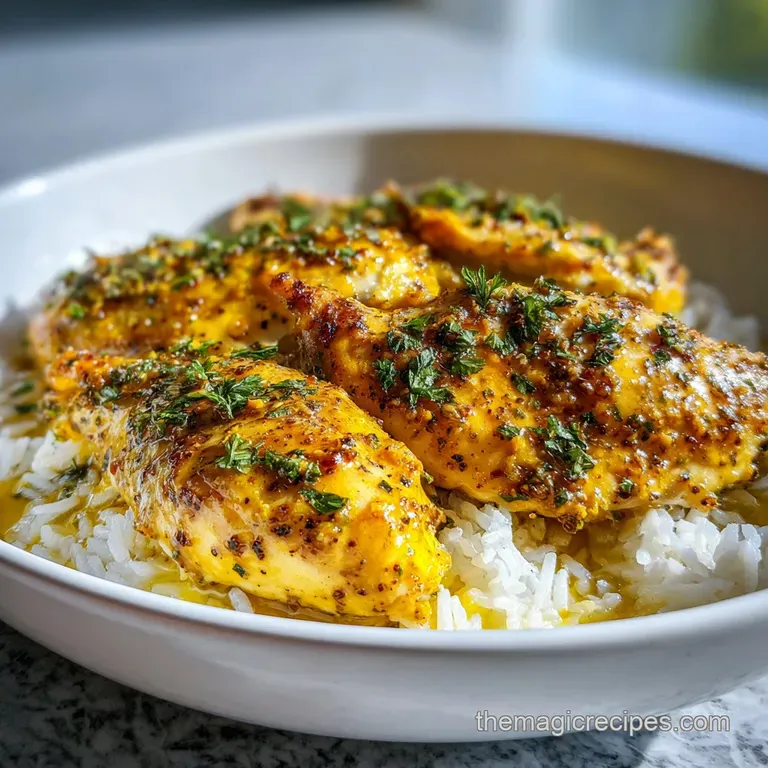
To get that restaurant quality finish, I highly recommend using a heavy bottomed skillet. A cast iron pan such as a Lodge is ideal because it retains heat beautifully, ensuring the chicken sears rather than steams.
If you use a thin non stick pan, you might find the honey burns before the chicken is cooked through because the heat distribution is uneven.
You’ll also want a good set of tongs. Flipping these medallions requires precision so you don't tear the delicate crust we’re trying to build. Honestly, don't even bother with a fork - you'll just pierce the meat and let those precious juices escape.
Master the Pan Searing Method
- Prep the chicken. Pat the 400g of chicken medallions completely dry with paper towels. Note: Moisture is the enemy of a good sear.
- Season thoroughly. Sprinkle the sea salt, pepper, and smoked paprika over both sides of the medallions.
- Whisk the sauce. In a small bowl, combine the honey, Dijon, whole grain mustard, and apple cider vinegar.
- Heat the pan. Add the olive oil to your skillet over medium high heat until the oil shimmers and barely wisps smoke.
- Sear the protein. Place the chicken in the pan, leaving space between pieces. Note: Overcrowding lowers the pan temp and causes steaming.
- Flip for color. Cook for 3 to 4 minutes per side until the exterior is golden and crackling.
- Sauté the aromatics. Lower the heat to medium and toss in the minced garlic. Stir for 30 seconds until fragrant but not brown.
- Glaze the meat. Pour the mustard mixture over the chicken. Note: The sauce will bubble and thicken almost instantly.
- Finish with herbs. Add the rosemary or thyme sprig and spoon the sauce over the chicken for 2 minutes until the glaze is velvety and thick.
- Rest the dish. Remove from heat and let the chicken sit for 3 minutes before serving to ensure the juices redistribute.
When working with Chicken Breast Recipes, the key is always in the temperature control. If the pan is too hot when the honey hits, it will turn bitter.
Solutions for Common Cooking Issues
One of the biggest frustrations I hear from friends is that their honey mustard chicken ends up "soupy" or the sauce just slides right off. This usually happens because there's too much water in the pan.
If you've washed your chicken (please don't!) or didn't pat it dry, that extra moisture prevents the mustard from emulsifying with the oil and rendered fats.
Why is my sauce too thin and runny?
This usually happens if the heat was too low or the chicken released too much liquid. The honey needs to reach a certain temperature to reduce and become sticky. If this happens, remove the chicken and turn the heat up to high for 60 seconds, whisking the sauce constantly until it tightens up.
Why does the honey taste burnt?
Honey has a low burn point. If your pan was screaming hot when you added the sauce, the sugars likely scorched. To avoid this, always drop the heat to medium before the liquid hits the pan. If it’s already burnt, there’s no saving the sauce - wipe the pan out and start the sauce portion again.
| Problem | Root Cause | Solution |
|---|---|---|
| Pale Chicken | Pan not hot enough | Wait for oil to shimmer before adding meat. |
| Toughened Meat | Overcooked | Check internal temp at 165°F; don't guess. |
| Gritty Sauce | Garlic burnt | Add garlic only in the last 30 seconds of searing. |
Common Mistakes Checklist
- ✓ Never skip patting the chicken dry; it’s the difference between "steamed" and "seared."
- ✓ Don't use "honey flavored syrup" - only 100% pure honey will give you that velvety reduction.
- ✓ Resist the urge to move the chicken for the first 3 minutes to allow the crust to form.
- ✓ Keep the garlic away from the direct heat for too long; it turns bitter if it goes beyond golden.
- ✓ Use room temperature chicken to ensure even cooking throughout the medallions.
Creative Flavor and Diet Adaptations
If you want to change things up, this recipe is surprisingly flexible. You can lean into a more "spiced" profile by doubling the smoked paprika or adding a pinch of cayenne. For those who want a bit more crunch, adding a tablespoon of toasted sesame seeds at the very end adds a lovely nuttiness that plays well with the honey.
| Original Ingredient | Substitute | Why It Works |
|---|---|---|
| Honey (3 tbsp) | Maple Syrup (3 tbsp) | Similar viscosity. Note: Adds a smokier, autumnal flavor profile. |
| Apple Cider Vinegar | Rice Vinegar | Mild acidity. Note: Better for an Asian inspired twist. |
| Whole Grain Mustard | Ground Mustard Powder | Concentrated flavor. Note: Lacks the texture of the seeds. |
If you have leftovers, they make an incredible filling for my Chicken Wraps recipe. The cold glaze acts almost like a spread, keeping the wrap moist and flavorful even the next day.
- For a spicy kick: Add 1 tsp of red pepper flakes to the mustard mixture.
- For a creamy version: Stir in 2 tbsp of heavy cream or full fat coconut milk at the very end.
- For the budget conscious: Use bone in, skin on thighs, but increase the roasting time in the oven.
Storage and Smart Reheating Guide
You can keep this Honey Mustard Chicken in the fridge for up to 3 days. I actually think the flavor settles and improves after a few hours, making it a great meal prep option. Store it in an airtight glass container to keep the glaze from drying out.
If you're freezing it, it will stay good for up to 2 months, though the texture of the mustard seeds might soften slightly.
To reheat, avoid the microwave if possible, as it tends to turn chicken into rubber. Instead, place the medallions in a small skillet with a splash of water or chicken broth. Cover the pan and heat on low for 5 minutes.
This creates steam that thins the glaze just enough to coat the meat again without overcooking the center.
For a zero waste tip, don't throw away that sprig of rosemary or the bits of glaze stuck to the pan. Toss in a handful of pre cooked greens or a bit of leftover rice to soak up all that concentrated honey mustard flavor. It's basically a "bonus" side dish.
Best Side Dish Pairings
When I'm in a rush, I usually just steam some broccoli or green beans right in the same pan after removing the chicken. The residual sauce is enough to season the veggies perfectly. If you have more time, a pile of garlic mashed potatoes is the ultimate vessel for catching every drop of that velvety mustard glaze.
- Roasted Root Vegetables: Carrots and parsnips mirror the sweetness of the honey.
- Quinoa or Farro: These nutty grains provide a great structural contrast to the succulent chicken.
- Fresh Arugula Salad: The peppery bite of arugula cuts through the richness of the Dijon and honey beautifully.
I've found that this dish also pairs naturally with a crisp white wine, like a Sauvignon Blanc, which has enough acidity to match the vinegar in the sauce. It's a simple way to make a 25 minute Tuesday dinner feel like something much more special.
Trust me, once you master the timing on this glaze, you'll be making it at least once a week. It's just that functional.
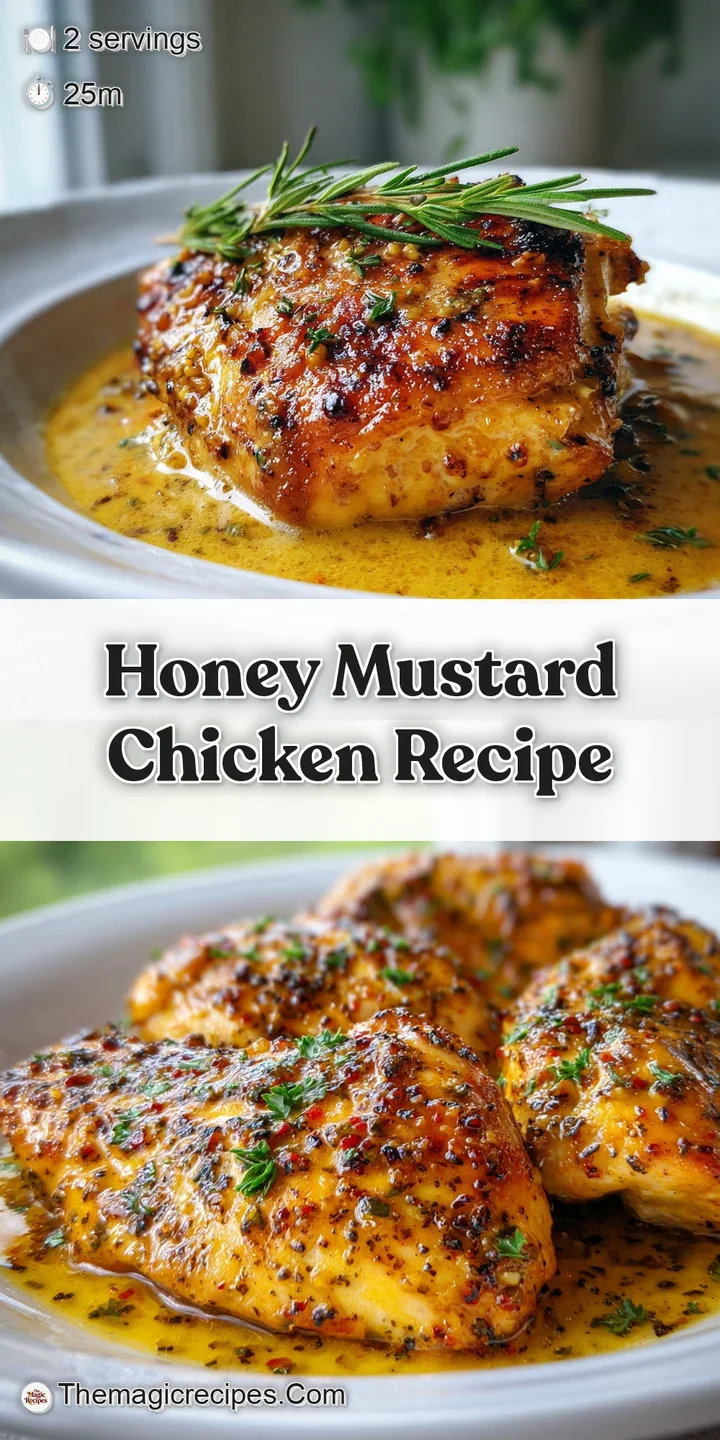
Recipe FAQs
What are the ingredients for tonight's honey mustard chicken?
Chicken, honey, Dijon mustard, whole grain mustard, apple cider vinegar, olive oil, garlic, salt, pepper, and a fresh herb like rosemary or thyme. These components create the essential balance between sweet, tart, and savory for the signature glaze.
What does honey mustard chicken contain?
It primarily contains chicken breast (often sliced into medallions) coated in a sauce made from honey, Dijon, and whole grain mustard. The acidity comes from apple cider vinegar, which helps emulsify the glaze beautifully.
Is honey mustard good for marinating chicken?
Yes, it is an excellent marinade base, but use it sparingly or brush it on late. The honey can cause the exterior to burn before the chicken cooks through due to high sugar content; the Dijon's acid helps tenderize, similar to the technique used in our High Protein Low recipe.
How do I make the honey mustard sauce for this chicken?
Whisk together the honey, Dijon mustard, whole grain mustard, and apple cider vinegar in a small bowl until smooth. This mixture should be poured over the chicken during the last few minutes of cooking so the sugars can reduce into a thick, velvety glaze without scorching.
Is it true that the mustard acts as an emulsifier in this glaze?
Yes, mustard is a powerful natural emulsifier that binds the oil and honey together. If you master the stable emulsion here, you can apply the same whisking principles to create dressings or thicker sauces, such as in our Sheet Pan Dinner recipe base.
My sauce is runny; how do I get it thick and clingy like a glaze?
Turn the heat up to high momentarily and whisk constantly until the sauce reduces rapidly. The sauce needs vigorous heat to evaporate the excess moisture and concentrate the sugars from the honey, creating that signature sticky texture.
What is the ideal internal temperature for honey mustard chicken medallions?
Remove the chicken from the heat when it reaches an internal temperature of 165°F (74°C). Since these are thinner medallions, they cook fast; always allow them to rest covered for three minutes so the juices redistribute and the temperature equalizes throughout the protein.
Honey Mustard Chicken Glaze
Ingredients:
Instructions:
Nutrition Facts:
| Calories | 421 kcal |
|---|---|
| Protein | 46 g |
| Fat | 14 g |
| Carbs | 28 g |
| Fiber | 1 g |
| Sugar | 26 g |
| Sodium | 785 mg |
