Korean Ground Beef Bowl with Gochujang
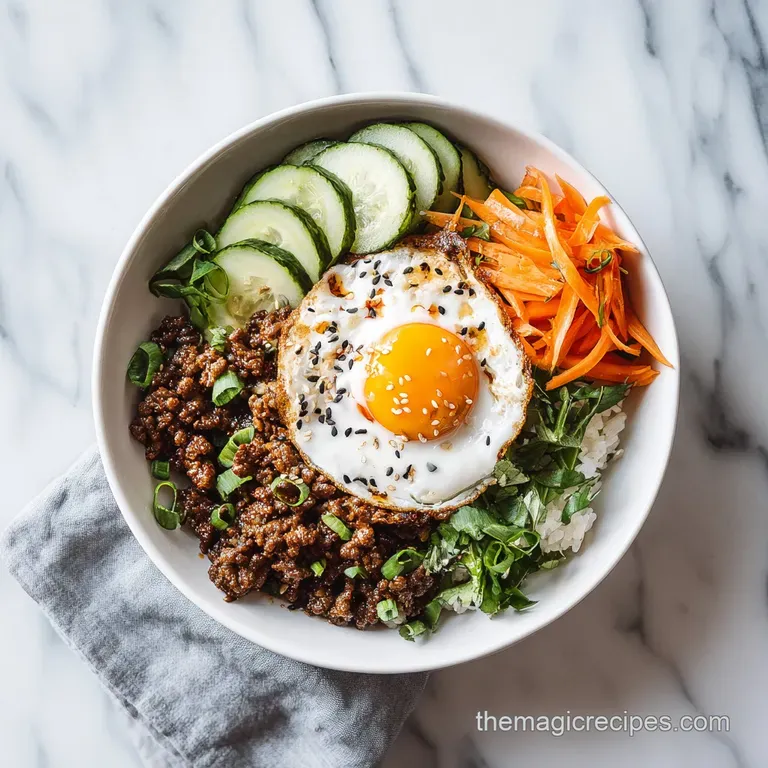
- Time: Active 10 minutes, Passive 10 minutes, Total 20 minutes
- Flavor/Texture Hook: Savory sweet glazed beef with a cooling cucumber crunch
- Perfect for: High speed weeknights or colorful meal prep sessions
- Mastering the Vibrant Korean Ground Beef Bowl
- The Physics of the Gochujang Glaze
- Component Analysis for Maximum Flavor
- The Alchemy of Selecting Your Elements
- Executing the 20 Minute Masterpiece
- Why Your Beef Might Struggle
- Adjusting for Different Crowd Sizes
- De bunking Kitchen Legends
- Storage and Sustainable Cooking
- The Art of the Color Balanced Bowl
- High in Sodium
- Recipe FAQs
- 📝 Recipe Card
Mastering the Vibrant Korean Ground Beef Bowl
The moment that 1 lb lean ground beef (90/10) hits the ripping hot cast iron, you know something special is happening. It’s that first sharp, rhythmic sizzle followed by the pungent, earthy aroma of 1 tbsp fresh ginger, grated, and 3 cloves garlic, minced, dancing in 1 tbsp toasted sesame oil.
I remember the first time I tried making this; I was skeptical that a "ground" version of bulgogi could actually hold its own against the thinly sliced ribeye versions I grew up eating in little corner spots in the city.
Honestly, the result blew my mind. It wasn’t just about the speed though 20 minutes start to finish is a massive win it was about that deep, brick red glaze that coats every single craggy bit of meat.
The way the 2 tbsp gochujang melts into the 2 tbsp honey creates this sticky, almost velvety coating that clings to the grains of 2 cups cooked jasmine rice. It’s a texture game just as much as a flavor one.
We've all been there with a "meh" dinner that feels more like a chore than a treat. This isn't that. This is the recipe I pull out when I want to feel like a chef without the three hour prep time.
We’re going to focus on getting that beef perfectly browned not steamed and balancing those vibrant colors so the bowl looks as good as it tastes. Trust me, once you see those orange matchstick carrots next to the cool green cucumbers, you'll never go back to boring meat and potatoes.
The Physics of the Gochujang Glaze
Maillard Maximization: High heat creates a complex chemical reaction between amino acids and reducing sugars, turning the beef from grey to a deep, savory brown. By letting the meat sit undisturbed for three minutes, we develop a crust that provides a much needed structural contrast to the soft rice.
Emulsified Heat: The 2 tbsp gochujang acts as both a flavor base and an emulsifier, binding the 1 tbsp toasted sesame oil and 2 tbsp honey into a cohesive, glossy lacquer.
This ensures the 1/4 cup low sodium soy sauce doesn't just pool at the bottom of the bowl but actually hugs every morsel of protein.
| Beef Thickness | Internal Temp | Rest Time | Visual Cue |
|---|---|---|---|
| Crumbled (0.5 inch) | 160°F | 2 minutes | No pink remains, edges are dark brown |
| Small Chunks | 165°F | 3 minutes | Exterior is crispy, center is firm |
| Large Clumps | 165°F | 5 minutes | Deep caramelization on all sides |
Cooking ground meat is often overlooked as "easy," but the difference between "grey and boiled" and "maillard rich" is all about patience and pan temperature. Much like making a Simple Mongolian Ground recipe, the goal is to drive off the moisture quickly so the searing can begin. If you see water pooling in the pan, your heat is too low or your pan is too crowded.
Component Analysis for Maximum Flavor
Selecting the right elements is the difference between a flat dish and one that sings. We aren't just throwing things in a pan; we're layering textures and temperatures.
| Ingredient | Science Role | Pro Secret |
|---|---|---|
| 1 lb Ground Beef (90/10) | Protein structure & fat carrier | Pat the meat dry with paper towels to ensure a "shatter crisp" exterior |
| 2 tbsp Gochujang | Fermented depth & thickener | Sauté the paste with the aromatics for 60 seconds to "wake up" the oils |
| 1 tbsp Rice Vinegar | Acid balance & brightness | Add this at the very end to cut through the richness of the sesame oil |
| 2 cups Jasmine Rice | Starch foundation | Use "day old" rice or rinse fresh rice five times to prevent a gummy texture |
Chef's Note: If you can't find gochujang at your local market, don't just use Sriracha. The fermented soybean base in gochujang provides a funky depth that vinegar based hot sauces lack. Look for the little red tub in the international aisle!
The Alchemy of Selecting Your Elements
When we talk about an authentic feeling Korean Style Ground Beef, it's all about the interplay of the pantry staples. You don't need a hundred ingredients, just these specific ones.
- 1 lb lean ground beef (90/10):Why this? Enough fat for flavor without leaving the rice bowl feeling greasy.
- Substitute: Ground turkey or chicken (add 1 tsp extra oil if using breast meat).
- 3 cloves garlic, minced:Why this? Provides the foundational aromatic punch that defines Korean savory dishes.
- Substitute: 1 tsp garlic powder (but fresh is vastly superior here).
- 1 tbsp fresh ginger, grated:Why this? Offers a sharp, citrusy heat that cuts through the beef fat.
- Substitute: 1/2 tsp ground ginger.
- 1/4 cup low sodium soy sauce:Why this? Provides salt and umami without overwhelming the other flavors.
- Substitute: Tamari for a gluten-free version or Liquid Aminos.
- 2 tbsp gochujang:Why this? The backbone of the flavor smoky, sweet, and spicy.
- Substitute: Red miso mixed with a pinch of cayenne and honey.
- 1 English cucumber, thinly sliced:Why this? Essential for temperature contrast against the hot beef.
- Substitute: Persian cucumbers or radishes for extra bite.
- 2 green onions, thinly sliced:Why this? Adds a fresh, peppery finish and a pop of green.
- Substitute: Chives or very finely diced red onion.
Executing the 20 Minute Masterpiece
- Prep the aromatics. Mince the 3 cloves garlic and grate the 1 tbsp fresh ginger. Note: Grating ginger creates a paste that dissolves better into the sauce.
- Searing the protein. Heat a large skillet over medium high. Add the 1 lb lean ground beef (90/10). Cook 5 minutes without stirring until a dark brown crust forms on the bottom.
- Break it up. Use a wooden spoon to crumble the meat into smaller bits. Cook until no pink remains.
- Infuse the fat. Push the meat to one side. Add the 1 tbsp toasted sesame oil, garlic, and ginger to the empty space. Sizzle for 30 seconds until the air smells like a steakhouse.
- Build the glaze. Stir in the 1/4 cup low sodium soy sauce, 2 tbsp gochujang, 2 tbsp honey, and 0.5 tsp crushed red pepper flakes. Note: The honey will bubble and thicken the sauce into a lacquer.
- Deglaze the pan. Add the 1 tbsp rice vinegar, scraping the bottom of the pan to release those flavor packed "fond" bits.
- Final coat. Toss everything together for 2 minutes until the sauce is glossy and the meat is dark and sticky.
- Prep the garden. While the meat rests for 2 minutes, slice the 1 English cucumber and prep the 1 cup matchstick carrots.
- Assemble the base. Divide the 2 cups cooked jasmine rice into four bowls.
- The Grand Finale. Spoon the beef over the rice. Arrange the cucumbers and carrots on the side. Top with 2 green onions and 1 tbsp toasted sesame seeds until the bowl looks like a professional photograph.
Why Your Beef Might Struggle
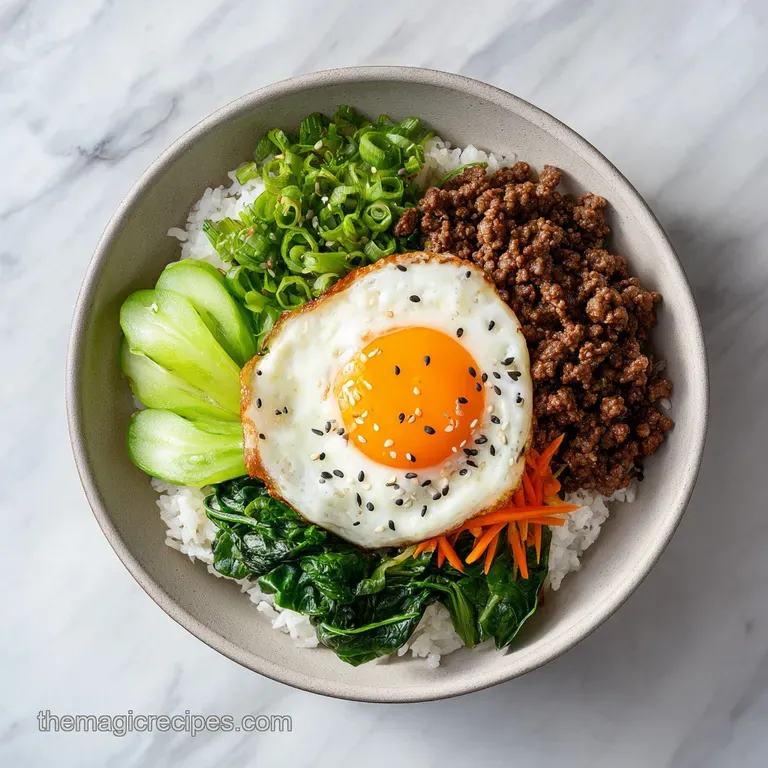
My Beef is Greasy and Grey
If the meat looks like it’s boiling in its own juices, your pan wasn't hot enough or you crowded the skillet. Ground meat contains a lot of water; if that water doesn't evaporate instantly upon contact with the pan, it pools and "steams" the meat. This leads to a rubbery texture and a dull color.
To fix this, always preheat your pan until the oil shimmers, and consider cooking the beef in two batches if your skillet is smaller than 12 inches.
| Problem | Root Cause | Solution |
|---|---|---|
| Sauce is too thin | Not enough reduction time | Simmer for 2 extra minutes until honey caramelizes |
| Dish is too salty | Regular soy sauce used | Add a splash of water or extra 1 tsp honey |
| Meat is dry/tough | Overcooked or too lean | Use 90/10 fat ratio and remove from heat immediately once glazed |
Common Mistakes Checklist
- ✓ Pat the ground beef dry before putting it in the pan to encourage browning.
- ✓ Don't stir the meat for the first 3-4 minutes; let that crust develop!
- ✓ Use a microplane for the ginger so you don't bite into a large woody chunk.
- ✓ Always use "low sodium" soy sauce the regular stuff will make this dish a salt bomb.
- ✓ Let the meat rest for 2 minutes after cooking to allow the juices to redistribute.
Adjusting for Different Crowd Sizes
If you're scaling this down for a solo lunch, the math is easy, but the physics change. Use a smaller pan (8 inch) so the sauce doesn't evaporate too quickly and burn. For the 1/2 batch, use 0.5 lb beef and half of all aromatics. If you're using an egg as a topper, just fry one up separately.
Scaling up for a party of eight? This is where people trip up. Do NOT double the liquids exactly. If you double the beef to 2 lbs, use only 1.5x the soy sauce and honey initially. You can always add more, but too much liquid in a large batch will prevent the meat from getting that "shatter crisp" edge we love. Work in two separate pans if possible to maintain that over high heat sear. It’s a bit like making a large batch of Beef and Noodles recipe — crowding is the enemy of texture.
| Item | Premium Option | Budget Alternative | Flavor Impact |
|---|---|---|---|
| Protein | Grass fed Wagyu | Standard 80/20 Beef | Budget is richer/greasier |
| Sweetener | Manuka Honey | Brown Sugar | Sugar adds more "crunch" |
| Acid | Aged Black Vinegar | White Vinegar | White is sharper, less complex |
De bunking Kitchen Legends
"You must marinate ground meat for flavor." This is actually a myth for this specific recipe. Because ground beef has so much surface area, the sauce coats every nook and cranny instantly. Marinating ground meat can actually break down the proteins too much, leading to a "mushy" texture.
Save the marinating for whole muscle cuts like flank steak.
"Gochujang is just Korean Ketchup." Not even close! Gochujang is a fermented product made from chili powder, glutinous rice, fermented soybeans, and salt. That fermentation provides a deep "funk" and umami that ketchup or Sriracha simply cannot replicate. It’s the difference between a fresh grape and a fine wine.
Storage and Sustainable Cooking
Storage Guidelines: Keep your leftovers in an airtight glass container in the fridge for up to 4 days. The flavors actually deepen overnight! To reheat, I recommend a quick toss in a hot skillet with a teaspoon of water to loosen the glaze.
Microwaving is fine (about 90 seconds), but you'll lose that slightly crispy edge on the beef. This recipe also freezes beautifully for up to 3 months. Just thaw in the fridge overnight before reheating.
Zero Waste Tips: Don't throw away those green onion roots! Put them in a small jar of water on your windowsill, and they’ll regrow in a week. If you have leftover cucumber scraps or the ends of the matchstick carrots, toss them into a jar with a bit of the rice vinegar and a pinch of sugar.
By the next day, you’ll have quick pickled snacks that are great on sandwiches. Even the ginger peel can be saved simmer it in water with a bit of honey for a soothing ginger tea.
The Art of the Color Balanced Bowl
A Ground Beef Bowl can easily look like a pile of brown mush if you aren't careful. We want to apply the "Color Balance" strategy to make this look like a $20 bistro meal. The secret is the "Triad of Accents."
- Vibrant Orange: The matchstick carrots provide a bright, linear contrast to the crumbles of beef. Add these fresh, never cooked, to keep that neon glow.
- Cool Green: The English cucumber slices and green onions provide a cooling visual (and physical) break from the spicy red beef. Place them in a distinct "sector" of the bowl rather than mixing them in.
- The Red Lacquer: Ensure your beef is well coated in the gochujang. If it looks brown, add another teaspoon of gochujang at the end. That deep brick red is the "signature" of this dish.
When you assemble, think of the bowl as a clock. Rice at the bottom, beef from 12 to 6, carrots from 6 to 9, and cucumbers from 9 to 12. Sprinkle the white sesame seeds specifically over the dark beef to make them pop. This isn't just about being "fancy" we eat with our eyes first, and those contrasting colors signal a variety of nutrients and textures to our brains. It’s much more satisfying than a monochromatic meal! For more ideas on balanced bowls, check out my Korean Beef Bowls recipe for different veggie variations.
Decisions for Your Bowl
- If you want a "Shatter Crisp" texture, sear the beef in a cast iron skillet and do not stir for the first 4 minutes.
- If you want a "Saucy/Velvety" finish, add 2 tablespoons of beef broth or water along with the soy sauce to create more volume.
- If you want a "Low Carb" version, swap the jasmine rice for cauliflower rice and use monk fruit sweetener instead of honey.

High in Sodium
925 mg mg of sodium per serving (40% % of daily value)
The American Heart Association recommends limiting sodium intake to about 2,300mg per day.
Tips to Reduce Sodium in This Recipe
-
Reduce Soy Sauce-20%
Use half the amount of low-sodium soy sauce (2 tablespoons instead of 1/4 cup) and adjust to taste. This will significantly reduce the sodium content.
-
Control Gochujang-15%
Use less gochujang, or opt for a lower sodium gochujang alternative if available. Gochujang can be a significant source of sodium.
-
Choose Very Lean Beef-5%
Opt for extra lean ground beef (95/5) if possible. While it won't drastically reduce sodium, it contributes to a healthier overall dish.
-
Rinse Cooked Rice-5%
Rinsing cooked jasmine rice after cooking removes excess starch and any residual sodium from the cooking process. This offers a small reduction.
-
Adjust Sweetness
Consider slightly increasing the honey to balance the flavors if you reduce the soy sauce and gochujang.
-
Flavor Boost
Enhance the flavors of the dish with fresh herbs and spices like black pepper, garlic powder (sodium free!), or a squeeze of lime juice. These add flavor without adding sodium.
Recipe FAQs
Can I substitute the gochujang with a different chili paste?
No, it is not a recommended substitution. Gochujang provides a unique fermented soybean base and deep umami that other pastes like Sriracha lack entirely.
How to ensure the ground beef sears instead of steams?
Preheat your pan until the oil shimmers before adding the meat. Ground meat releases moisture rapidly; a screaming hot pan ensures this moisture evaporates instantly, allowing the Maillard reaction to create a crust.
Is it true that marinating ground beef is necessary for flavor absorption?
No, this is a common misconception. Because ground meat has so much surface area, the sauce coats every piece instantly, so marinating can actually lead to a mushy texture if left too long.
How long can I safely store the leftover beef and sauce?
Up to 4 days in an airtight container in the refrigerator. The flavors actually deepen overnight, making this excellent for meal prepping; reheat quickly on the stovetop to restore the glaze.
How to balance the sweetness of the honey if the sauce tastes too cloying?
Stir in the rice vinegar at the very end of cooking. The acidity cuts through the fat and sweetness; if you need more punch, a splash of extra vinegar works well, much like balancing the broth in a 15 Minute Vegan recipe.
How to scale this recipe up for a larger dinner party without losing the sear?
Cook the meat in two separate batches using large pans. Do not simply double the liquids; reduce the added soy sauce and honey by about 25% initially, as excess liquid in a large batch will prevent proper searing.
What should I serve on the side to provide a cooling texture contrast?
Serve immediately with thinly sliced English cucumber and quick pickled carrots. These cool, crisp vegetables provide the necessary temperature and texture break from the hot, sticky, savory beef.
Korean Ground Beef Bowl Recipe
Ingredients:
Instructions:
Nutrition Facts:
| Calories | 418 kcal |
|---|---|
| Protein | 25.8 g |
| Fat | 13.2 g |
| Carbs | 48.6 g |
| Fiber | 2.8 g |
| Sugar | 14.4 g |
| Sodium | 925 mg |
