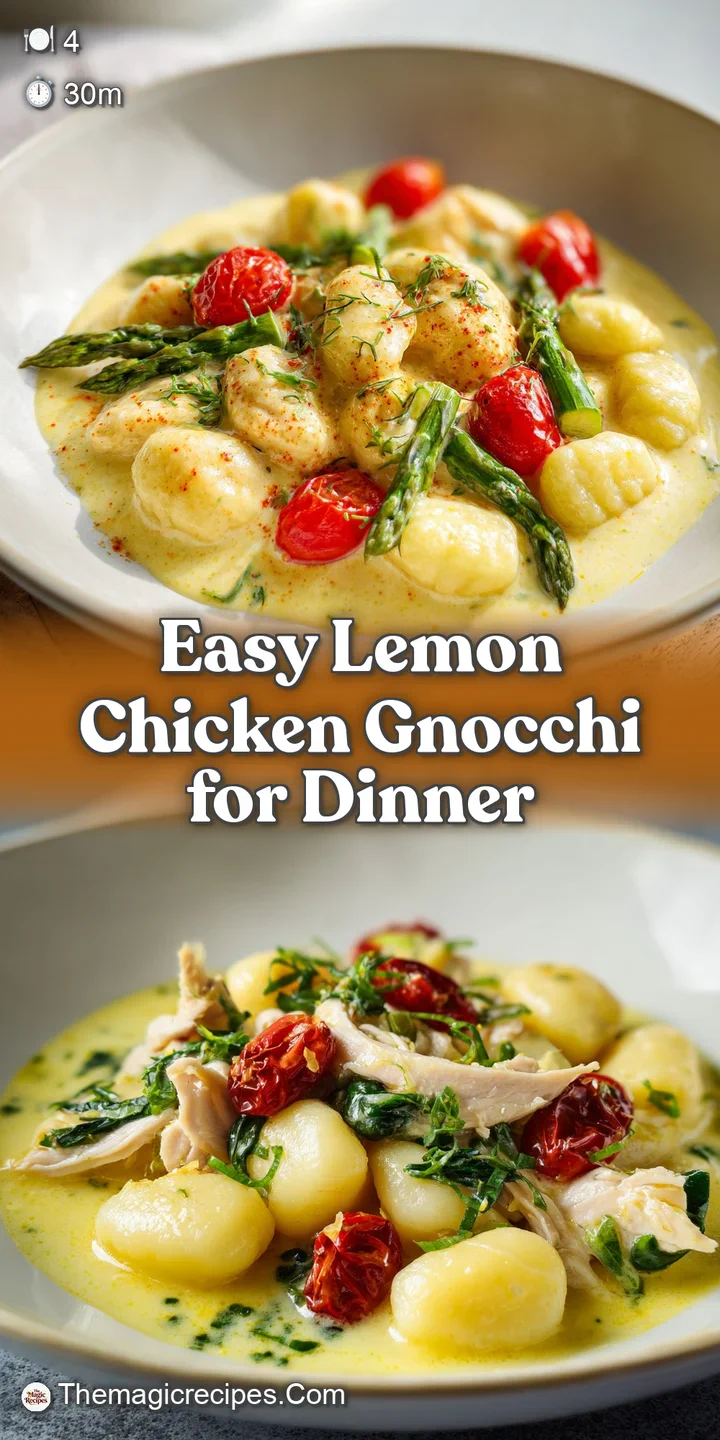
Lemon Chicken Gnocchi: 30 Minute Meal
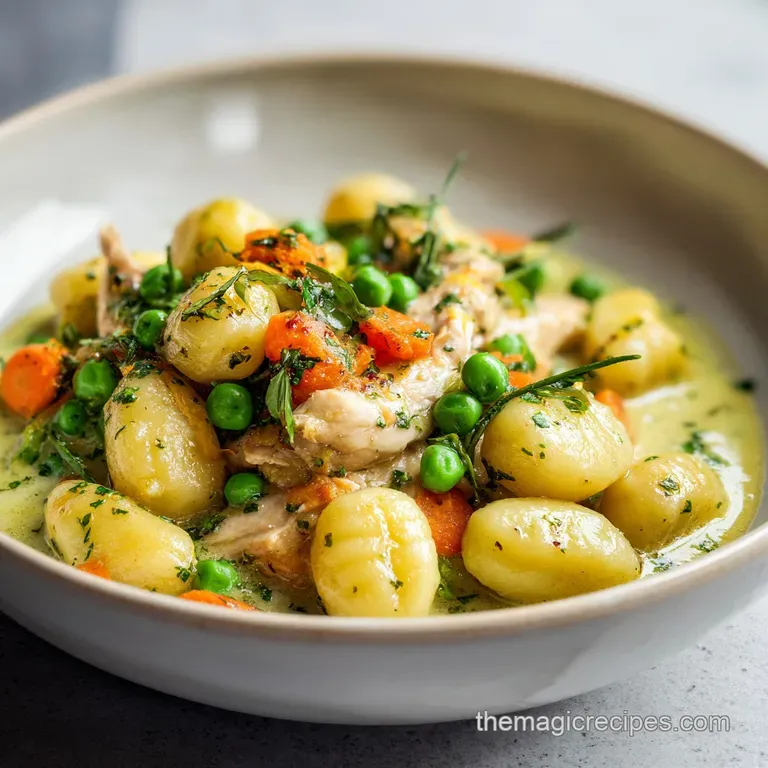
- Time: Active 10 mins, Passive 20 mins, Total 30 mins
- Flavor/Texture Hook: Tangy lemon paired with golden crisped gnocchi
- Perfect for: Busy weeknight dinners or a quick date night meal
- Master Your Lemon Chicken Gnocchi
- The Physics of the Pan Sear
- Evaluating Cooking Methods
- Key Ingredient Choices
- Selecting Quality Ingredients
- Best Kitchen Tools
- Steps for Cooking
- Solving Common Errors
- Adjusting Portions for Larger Crowds
- Busting Common Pasta Cooking Myths
- Storage and Prep Guidelines
- Elegant Plating Techniques
- High in Sodium (⚠️)
- Recipe FAQs
- 📝 Recipe Card
Master Your Lemon Chicken Gnocchi
Picture this: the kitchen is quiet except for the aggressive sizzle of chicken hitting a hot pan. That first puff of steam carries the aroma of garlic and toasted black pepper, instantly waking up your senses after a long day.
I used to think gnocchi always had to be boiled in a massive pot of salted water, but then I discovered the "dry sear" method. It changed everything. Instead of gummy, pale lumps, you get these little clouds with a shatter crisp exterior that holds onto the sauce like a dream.
We have all been there on a Tuesday night, staring at a pack of chicken and wondering how to make it interesting without spending two hours at the stove. This recipe is the answer. It is fast, it is reliable, and it uses ingredients you likely already have in your pantry.
We are going to skip the extra pots and pans, focusing instead on building layers of flavor right in one skillet. You will get that velvety creaminess you crave, balanced perfectly by the sharp hit of fresh lemon.
Trust me, once you see how the parmesan melts into the chicken broth and cream to create a glossy coating, you will never go back to the jarred stuff. This is about working smarter in the kitchen, using high heat to create texture and fresh aromatics to provide depth.
Let's crack on and get this on the table in under thirty minutes.
The Physics of the Pan Sear
Maillard Reaction: Searing the chicken at high heat creates hundreds of different flavor compounds that don't exist in boiled or poached meat. This provides the savory backbone for the entire dish.
Starch Retrogradation: Searing the gnocchi directly in the pan instead of boiling them allows the exterior starches to crisp up, preventing the interior from becoming mushy or gluey.
Emulsification Stability: The combination of parmesan cheese and heavy cream creates a stable fat in-water emulsion that thickens naturally as it simmers, clinging to the pasta.
Evaluating Cooking Methods
| Method | Time | Texture | Best For |
|---|---|---|---|
| Stovetop Skillet | 20 mins | Crispy edges, juicy chicken | Quick weeknight meals |
| oven-roasted | 35 mins | Even browning, softer gnocchi | Hands off preparation |
| Air Fryer | 15 mins | Ultra crunchy gnocchi | Small batches or snacks |
Choosing the stovetop method is generally superior for this specific dish because it allows you to control the reduction of the sauce. In the oven, you risk the cream breaking or the chicken drying out before the gnocchi reaches the right consistency.
Key Ingredient Choices
| Ingredient | Science Role | Pro Secret |
|---|---|---|
| Potato Gnocchi | Provides bulk and starch | Do not boil; sear dry for better texture |
| Heavy Cream | Acts as the emulsifier | Use full fat to prevent sauce curdling |
| Fresh Lemon | Balances fat with acidity | Zest first, then juice for maximum oil |
| Parmesan | Adds umami and thickness | Grate your own for a smoother melt |
The starch released from the gnocchi as they cook in the skillet actually helps thicken your sauce. This is why we don't rinse them or boil them beforehand. If you are looking for other fast poultry ideas, my Chicken Breast Recipes offer similar over high heat techniques.
Selecting Quality Ingredients
For this recipe, we are using 1.5 lbs boneless skinless chicken breasts, cut into 1 inch pieces. This size ensures the meat cooks quickly without losing its moisture. You will also need 1 lb potato gnocchi the shelf stable kind works perfectly here and is often cheaper than the refrigerated version.
- 1.5 lbs chicken breasts: Substitute with chicken thighs for more fat and flavor. Why this? Chicken breasts cook fast and stay lean for a weeknight meal.
- 1 lb potato gnocchi: Substitute with cauliflower gnocchi for a lower carb option. Why this? Potato gnocchi provides the traditional pillowy texture we want.
- 3/4 cup heavy cream: Substitute with full fat coconut milk for a dairy-free twist. Why this? High fat content ensures a velvety, stable sauce.
- 1/2 cup Parmesan cheese: Substitute with Pecorino Romano for a saltier, sharper bite. Why this? Parmesan melts into the sauce to create thickness.
- 1 large lemon: Substitute with 2 tbsp bottled lemon juice if fresh isn't available. Why this? Fresh zest provides essential oils that juice lacks.
- 2 cups fresh baby spinach: Substitute with chopped kale for more structure. Why this? Spinach wilts instantly into the hot sauce for easy greens.
- 1 small shallot: Substitute with half a yellow onion, finely diced. Why this? Shallots offer a delicate sweetness that won't overpower the lemon.
Best Kitchen Tools
You really only need a few basic tools to make this work. A large, heavy bottomed skillet is non negotiable I prefer a 12 inch cast iron or stainless steel pan. These materials hold heat much better than thin aluminum, which is essential for getting that golden sear on the chicken and gnocchi.
If the pan is too small, you will crowd the ingredients, causing them to steam rather than fry.
A microplane or fine grater is also vital for the lemon zest. You want those tiny bits of yellow peel to melt into the sauce without the bitter white pith. I also suggest having a sturdy spatula or tongs to flip the chicken pieces individually to ensure even browning.
If you happen to be making a larger batch, you might want to use a stand mixer such as KitchenAid to shred larger blocks of parmesan, though a hand grater works just fine for this amount.
Steps for Cooking
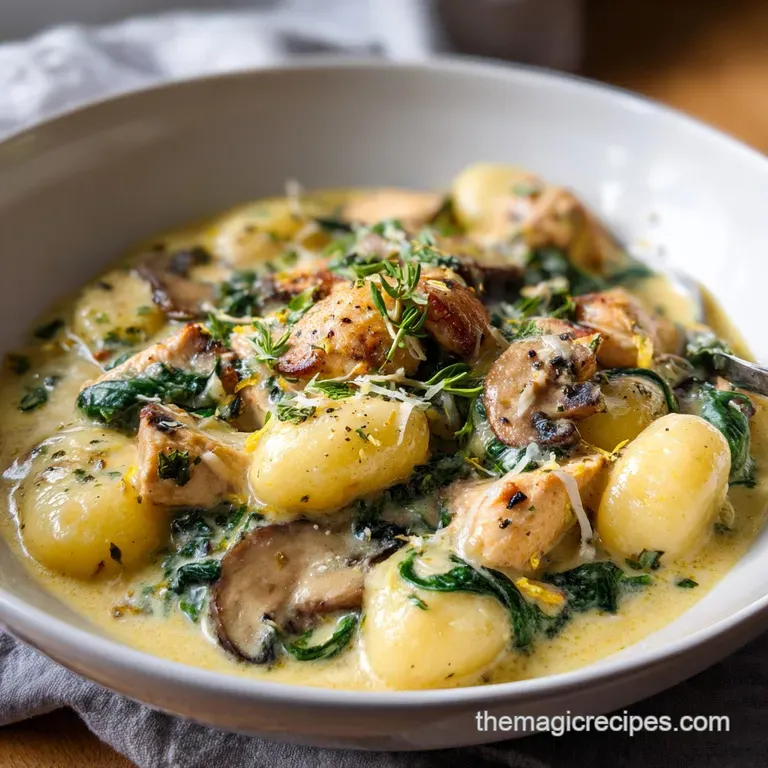
1. Achieving Golden Searing
Pat the 1.5 lbs of chicken pieces completely dry with paper towels. Season with 1 tsp kosher salt, 1/2 tsp black pepper, and 1/2 tsp garlic powder. Heat 2 tbsp olive oil in the skillet over medium high heat.
Add the chicken in a single layer and cook for 5 minutes until golden and crackling on all sides. Note: Drying the meat prevents steaming and ensures a crust.
2. Developing Flavor Foundations
Remove the chicken from the pan and set it aside. In the same skillet, add 1 tbsp unsalted butter. Toss in the 1 lb of gnocchi. Cook for 4 to 5 minutes, stirring occasionally, until the gnocchi skins turn golden brown and slightly puffed.
3. Sautéing Aromatics
Push the gnocchi to the edges of the pan. Add the diced shallot and 3 minced garlic cloves to the center. Cook for 1 minute until the aroma fills the kitchen and the shallots turn translucent. Sprinkle in 1 tsp dried oregano or thyme.
4. Simmering Cream Sauce
Pour in 1 cup chicken broth and 3/4 cup heavy cream. Use a wooden spoon to scrape up the brown bits from the bottom of the pan. This is pure flavor. Bring the liquid to a gentle simmer for 3 minutes until the sauce begins to thicken slightly.
5. Cooking Gnocchi Texture
Add the chicken and any accumulated juices back into the pan. Stir to combine with the gnocchi and sauce. Simmer for another 2 minutes to ensure the chicken is cooked through. The sauce should be glossy and coat the back of a spoon.
6. Adding Final Garnishes
Turn the heat to low. Stir in 1/2 cup grated parmesan and the juice and zest from the lemon. Add the 2 cups of baby spinach. Stir constantly for 1 minute until the spinach wilts into a deep green.
7. Finishing the Dish
Taste the sauce. You might need an extra pinch of salt depending on the saltiness of your broth and cheese. Top with 1 tbsp fresh chopped parsley before serving. The sauce will continue to thicken as it sits, so serve it immediately for the best texture.
Solving Common Errors
Resolving Sauce Separation
If your sauce looks oily or separated, it usually means the heat was too high after the cheese was added. Parmesan contains fat that can break away from the solids if boiled. To fix this, remove the pan from the heat and whisk in a tablespoon of cold chicken broth or water to bring the emulsion back together.
Improving Gnocchi Firmness
Mushy gnocchi often happens if they are boiled first or simmered in the sauce for too long. By searing them first, you create a protective barrier. If they still feel too soft, try reducing the liquid next time or increasing the initial searing time to create a thicker crust.
| Problem | Root Cause | Solution |
|---|---|---|
| Dry Chicken | Overcooked meat | Remove chicken at 160°F; carryover will hit 165°F |
| Bitter Sauce | Zested the white pith | Only grate the yellow part of the lemon peel |
| Thin Sauce | Not enough reduction | Simmer for 2 extra mins before adding cheese |
Chef's Tip: If you want a deeper flavor, add a splash of dry white wine to the pan after sautéing the garlic. Let it reduce by half before adding the chicken broth. This adds a sophisticated acidity that mimics high end bistro cooking.
Common Mistakes Checklist ✓ Never boil the gnocchi; pan frying is the secret to the texture. ✓ Pat the chicken dry to ensure a proper sear rather than a grey simmer. ✓ Use freshly grated parmesan; pre shredded cheese is coated in potato starch and won't melt smoothly.
✓ Add the lemon juice at the very end to keep the flavor bright and prevent the cream from curdling. ✓ Don't overcrowd the pan; if the chicken isn't browning, work in two batches.
Adjusting Portions for Larger Crowds
If you are scaling this recipe down for two people, simply halve all the ingredients. However, be careful with the cooking time. A smaller volume of liquid will reduce much faster, so keep an eye on the sauce to ensure it doesn't vanish.
You can beat one egg and use half if you were making a similar recipe that required a binder, but here, it is all about the ratios of cream to broth.
For doubling the recipe, do not just double the salt and spices immediately. Start with 1.5x the amount and adjust at the end. Use a very large wide skillet or two separate pans to ensure the chicken and gnocchi can still sear properly. If you crowd a double batch into one standard pan, everything will steam, and you will lose that signature texture. This meal is similar to the efficiency found in my Creamy Cajun Chicken recipe, where timing is everything.
Busting Common Pasta Cooking Myths
The biggest myth is that all pasta, including gnocchi, must be boiled in a large pot of water. For potato based dumplings, boiling often introduces too much moisture, leading to a heavy, sodden result.
Pan searing is a much more effective way to cook them because it preserves the integrity of the potato while adding flavor.
Another myth is that you should rinse your chicken before cooking. This actually spreads bacteria around your kitchen and makes the meat wet, which prevents it from browning. A simple pat with a paper towel is all you need for safety and better culinary results.
Finally, many believe that adding oil to pasta water prevents sticking. In reality, it just makes the pasta slippery so the sauce can't cling to it. In this one pan method, the oil is used for frying, not boiling, which is why the sauce sticks so well.
Storage and Prep Guidelines
Store any leftovers in an airtight container in the fridge for up to 3 days. When reheating, the gnocchi will have absorbed much of the sauce. I recommend adding a splash of milk or broth before microwaving or heating on the stove to loosen the sauce back up.
Freezing is not recommended for this specific dish, as the cream sauce can grain out and the gnocchi may become mushy upon thawing.
To reduce waste, save your lemon shells after juicing. You can toss them into a pot of simmering water with some cinnamon sticks to make your house smell incredible. If you have leftover spinach that is starting to wilt, blend it with some olive oil and garlic to make a quick pesto that you can dollop on top of the next night's dinner. For a different take on these flavors, you might also enjoy my Lemon Chicken Orzo recipe, which uses similar aromatics.
Elegant Plating Techniques
For a professional look, don't just scoop the gnocchi onto a plate. Use a wide, shallow bowl. Place a generous portion of the gnocchi and chicken in the center, then spoon the extra sauce around the edges. This keeps the tops of the gnocchi visible and crispy.
Finish with a high contrast garnish. The bright green of the fresh parsley and the pale yellow of the lemon zest look beautiful against the creamy white sauce. A final crack of fresh black pepper adds visual texture and a punch of flavor.
If you are feeling fancy, shave a few large curls of parmesan over the top using a vegetable peeler rather than just using the grated bits. It makes the dish look much more expensive than it actually is.
High in Sodium (⚠️)
945 mg 945 mg of sodium per serving (41% 41% of daily value)
The American Heart Association recommends limiting sodium intake to approximately 2,300mg per day.
Tips to Reduce Sodium in This Recipe
-
Low-Sodium Broth-30%
Replace regular chicken broth with low-sodium or no-sodium added chicken broth. This can significantly reduce the sodium content without sacrificing flavor.
-
Reduce Parmesan-15%
Parmesan cheese is high in sodium. Reduce the amount used from 1/2 cup to 1/4 cup, or substitute with a lower sodium cheese option, but be aware that lower sodium cheese may not melt as well.
-
Reduce Added Salt-15%
Reduce the amount of kosher salt used. Try using only 1/2 tsp of kosher salt instead of 1 tsp, and taste as you cook, adding more only if necessary.
-
Lemon Power-10%
Emphasize the lemon zest and juice in the recipe. The acidity brightens the flavors, potentially reducing the need for salt.
-
Fresh is Best
While garlic powder is used, ensure to use freshly minced garlic to its maximum potential, as well as shallots, to enhance the flavor.
-
Herb Power
Experiment with other fresh herbs, like basil, or increase the amount of oregano and parsley to boost flavor without adding sodium. Fresh herbs are best.
Recipe FAQs
Can I boil the gnocchi first instead of searing them dry?
No, this ruins the texture. Boiling them adds excessive moisture, leading to gummy, heavy dumplings.
How to prevent the heavy cream sauce from separating or curdling?
Remove the pan from the heat before adding cheese. Parmesan should be incorporated gently off the boil; high, direct heat causes the fat in the cream and cheese to break.
How to get the chicken extra crispy and flavorful?
Pat the chicken thoroughly dry and use medium high heat. A dry surface is essential for initiating the Maillard reaction, which creates deep savory flavor and crust.
How to tell if the gnocchi are cooked properly when pan-searing?
Cook until they are golden brown and appear slightly puffed. They should develop a crisp exterior crust, which seals in the soft, pillowy interior texture.
What is the best substitute for heavy cream in this recipe?
Use full fat coconut milk for a dairy-free alternative. You need high fat content to ensure the sauce emulsifies properly and doesn't become thin or watery.
How long can I store leftovers, and how do I reheat them?
Store for up to 3 days in an airtight container. Add a splash of broth or milk when reheating, as the gnocchi will absorb the sauce while cooling.
How can I make this recipe work if I want a lower carb option?
Substitute potato gnocchi with cauliflower gnocchi. Cauliflower versions sear well, though they may brown slightly faster than traditional potato dumplings, similar to the technique used in our Parmesan Spinach Gnocchi recipe.
Lemon Chicken Gnocchi Recipe
Ingredients:
Instructions:
Nutrition Facts:
| Calories | 768 calories |
|---|---|
| Protein | 54 g |
| Fat | 42 g |
| Carbs | 44 g |
| Fiber | 3.5 g |
| Sugar | 2.8 g |
| Sodium | 945 mg |
