Lemon Chicken Orzo: Silky One-Pan Meal
- Time: Active 10 minutes, Passive 20 minutes, Total 30 minutes
- Flavor/Texture Hook: Zesty, velvety, and savory
- Perfect for: Quick weeknight dinners or healthy meal prep
- The Best 30 Minute Lemon Chicken Orzo
- Why This One Pan Method Works
- Essential Recipe Specs and Comparisons
- Ingredient Deep Dive and Substitutions
- Essential Tools for Quick Success
- Step-by-Step Cooking Instructions
- Avoiding Common Kitchen Disasters
- Flavor Variations and Recipe Swaps
- Storage Tips and Reheating Guide
- Simple Sides and Serving Ideas
- High in Sodium
- Recipe FAQs
- 📝 Recipe Card
The Best 30 Minute Lemon Chicken Orzo
The first time I made this, I was staring at a half empty fridge on a Tuesday night, desperately trying to avoid the siren call of the takeout app. I had some chicken, a stray lemon rolling around the crisper drawer, and a box of orzo that had been sitting in the pantry for months.
I threw it all into one pan, praying for the best, and when that first hit of lemon zest sizzled in the hot oil, I knew I was onto something.
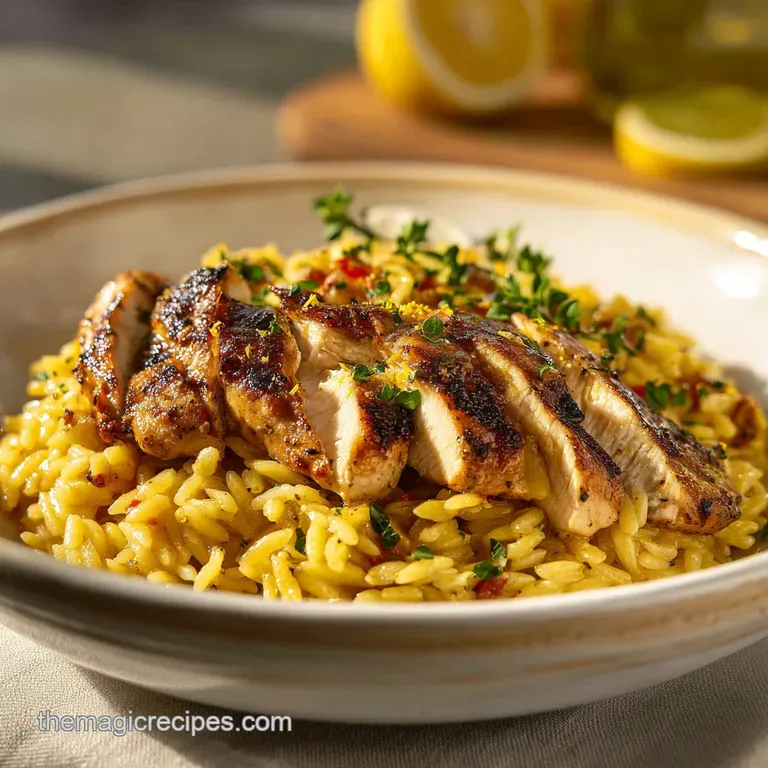
The aroma was incredible sharp, bright, and deeply savory. As the stock bubbled away and the orzo plumped up, it created this thick, glossy sauce that looked like I’d spent hours hovering over the stove.
My family polished off the entire skillet in record time, and I realized that the best meals don't require fancy techniques; they just need a little bit of science and a lot of heat. This Lemon Chicken Orzo has since become my "emergency" dinner that tastes like a weekend treat.
We've all been there, right? You want something that feels fresh and healthy but doesn't leave you with a mountain of dishes. This dish is the answer. It’s a one pan wonder where the pasta cooks directly in the chicken juices and stock, absorbing every ounce of flavor.
You get tender golden chicken, al dente pasta, and a sauce that’s velvety enough to make you double check if you accidentally added cream. Trust me, it’s all in the technique, and I’m going to show you exactly how it works.
Why This One Pan Method Works
- Starch Gelatinization: Cooking orzo directly in the chicken stock allows the pasta to release its starches into the liquid, creating a natural, velvety emulsion.
- Maillard Reaction: Searing the chicken pieces first at high heat creates a savory crust that deglazes into the sauce, adding deep "umami" notes.
- Acidic Brightness: The lemon juice acts as a surfactant, cutting through the richness of the butter and Parmesan to keep the flavors sharp.
- Carryover Cooking: Resting the dish for a few minutes allows the orzo to finish absorbing the liquid, preventing a watery consistency.
| Method | Time | Texture | Best For |
|---|---|---|---|
| One Pan Fast | 30 minutes | Velvety and unified | Weeknight efficiency |
| Classic Separated | 45 minutes | Lighter and distinct | Dinner parties |
| Oven Baked | 50 minutes | Soft and tender | Large family gatherings |
Cooking everything in one pan isn't just about saving time on the washing up. When you boil pasta in a huge pot of water, you’re literally pouring all that flavor down the drain. By using the exact amount of liquid needed, the orzo drinks up the seasoned chicken stock and the lemon juice.
It's a closed loop system where no flavor escapes, resulting in a much more intense citrus profile than traditional methods.
Essential Recipe Specs and Comparisons
To get this dish right every time, you need to hit a few specific markers. We aren't just "winging it" here; we’re looking for specific visual and thermal cues. The chicken needs to hit that golden brown color before the liquid goes in, and the orzo needs just enough room to expand without becoming a mushy clump.
Chef's Note: If your orzo looks too dry before the 15 minute mark, add extra stock 0.25 cup at a time. The pasta should be submerged but not drowning.
| Thickness | Internal Temp | Rest Time | Visual Cue |
|---|---|---|---|
| 1 inch pieces | 165°F | 3 minutes | No pink, golden crust |
| 1.5 inch pieces | 165°F | 5 minutes | Firm to the touch |
| Shredded (Pre cooked) | N/A | 0 minutes | Evenly coated in sauce |
Using the right temperature for searing is the difference between "steamed" chicken and "seared" chicken. You want that pan hot enough that the oil shimmers. If you drop the chicken in and it doesn't sizzle immediately, take it out and wait. That sizzle is the sound of moisture evaporating and flavor building. If you're looking for a slightly different flavor profile, you might also enjoy the earthy notes in this Chicken Mushroom Orzo recipe.
Ingredient Deep Dive and Substitutions
Choosing the right ingredients makes a huge difference in the final texture. For this Lemon Chicken Orzo, the "budget smart" move is using low sodium stock. This gives you total control over the salt levels, especially since we’re adding salty Parmesan at the end.
I’ve made the mistake of using full sodium broth before, and the result was nearly inedible once the liquid reduced.
| Ingredient | Science Role | Pro Secret |
|---|---|---|
| Dry Orzo | Primary Starch | Toast it in oil for 2 mins to prevent mushiness |
| Chicken Breast | Lean Protein | Pat dry with paper towels for a better sear |
| Fresh Lemons | Acid/Enzyme | Roll the lemon on the counter to break fibers before juicing |
| Parmesan | Emulsifier | Use a microplane for "snow like" cheese that melts instantly |
If you’re out of specific items, don't panic. This recipe is incredibly forgiving. If you don't have shallots, a small yellow onion works fine, though it’s slightly more pungent. I often swap the chicken breast for thighs if they’re on sale; they stay even juicier during the simmering phase. If you want a version with a bit more vegetable bulk, check out this Creamy Chicken Orzo recipe which uses tomatoes to add a different kind of acidity.
| Original Ingredient | Substitute | Why It Works |
|---|---|---|
| Shallots (1 medium) | Red Onion (0.25 cup) | Similar sweetness but a more aggressive bite |
| Chicken Stock (3 cups) | Vegetable Broth (3 cups) | Provides the same liquid volume. Note: Lacks the deep poultry fat flavor |
| Parmesan (0.5 cup) | Pecorino Romano (0.5 cup) | Higher salt content; adds a sharp, sheep's milk tang |
| Unsalted Butter (1 tbsp) | Ghee (1 tbsp) | High smoke point and adds a nutty, toasted aroma |
Essential Tools for Quick Success
You don't need a kitchen full of gadgets, but a wide, heavy bottomed skillet is non negotiable. I prefer a 12 inch cast iron or a stainless steel pan. The wide surface area allows the liquid to evaporate at the correct rate.
If your pan is too small, the orzo will be crowded and cook unevenly, leaving you with some crunchy bits and some mushy bits.
- 12 inch Skillet: Provides enough surface area for the 1.5 lbs of chicken to sear without steaming.
- Microplane Grater: Crucial for the lemon zest and Parmesan. You want fine particles that vanish into the sauce.
- Silicone Spatula: Best for scraping up the "fond" (the brown bits) from the bottom of the pan after deglazing.
- Citrus Press: Ensures you get every drop of juice from those 2 large lemons without the seeds.
If you only have a deep pot (like a Dutch oven), you can still make this work, but you'll need to stir more frequently to ensure the orzo at the bottom doesn't scorch. The goal is even heat distribution. I always recommend using a wooden spoon or silicone spatula to really get into the corners of the pan.
step-by-step Cooking Instructions
1. The Golden Sear
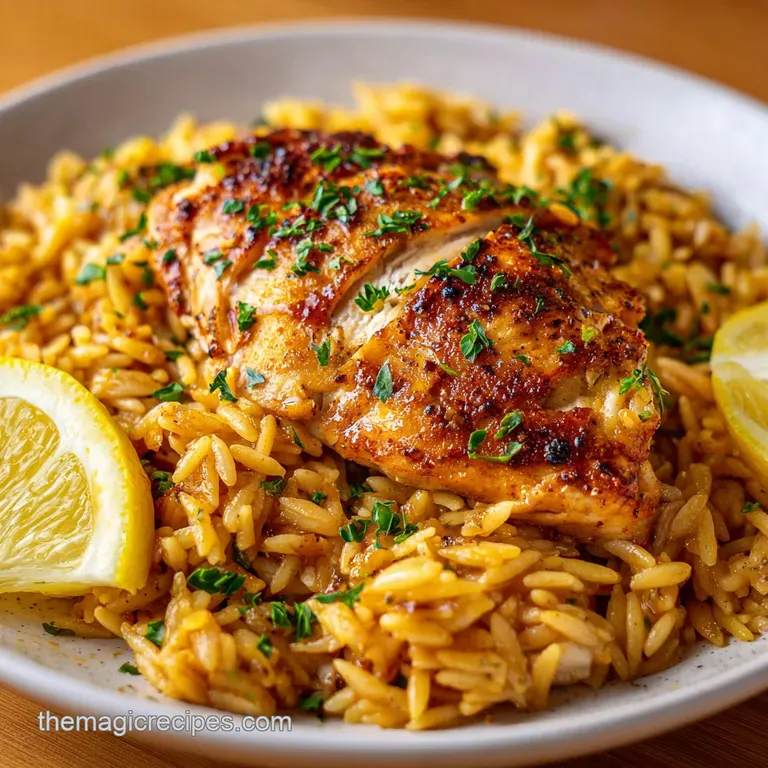
Season the 1.5 lbs chicken breast with 1 tsp salt and 0.5 tsp black pepper. Heat 1 tbsp olive oil in the skillet over medium high heat. Add the chicken in a single layer. Note: Overcrowding the pan will lower the temperature and cause the chicken to boil in its own juices instead of searing.
2. Developing Flavor
Cook the chicken for 5-6 minutes until golden and crackling on all sides. You aren't looking to cook it all the way through yet; we just want that beautiful crust. Remove the chicken to a plate and set it aside.
3. Sauté the Aromatics
Lower the heat to medium. In the same pan, add the finely minced shallot. Sauté for 2-3 minutes until translucent and fragrant. Add the 2 cloves of thinly sliced garlic and cook for 30 seconds more. Note: Garlic burns quickly, so keep it moving!
4. Toast the Orzo
Pour the 1.5 cups dry orzo directly into the pan with the aromatics. Stir constantly for 2 minutes until the pasta smells nutty and some grains turn a light tan color. This "toasting" step is a secret trick that prevents the pasta from getting gummy.
5. Deglaze and Simmer
Pour in 3 cups of chicken stock and the juice of 1 lemon. Use your spatula to scrape up all the brown bits from the bottom. Bring the mixture to a gentle boil, then reduce the heat to low.
6. The Long Soak
Add the seared chicken (and any juices from the plate) back into the skillet. Cover with a lid and simmer for 10-12 minutes until the liquid is mostly absorbed and the orzo is tender.
7. The Finishing Emulsion
Remove the pan from the heat. Stir in the zest of 2 lemons, the remaining lemon juice, 0.5 cup Parmesan, 0.25 cup chopped parsley, and 1 tbsp cold unsalted butter. Note: Adding cold butter at the end creates a glossy finish that binds the sauce together.
8. The Final Rest
Cover the pan and let it sit for 3 minutes. This allows the starch to set and the chicken to reach its final internal temperature of 165°F. Give it one last stir and serve immediately.
Avoiding Common Kitchen Disasters
The Gummy Pasta Pitfall
If your orzo turns into a sticky clump, it’s usually because it wasn't toasted or there was too much stirring early on. Stirring releases starch, which is good for the sauce, but too much makes it thick and gluey. Let the simmer do the work for you.
Overcooked, Rubbery Chicken
Cutting the chicken into uniform 1 inch pieces is the best way to avoid this. If the pieces are too small, they'll dry out before the orzo is done. If they're too large, the outside will be tough while the inside is raw. Stick to the 1 inch rule.
Bitter Aftertaste
This usually happens if you accidentally include the white "pith" of the lemon when zesting. The yellow part contains the oils; the white part is purely bitter. Use a light hand with your grater to only take the very top layer of the skin.
| Problem | Root Cause | Solution |
|---|---|---|
| Liquid won't absorb | Heat too low | Increase to a medium simmer and cook uncovered for 2 mins |
| Orzo is crunchy | Not enough liquid | Add 0.25 cup stock and cover for 3 more minutes |
| Bland flavor | Lack of acidity | Add an extra squeeze of lemon juice and a pinch of salt |
Common Mistakes Checklist ✓ Pat the chicken completely dry before it hits the pan to ensure a shatter crisp sear. ✓ Use a wide skillet to prevent the orzo from stacking and cooking unevenly. ✓ Don't skip the "toasting" phase; it creates a protective barrier on the pasta.
✓ Always use fresh lemon juice; the bottled stuff has a metallic tang that ruins the dish. ✓ Let the dish rest for 3-5 minutes before serving to let the sauce thicken naturally.
Flavor Variations and Recipe Swaps
The Greek Variation
Add 0.5 cup of halved Kalamata olives and 0.25 cup of crumbled feta cheese at the very end. The saltiness of the olives complements the lemon perfectly. This version feels more like a warm pasta salad and is great for lunch the next day.
The Green Garden Swap
Stir in two handfuls of baby spinach or frozen peas during the last 2 minutes of simmering. The heat from the orzo will wilt the spinach perfectly without making it slimy. It’s an easy way to sneak in some greens without changing the cooking flow.
The "Soup ified" Version
If you prefer a more liquid consistency, increase the chicken stock to 5 cups. This transforms the dish into a hearty lemon chicken orzo soup, similar to a Greek Avgolemono but without the tempered eggs. It's incredibly comforting when you're feeling under the weather.
- Decision Shortcut
- If you want X, do Y
- If you want it creamier
- Stir in 2 tbsp of Greek yogurt or heavy cream right before serving.
- If you want it spicy
- Add 0.5 tsp of red pepper flakes when sautéing the garlic.
- If you want it low carb
- Swap the orzo for cauliflower rice (reduce cooking time to 5 minutes).
Storage Tips and Reheating Guide
The orzo will continue to absorb liquid as it sits, so leftovers will be much thicker the next day. This is actually one of those rare dishes where the flavors meld and improve over 24 hours.
- Fridge: Store in an airtight container for up to 4 days.
- Freezer: I don't recommend freezing this dish. Orzo becomes very mushy and loses its structural integrity when thawed and reheated.
- Reheating: To bring back the velvety texture, add 1-2 tbsp of water or stock per serving before microwaving or heating on the stovetop. This "loosens" the starch and restores the sauce.
Zero Waste Tip: Don't throw away those squeezed lemon halves! Toss them into a jar of white vinegar for two weeks to make a natural, citrus scented kitchen cleaner, or drop them into your garbage disposal to freshen it up.
If you have leftover parsley stems, freeze them in a bag to use for your next homemade stock.
Simple Sides and Serving Ideas
Charred Broccolini
Since the stove is already occupied by the skillet, I love tossing some broccolini with olive oil and salt and roasting it at 400°F (200°C) for 12 minutes. The charred, slightly bitter tips of the broccolini provide a great textural contrast to the soft orzo.
Crusty Garlic Baguette
A piece of warm, crunchy bread is almost mandatory here to swipe up every last drop of that lemon parmesan sauce. If you want to stay budget friendly, just toast some plain bread and rub a raw garlic clove over the surface while it's still hot.
This Lemon Chicken Orzo really is the ultimate weeknight savior. It’s fast, it’s one pan, and it hits that perfect balance of comfort food and fresh, healthy eating. Once you master the "toast and simmer" technique, you’ll find yourself reaching for this recipe at least once a week. It just works.
Right then, let's get cooking!

High in Sodium
845 mg 845 mg of sodium per serving (37% 37% of daily value)
The American Heart Association recommends limiting sodium intake to about 2,300mg per day for optimal health.
Tips to Reduce Sodium in Your Lemon Orzo Chicken:
-
Broth Swap-30%
Use no-sodium chicken broth instead of low-sodium. This swap significantly reduces sodium content without compromising flavor.
-
Salt Reduction-25%
Reduce the amount of kosher salt added to the chicken. Try using 0.5 tsp instead of 1 tsp, and adjust to taste after cooking.
-
Parmesan Portion-15%
Reduce the amount of Parmesan cheese used in the recipe. Parmesan is high in sodium; try using 1/4 cup instead of 1/2 cup or opt for a low-sodium parmesan variety.
-
Lemon Boost-10%
Enhance the lemon flavor with more lemon zest and juice to compensate for less salt. The acidity will brighten the dish and provide depth.
-
Spice it Up!
Experiment with sodium free herbs and spices like garlic powder, onion powder, or paprika to enhance the flavor of your dish without adding sodium.
Recipe FAQs
Can I substitute chicken thighs for the breast?
Yes, chicken thighs work well. Thighs stay juicier during the simmering phase due to their higher fat content, though you may need to cook them slightly longer to reach a safe internal temperature.
How do I prevent the orzo from becoming gummy or mushy?
Toast the orzo in oil before adding liquid. Stirring constantly during the 2-minute toasting stage coats the pasta grains in fat, which prevents them from releasing too much starch too quickly.
How much lemon zest should I use for maximum flavor without bitterness?
Zest only the bright yellow outer layer. The white pith underneath contains the bitter compounds; use a microplane grater to ensure you only capture the aromatic oils.
How long should I sear the chicken pieces for the best crust?
Sear for 5 to 6 minutes on medium high heat. You are aiming for a deep golden brown, crackling crust; this step builds necessary flavor that deglazes into the final sauce.
How do I create a silky, creamy sauce without adding heavy cream?
Stir in cold butter and Parmesan off the heat. The combination of released orzo starch, the fat from the cold butter, and the grated cheese creates a beautiful, stable emulsion that mimics creaminess.
Can I make this ahead of time for meal prep?
Yes, but be prepared to rehydrate leftovers. The orzo absorbs all the liquid as it cools; reheat gently on the stovetop or microwave while adding a splash of stock or water to loosen the sauce.
What is the best way to incorporate vegetables into this one-pan dish?
Stir in spinach or frozen peas during the last 2 minutes of simmering. This timing allows them to heat through without overcooking, similar to how we incorporate greens into our Italian Sausage Orzo recipe.
Lemon Chicken Orzo Recipe

Ingredients:
Instructions:
Nutrition Facts:
| Calories | 571 kcal |
|---|---|
| Protein | 51.8 g |
| Fat | 13.8 g |
| Carbs | 58.9 g |
| Fiber | 2.4 g |
| Sugar | 2.1 g |
| Sodium | 845 mg |
