Lemon Dill Salmon Pasta: Quick and Creamy
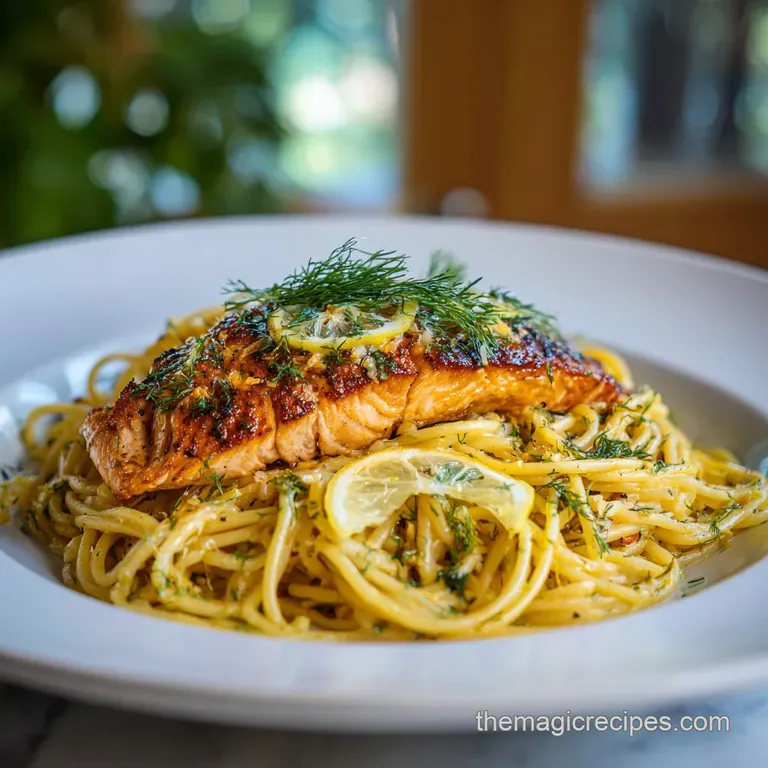
- Time: Active 10 minutes, Passive 10 minutes, Total 20 minutes
- Flavor/Texture Hook: Flaky, seared salmon paired with a velvety, zesty sauce.
- Perfect for: Busy weeknights where you want a high protein, restaurant style meal without the price tag.
- Create the Ultimate Lemon Dill Salmon Pasta
- The Science of the Emulsion
- Component Analysis for Peak Flavor
- The Functional Building Blocks
- Essential Tools for Pasta Success
- Mastering the Sequential Cooking Process
- Fixing Common Texture and Flavor Issues
- Scaling for Different Needs
- Debunking Common Kitchen Myths
- Storage Wisdom and Zero Waste
- Final Touches and Presentation Ideas
- Lemon Dill Salmon Pasta FAQs
- 📝 Recipe Card
Create the Ultimate Lemon Dill Salmon Pasta
The sizzle of salmon hitting the hot pan is easily my favorite sound in the kitchen. It’s that sharp, rhythmic crackle that lets you know the exterior is transforming into a golden, savory crust while the inside stays tender.
I first stumbled onto this combination during a frantic Tuesday evening when I had exactly twenty minutes before a meeting and a fridge that looked suspiciously empty. I grabbed a few sprigs of dill that were starting to wilt and a lemon, and what happened next was pure kitchen magic.
We’ve all been there starving, tired, but craving something that doesn't come out of a cardboard box. This recipe works because it relies on high impact aromatics like shallots and garlic to do the heavy lifting.
You don't need a pantry full of expensive spices when you have the bright, grassy punch of fresh dill and the acidic lift of lemon juice. It's a functional, family friendly win that feels way more expensive than it actually is, especially if you use some of my favorite budget conscious swaps.
The Science of the Emulsion
- Acidic Fat Cleaving: The lemon juice acts as a chemical foil to the heavy whipping cream, breaking down the perceived "heaviness" of the fats on your palate while tightening the sauce structure.
- Starch Water Bonding: Using reserved pasta water introduces loosened starches into the cream, which acts as a natural bridge between the oil in the butter and the water in the cream, preventing a greasy finish.
- Thermal Carryover: Cutting the salmon into 1 inch cubes increases surface area for the Maillard reaction (browning) while allowing the residual heat of the pasta to finish the cooking process gently, keeping the fish moist.
| Method | Total Time | Texture | Best For |
|---|---|---|---|
| Stovetop Sear | 20 minutes | Crispy edges, silky sauce | Busy weeknights |
| Baked Salmon | 30 minutes | Very tender, less mess | Large family batches |
| Smoked Salmon | 15 minutes | Silky, salty, cold prep | No cook salmon days |
Choosing the right method depends on your mood, but for the most texture, the stovetop sear is the way to go. It allows those salmon cubes to develop a bit of a "crunch" that contrasts beautifully with the soft linguine. If you're looking for other ways to use citrus in your rotation, you might find my Honey Lemon Chicken recipe equally satisfying for a quick dinner.
Component Analysis for Peak Flavor
| Ingredient | Science Role | Pro Secret |
|---|---|---|
| Fresh Salmon | Primary Protein | Freeze the fillet for 10 minutes before slicing to get those 1 inch cubes perfectly uniform. |
| Heavy Cream | Emulsion Base | Avoid boiling vigorously; a gentle simmer prevents the dairy proteins from toughening or curdling. |
| Fresh Dill | Volatile Aromatics | Never cook the dill; stir it in at the very last second to keep the essential oils from evaporating. |
| Capers | Brine & Contrast | Fry them in the butter for 60 seconds first to pop their skins and release a deeper, nutty saltiness. |
The relationship between the salmon and the dill is classic for a reason. The dill contains carvone and limonene, which naturally complement the fatty acids in the fish. When you add the lemon zest, you're layering those citrus notes from both a fresh and a concentrated perspective.
The Functional Building Blocks
- 1.25 lbs fresh salmon fillet: Skinless and cut into 1 inch cubes. Why this? Cubes cook faster and ensure every bite has fish.
- Substitute: Frozen salmon (thawed) or even canned salmon for a true budget version.
- 12 oz linguine or tagliatelle: The flat surface area catches the cream sauce beautifully. Why this? Long, flat noodles provide the best ratio of sauce to pasta.
- Substitute: Spaghetti or fettuccine works just as well.
- 1 cup heavy whipping cream: This creates the signature velvet texture. Why this? High fat content prevents the sauce from breaking when lemon is added.
- Substitute: 1 cup whole milk mixed with 1 tbsp flour (whisked cold) for a lighter, cheaper alternative.
- 2 tbsp unsalted butter: Used for sautéing aromatics.
- Substitute: Salted butter (just reduce the kosher salt later).
- 1 tbsp extra virgin olive oil: Prevents the butter from burning at high heat.
- 1 small shallot: Finely minced for a mild, sweet onion flavor.
- Substitute: The white part of 2 green onions.
- 3 cloves garlic: Minced fresh.
- 1 tbsp fresh lemon juice & 1 tbsp zest: For that essential acidity.
- 1/4 cup fresh dill: Chopped finely.
- Substitute: 1 tbsp dried dill (though fresh is highly recommended).
- 2 tbsp non pareil capers: Drained. Why this? Adds "pops" of salt that cut through the cream.
- 1/2 tsp kosher salt & 1/4 tsp cracked black pepper: Basic seasoning.
- 1/4 cup freshly grated Parmesan Reggiano: Adds umami and thickens the sauce.
Essential Tools for Pasta Success
To get this on the table in 20 minutes, you'll need a large pot for the pasta and a wide, deep skillet (at least 12 inches) for the salmon and sauce. A stainless steel skillet is great for getting a sear, but a non stick pan is more forgiving for the delicate fish.
You'll also want a microplane for the lemon zest and a sharp chef's knife to ensure your shallots are minced fine enough to melt into the sauce.
Using a kitchen scale can help ensure you have exactly 12 oz of pasta, which is crucial for the sauce to noodle ratio. If you find yourself enjoying these citrusy profiles, you should check out my Healthy Pasta Recipes which uses a similar roasted garlic and lemon technique.
Mastering the Sequential Cooking Process
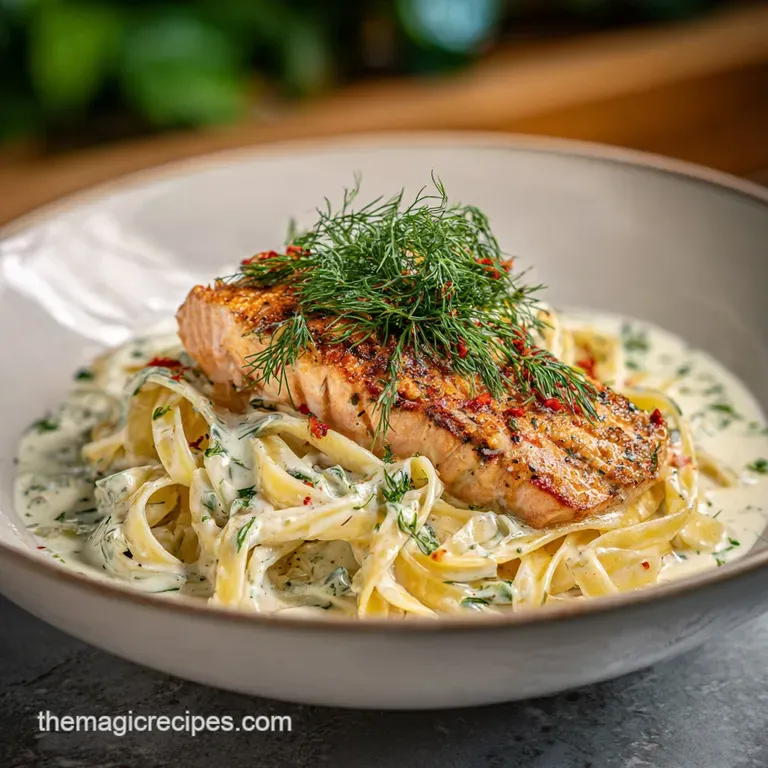
- Boil the water. Fill a large pot with water and a generous pinch of salt. Bring to a rolling boil.
- Cook the pasta. Add 12 oz linguine and cook for about 8-9 minutes until al dente with a slight bite. Note: It will finish cooking in the sauce later.
- Sear the salmon. While pasta cooks, heat 1 tbsp olive oil in your skillet over medium high heat. Add 1.25 lbs salmon cubes seasoned with a pinch of salt. Cook for 2 minutes until a golden crust forms, then flip and cook for 1 more minute. Remove and set aside.
- Sauté aromatics. Lower the heat to medium. Melt 2 tbsp butter in the same pan. Add the minced shallot and cook for 2 minutes until translucent and fragrant.
- Toast the garlic. Stir in 3 cloves minced garlic and 2 tbsp capers. Cook for 1 minute until you smell the garlic but it hasn't browned.
- Simmer the cream. Pour in 1 cup heavy whipping cream. Bring to a gentle simmer for 3 minutes until the bubbles get smaller and the sauce thickens slightly.
- Emulsify the sauce. Stir in 1 tbsp lemon juice, 1 tbsp zest, and 1/4 cup Parmesan. Whisk constantly to ensure the cheese melts into a velvety liquid.
- Combine everything. Toss the cooked linguine into the skillet. Add 2-3 tablespoons of pasta water if the sauce looks too thick.
- Fold in salmon. Gently add the salmon cubes and 1/4 cup chopped dill. Toss lightly until the fish is warmed through and coated.
- Final season. Taste and add 1/2 tsp kosher salt and 1/4 tsp cracked black pepper as needed. Serve immediately while the sauce is glossy.
Chef's Tip: If you want an even deeper flavor, grate your Parmesan yourself. Pre shredded cheese is coated in potato starch to prevent clumping, which can make your cream sauce feel gritty instead of velvety.
Fixing Common Texture and Flavor Issues
Why Your Sauce Is Too Thick
If the pasta sits for even a few minutes, the noodles will drink up the cream. This is why we save that liquid gold (pasta water). The starch in the water helps loosen the sauce without diluting the flavor.
Why Your Salmon Is Dry
Salmon continues to cook even after you take it off the heat. If you cook it 100% through in the first step, it will turn into "tuna can" texture by the time it hits the hot sauce. Aim for "just underdone" during the sear.
| Problem | Root Cause | Solution |
|---|---|---|
| Broken Sauce | Heat was too high after adding lemon | Whisk in a splash of cold cream or pasta water off the heat. |
| Fish is falling apart | Stirring too aggressively | Use a silicone spatula and "fold" the fish in rather than stirring. |
| Bland flavor | Not enough salt or acid | Add an extra squeeze of lemon juice or a pinch more salt. |
Common Mistakes Checklist
- ✓ Don't rinse your pasta; you need those surface starches to help the sauce cling to the noodles.
- ✓ Ensure the skillet is hot before adding the salmon to get that "shatter" texture on the crust.
- ✓ Avoid using bottled lemon juice; the flavor is muted and often metallic compared to fresh.
- ✓ Pat the salmon cubes dry with a paper towel before searing to prevent them from steaming.
- ✓ Don't skip the shallots; they provide a foundational sweetness that onions can't quite match.
Scaling for Different Needs
To scale this recipe down (for two people), simply halve all ingredients. Use a smaller 8 inch skillet to ensure the cream doesn't evaporate too quickly. You can still use one whole egg if you decide to make fresh pasta, just reduce the flour.
To scale this recipe up (for eight people), work in batches. Sear the salmon in two separate groups so you don't overcrowd the pan. If you overcrowd, the temperature drops and the fish will boil in its own juices rather than searing. For the sauce, use a large Dutch oven.
Increase the spices to 1.5x rather than doubling them immediately you can always add more salt, but you can't take it away!
| Servings | Salmon Weight | Pasta Amount | Cream Amount |
|---|---|---|---|
| 2 People | 0.6 lbs | 6 oz | 1/2 cup |
| 4 People | 1.25 lbs | 12 oz | 1 cup |
| 8 People | 2.5 lbs | 24 oz | 2 cups |
If you're looking for a similar creamy seafood experience but with a different protein, my Creamy Lemon Shrimp recipe follows a very similar scaling logic and is a huge crowd pleaser.
Debunking Common Kitchen Myths
One major myth is that you must always cook fish with the skin on to keep it moist. While skin adds flavor, for a Lemon Dill Salmon Pasta, skinless cubes allow for a more uniform texture and better sauce distribution. The cream provides plenty of moisture.
Another misconception is that adding oil to pasta water prevents sticking. It actually just makes the pasta greasy, which prevents this velvety sauce from actually sticking to the noodles. Just use a large pot with plenty of water and give it a stir in the first two minutes!
Storage Wisdom and Zero Waste
Storage: This dish is best eaten fresh because cream sauces can become "tight" or oily when reheated. However, you can store leftovers in an airtight container in the fridge for up to 2 days.
Reheating: Do not microwave this on high heat! Put it back in a skillet over low heat with a splash of milk or water. Stir gently until the sauce thins out and becomes glossy again.
Zero Waste: Don't throw away those lemon peels! If you have leftover zest, mix it with a little salt and dried dill to make a quick "citrus salt" for seasoning chicken later in the week.
If you bought a whole salmon and have the skin left over, fry the skin strips in a pan until they are as crispy as bacon they make a fantastic salty snack or a garnish for a salad.
Final Touches and Presentation Ideas
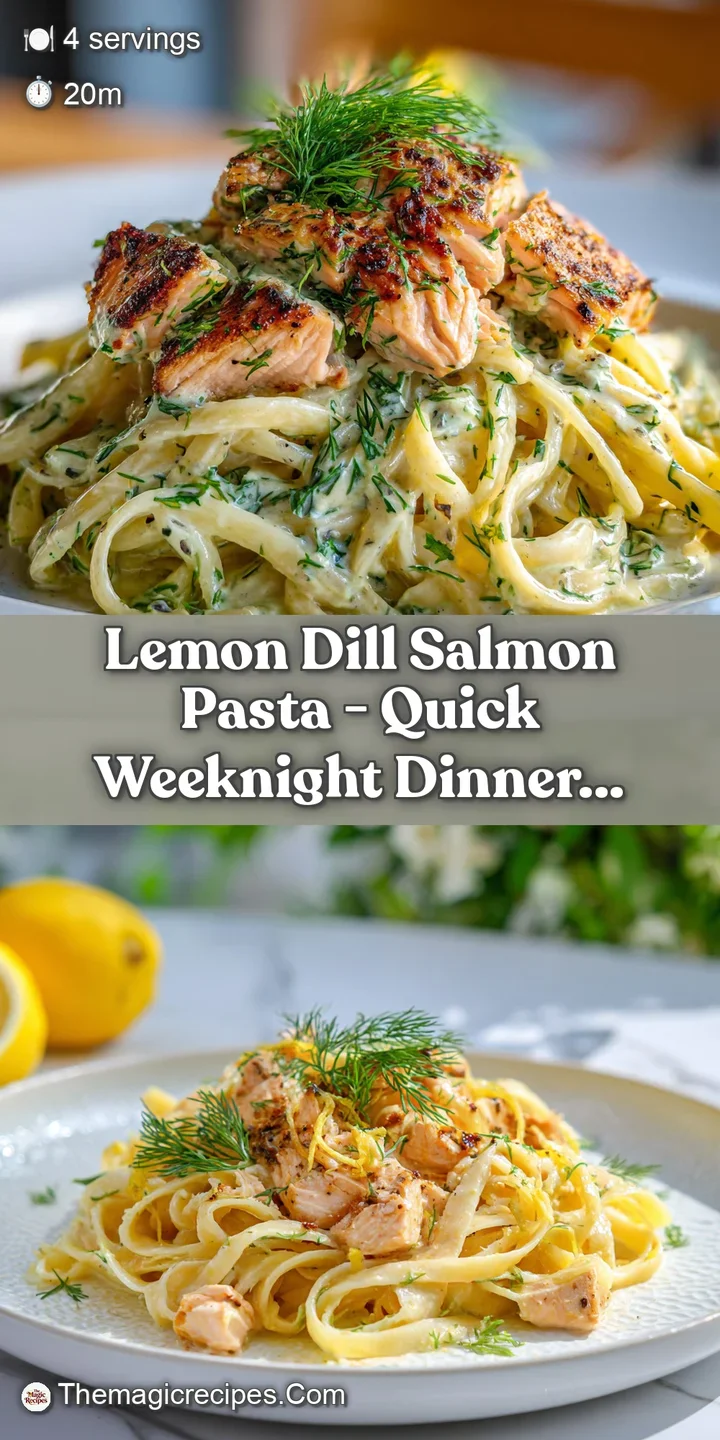
When you're ready to serve, don't just dump the pasta into a bowl. Use a large pair of tongs to twirl the linguine into a "nest" in the center of the plate. Place a few of the golden salmon cubes right on top so they remain the star of the show.
Top with an extra sprinkle of fresh dill and a final dusting of Parmesan. If you want to get fancy, a few very thin slices of lemon on the side of the plate remind everyone of the bright flavors inside. For a complete meal, I usually serve this with a simple side of roasted asparagus or a light arugula salad with a balsamic vinaigrette. If you want a different take on salmon altogether, you have to try my Brown Sugar Soy recipe — it's a completely different flavor profile but just as fast!
Three Precision Checkpoints
- Salmon Temp: If you have a meat thermometer, pull the salmon at 125°F (52°C) during the sear; it will reach 135°F (57°C) after resting in the sauce.
- Pasta Weight: Exactly 340g (12 oz) ensures the sauce doesn't disappear.
- Cream Simmer: Only let the cream reduce for 3-4 minutes; any longer and it becomes too thick to coat the noodles evenly.
Decision Shortcut
- If you want Extra Tangy, double the capers and add a teaspoon of Dijon mustard to the cream.
- If you want Lower Calorie, swap half the cream for chicken broth and add 1 tbsp of cornstarch slurry.
- If you want More Crunch, top the final dish with toasted panko breadcrumbs mixed with lemon zest.
Lemon Dill Salmon Pasta FAQs
Can I substitute fresh dill with dried dill?
Yes, but use less. Dried dill is much more concentrated, so substitute 1 tablespoon of fresh dill with only 1 teaspoon of dried dill. Stir the dried herb in with the garlic to allow it to hydrate before adding the cream.
How to prevent the heavy cream sauce from splitting when I add the lemon juice?
Take the pan off the heat before adding the acid. The high temperature causes the milk proteins to curdle when the pH drops too suddenly from the lemon. Whisk in the lemon juice and Parmesan off the burner, using the residual heat to finish the emulsion.
How to ensure the salmon cubes stay moist and don't dry out during the sear?
Sear the cubes quickly over high heat and remove them immediately. Aim for only two minutes per side to achieve a crust, knowing the internal temperature will rise another 10 degrees while resting and finishing in the sauce. If you are looking for other quick seafood recipes, review the technique used in our Creamy Tuscan Salmon recipe for perfect carryover cooking.
Is it true that I must reserve pasta water, even for a cream based sauce?
Yes, reserving pasta water is crucial. The cloudy water contains starch released from the noodles, which helps emulsify the sauce, binding the fats and liquids together beautifully. This technique is key for stability, similar to how we handle starches when making gravies.
Can I use half and-half instead of heavy cream for a lighter sauce?
No, avoid using half and-half directly. The lower fat content means the acid from the lemon will almost certainly cause the sauce to break or look oily. If you must lighten it, use a combination of milk thickened with a teaspoon of flour whisked in cold first.
How to get a good sear on the salmon cubes without steaming them?
Pat the salmon cubes completely dry with paper towels before searing. Any surface moisture will instantly turn to steam, preventing the Maillard reaction necessary for a crust. Use a hot pan with a mixture of oil and butter to reach the correct temperature rapidly.
What is the best way to substitute the salmon if I prefer chicken?
Use bite sized chicken breast pieces and adjust cooking time significantly. You must sear the chicken until it is browned on all sides and fully cooked through before removing it. If you prefer faster chicken cooking with bright flavors, examine the timing and searing methods used in our Chicken Breast Recipes.
Lemon Dill Salmon Pasta
Ingredients:
Instructions:
Nutrition Facts:
| Calories | 918 kcal |
|---|---|
| Protein | 42.5 g |
| Fat | 54.2 g |
| Carbs | 64.8 g |
| Fiber | 2.9 g |
| Sugar | 3.2 g |
| Sodium | 710 mg |
