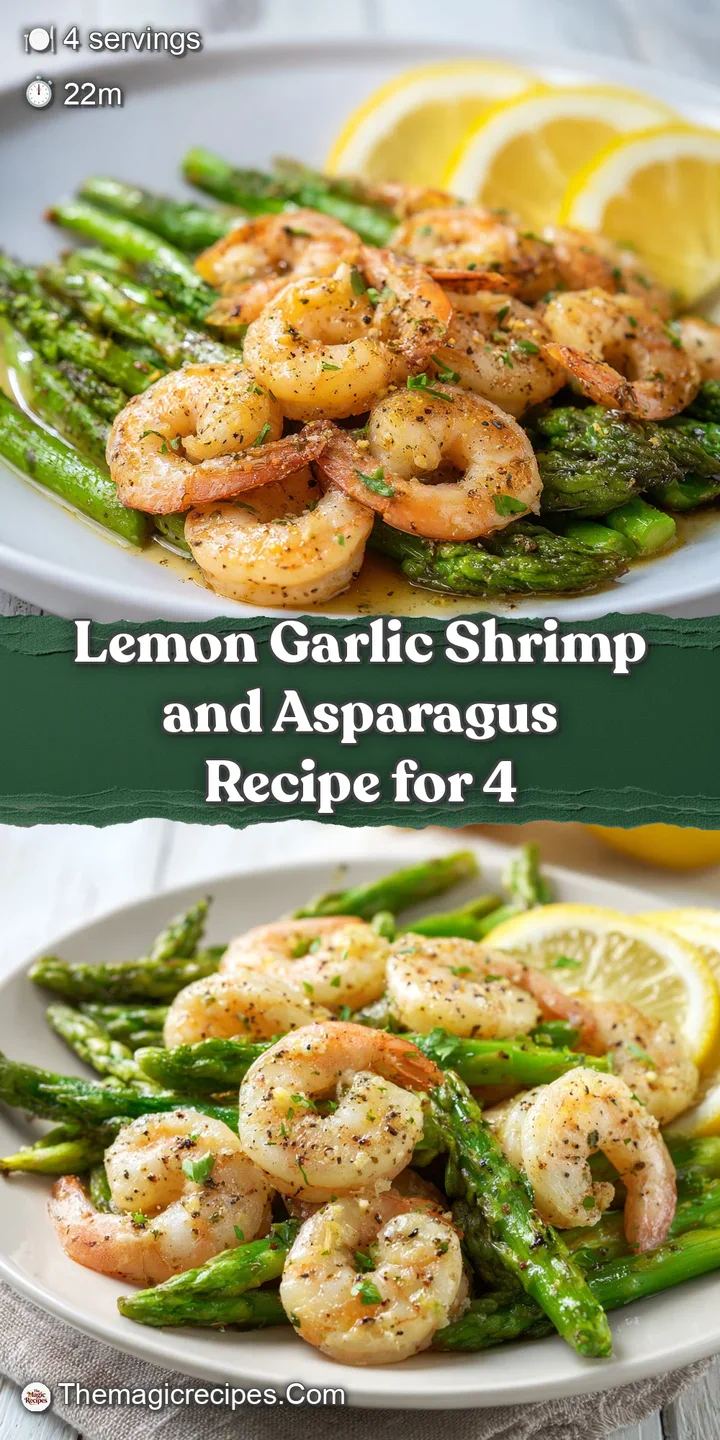
Lemon Garlic Shrimp and Asparagus
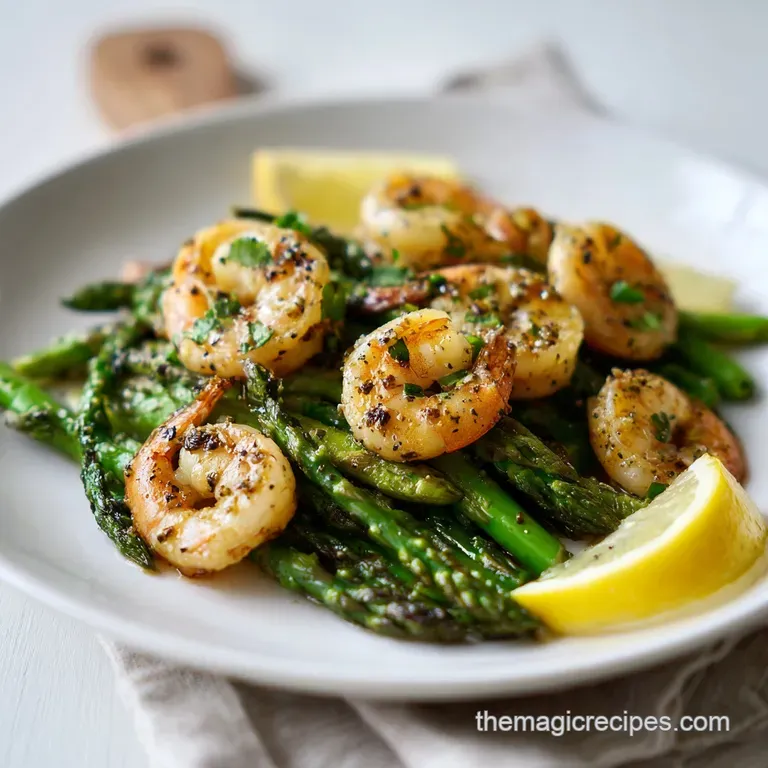
- Time: Active 10 mins, Passive 12 mins, Total 22 mins
- Flavor/Texture Hook: Zesty, buttery, and snappy
- Perfect for: Busy weeknight dinners or healthy meal prep
- The Day I Served Rubbery Lemon Garlic Shrimp and Asparagus
- The Physics of the Flash Sear and Steam
- Vital Statistics for a Balanced Weeknight Meal
- Sourcing Quality Shellfish and Fresh Garden Greens
- Essential Kitchen Gear for High Heat Success
- Executing the Sizzle for Ten Minute Success
- Preventing Soggy Stems and Tough Seafood Textures
- Swapping Grains and Fats for Dietary Success
- Maintaining Freshness During Storage and Reheating
- Completing the Plate with Ideal Texture Pairings
- Recipe FAQs
- 📝 Recipe Card
The Day I Served Rubbery Lemon Garlic Shrimp and Asparagus
The first time I tried making this, the kitchen smelled like a dream garlic hitting the pan is basically perfume, right? But then I sat down to eat and it was a disaster. The shrimp had shrunk into tight, rubbery little knots, and the asparagus was so limp it practically dissolved.
I had spent twenty minutes prepping just to eat something with the texture of a wet sponge. It was frustrating because I knew these ingredients deserved better than my poor timing.
I realized I was treating the pan like a crowded subway car. I dumped everything in at once, the temperature plummeted, and instead of searing, everything just boiled in its own juices. That "sizzle" I was looking for turned into a sad, grey simmer.
It took a few more tries (and some very honest feedback from my husband) to realize that the secret isn't in some fancy technique, but in the order you toss things into the heat.
Now, when I make this, the sound in the pan is sharp and energetic. You get that beautiful golden crust on the shellfish and a slight char on the tips of the green stalks. It’s light, it’s fresh, and it doesn't leave you feeling heavy.
If you've ever struggled with soggy vegetables or tough seafood, trust me we're going to fix that today with a few simple tweaks to your workflow.
The Physics of the Flash Sear and Steam
The Flash Sear: High heat causes rapid protein denaturation in the shellfish, locking in moisture before the internal fibers tighten and squeeze out juices.
Thermal Conductivity: Using a heavy pan like cast iron provides consistent heat that doesn't drop when cold ingredients are added, preventing the "steaming" effect that makes vegetables mushy.
| Cooking Method | Active Time | Resulting Texture | Best For |
|---|---|---|---|
| Stovetop Sauté | 12 mins | Crispy edges, snappy stems | Maximum flavor and speed |
| Sheet Pan Oven | 15 mins | Evenly tender, roasted notes | Hands off bulk cooking |
| Air Fryer | 8 mins | Very crunchy, slightly drier | Small 1 person portions |
Choosing the right method depends on your goals for the evening. If you want that restaurant style "sizzle" and a velvety butter sauce, the stovetop is the only way to go. However, if you're doubling the recipe for a crowd, the oven method prevents the pan from overcrowding and ensures everything cooks at the same rate without you hovering over the burner.
Vital Statistics for a Balanced Weeknight Meal
| Ingredient | Science Role | Pro Secret |
|---|---|---|
| Large Shrimp (450 g) | Lean Protein | Pat them bone dry with paper towels to get a brown crust rather than grey steam. |
| Fresh Asparagus (450 g) | Structural Fiber | Snap the ends by hand; they naturally break where the woody part ends and the tender part begins. |
| Unsalted Butter (45 g) | Flavor Carrier | Add it at the very end to create a glossy emulsion that doesn't burn during the over high heat phase. |
| Fresh Lemon | Acid Brightness | Zest the fruit before juicing it to catch the aromatic oils that live in the yellow skin. |
The interaction between the fats and the acids here is what creates that "velvety" mouthfeel. When you whisk the cold butter into the lemon juice at the finish, you're actually creating a temporary emulsion that coats every bite without feeling greasy.
Sourcing Quality Shellfish and Fresh Garden Greens
For this recipe, we are using 450 g of large shrimp (peeled and deveined) and 450 g of fresh asparagus. I always look for "dry" shrimp at the counter shrimp that haven't been treated with STPP (sodium tripolyphosphate), which makes them hold excess water and prevents them from searing properly.
- Large Shrimp (450 g): Go for 21/25 count for the best texture. Why this? They are large enough to sear without overcooking in seconds.
- Substitute: Scallops. They offer a similar sweet flavor but need a very hot pan.
- Fresh Asparagus (450 g): Look for medium thickness spears. Why this? Thin wispy ones turn to mush, and jumbo ones stay tough.
- Substitute: Broccolini. It has a similar snap andaks up the garlic butter beautifully.
- Extra virgin olive oil (30 ml): Use a high-quality oil for the initial sear. Why this? It provides a base for the fat without burning as fast as butter.
- Substitute: Avocado oil. It has a higher smoke point for even more aggressive searing.
- Unsalted butter (45 g): Cubed and kept cold until the end. Why this? Control the salt levels and create a thick sauce.
- Substitute: Ghee. It offers a nutty flavor and is safer for over high heat cooking.
- Garlic (4 cloves): Freshly minced is non negotiable here. Why this? Jarred garlic has a metallic aftertaste that ruins the delicate lemon notes.
- Substitute: Shallots. They provide a milder, sweeter aromatic profile.
- Lemon (1 large): You’ll need both the zest and the juice. Why this? The zest provides aroma, while the juice provides the "zing".
- Substitute: Lime. It creates a more tropical, sharp flavor profile.
Chef's Tip: To get the most juice out of your lemon, microwave it for 10 seconds and roll it firmly on the counter under your palm before slicing it open. This breaks the internal membranes and lets the juice flow freely.
Essential Kitchen Gear for High Heat Success
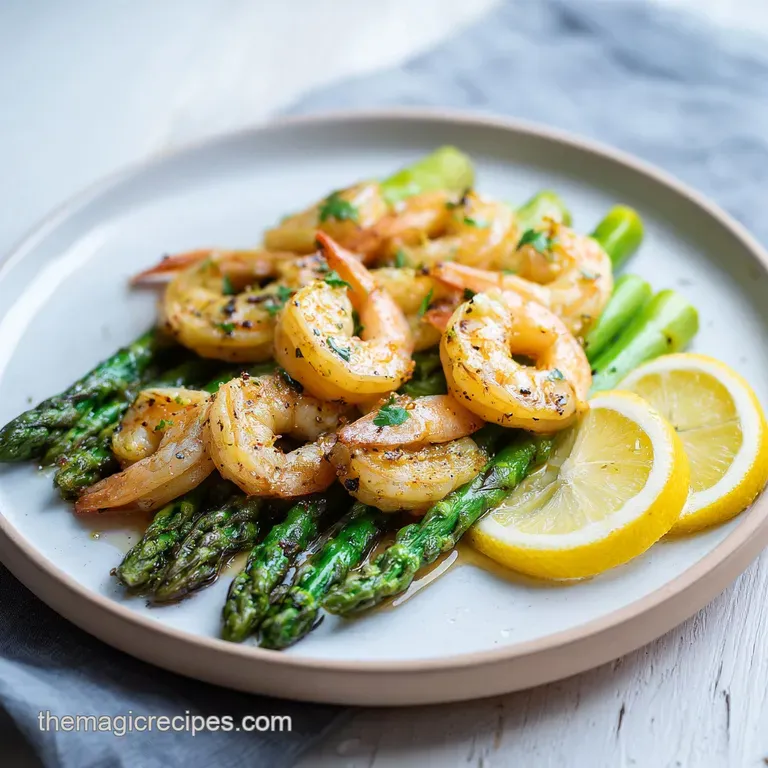
A heavy bottomed skillet is your best friend here. I personally use a 30 cm cast iron skillet because it retains heat like a beast. If you use a thin, cheap pan, the second those 450 g of shrimp hit the surface, the temperature will tank, and you'll end up with "soup" instead of a sear.
You will also want a pair of stainless steel tongs. They give you the precision to flip individual shrimp and move the asparagus around without bruising the tender tips. Finally, make sure you have a microplane or a fine grater.
Zesting the lemon directly over the pan at the very end ensures those volatile oils hit the food, not the cutting board.
Executing the Sizzle for Ten Minute Success
- Prep the greens. Trim 450 g of asparagus by removing the bottom 3 cm of woody stems. Slice the remaining spears into 5 cm pieces on a diagonal. Note: Diagonal cuts expose more surface area for the sauce to cling to.
- Dry the protein. Pat 450 g of shrimp with paper towels until completely dry. Season with 2.5 g salt and 2.5 g cracked black pepper. Note: Moisture is the enemy of a golden brown sear.
- Heat the pan. Add 30 ml of olive oil to a large skillet over medium high heat. Wait 2 minutes until the oil ripples and a faint wisp of smoke appears.
- Sauté the vegetables. Toss the asparagus into the pan. Cook for 4 minutes, tossing occasionally until they turn bright green and show slight charred spots.
- Create a clearing. Push the asparagus to the outer edges of the pan. Add the shrimp in a single layer in the center.
- The first sear. Let the shrimp sit undisturbed for 2 minutes until the bottoms turn pink and opaque.
- Add the aromatics. Flip the shrimp and immediately toss in 4 cloves of minced garlic and 5 g of red pepper flakes. Cook for 60 seconds until the garlic smells fragrant but remains pale.
- The butter finish. Drop in 45 g of cubed butter and the lemon juice. Stir rapidly for 1 minute until the butter melts into a silky, bubbling sauce.
- The final touch. Remove from heat. Fold in the lemon zest and 30 g of finely chopped fresh parsley.
- Serve immediately. Transfer to warm plates or bowls to prevent the residual heat from overcooking the seafood.
Preventing Soggy Stems and Tough Seafood Textures
One common mistake is overcrowding. If your pan isn't big enough to hold the shrimp in a single layer, cook them in two batches. It takes an extra three minutes, but the difference in texture is night and day. If you love this flavor profile but want to try it with a starch, this works beautifully as a Shrimp Scampi Orzo recipe variation where the pasta soaks up all that extra lemon butter.
1. Rubbery, "O"-Shaped Shrimp
If your shrimp have curled into tight, hard circles, they are overcooked. Perfectly cooked shrimp should look like a "C". This usually happens because the pan was too cool, forcing the shrimp to sit in the heat too long to get any color.
2. Puddles of Water on the Tray
This is often caused by frozen shrimp that weren't thawed or dried properly. The ice crystals melt and create a lake in your pan. Always thaw shrimp in a bowl of cold water (never warm!) and dry them aggressively before they touch the oil.
3. Burnt Garlic Bitter Notes
Garlic burns in seconds at high heat. If your garlic turns dark brown or black, it will taste acrid and ruin the dish. Always add the garlic in the final minute of cooking, and make sure there is enough fat (butter or oil) in the pan to insulate it.
| Problem | Root Cause | Solution |
|---|---|---|
| Tough Shrimp | Internal temp exceeded 145°F (63°C) | Remove from heat when they just turn opaque; they'll finish with carryover heat. |
| Grey/Bland Appearance | Crowded pan or wet ingredients | Work in batches and pat ingredients bone dry. Use 450 g per batch max. |
| Limp Asparagus | Steaming rather than sautéing | Keep the heat high and don't cover the pan with a lid. |
Common Mistakes Checklist ✓ Didn't dry the shrimp? You'll get steam instead of a sear. ✓ Added garlic too early? It'll burn and turn bitter. ✓ Using thin bottomed pans? Heat won't be consistent enough for a quick sauté. ✓ Snapping asparagus too high?
You’re wasting the best part of the stalk. ✓ Skipping the zest? You're missing 50% of the lemon flavor.
Swapping Grains and Fats for Dietary Success
If you are looking for a Spring Meals recipe feel, you can easily toss this entire mixture with some gluten-free tagliatelle or zoodles. For those on a strict keto diet, skip the pasta and serve this over a bed of mashed cauliflower to catch every drop of that garlic butter.
- For the Keto Crowd: Increase the butter to 60 g and serve over spinach.
- For the dairy-free: Use 45 ml of high-quality vegan butter or extra olive oil, though you'll miss that specific "creamy" finish butter provides.
- For the Heat Lovers: Double the red pepper flakes or add a teaspoon of Calabrian chili paste when you add the garlic.
Maintaining Freshness During Storage and Reheating
If you have leftovers, they’ll stay fresh in the fridge for up to 2 days in an airtight container. I don't recommend freezing this dish once it's cooked; the asparagus becomes incredibly mushy upon thawing, and the shrimp will lose their snap.
When reheating, avoid the microwave! It turns shrimp into erasers. Instead, put a splash of water or broth in a pan over medium low heat, add the leftovers, and cover for 2-3 minutes just until warmed through. For a zero waste tip, save the trimmed asparagus ends and shrimp shells in a bag in the freezer. When you have enough, boil them with some onion and peppercorns to make a quick seafood stock for a Shrimp Risotto Recipe.
Completing the Plate with Ideal Texture Pairings
This dish is incredibly light, so you’ll likely want something to round out the meal. A crusty piece of sourdough is my favorite tool for "polishing" the plate there's nothing better than soaking up that leftover garlic butter.
If you want to keep it low carb, a simple arugula salad with a balsamic vinaigrette provides a nice peppery contrast to the sweet shrimp.
If you’re planning a bigger spread, consider starting with a small bowl of soup or serving this alongside a fluffy pile of jasmine rice. The rice acts like a sponge for the lemon juice and butter. No matter how you serve it, remember that this dish is best enjoyed the second it leaves the pan.
The heat of the shrimp and the crispness of the asparagus are at their peak right when that butter finishes bubbling.
1. The Classic Grain Pair
Serving this over a bed of quinoa or couscous adds a nutty earthiness that grounds the bright citrus. It makes the 4 servings feel much more substantial for a family dinner.
2. The Pasta Variation
If you have ten extra minutes, boil some angel hair pasta. Toss it directly into the skillet with an extra splash of pasta water and a drizzle of olive oil. The starch in the water helps the lemon garlic butter cling to the noodles, creating a restaurant quality pasta dish in no time.
Recipe FAQs
Should I cook the shrimp and asparagus together in the pan?
No, they require separate cooking times. Add the asparagus first to the hot oil to sauté for four minutes until bright green, then push them to the edge and add the seasoned shrimp to the center to sear undisturbed.
How to prevent the shrimp from turning rubbery or "O" shaped?
Keep the pan very hot and cook quickly. Overcooked shrimp tighten into hard circles; aim for a "C" shape when done, removing them just as they turn opaque, using carryover heat to finish cooking.
What is the best way to ensure the asparagus has a nice snap?
Do not cover the pan and keep the heat high. Cooking uncovered allows the moisture to evaporate, resulting in a crisp texture rather than steaming the vegetable into sogginess.
Is it true I should add the lemon juice and butter at the beginning of cooking?
No, this is a common misconception. Adding lemon juice too early can toughen the shrimp, and butter will burn over the high heat needed for searing; they should be added right at the end to create a glossy sauce.
How do I maximize the flavor from the lemon when using it in the sauce?
Zest the lemon first before juicing it. The aromatic oils concentrated in the bright yellow zest provide far more fragrance than the juice alone, which should be reserved for balancing the final flavor.
How many batches should I cook the shrimp in for a large serving?
Cook in batches if the pan appears crowded. For a 450 g portion, ensure the shrimp fit in a single layer; overcrowding drops the pan temperature and results in steaming instead of searing.
What is a good, quick side dish that pairs well with this bright lemon flavor?
Serve it over fluffy jasmine rice or angel hair pasta. If you enjoyed mastering the quick emulsification of the butter sauce here, you can apply the same technique to create a stable sauce for our Pesto Ravioli in recipe.
Lemon Garlic Shrimp Asparagus
Ingredients:
Instructions:
Nutrition Facts:
| Calories | 279 kcal |
|---|---|
| Protein | 25.4 g |
| Fat | 16.8 g |
| Carbs | 6.9 g |
| Fiber | 2.4 g |
| Sugar | 1.6 g |
| Sodium | 315 mg |
