Oven Brisket Recipe: How to Make Fork Tender Brisket Low and Slow
- Mastering the Perfect Oven Brisket Recipe: A Low and Slow Approach
- The Science of Tender Brisket: Why Braising Guarantees Success
- Gathering Your Sunday Best: Ingredients for This Oven Brisket Recipe
- Essential Ingredient Notes and Swaps
- Step-by-Step Preparation: From Rubbing to Roasting
- Expert Tips for a Flawless Brisket (And Troubleshooting Common Mistakes)
- Pairing Perfection: What to Serve Alongside Slow-Roasted Brisket
- Storing and Freezing Your Leftover Oven Brisket
- Recipe FAQs
- 📝 Recipe Card
Mastering the Perfect Oven Brisket Recipe: A Low and Slow Approach
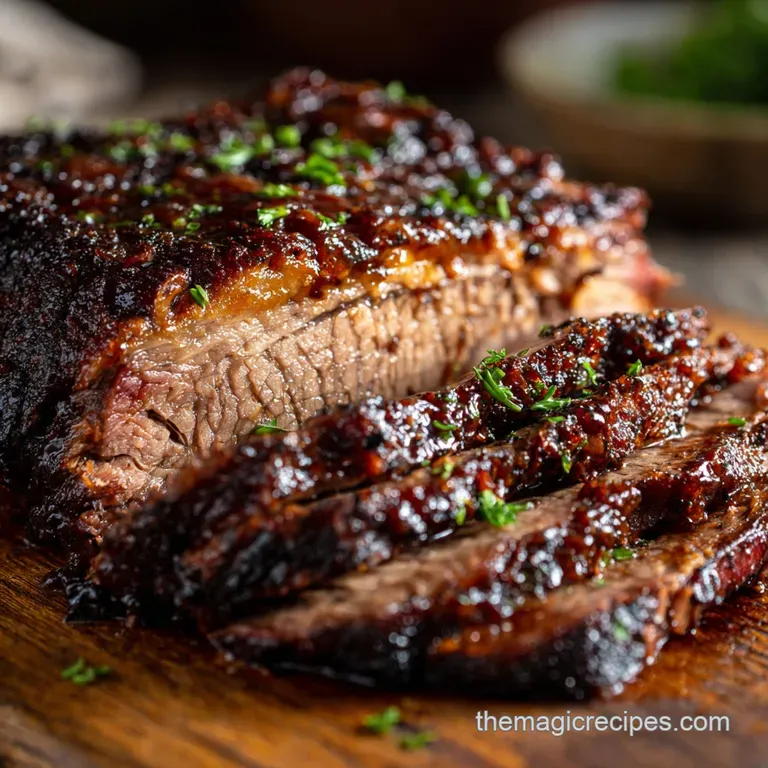
When that Oven Brisket Recipe smell hits your kitchen, forget about the outside world. It’s warm, smoky, and promises that incredible, fork tender brisket oven experience that makes your knees weak.
You know that deep mahogany bark and the way the meat practically shreds with barely a touch? Yeah, we are absolutely doing that today.
People totally freak out about Slow Roasted Brisket Recipe , thinking they need a smoker and twelve hours of constant babysitting. Nope, that is just unnecessary stress.
This low and slow method uses your regular oven and is mostly hands off, making it the Easy Oven Brisket you didn't know you needed in your life. It's truly perfect for a big Sunday feed because all the heavy lifting happens while you’re enjoying a quiet afternoon.
I’ve personally made every mistake, from dry edges to slicing completely wrong, but I finally nailed the foolproof technique. Let’s get serious about the details now, because mastering the perfect Tender Oven Brisket is 90% simple science and 10% pure cooking magic.
The Science of Tender Brisket: Why Braising Guarantees Success
The brisket is a beast of a cut, full of tough connective tissue called collagen, which is why quick cooking makes it chewy. The magic here is using high heat to form a beautiful crust, then switching to a long, moist braise in the oven.
This turns the collagen into luscious gelatin, which is what gives you that incredible buttery mouthfeel.
The Difference Between Flat Cut and Point Cut
If you buy a whole packer brisket, you're getting two muscles: the flat and the point. The point cut is much fattier and often used for burnt ends. For a big, beautiful sliceable roast, you definitely want the flat cut .
It's easier to trim, more uniform, and better suited for a standard home roasting pan.
Why Low Temperature Cooking is Essential
We use a very low temperature think 275°F (135°C) to encourage that collagen conversion without squeezing all the moisture out of the muscle fibers. High heat shrinks the muscle too quickly, which is how you end up with dry, tough meat. We are playing the long game here, y’all.
Essential Equipment for Oven Brisket
Seriously, the most crucial tool you own for this Oven Brisket Recipe Low and Slow method is a good digital instant read thermometer. Without it, you are just guessing, and guessing usually leads to dry meat. You also need heavy duty foil because the seal has to be airtight.
Chef’s Note: Do not skimp on the foil. The goal is to create a steamy, humid environment inside that foil packet, essentially turning your roasting pan into a mini braising vessel. This is the secret to a moist finish.
Breaking Down Collagen: The Role of Time and Moisture
Collagen starts to dissolve into gelatin around 180°F (82°C), but the meat won't actually be tender until you hit 200°F (93°C) or higher. That last 20 degrees is where the magic happens, and the moisture from the braising liquid helps keep the temperature steady and the meat supple while the rendering process finishes.
Achieving a Deep Bark Without a Smoker
The initial dry rub and the optional searing step are what build your bark (that dark, flavorful crust). Smoked paprika is your best friend here. If you want that classic smoke flavor without the actual smoker, a tiny dash of liquid smoke in your braising liquid totally works.
That’s a classic Oven Brisket Recipe Texas Style cheating method!
The Perfect Internal Temperature for Fork Tenderness
Forget aiming for exactly 200°F. The best test for doneness is texture, not temperature. When you probe the thickest part of the brisket, the thermometer should slide in with almost zero resistance, feeling like softened butter. If it's sticky or stiff, it needs more time, even if it has hit 203°F (95°C).
Gathering Your Sunday Best: Ingredients for This Oven Brisket Recipe
I always say a great piece of meat needs a phenomenal rub. This one balances savory spices, salt, and just a hint of sugar for caramelization. It’s simple, robust, and lets the brisket shine.
Essential Ingredient Notes and Swaps

Selecting the Right Brisket Cut (Flat vs. Point)
As mentioned, stick to the flat cut . Ask your butcher to trim the hard deckle fat but leave a nice, even 1/4 inch fat cap on the surface. That cap is flavor insurance, melting down and keeping the meat juicy.
Building the Ultimate Dry Rub Base
I prefer smoked paprika for color and depth; it just screams slow cooked perfection. The brown sugar is essential because it caramelizes slightly in the oven, deepening the bark color and adding complexity.
| Ingredient | Why It’s Key | Viable Substitution |
|---|---|---|
| Smoked Paprika | Color and smokiness | Regular Paprika + 1/4 tsp Liquid Smoke |
| Coarse Salt/Kosher Salt | Penetrates slowly, crucial tenderizer | Fine Sea Salt (Use 25% less) |
| Brown Sugar | Aids caramelization of the bark | Honey or Molasses (1 tsp) mixed with the oil |
| Dried Mustard Powder | Adds an acidic 'zing' and bite | Turmeric or Ground Coriander |
Must Have Aromatics and Braising Liquid
Chopped onions and smashed garlic cook down completely, melting into the final jus. For the liquid, a rich, strong beef stock is mandatory. I love adding a dark beer a stout or a porter to the mix, making this a delicious Oven Brisket Recipe With Beer .
Prepping the Brisket: To Trim or Not to Trim?
You definitely need to trim the excess hard fat and any silver skin. Silver skin won't render; it just becomes tough and chewy. Leaving a consistent 1/4 inch of fat is ideal it will baste the meat naturally as it melts.
Substituting Liquids for Deeper Flavor
If you skip the stout, red wine works brilliantly. Or, for a tangier finish, use strong black coffee. The acidity helps tenderize the meat while adding a wonderful, deep bitterness that balances the fat.
Ensuring the Right Salt-to-Sugar Ratio in the Rub
Don't panic about the sugar content; it’s a very small amount, mostly there for the bark. The salt is the most critical ingredient. It needs time to penetrate (hence the overnight chill), guaranteeing flavor throughout the entire cut, not just on the surface.
step-by-step Preparation: From Rubbing to Roasting
Stage 1: Creating the Flavorful Rub and Coating the Beef
Mix your rub ingredients thoroughly until they look uniform. Pat that brisket bone dry first moisture prevents the rub from adhering. Massage the mixture into every single crevice, especially the edges. This is your foundation; don't be shy.
Stage 2: Adding the Braising Liquid for Moisture
Searing is optional, but it gives you huge flavor points by creating depth (fond). Once the brisket is in the pan, quickly sauté the onions and garlic, then pour in your stock and beer (if using). The liquid should come about halfway up the sides of the brisket, but not cover the top entirely.
Stage 3: Preparing the Oven and Roasting Pan
Preheat your oven to 275°F (135°C). That temperature is non-negotiable for the long cook. Place your brisket (fat side up, please!) in the pan with the liquid and aromatics.
Monitoring the Oven Temperature During the Long Cook
Since we are cooking for so long, the oven temperature can fluctuate wildly. Try not to open the door unless you absolutely have to. Every time you peek, you drop the oven temperature by 25 50 degrees, which seriously extends your cooking time.
The Foil Wrap Test: When to Seal the Brisket Tightly
We wrap it tightly right from the start. This famous "Texas Crutch" traps steam, preventing the surface from drying out and forcing the moisture back into the meat. Use two layers of heavy duty foil, folding the edges over and over like a sealed envelope. This foil seal must be airtight.
What to Do If the Brisket Stalls (The Plateau Effect)
Around hour three or four, your brisket will likely hit 160°F (71°C) and stop moving for an hour or more. This is the stall, caused by evaporative cooling. If you’ve sealed it well with foil, you will power through it without issue.
Do not increase the oven temperature; just be patient and let the low and slow heat win the fight.
Expert Tips for a Flawless Brisket (And Troubleshooting Common Mistakes)
Here are the places where I used to mess up, so you don't have to. These simple fixes guarantee a perfect result every time.
Mistake 1: Not Resting Long Enough. If you slice a hot brisket, the muscle fibers are tight, and the juices gush out. Fix it by letting the wrapped brisket rest for a full hour. This allows the fibers to relax and reabsorb all that delicious moisture, resulting in a juicier slice.
Mistake 2: Slicing with the Grain. Slicing with the grain makes the meat tough, stringy, and impossible to chew, even if cooked perfectly. The fix?
Before you slice, locate the direction of the muscle fibers and slice perpendicularly (against the grain) in thin, pencil thick slices.
Mistake 3: Starting the Cook Cold. Never put a brisket straight from the fridge into the oven. Let it sit on the counter for at least one hour before cooking. Bringing the meat closer to room temperature helps ensure more even cooking from edge to edge.
Pairing Perfection: What to Serve Alongside Slow Roasted Brisket
Brisket is rich, smoky, and fatty, so it needs sides that offer acid, crunch, or creamy starch. My favorite is a big bowl of mashed potatoes (or maybe a delicious [Boursin Cheese Rustic Galette: The Easiest Savory Tart Recipe] for a lighter option) alongside something zingy.
Traditional Barbecue Sides That Complement the Brisket
You absolutely need acidity to cut through the richness of the fat. Crisp, tangy coleslaw is a must. And you simply cannot serve a rich roast without some crunchy, pickled elements. My homemade Bread and Butter Pickles Recipe: Achieve the Ultimate Crisp Crunch are seriously perfect here.
Selecting the Best Wine or Beer Pairings
When you have a dish this rich, you need a drink that can hold its own. For wine, stick with a bold, tannic red like a Zinfandel or an Australian Shiraz. If you’re going with beer, a robust Stout or a deep, malty Porter complements the smoky char perfectly.
Storing and Freezing Your Leftover Oven Brisket
If you manage to have leftovers (it's a Christmas miracle if you do!), this brisket stores beautifully, provided you treat it right.
The Importance of the Overnight Chill
If you plan on slicing large amounts of leftover brisket, chill it first. Brisket is much easier to slice thinly and uniformly when it's cold and firm. Store the meat and the strained jus separately.
Solving the Dry Edges Problem
Brisket can dry out in the fridge. To prevent this, store the sliced or unsliced meat immersed in the reserved pan jus. This prevents oxidation and keeps the meat wonderfully moist for reheating.
Slicing Against the Grain: A Critical Final Step
I know I’ve said it a thousand times, but it’s that important: find the grain and slice against it. If you have leftovers, slice only what you intend to eat immediately; leaving the rest unsliced keeps it juicier for longer.
Making Use of the Flavorful Pan Juices (Au Jus)
Don't you dare throw away that liquid! That is pure gold. Skim off the excess fat (a fat separator is super handy here), reduce it slightly on the stove, and use it as a reheating liquid. Reheat sliced brisket gently in a covered pan with a splash of the jus. This prevents it from drying out entirely.
Leftovers store well in the fridge for up to 4 days, or frozen for 3 months.
Recipe FAQs
Why is my brisket still tough after following the recipe hours?
Brisket needs to reach an internal temperature between 200°F and 205°F to ensure the tough collagen fully breaks down into gelatin. If the meat resists when probed, cover it tightly and continue cooking even if it takes an extra hour until it probes buttery soft, regardless of the clock time.
Which cut of brisket is best for this slow roast oven method: the Flat or the Point?
For slicing and sandwiches, the lean "flat" is commonly preferred, but it is prone to drying out if not properly braised. For maximum tenderness and flavor in this low-and-slow recipe, using a whole "packer" brisket (which includes both the fatty point and the flat) yields the best, most succulent result.
How crucial is the resting phase for the finished texture?
The resting phase is absolutely crucial and non-negotiable for tender brisket. Allowing the tightly wrapped meat to rest for at least one hour permits the internal muscle fibers to relax and reabsorb the juices that were pushed to the center during the cooking process.
Skipping this step results in a dry, less flavorful slice.
Can I substitute a different liquid for the beef broth in the braising step?
Yes, you can deepen the flavor profile by replacing half the beef broth with a liquid like stout beer, dry red wine, or even strong black coffee. Ensure the chosen liquid complements the spice rub, and avoid overly acidic additions that could inhibit the breakdown of connective tissue.
What is the proper way to slice the finished brisket?
Brisket must always be sliced against the grain (perpendicular to the direction the muscle fibers run) to ensure maximum tenderness. Locate the direction of the fibers before or after the rest, and use a very sharp carving knife to slice pieces about the thickness of a pencil.
How should I handle and store leftover brisket?
Leftover brisket should be cooled quickly and stored in an airtight container in the refrigerator for 3 to 4 days. To freeze, slice or shred the cooled meat, place it in a freezer bag or vacuum seal, ensuring you include a few tablespoons of the cooking liquid (jus) to maintain moisture upon reheating.
Is it necessary to let the dry rub sit overnight, or can I cook it right away?
Allowing the rub to sit overnight is highly recommended as it acts as a dry brine, enabling the salt to deeply penetrate the meat and tenderize it while developing the signature 'bark.' If time is limited, allow the rubbed brisket to sit at room temperature for a minimum of 45 minutes before placing it in the oven.
Low And Slow Oven Brisket Recipe

Ingredients:
Instructions:
Nutrition Facts:
| Calories | 1176 kcal |
|---|---|
| Protein | 128.4 g |
| Fat | 53.6 g |
| Carbs | 20.4 g |
