Maple Glazed Salmon: Quick Family Dinner
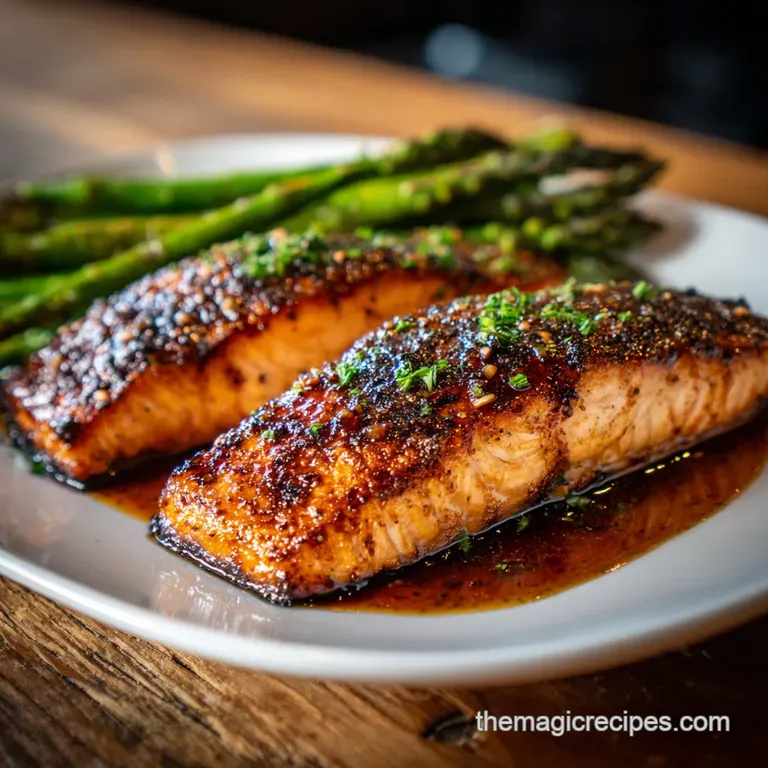
- Time: Active 10 mins, Passive 12 mins, Total 22 mins
- Flavor/Texture Hook: Velvety sweet savory glaze with flaky, buttery centers
- Perfect for: Busy Tuesday nights or a budget-friendly date night
- The Secret to Making Perfect Maple Glazed Salmon
- Why This Quick Glaze Works Well
- Specific Timing for the Best Results
- Elements Needed for the Glaze Balance
- Simple Tools for an Easy Dinner
- Cooking Steps for a Flaky Finish
- Fixing Common Problems with Glazed Fish
- Creative Ideas for Different Flavor Profiles
- Adjusting the Recipe for the Whole Family
- Debunking Common Kitchen Myths
- Keeping Leftovers Fresh and Using Scraps
- Best Sides for a Balanced Meal
- Recipe FAQs
- 📝 Recipe Card
The Secret to Making Perfect Maple Glazed Salmon
The first time I tried making this for my family, the house smelled like a literal forest fire. I had cranked the heat way too high, thinking I’d get that "restaurant sear," but instead, the maple syrup hit the pan and turned into bitter, black carbon in seconds.
I stood there over the sink, scraping burnt sugar off a perfectly good piece of fish, feeling like a total failure. But that smoke filled kitchen taught me the most important lesson about cooking with sugar: it’s all about the "lacquer" effect, not the "sear" effect.
Once I figured out that we need to treat the glaze like a slow setting varnish rather than a quick fry, everything changed. Now, when the fillets hit the oven, there is this gentle, bubbling sizzle that fills the kitchen with the scent of toasted wood and warm garlic.
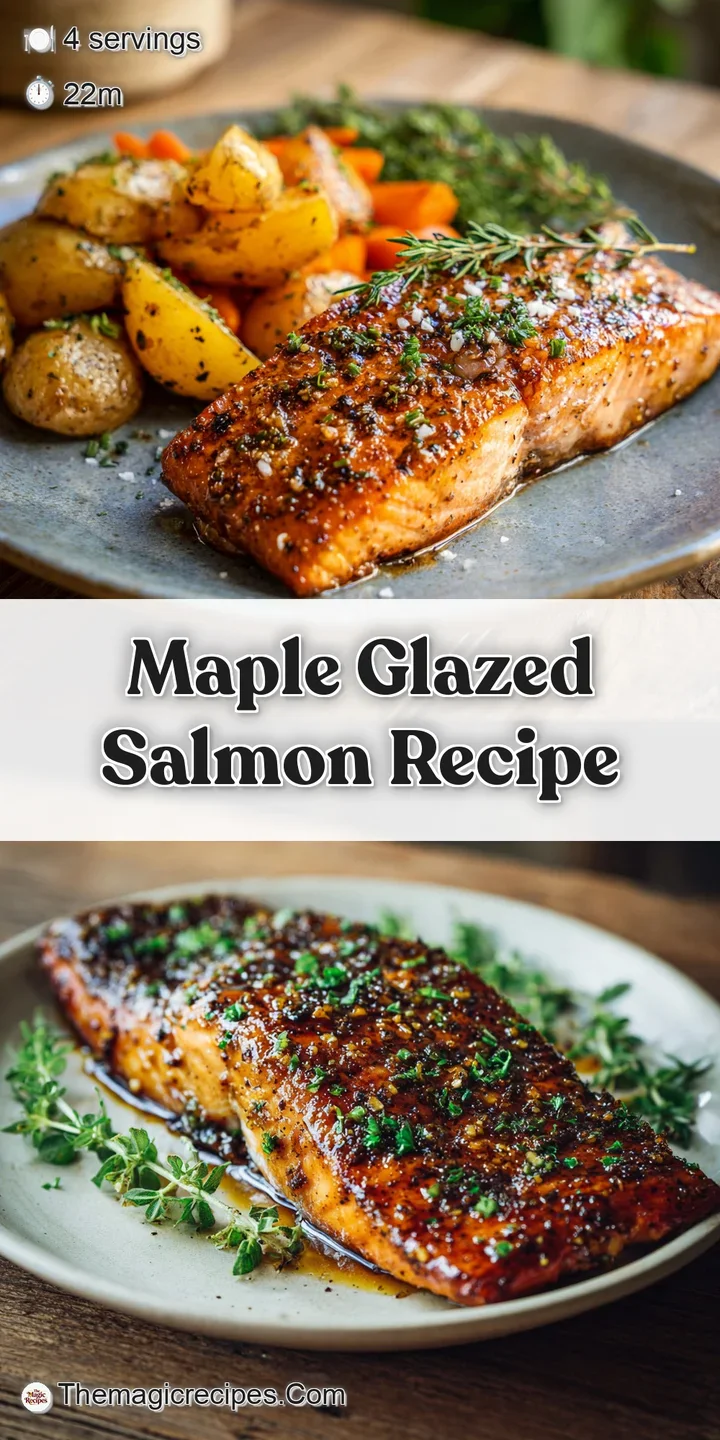
The glaze transforms into a sticky, mahogany coating that doesn't just sit on top but actually grips the fish. It's the kind of meal where you find yourself dragging every bite through the extra sauce on the plate because it’s just that good.
We’ve all had those dry, chalky salmon fillets that feel like a chore to eat. This isn't that. By the time you pull this out of the oven, the edges are slightly tacky, the skin (if you keep it on) has a satisfying snap, and the middle is so tender it practically melts.
It’s a 22 minute miracle that makes you feel like you’ve actually got your life together, even if the laundry is still piled up on the couch.
Why This Quick Glaze Works Well
The magic of this dish isn't just luck; it's a bit of kitchen physics that makes the fish stay juicy while the outside gets that gorgeous shine.
- Maillard Synergy: The amino acids in the salmon react with the natural sugars in the maple syrup at a lower temperature, creating deep flavor without needing high heat.
- Emulsified Barrier: Dijon mustard acts as a binder, holding the oil and syrup together so the glaze clings to the fish instead of sliding off into the pan.
- Hygroscopic Retention: Maple syrup is a natural humectant, which means it actually helps hold onto moisture within the muscle fibers of the fish during the bake.
- Acidic Balance: The apple cider vinegar breaks down the heavy proteins on the surface, allowing the salt and garlic to penetrate deeper into the fillet.
Timing for Texture Success
Knowing exactly when to pull your fish out is the difference between a velvety meal and a dry one. Use this guide to hit that sweet spot every time.
| Thickness | Internal Temp | Rest Time | Visual Cue |
|---|---|---|---|
| 1 inch | 140°F | 3 mins | Opaque sides, translucent center |
| 1.5 inches | 142°F | 4 mins | Flakes easily with a gentle fork press |
| Salmon Bites | 145°F | 1 min | Edges are golden and glaze is bubbling |
When you are aiming for that restaurant quality finish, remember that the fish keeps cooking for a few minutes after it leaves the heat. I always pull mine at 140°F because that carryover heat brings it right to the finish line while I'm setting the table.
If you wait until it looks completely done in the oven, it'll be overcooked by the time you take your first bite.
Specific Timing for the Best Results
I usually aim for center cut fillets because they cook more evenly than the thin tail pieces. If you're working with a budget, buying a large side of salmon and cutting it yourself into 6 oz portions is a great way to save a few dollars.
Just make sure they are roughly the same thickness so one person isn't eating sushi while the other has fish jerky.
Ingredient Analysis
| Ingredient | Science Role | Pro Secret |
|---|---|---|
| Maple Syrup | Provides fermentable sugars for caramelization | Use Grade A Dark for a more intense, smoky flavor profile |
| Dijon Mustard | Functions as an emulsifier to thicken the sauce | Don't skip this; it's what keeps the glaze from being runny |
| Soy Sauce | Adds salt and umami for depth | Use tamari if you need a gluten-free version with more body |
| Smoked Paprika | Introduces a "grilled" aroma without a flame | A tiny pinch goes a long way in mimicking outdoor cooking |
Getting the right balance here is key. The mustard might seem like a weird addition if you aren't a fan of the condiment, but trust me, you won't taste "mustard" in the final dish. It just adds a subtle tang that cuts through the richness of the fish fat and the sweetness of the syrup.
Elements Needed for the Glaze Balance
You likely have most of these in your pantry right now. If you don't, I've listed some smart swaps that won't break the bank but still give you a great result.
- 4 (6 oz) salmon fillets: Skin on is best for moisture. Why this? The skin acts as a heat shield, preventing the bottom from drying out.
- 1 tbsp olive oil: Standard refined olive oil works perfectly here.
- 1/2 tsp sea salt: Fine grain is best for even coverage.
- 1/4 tsp cracked black pepper: Freshly cracked adds a nice bite.
- 1/3 cup pure maple syrup: Look for "Pure," not "pancake syrup." Why this? Imitation syrup is mostly corn syrup and will burn differently.
- 2 tbsp soy sauce: Provides the savory "umami" backbone.
- 1 tbsp Dijon mustard: The "glue" for our glaze.
- 1 clove garlic, finely minced: Use fresh rather than the jarred stuff for better aroma.
- 1/2 tsp smoked paprika: Adds color and a hint of wood smoke.
- 1 tsp apple cider vinegar: This brightens the whole dish.
| Original Ingredient | Substitute | Why It Works |
|---|---|---|
| Maple Syrup | Honey | Similar viscosity; honey is sweeter, so use slightly less. |
| Soy Sauce | Coconut Aminos | Lower sodium and soy free. Note: Adds a slight sweetness. |
| Apple Cider Vinegar | Lemon Juice | Provides the necessary acid to balance the sugars. |
| Olive Oil | Avocado Oil | Higher smoke point, though not strictly needed for this temp. |
Simple Tools for an Easy Dinner
You don't need a high end kitchen for this. A basic rimmed baking sheet is my go to because it allows air to circulate around the fish. If you have a cast iron skillet, that's even better for getting a bit of a crisp on the skin, but a standard sheet pan lined with parchment paper makes cleanup so much faster on a weeknight.
I also highly recommend a digital meat thermometer. It's the only way to be 100% sure about doneness without hacking the fish open and letting all those juices escape. If you're looking for a different method, like using an Air Fryer Salmon recipe, the equipment changes slightly, but the goal of a perfectly cooked interior remains the same.
Cooking Steps for a Flaky Finish
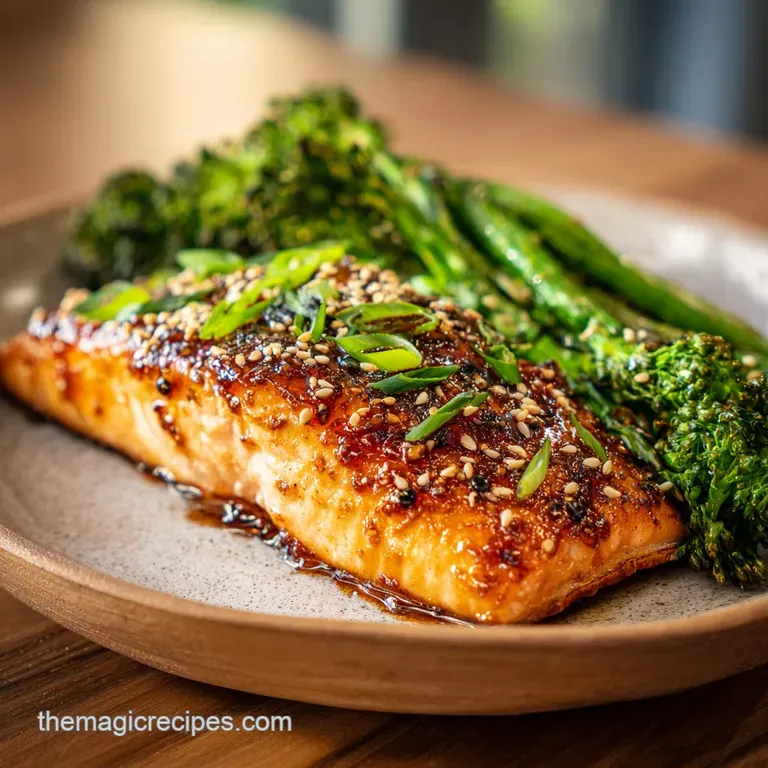
Let's get into the actual process. It moves quickly once the fish hits the heat, so have your glaze ready before you start seasoning.
- Prep and Temper. Remove the salmon from the fridge 15 minutes before cooking. Note: Room temp fish cooks more evenly through to the center.
- Dry the Surface. Pat the fillets very dry with paper towels. Do this until the paper comes away bone dry.
- Whisk the Lacquer. In a small bowl, combine the maple syrup, soy sauce, Dijon, minced garlic, smoked paprika, and vinegar.
- Season and Coat. Rub the fillets with olive oil, then sprinkle with sea salt and cracked pepper.
- Initial Bake. Place fillets skin side down on a lined pan and bake at 400°F (200°C) for 8 minutes until the protein just begins to set.
- Apply Glaze. Open the oven and generously brush or spoon the maple mixture over each fillet.
- The Precision Bake. Continue baking for another 3 to 4 minutes until the glaze is bubbly and the fish flakes with a fork.
- Optional Broil. Turn the broiler to high for 1 minute until the top starts to shimmer and darken.
- Rest. Move the pan to a rack and let the fish sit for 3 minutes.
- Serve. Spoon any leftover glaze from the pan back over the top before plating.
Chef's Tip: If you want a deeper flavor, let the garlic sit in the maple syrup for 10 minutes before whisking the rest of the ingredients. This infuses the syrup with those aromatics without leaving large chunks of raw garlic on the fish.
Fixing Common Problems with Glazed Fish
Salmon can be finicky, especially when sugar is involved. If things aren't looking quite right, don't panic. Most issues are easy to pivot from.
To Prevent the "White Stuff" (Albumin)
That white gunk that sometimes oozes out of salmon is called albumin. It’s a liquid protein that gets pushed out when the muscle fibers contract too quickly. It's totally safe to eat, but it doesn't look great. To avoid it, don't overcook the fish! The harder you cook it, the more albumin will appear.
Brining the fish in a simple salt water solution for 10 minutes before cooking can also help minimize this.
If Your Glaze is Too Runny
Sometimes the juices from the fish mix with the glaze and make it watery. If this happens, simply carefully pour the liquid from the pan into a small saucepan while the fish rests. Simmer it on high for 2 minutes until it reduces into a thick syrup, then pour it back over.
| Problem | Root Cause | Solution |
|---|---|---|
| Burnt Glaze | Sugar was too close to the heating element | Move the rack down or reduce broiler time. |
| Dry Fish | Internal temperature exceeded 145°F | Pull the fish 5 degrees earlier next time. |
| Skin is soggy | Moisture trapped between skin and pan | Ensure the pan is preheated or use a wire rack. |
Common Mistakes Checklist
- ✓ Forgetting to pat the fish dry (this leads to steaming rather than glazing).
- ✓ Using "pancake syrup" which is flavored corn syrup and burns at lower temps.
- ✓ Crowding the pan so much that the fillets touch (this traps steam).
- ✓ Skipping the rest period (the juices need time to redistribute).
- ✓ Not checking the thickness of each fillet before setting the timer.
Creative Ideas for Different Flavor Profiles
Once you have the base method down, you can tweak this to fit whatever you have in the cupboard. If you want something a bit more savory, you might look at a Brown Sugar Soy recipe which leans harder into the salty sweet dynamic.
For Air Fryer Maple Glazed Salmon
If you are in a rush, the air fryer is your best friend. Set it to 380°F (190°C). Spray the basket with oil and cook the fillets for 8 to 10 minutes total. I usually add the glaze halfway through to prevent it from burning in the intense circulating air.
The results are incredibly crispy on the edges.
Maple Glazed Salmon Bites
For kids or a party snack, cut the raw salmon into 1 inch cubes. Toss them in the glaze and bake at 425°F (220°C) for just 6 to 7 minutes. They get a much higher glaze to fish ratio this way, making them almost like savory candy.
Spicy Maple Kick
Add 1/2 teaspoon of red pepper flakes or a teaspoon of Sriracha to the glaze. The heat works perfectly with the maple and the fatty salmon. It’s a quick way to turn a "family meal" into something with a bit more personality.
Methods for Every Kitchen
Depending on your mood or the equipment you have ready, you might want to switch up how you apply the heat.
| Method | Time | Texture | Best For |
|---|---|---|---|
| Oven Bake | 12 mins | Evenly tender, soft glaze | Large batches, hands off cooking |
| Stovetop | 8 mins | Crispy skin, hard sear | Getting a "crust" on the outside |
| Air Fryer | 10 mins | Very crispy edges, fast | Small portions, maximum crunch |
Adjusting the Recipe for the Whole Family
If you are cooking for a crowd, this recipe scales up beautifully. Just keep a few things in mind so you don't end up with a mess.
Scaling Down (Cooking for 1 or 2): If you only have two fillets, you can halve the glaze, but honestly, I usually make the full amount of sauce anyway. It stores well in the fridge for a few days and is great over roasted carrots or broccoli.
Just use a smaller baking dish so the glaze doesn't spread out too thin and burn on the pan.
Scaling Up (Feeding 8 or more): When doubling the recipe, don't double the salt and spices exactly. Start with 1.5x the amount and taste your glaze. Use two separate baking sheets rather than trying to cram everything onto one.
If you overcrowd the pan, the fish will release moisture, turn into steam, and you'll lose that beautiful lacquered finish.
Debunking Common Kitchen Myths
There are a lot of "rules" about fish that people treat as gospel, but many of them don't actually hold up in a real home kitchen.
Myth: You must flip the salmon halfway through. In the oven, there is absolutely no reason to flip your fish. In fact, doing so usually results in the fish breaking apart or the glaze sticking to the pan.
Leave it skin side down the whole time; the skin protects the meat, and the heat will circulate just fine.
Myth: Salmon is only "safe" if it's opaque all the way through. If your salmon is totally opaque and firm, it's likely overcooked. Modern, high-quality salmon is perfectly safe and much more delicious when served "medium," meaning the very center is still slightly translucent and vibrant pink.
This is where the moisture lives!
Keeping Leftovers Fresh and Using Scraps
Leftover salmon is actually a hidden gem. While it's never quite as good reheated to the same temperature (it usually dries out), it's fantastic when repurposed.
Storage: Store any leftovers in an airtight container in the fridge for up to 3 days. I don't recommend freezing cooked salmon as the texture becomes quite mushy once thawed.
Reheating: If you must reheat it, do it gently. A low oven (275°F / 135°C) with a splash of water and a cover of foil works best. Avoid the microwave if possible, as it turns the fats in the fish "fishy" smelling very quickly.
- Salmon Salad
- Flake cold leftovers into a bowl with some Greek yogurt, celery, and lemon juice for a great lunch.
- The Glaze
- If you have extra raw glaze, simmer it down and use it as a dip for roasted potatoes.
- Skin Crisps
- If you don't like the skin on the fish, peel it off after cooking and pop it back in the oven for 5 minutes until it's like a potato chip. It's a salty, healthy snack.
If you enjoy the creamy side of things, you might even flake the leftovers into a sauce similar to a Creamy Tuscan Salmon recipe for a completely different meal the next day.
Best Sides for a Balanced Meal
Since this dish is sweet and savory, you want sides that offer a bit of contrast.
The Refreshing Side: A crisp cucumber salad with rice vinegar and sesame seeds is my favorite pairing. The cool, watery crunch of the cucumber cuts right through the sticky glaze. It keeps the meal feeling light and healthy.
The Hearty Base: Fluffy jasmine rice is the classic choice because it soaks up every drop of that maple soy sauce. If you want to keep it low carb, cauliflower rice or roasted asparagus work just as well.
I often just throw some broccoli florets on the same baking sheet as the salmon (give them a 5 minute head start) so they get roasted in those same maple juices. It makes the whole dinner a one pan win.
Regardless of what you choose, this meal proves that you don't need a lot of money or time to put something truly impressive on the table. Trust your thermometer, keep an eye on that sugar, and enjoy the sizzle.
Recipe FAQs
Do salmon and maple syrup go together?
Yes, maple syrup creates a classic sweet and savory pairing with salmon. The sugars caramelize beautifully, providing a lacquered exterior while enhancing the natural richness of the fish.
Can maple syrup be used as a glaze?
Yes, maple syrup is an excellent base for glazes due to its high sugar content. You must balance the sweetness with acid (like vinegar or lemon) and salt (like soy sauce) to prevent it from tasting overwhelmingly sugary.
How to get glaze to stick to salmon?
Apply the glaze during the final minutes of cooking, then finish under a brief broiler. This timing allows the fish protein to set first, providing a surface for the glaze to grip onto rather than sliding off immediately.
What spices enhance maple salmon?
Smoked paprika, garlic, and a touch of cayenne are highly recommended additions. Smoked paprika mimics the flavor of grilling, while the garlic provides an aromatic depth that balances the sweetness. If you enjoy mastering flavor profiles, see how we apply sweet tart balancing principles in our Asian Chicken Recipe for another context.
What is the target internal temperature for maple glazed salmon?
Pull the salmon from the heat when it reaches 140°F (60°C) for medium doneness. This accounts for carryover cooking, ensuring the final texture is flaky and moist, not dry and chalky.
Why is my maple glaze burning before the fish cooks?
The sugar in the maple syrup is caramelizing too quickly due to high heat or improper placement. To fix this, reduce the oven temperature and apply the glaze only during the last 5 minutes of baking, ensuring the fish cooks mostly uncovered first.
Is it true that I must use skin-on salmon for glazing?
No, skin-on is not strictly necessary, but it is highly beneficial for moisture retention. The skin acts as a protective barrier against the direct heat of the pan or baking sheet, helping to keep the meat tender while the glaze sets.
Maple Glazed Salmon Recipe
Ingredients:
Instructions:
Nutrition Facts:
| Calories | 458 kcal |
|---|---|
| Protein | 35.2 g |
| Fat | 26.2 g |
| Carbs | 18.4 g |
| Fiber | 0.2 g |
| Sugar | 16.1 g |
| Sodium | 715 mg |
