Lemon Pound Cake: Moist and Velvety
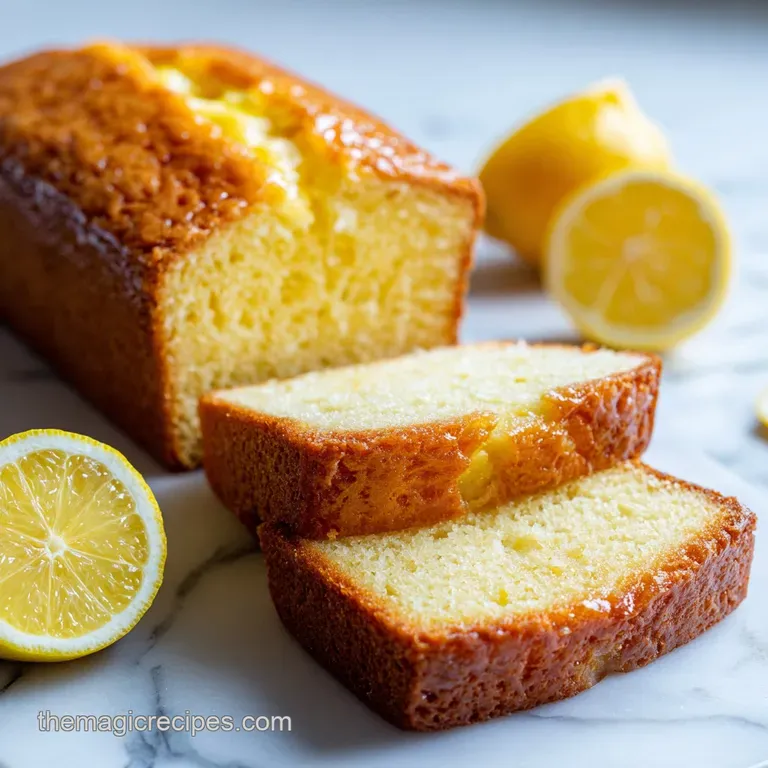
- Time: Active 20 minutes, Passive 60 minutes, Total 80 minutes
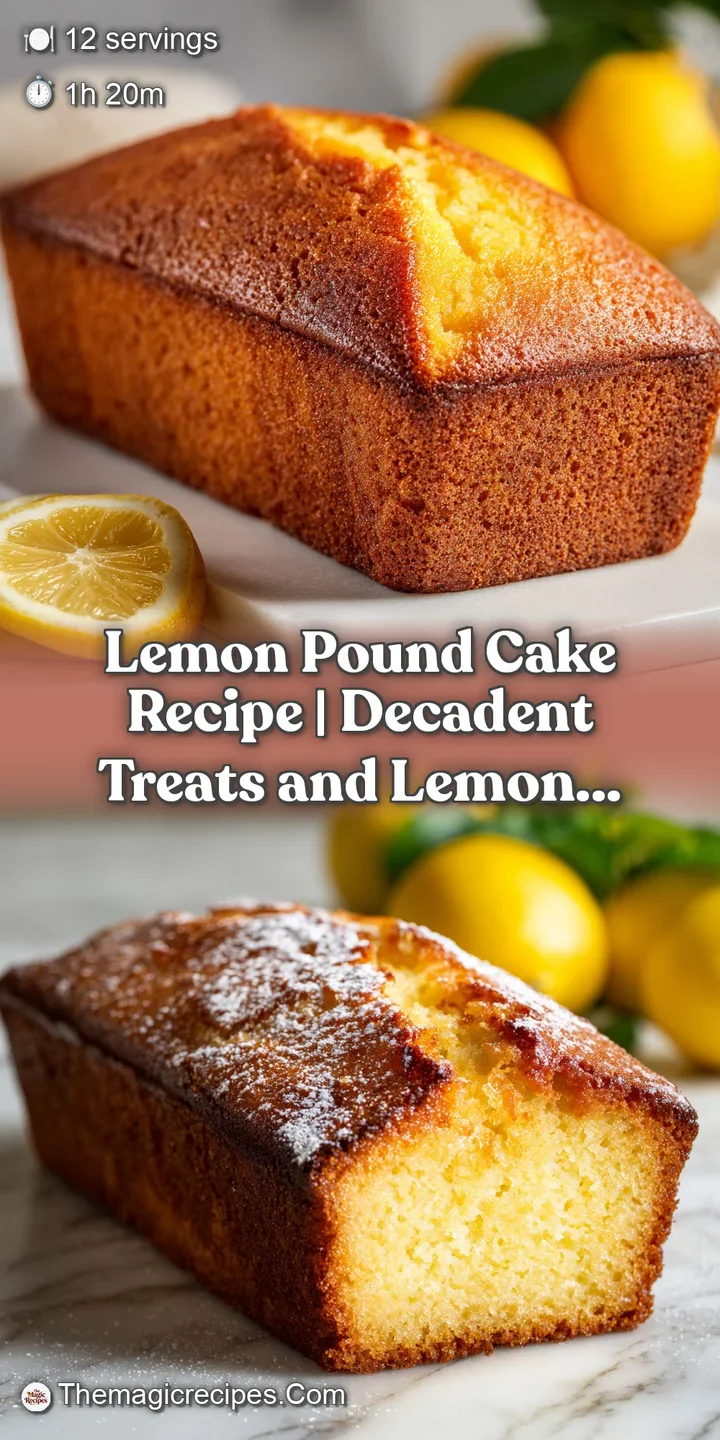
- Flavor/Texture Hook: Zesty citrus punch with a velvety, tight crumb and a shattering glaze
- Perfect for: Decadent afternoon tea or an impressive bakery quality brunch centerpiece
- The Secret to Bakery Quality Lemon Pound Cake
- Vital Statistics for a Decadent Bake
- Essential Elements for Zesty Batter
- Necessary Tools for Velvety Crumbs
- Steps for a Golden Masterpiece
- Common Pitfalls and Professional Fixes
- Flavor Swaps for Every Occasion
- Proper Storage for Moist Slices
- Perfect Pairings for Afternoon Tea
- Kitchen Myths Debunked
- Recipe FAQs
- 📝 Recipe Card
The Secret to Bakery Quality Lemon Pound Cake
Imagine walking into your kitchen and being hit by a wave of bright, floral citrus mixed with the heavy, sweet scent of browning butter. That is the reality of this Lemon Pound Cake.
You are about 80 minutes away from pulling a heavy, golden loaf out of the oven that looks like it belongs in a high end pastry shop window. The payoff here is huge: minimal effort for a result that feels incredibly indulgent and sophisticated.
I’ve spent a lot of time testing the limits of citrus in baking. Most recipes leave you with a faint whisper of lemon that disappears once the cake hits the oven. Not this one. By using a specific technique to massage the lemon oils directly into the sugar, we lock that fragrance into the very DNA of the cake.
It isn’t just a "lemon flavored" cake; it’s a lemon experience that fills your entire home with a scent better than any expensive candle.
This recipe is for those of us who believe that a pound cake should be substantial. It shouldn’t be airy or spongy like a chiffon; it needs to be dense, velvety, and rich enough to stand up to a thick layer of sharp, sweet glaze. We’re going for total decadence here.
If you’ve ever struggled with a dry loaf or a flavorless crumb, you can stop searching. We’ve got the science and the tricks to make sure every single slice is bakery quality.
Creaming Power: Beating the butter and sugar for a full 5 minutes creates millions of tiny air pockets. These act as the primary leavening agent, ensuring the cake rises without becoming "holey" or bread like.
Essential Oil Extraction: Rubbing the zest into the granulated sugar physically breaks the tiny juice sacs in the lemon peel. This releases the limonene oils, which are fat soluble and flavor the butter much more effectively than juice alone.
Acid and Structure: The sour cream provides a dual benefit: its acidity tenderizes the gluten for a "melt in-your mouth" feel, while its high fat content provides the heavy, indulgent moisture we crave.
Emulsion Stability: Adding eggs one at a time ensures the fat from the butter and the water from the eggs don't separate. A stable emulsion leads to a uniform, velvety crumb rather than a greasy, sunken mess.
| Thickness | Internal Temp | Rest Time | Visual Cue |
|---|---|---|---|
| 9x5 Loaf | 205°F (96°C) | 15 minutes | Deep golden top with a clean skewer |
| Mini Loaves | 200°F (93°C) | 10 minutes | Edges pulling away from the pan |
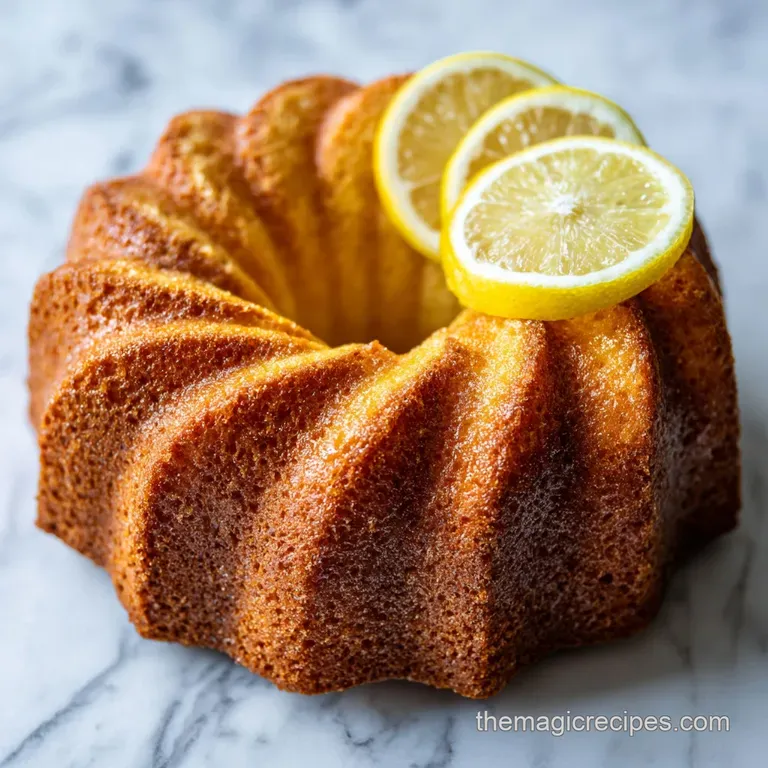
| Bundt Style | 210°F (99°C) | 20 minutes | Firm to the touch with no "jiggle" |
This table helps you decide exactly when to pull that cake out of the heat. Because every oven runs a bit differently, relying on a thermometer or a specific visual cue like the "clean skewer" test is far more reliable than a timer alone.
You want that internal temperature to be high enough to set the structure but not so high that you’re essentially making sweet toasted bread.
Vital Statistics for a Decadent Bake
| Component | Science Role | Pro Secret |
|---|---|---|
| Unsalted Butter | Provides fat and structure through creaming | Use high fat European style butter for a richer, more velvety mouthfeel. |
| Sour Cream | Adds moisture and tenderizing acidity | Never use low-fat; the full fat version is what gives the cake its "heft." |
| Granulated Sugar | Breaks down butter and holds moisture | Massaging the zest into the sugar first intensifies the citrus aroma by 2x. |
A quick word on the butter choice. Since this is a pound cake, the butter isn't just a background player; it’s the lead singer. Using a high-quality butter with less water content will change the way the crumb sets.
You'll notice the difference the moment you cut into it the slice will feel heavier and look more uniform.
Essential Elements for Zesty Batter
The beauty of a classic Lemon Pound Cake lies in the simplicity of its pantry staples. However, the quality of these items dictates the final decadence level. I always recommend using fresh lemons bottled juice simply cannot replicate the bright, sharp zing of a fruit you just zested yourself.
- 1.5 cups unsalted butter, softened: The foundation of the cake. Why this? Provides the richness and "melt in-the mouth" fat content.
- 2 cups granulated sugar: Sweetness and aeration partner. Why this? Its crystalline structure is necessary for effective creaming.
- 4 large eggs, room temperature: The binding agent. Why this? Cold eggs will break your butter emulsion instantly.
- 1 tsp vanilla extract: A flavor balancer. Why this? It rounds out the sharp citrus notes with a floral finish.
- 3 cups all purpose flour, sifted: The skeletal structure. Why this? Sifting ensures no lumps and a more refined, professional crumb.
- 0.5 tsp baking powder: The lift. Why this? Just enough to help the heavy batter rise slightly.
- 0.5 tsp salt: The flavor enhancer. Why this? It cuts through the sugar and makes the lemon "pop."
- 0.5 cup full fat sour cream: The secret moisture weapon. Why this? Adds tang and ensures the cake stays moist for days.
- 0.25 cup fresh lemon juice: The acidity. Why this? Activates the leavening and provides the internal citrus punch.
- 3 tbsp lemon zest: The aromatic powerhouse. Why this? Where the majority of the true lemon flavor lives.
- 1.5 cups powdered sugar: The base for the glaze. Why this? Dissolves quickly for a smooth, glass like finish.
- 3 tbsp fresh lemon juice (for glaze): The sharp finish. Why this? Provides a tart contrast to the sweet cake.
- 1 tbsp melted butter: The glaze stabilizer. Why this? Gives the glaze a professional shine and helps it set.
| Original Ingredient | Substitute | Why It Works |
|---|---|---|
| Full Fat Sour Cream | Greek Yogurt (Full Fat) | Similar acidity and fat content. Note: Crumb may be slightly tangier. |
| Unsalted Butter | Salted Butter | Works fine; just omit the 0.5 tsp of salt in the dry ingredients. |
| All Purpose Flour | Cake Flour | Creates an even finer, more delicate texture. Note: Result is less "sturdy." |
When thinking about substitutions, keep in mind how they affect the density. If you’re looking for a different texture profile altogether, like something with a cheesecake inspired twist, you might enjoy my Lemon Coconut Cheesecake Cookies which use that same zest rubbing technique but in a smaller, punchier format.
Necessary Tools for Velvety Crumbs
To get that bakery quality finish, you need the right gear. A stand mixer is your best friend here because creaming butter and sugar for five minutes by hand is a workout most of us aren't looking for on a Sunday morning. If you have a KitchenAid with a paddle attachment, that’s the gold standard.
Your loaf pan also matters. I prefer a heavy duty 9x5 inch metal pan over glass. Metal conducts heat more evenly and gives you those beautiful, sharp, golden edges. If you use glass, the outside might overcook before the middle is set. Also, grab a fine microplane or zester.
You want the zest to be almost like a powder, not long, stringy pieces that get stuck in your teeth.
Steps for a Golden Masterpiece
Phase 1: The Citrus Sugar Infusion
Combine the granulated sugar and 3 tbsp of lemon zest in your large mixing bowl. Using your fingertips, rub the zest into the sugar for about 2 minutes. You will smell the oils releasing immediately, turning the sugar into a fragrant, damp, neon yellow sand.
Note: This ensures the flavor is distributed through every crumb, not just in pockets.
Phase 2: Mastering the Creaming Method
Add the 1.5 cups of softened butter to your lemon scented sugar. Using a stand mixer with the paddle attachment, beat on medium high speed for exactly 5 minutes. Watch for the color to change from yellow to a pale ivory, and the texture should look like fluffy whipped cream.
Phase 3: Emulsifying the Liquids
Add the 4 large eggs one at a time. Beat for 30 seconds after each egg until fully incorporated. The batter should remain smooth and glossy; if it looks curdled, your eggs were likely too cold. Stir in the vanilla extract at the very end of this phase.
Phase 4: Sifting the Foundation
In a separate medium bowl, whisk together the 3 cups of sifted flour, 0.5 tsp baking powder, and 0.5 tsp salt. Note: Sifting is non negotiable for a professional grade pound cake to prevent "flour clumps."
Phase 5: The Alternating Addition
Set your mixer to its lowest speed. Add one third of the dry ingredients, followed by half of the 0.5 cup sour cream. Repeat this, ending with the final third of the dry ingredients. Stop the mixer as soon as the last streak of flour disappears to avoid overworking the gluten.
Phase 6: The Final Citrus Punch
Gently fold in the 0.25 cup of fresh lemon juice by hand with a spatula. The batter will smell incredibly sharp and bright at this point. Ensure you scrape the bottom of the bowl to catch any stray butter or flour.
Phase 7: The Low and Slow Bake
Pour the thick batter into your greased 9x5 inch loaf pan, smoothing the top with a spatula. Bake at 325°F (165°C) for approximately 60 minutes. The kitchen will fill with a warm, buttery citrus aroma as the cake nears completion.
Use a skewer to check the center; it should come out clean or with just a few moist crumbs.
Phase 8: Finishing with the Glaze
While the cake cools in the pan for 15 minutes, whisk together the 1.5 cups powdered sugar, 3 tbsp lemon juice, and 1 tbsp melted butter. Drizzle this velvety glaze over the slightly warm cake.
The glaze should shatter slightly as it sets, creating a beautiful contrast to the soft cake below.
| Method | Time | Texture | Best For |
|---|---|---|---|
| Fresh (Scratch) | 80 minutes | Dense, velvety, aromatic | Holidays, special gifts, tea parties |
| Box Mix Shortcut | 45 minutes | Light, spongy, artificial | Last minute snacks, kids' lunches |
| Bundt Variation | 70 minutes | Crispier exterior, soft middle | Large crowds and elegant presentation |
There’s a clear trade off here. While the box mix is faster, it lacks the deep, buttery soul of a scratch made loaf. The fresh method allows the lemon oils to truly shine, whereas shortcuts usually rely on artificial extracts that can taste a bit like cleaning products.
Common Pitfalls and Professional Fixes
The Dreaded Sunken Center
If your cake looks beautiful in the oven but collapses as it cools, you likely over creamed the eggs or under baked the middle. While we want lots of air in the butter sugar stage, once the eggs go in, you want to be more careful. Also, never open the oven door during the first 40 minutes!
That sudden drop in temperature is a cake's worst enemy.
A Tough and Rubbery Crumb
This usually happens because of over mixing once the flour is added. When flour meets liquid and gets agitated, gluten starts to develop. Great for sourdough, terrible for pound cake. Mix the dry ingredients just until they are combined. Think of it as "incorporating" rather than "beating."
The Glaze Disappears
If you pour the glaze while the cake is piping hot, it will simply soak into the sponge. While this makes for a moist cake, you lose that beautiful, opaque white finish. Wait until the cake is just warm to the touch about 15 to 20 minutes out of the oven to get that perfect, thick coating.
| Problem | Root Cause | Solution |
|---|---|---|
| Greasy Texture | Butter was too soft/melted | Use "cool room temp" butter (65°F/18°C). |
| Dry, Crumbly Cake | Overbaked or low-fat dairy | Use a thermometer; always use full fat sour cream. |
| Burnt Edges | Oven temperature too high | Check oven with a separate thermometer; reduce to 320°F (160°C). |
Common Mistakes Checklist:
- ✓ Use room temperature eggs (prevents the batter from breaking/curdling).
- ✓ Rub zest into sugar (this is the only way to get a professional aroma).
- ✓ Sift the flour (prevents dense, unappealing lumps in the crumb).
- ✓ Grease and flour the pan (even "non stick" pans need help with this much sugar).
- ✓ Let the cake rest in the pan for 15 minutes (allows the structure to set before moving).
Flavor Swaps for Every Occasion
If you want to move beyond the classic lemon, there are plenty of ways to mix things up. I often like to add 2 tablespoons of poppy seeds during the flour stage for a "Lemon Poppy Seed" crunch that feels very old school bakery.
If you're feeling adventurous, replace the lemon juice and zest with lime and add a splash of tequila to the glaze for a "Margarita Pound Cake" that is always a hit at summer parties.
For something even more indulgent and slightly more rustic, you could try a Buttermilk Pound Cake which offers a similar density but with a deeper, cultured dairy tang. It pairs beautifully with macerated strawberries and whipped cream.
- For a Floral Twist: Use Meyer lemons instead of standard lemons; they are sweeter and have a slight bergamot like aroma.
- For a Spice Kick: Add 1/2 tsp of ground ginger to the dry ingredients for a zesty, warming background note.
- For a Berry Burst: Toss 1 cup of fresh blueberries in a tablespoon of flour and fold them in at the very end.
Proper Storage for Moist Slices
Pound cake is one of the few desserts that actually tastes better on day two. The flavors have time to marry, and the moisture redistributes. Keep it in an airtight container or wrap it tightly in plastic wrap at room temperature for up to 3 days.
If you still have leftovers after that, move it to the fridge for another 4 days, but be sure to let a slice come back to room temperature before eating so the butter softens.
For long term storage, this cake freezes beautifully. I like to freeze individual slices wrapped in parchment and then foil. They stay fresh for up to 3 months. When the craving hits, just pull a slice out and let it thaw on the counter for 30 minutes. It’s like a gift to your future self.
Zero Waste Tip: If the cake does eventually get a bit dry, don't throw it out! Use the leftovers for French Toast. The high sugar and butter content makes for the most indulgent breakfast you’ve ever had.
Alternatively, cube the dry cake and use it as the base for a lemon berry trifle with layers of custard and whipped cream.
Perfect Pairings for Afternoon Tea
This Lemon Pound Cake is a star on its own, but it plays well with others. If you're serving this for brunch, a side of fresh raspberries or a dollop of lemon curd really emphasizes the citrus notes.
For an afternoon tea, serve it alongside a strong Earl Grey tea the bergamot in the tea complements the lemon oils in the cake perfectly.
- If you want a lighter feel: Serve with a side of lightly sweetened Greek yogurt and fresh mint.
- If you want maximum indulgence: Top with a scoop of vanilla bean ice cream while the cake is still slightly warm.
- If you want a sophisticated dessert: Serve a thin slice with a glass of chilled Limoncello or a late harvest Riesling.
Chef's Tip: To get that professional "crack" down the center of your loaf, dip a knife in melted butter and draw a shallow line down the middle of the batter right before putting it in the oven. It directs the steam and creates a beautiful, symmetrical split.
Kitchen Myths Debunked
Many people believe that "all purpose flour is just as good as cake flour" for every recipe. While AP flour works perfectly here for a sturdy, traditional pound cake, they aren't interchangeable without consequence.
AP flour has more protein, which creates a stronger gluten network great for this loaf, but if you want something "fluffy," you'd need cake flour.
Another myth is that you can "save time" by using melted butter. Melted butter and softened butter behave entirely differently in baking. Melted butter cannot hold air bubbles, meaning your cake will be a heavy, greasy brick rather than a velvety masterpiece.
Always stick to the "softened" requirement for this specific creaming method.
Finally, "more lemon juice equals more flavor" is a trap. If you add too much juice to the batter, you'll throw off the pH balance and the liquid to solid ratio, resulting in a soggy bottom. The real flavor comes from the zest! If you want more punch, double the zest, not the juice.
Trust the science on this one; the sugar zest rub is your best friend.
Recipe FAQs
What is the secret to making a good pound cake?
The secret is aeration through creamed butter and sugar. Beating the softened butter and sugar on medium high speed for a full 5 minutes creates a stable structure that yields a fine, velvet like crumb.
Is it true I must follow the 1234 cake rule for a perfect pound cake?
No, this is a common misconception. While the traditional 1-2-3-4 ratio is a historical guideline, modern recipes often adjust fat and liquid ratios, like our use of sour cream, to ensure a moister result than the old-fashioned dense variety.
What are some common mistakes to avoid when making pound cake?
Avoid using cold ingredients. Eggs must be at room temperature to properly emulsify with the butter; if they are cold, the batter can break, leading to a heavy or greasy cake.
What is the best glaze for lemon pound cake?
Whisk together powdered sugar, fresh lemon juice, and melted butter. This combination creates a bright, tangy finish that soaks slightly into the crust for an extra punch of citrus flavor. If you enjoyed the sweet tart balance here, see how we use the same acid technique in our homemade sauce recipe.
How to ensure the cake doesn't stick to the loaf pan?
Grease the pan thoroughly before adding the batter. Ensuring every corner of your 9x5 inch pan is coated allows for an easy release after the 60-minute bake time.
How to tell if the pound cake is done baking?
Insert a skewer into the center of the cake. When the skewer comes out clean without wet batter attached, your cake is perfectly baked and ready to cool.
How to store leftovers so the cake stays moist?
Wrap the cooled cake tightly in plastic wrap. Keeping it airtight at room temperature prevents the crumb from drying out over the next few days.
Moist Lemon Pound Cake
Ingredients:
Instructions:
Nutrition Facts:
| Calories | 560 kcal |
|---|---|
| Protein | 6 g |
| Fat | 28 g |
| Carbs | 73 g |
| Fiber | 1 g |
| Sugar | 49 g |
| Sodium | 115 mg |
