No Bake Peanut Butter Balls | Guaranteed Fudgy Texture
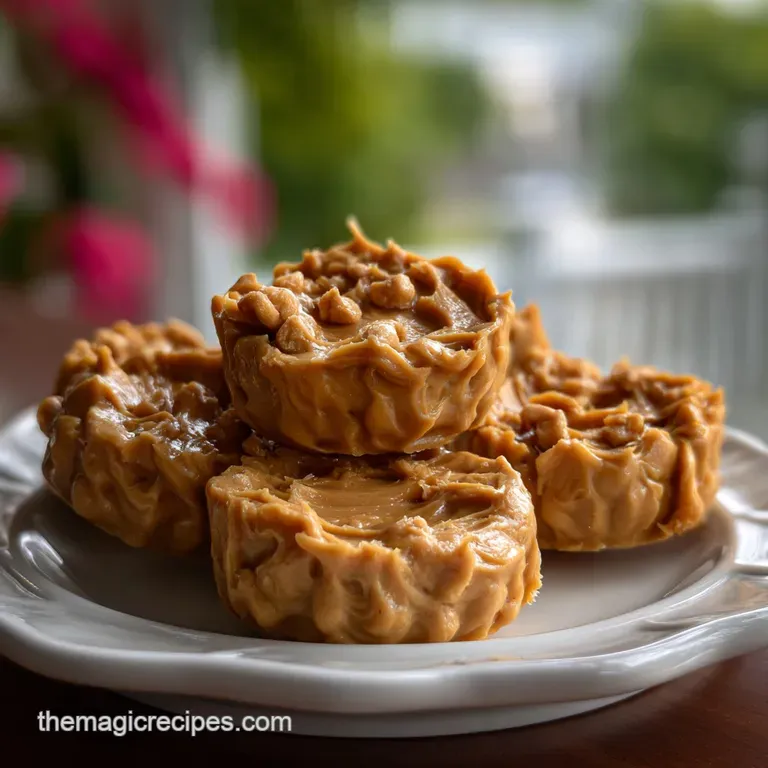
- Effort/Time: 50 minutes total (Active: 20 minutes)
- Flavor Hook: Salty-sweet roasted peanut base with a dark chocolate snap
- Perfect for: Holiday platters, high-energy snacking, and make-ahead gifting
- The Structural Physics of No-Bake Confections: Why This Recipe Works
- Timeline, Yield, and Thermal Requirements for Your Batch
- The Alchemy of Confectionery: Ingredient Chemistry Breakdown
- Curating the Elements for Maximum Flavor Density
- Technical Tooling for Precision Portioning
- Mastering the Architecture of the Perfect Peanut Butter Ball
- Why Your Truffles Fail: Mechanical and Thermal Solutions
- Customizing the Profile: From Salted Caramel to Protein Boosts
- The Physics of Quantity: Non-Linear Scaling Protocols
- Debunking Confectionery Folklore
- Preserving Textural Integrity and Waste-Reduction Strategies
- Serving Suggestions for Professional Presentation
- Recipe FAQs
- 📝 Recipe Card
There is nothing more frustrating than spending an hour rolling confections only to have them lose their shape and turn into oily puddles the moment they hit the serving tray. I’ve witnessed the "meltdown" firsthand where the fat in the peanut butter separates from the sugar, leaving you with a greasy, unappetizing mess that costs $15 in wasted ingredients and even more in lost time.
This failure usually stems from a lack of structural binding or improper temperature management during the dipping phase when making peanut butter balls.
Early in my blogging journey, I once tried to rush a batch for a party by skipping the refrigeration step. I ended up with "peanut butter balls" that looked more like flat pancakes, and the chocolate coating refused to adhere, sliding off in sad, waxy sheets.
It was a humbling lesson in the physics of lipid stabilization and why you cannot cheat the cooling curve when working with high fat nut butters to create perfect peanut butter balls.
The secret to a professional grade result lies in Hygroscopic Balancing—using the dry matter in powdered sugar and quick oats to anchor the fats. By chilling the dough before dipping, we utilize thermal mass to snap set the chocolate, creating a clean, professional finish.
The result isn't just a snack; it's a perfectly engineered bite with a velvety interior and a chocolate shell that offers a distinct, audible shatter when you bite into it. Mastering these peanut butter balls transforms your dessert game.
The Structural Physics of No-Bake Confections: Why This Recipe Works
- Lipid Stabilization: The ratio of Jif Creamy Peanut Butter to Kerrygold Unsalted Butter creates a saturated fat network that stays firm at room temperature, essential for stable peanut butter balls.
- Starch Scaffolding: Quaker Quick Oats act as microscopic sponges, absorbing excess oils and providing a structural "skeleton" that prevents the balls from collapsing.
- Emulsion Management: The addition of Viva Labs Coconut Oil to the chocolate reduces surface tension, allowing for a thinner, more even coating that resists cracking on these treats.
- Crystalline Structure: Sifting the powdered sugar ensures even distribution of glucose molecules, preventing "gritty" pockets and ensuring a smooth, melt-on-the-tongue mouthfeel for every single one of your peanut butter balls.
Timeline, Yield, and Thermal Requirements for Your Batch
| Metric | Specification |
|---|---|
| Total Yield | 26 servings (approximately 1.5 inch spheres) |
| Prep Time | 20 minutes active assembly |
| Cook Time | 30 minutes (thermal setting and chocolate melting) |
| Total Time | 50 minutes |
| Optimal Storage Temp | 38°F (4°C) for longevity; 68°F (20°C) for serving |
The Alchemy of Confectionery: Ingredient Chemistry Breakdown
Ingredient Chemistry Breakdown
| Ingredient | Chemical/Physical Role (Science) | The Pro Secret (Why This Matters) |
|---|---|---|
| Creamy Peanut Butter | Provides the primary lipid protein matrix | Use a stabilized brand (not "natural") to prevent oil separation during the rolling process. |
| Powdered Sugar | Acts as a hygroscopic bulking agent | Sifting is non-negotiable; it aerates the sugar to prevent dense, leaden centers. |
| Quick Oats | Structural reinforcement via starch fiber | Oats provide a "chew" that mimics a baked crumb without requiring oven heat. |
| Semi Sweet Chocolate | Creates a moisture resistant barrier | The polyphenols in chocolate provide a bitter counter balance to the high sugar content. |
Curating the Elements for Maximum Flavor Density
- 1 cup (250g) Jif Creamy Peanut Butter: Why this? Stabilized oils ensure the dough holds its shape without weeping.
- 1/4 cup (55g) Kerrygold Unsalted Butter, softened: Why this? High butterfat content provides a richer mouthfeel than margarine.
- 1 tsp (5ml) Nielsen Massey Pure Vanilla Extract: Adds aromatic depth to the sugar fat interface.
- 1/4 tsp (1.5g) Diamond Crystal Fine Sea Salt: Breaks the sweetness threshold and enhances the roasted nut notes.
- 2 cups (240g) C&H Powdered Sugar, sifted: Why this? Fine particles create a velvety texture without graininess.
- 1.5 cups (135g) Quaker Quick Oats: Provides the necessary "bite" and structural integrity for these peanut butter balls.
- 1.5 cups (255g) Ghirardelli Semi Sweet Chocolate Chips: Why this? High cocoa butter content ensures a superior "snap" when set.
- 1 tbsp (15ml) Viva Labs Coconut Oil: Lowers the melting point of the chocolate for a smooth, glossy dip.
If you find yourself running low on ingredients, you can easily pivot. This recipe is quite similar to the base logic found in my Peanut Butter Cookies recipe, where the balance of fat and sugar dictates the final spread of your peanut butter balls.
Technical Tooling for Precision Portioning
To achieve a professional finish, you'll need the right gear. I recommend a KitchenAid Stand Mixer fitted with the paddle attachment to ensure the butter and peanut butter are fully emulsified. A Lodge 1.5 quart Saucepan works perfectly as the base for a DIY double boiler.
For portioning, a #60 (1 tablespoon) Cookie Scoop ensures every one of your peanut butter balls is identical in size, which is critical for even chocolate dipping.
Finally, a Silpat Non-stick Silicone Baking Mat is essential; it prevents the chocolate from sticking to the tray, ensuring the bottoms of your treats remain smooth and professional.
Mastering the Architecture of the Perfect Peanut Butter Ball
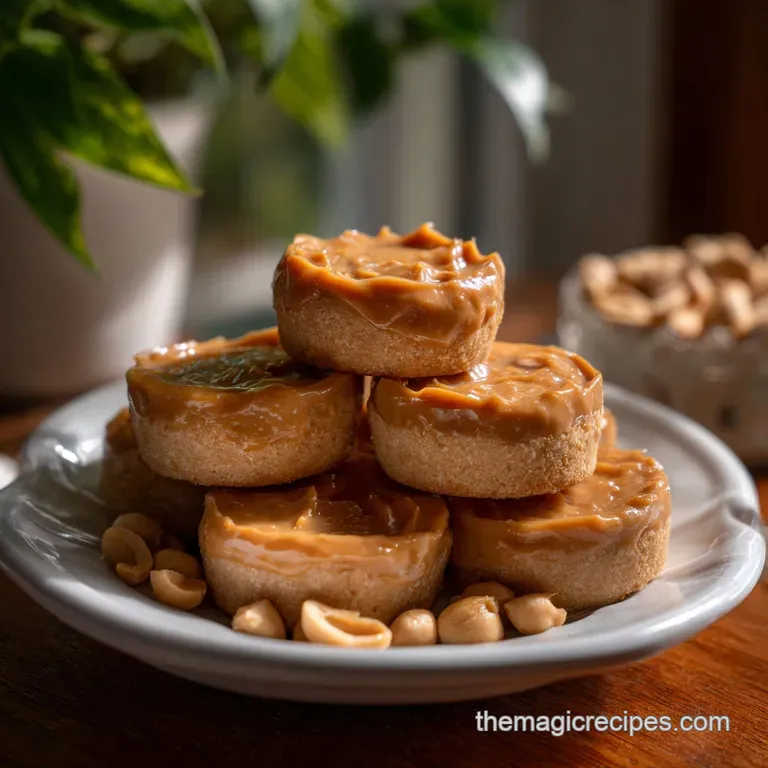
- Cream the lipids. Combine the peanut butter and softened butter in your mixer bowl for 3 minutes until the mixture is pale, aerated, and completely smooth.
- Infuse aromatics. Add the vanilla extract and fine sea salt, mixing for 30 seconds until the fragrance is consistent and no salt crystals are visible.
- Incorporate the sugar. Gradually add the sifted powdered sugar on low speed until the mixture resembles a soft, pliable clay that doesn't stick to your fingers.
- Fold in the oats. Stir in the quick oats manually until the starches are evenly distributed and the dough feels heavy and textured.
- Shape the spheres. Scoop 1 tablespoon portions and roll between your palms until the surface is mahogany colored, smooth, and free of cracks. The final shape of your peanut butter balls matters here.
- Flash chill the dough. Place the rolled balls on a lined tray in the freezer for 15 minutes until they are firm to the touch and hold their shape when pressed.
- Establish a double boiler. Melt the chocolate chips and coconut oil over simmering water until the liquid is glossy, pourable, and free of lumps.
- Execute the dip. Using a fork or dipping tool, submerge each ball into the chocolate until fully coated, then tap off the excess to prevent pooling.
- Set the shell. Return the coated balls to the lined tray for 20 minutes until the chocolate loses its wet sheen and becomes matte and firm.
- Final inspection. Ensure no "feet" (pooled chocolate) have formed at the base; trim with a paring knife if necessary. These beautiful peanut butter balls are almost done.
Why Your Truffles Fail: Mechanical and Thermal Solutions
Why Your Peanut Butter Balls Sweat
When peanut butter balls are moved from a cold freezer to a humid kitchen, condensation forms on the surface. This moisture can prevent the chocolate from adhering or cause "blooming" later on. This is often caused by a lack of sugar-to-fat balance, where the oil migrates to the surface.
| Problem | Root Cause | The Fix | Pro Protocol |
|---|---|---|---|
| Cracking Shells | Thermal shock (cold ball vs. hot chocolate) | Let balls sit at room temp for 5 mins post freeze | Add coconut oil to increase chocolate flexibility |
| Grainy Texture | Un-sifted sugar or "natural" PB | Use a fine mesh sieve for sugar; use stabilized PB | Pulse the oats in a blender for 5 seconds for a smoother interior |
| Soft/Mushy Centers | Improper lipid-to-starch ratio | Add 2 3 tbsp more oats or sugar | Always chill the dough for at least 30 mins if the kitchen is over 75°F |
Customizing the Profile: From Salted Caramel to Protein Boosts
If you’re looking to change the flavor profile of your peanut butter balls, there are several ways to adjust the "flavor architecture." For a more traditional holiday feel, you might want to look at how I balance similar flavors in my Peanut Butter Blossom Cookies recipe.
Double Chocolate Crunch (Flavor Twist)
Swap the quick oats for crushed cocoa flavored cereal or chocolate covered rice crisps. This increases the "shatter" factor within the center. Ensure you maintain the same volume (1.5 cups) to keep the moisture balance correct for sturdy peanut butter balls.
Vegan & dairy-free (Diet Swap)
Replace the unsalted butter with a high-quality vegan butter block (like Miyoko's) and use dairy-free chocolate chips. The chemistry remains nearly identical because the fat-to-sugar ratio is maintained, ensuring great vegan peanut butter balls.
| Original Ingredient | Substitute | Why It Works |
|---|---|---|
| Unsalted Butter | Coconut Oil (solid) | Similar saturated fat level, though it adds a subtle tropical note. |
| Quick Oats | Graham Cracker Crumbs | Provides a classic "Buckeye" texture; more hygroscopic, so use 10% less. |
| Chocolate Chips | White Chocolate | Higher sugar/milk solid content; requires lower melting temps to avoid seizing. |
The Physics of Quantity: Non-Linear Scaling Protocols
⚗️ The Scaling Lab
When doubling a batch of peanut butter balls, you cannot simply multiply everything by two and expect the same mechanical results.
- The Evaporation Paradox: While this is a no-bake recipe, the moisture content of your butter matters. In a larger batch, the friction from the mixer generates more heat, which can soften the fats faster. Reduce the butter by 1 tablespoon when doubling to ensure the dough doesn't become too greasy for structural peanut butter balls.
- Flavor Saturation: Scale the salt and vanilla to 1.5x, not 2x. Concentrated extracts and fine salts can easily overwhelm a large volume of fat.
- Thermal Mass & Thermodynamics: A double batch of chocolate takes significantly longer to melt. If you overheat it, the chocolate will lose its temper and become waxy. Melt in smaller, 1 cup increments to ensure you always have fresh, glossy chocolate for dipping.
- Pan Crowding: Do not crowd the freezer tray. If the balls are touching, they will create "cold spots" where the chocolate won't set evenly, leading to structural weak points in the coating of your peanut butter balls.
Debunking Confectionery Folklore
Myth: You must use "natural" peanut butter for the best flavor. Truth: Natural PB lacks the emulsifiers (like mono- and diglycerides) found in brands like Jif.
Without these, the oil will separate and the balls will lose their structural integrity within hours, making it impossible to form good peanut butter balls.
Myth: Freezing the balls for hours makes dipping easier. Truth: If the centers are too cold, the chocolate will set too fast, resulting in a thick, uneven coating that is prone to cracking as the center expands slightly upon warming.
A semi frozen center is ideal for the best peanut butter balls.
Preserving Textural Integrity and Waste Reduction Strategies
- Fridge
- Store in an airtight container with parchment paper between layers for up to 2 weeks. The cold environment maintains the crispness of the chocolate shell.
- Freeze
- These are perfect for long term storage. Flash freeze on a tray first, then move to a vacuum sealed bag for up to 3 months.
- Serving
- For the best mouthfeel, remove from the fridge 15 minutes before serving. This allows the peanut butter fats to soften slightly while keeping the chocolate snap intact.
💡 ZERO WASTE PHILOSOPHY Don't discard the leftover melted chocolate! Transform: Stir in a handful of the quick oats and any leftover crushed peanuts. Science: This creates a simple "cluster" candy. The oats provide a starch base that stabilizes the chocolate as it cools, preventing it from becoming a solid, un-biteable brick. You can also use any leftover dough scraps as a mix-in for a simple vanilla bean base, similar to the process in my Butter Cake recipe.
Serving Suggestions for Professional Presentation
When serving your peanut butter balls, contrast is your best friend. I love placing these on a slate board or a white ceramic platter to make the dark chocolate pop.
To take the sensory experience a step further, sprinkle a tiny pinch of Maldon Flaky Sea Salt on top of the chocolate before it fully sets. The large salt flakes provide a "tactile crunch" that signals to the palate that a savory sweet explosion is coming.
If you’re hosting a larger event, these pair exceptionally well with a bitter espresso or a dark roast coffee. The bitterness of the coffee cuts through the 16.5g of sugar per serving, cleansing the palate between every decadent, velvety bite.
Trust me, once you master the ratio of lipid-to-starch, these will become the most requested treat in your rotation. Let's crack on and get rolling with your delicious peanut butter balls!

Recipe FAQs
how to make peanut butter balls?
Cream, mix, roll, chill, and dip in melted chocolate. The key is ensuring the fats and sugars form a stable matrix before chilling the dough for 15 minutes. If you enjoyed mastering the dough handling technique here, see how we adapt the high fat ratio principles in our Chocolate Chip Cookies: The Best Chewy, Gooey Melted Butter Recipe.
how to make peanut butter balls with rice krispies?
Substitute 1 cup of quick oats with Rice Krispies. Cereal adds an airy crunch but absorbs less ambient moisture than oats. This technique is similar to the aeration method used for light textures, like in our Chicken Meatballs: The Best Tender, Moist Lemon Herb Recipe.
how to make peanut butter balls without chocolate?
Roll in powdered sugar, cocoa, or crushed nuts immediately. The chocolate coating acts as a moisture barrier; without it, roll immediately after chilling and briefly coat in a dry ingredient to prevent surface stickiness.
how to make peanut butter balls with powdered sugar?
Add 2 cups of sifted powdered sugar to bind the fats. Sifting prevents dense pockets, ensuring the sugar molecules fully integrate into the lipid structure. Too much sugar makes the dough brittle when chilled.
Temperature shock causes the hardened sugar matrix to fracture when the chilled ball warms slightly, creating a crumbly texture.
- Add sugar gradually
- Ensure butter is only softened, not melted
- Use a fine mesh sieve
how to make peanut butter balls without powdered sugar?
Replace powdered sugar with an equal volume of fine graham cracker crumbs. Powdered sugar is hygroscopic, meaning it attracts water; graham crumbs absorb oil to stabilize the dough, offering a similar bulking and binding effect without relying on pure sucrose.
Can I use natural, runny peanut butter?
No. Natural peanut butter fails structural integrity tests. Natural peanut butter separates oil easily, leading to greasy, unworkable dough that collapses upon chilling or coating, failing the required lipid stabilization for these no-bake treats.
Do peanut butter balls need to be refrigerated?
Yes, but they are best served slightly warmer than fridge temp. Refrigeration keeps the saturated fats firm, preventing the balls from "sweating" due to oil migration at room temperature. If you prefer a softer center, let them temper for 15 minutes before serving, similar to how we manage serving temperatures for chilled items like Sausage balls: Proper Pub Grub with Smoked Paprika.
No Bake Peanut Butter Balls
Ingredients:
Instructions:
Nutrition Facts:
| Calories | 180 calories |
|---|---|
| Protein | 3.2 g |
| Fat | 10.2 g |
| Carbs | 20.9 g |
| Fiber | 1.3 g |
| Sugar | 16.5 g |
| Sodium | 83 mg |
