Pad Thai: Authentic & Easy
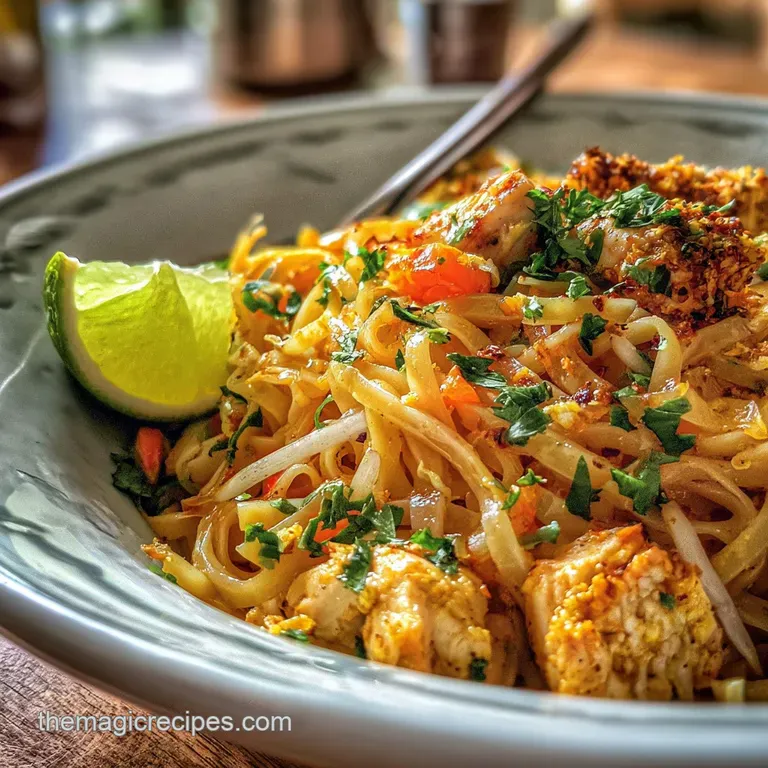
- Time: Active 15 minutes, Passive 10 minutes, Total 25 minutes
- Flavor/Texture Hook: Tangy, funky, and chewy with a nutty crunch
- Perfect for: Impressing guests at a dinner party or a bold weekend project
- The Science of Why it Works
- Precise Measurements for Every Authentic Cooking Occasion
- The Essential Elements for a True Thai Masterpiece
- Necessary Gear for Achieving the Perfect Wok Sear
- A Step-by-Step Guide from Prepping to the Plate
- Common Pitfalls to Avoid for Flawless Noodle Texture
- Creative Variations for Every Dietary Need and Preference
- Maintaining Quality When Storing and Reheating Leftover Noodles
- Final Touches and Pairings for a Global Feast
- Global Flavor Myths
- Very High in Sodium
- Recipe FAQs
- 📝 Recipe Card
The first time I tried making this dish, I ended up with a gummy, orange mess that tasted more like ketchup than the vibrant street food I'd fallen in love with in Thailand. I was devastated, but that failure started a global obsession to find the real secret.
It isn’t about fancy equipment; it’s about the timing and the "funk" of the ingredients.
When you get it right, the aroma of scorched shallots and pungent fish sauce fills the air, and the sizzle of the wok becomes a rhythm. It’s an adventurous cooking experience that rewards bravery with a flavor profile that’s loud, bold, and completely authentic.
We’re moving past the "standard" versions and diving into what actually makes this dish sing.
Trust me, once you see those rice sticks turn translucent and soak up that mahogany colored sauce, you’ll never go back to takeout. We’ve all been there with the soggy noodles, but today, we’re fixing that for good. Let's get the wok screaming hot and dive in.
The Science of Why it Works
The Science of Why it Works: The Maillard reaction creates complex flavor molecules when proteins in the chicken and tofu react with reducing sugars under intense heat.
Simultaneously, controlled starch gelatinization ensures the rice noodles absorb the sauce while maintaining a distinct, chewy structure rather than dissolving into mush.
| Texture Target | Noodle Prep | Cook Time | Visual Cue |
|---|---|---|---|
| Al Dente | 25 min cold soak | 2 mins in wok | Translucent but firm |
| Classic Soft | 30 min cold soak | 3 mins in wok | Bendy and glossy |
| Quick Stir fry | 5 min warm soak | 1.5 mins in wok | Fully white and opaque |
Choosing the right texture is the first step in your adventurous cooking journey. If you prefer a bit more bite to your noodles, the cold soak method is non negotiable because it prevents the starch from over hydrating before it hits the pan.
Precise Measurements for Every Authentic Cooking Occasion
This recipe is designed for two, which is actually the "secret" to success. If you try to crowd the pan with more than two servings, the temperature drops, the noodles steam instead of fry, and you lose that bold char we’re looking for.
If you’re hosting a larger global feast, I highly recommend cooking in batches to keep the heat high and the textures precise.
| Component | Amount | Science Role | Pro Secret |
|---|---|---|---|
| Rice Sticks | 150g | Starch base | Cold soak only; never boil |
| Tamarind Paste | 3 tbsp | Acid catalyst | Use concentrate for deep tang |
| Palm Sugar | 3 tbsp | Caramelization | Grate finely for instant melting |
| Fish Sauce | 3 tbsp | Umami bridge | Balances the fermented funk |
I once tried substituting brown sugar for palm sugar, and while it worked in a pinch, it lacked that smoky, rounded sweetness that defines an authentic pad thai recipe. If you’re looking for other bold flavors to round out your meal, the creamy sweetness of a Cream of Coconut recipe makes for a stellar tropical dessert pairing.
The Essential Elements for a True Thai Masterpiece
To get that bold, authentic flavor, you need specific ingredients that don't compromise. Every item in this list serves a purpose in the flavor architecture of the dish.
- 3 tbsp tamarind paste concentrate: Why this? Provides the essential sour backbone that defines the entire dish's flavor profile. (Substitute: Lime juice mixed with brown sugar, though it's less complex)
- 3 tbsp fish sauce: Why this? The source of salt and deep, fermented umami that anchors the sauce. (Substitute: Soy sauce for a vegetarian ish profile)
- 3 tbsp palm sugar, finely grated: Why this? Offers a mellow, caramel like sweetness compared to harsh white sugar. (Substitute: Dark brown sugar)
- 1 tsp chili flakes: Why this? Adds the heat necessary to cut through the sweet and sour notes. (Substitute: Sriracha)
- 150g dried rice sticks (medium width): Why this? The structural foundation; they must be "medium" to hold the sauce correctly. (Substitute: Linguine if desperate, but texture will suffer)
- 200g chicken breast, thinly sliced: Why this? Lean protein that sears quickly without releasing too much moisture. (Substitute: Firm shrimp)
- 1/2 cup extra firm tofu, cut into batons: Why this? Adds a chewy, porous texture that soaks up the savory sauce. (Substitute: Tempeh)
- 1 tbsp dried shrimp, finely chopped: Why this? The "hidden" flavor bomb that provides authentic street style funk. (Substitute: Extra fish sauce)
- 1 tbsp preserved radish, finely minced: Why this? Provides little pops of salty sweet crunch throughout the noodles. (Substitute: Chopped capers)
- 3 cloves garlic, minced: Why this? Essential aromatic base for the initial oil infusion. (Substitute: Shallot whites)
- 2 tbsp shallots, finely diced: Why this? Milder and sweeter than onions, perfect for over high heat frying. (Substitute: Red onion)
- 2 large eggs, lightly beaten: Why this? Adds richness and helps bind the smaller ingredients to the noodles. (Substitute: Just Egg for vegan)
- 2 cups bean sprouts: Why this? Provides a fresh, watery crunch to contrast the heavy sauce. (Substitute: Shredded cabbage)
- 1/2 cup garlic chives, cut into 2 inch lengths: Why this? Delivers a mild garlicky bite without the pungency of raw garlic. (Substitute: Green onion tops)
- 1/4 cup roasted peanuts, crushed: Why this? The final textural element that adds fat and earthy crunch. (Substitute: Toasted cashews)
- 2 lime wedges: Why this? A final hit of citric acid to brighten all the heavy flavors. (Substitute: Rice vinegar)
Necessary Gear for Achieving the Perfect Wok Sear
While you can technically use a large non stick skillet, a carbon steel wok is the gold standard for a quick pad thai recipe. The sloping sides allow you to push ingredients away from the intense heat of the bottom, which is crucial when you’re scrambling the eggs.
If you use a skillet, ensure it’s heavy bottomed to retain heat when the cold ingredients hit the pan.
Chef's Tip: Freeze your tofu for 20 minutes before slicing. This firms up the structure, allowing you to cut those perfect batons without them crumbling in the wok.
You’ll also need a solid pair of long tongs or a wok spatula. The goal is to toss the noodles aggressively to ensure every strand is coated in that glossy pad thai sauce recipe. If you're feeling adventurous with your condiments later, you might find that a Bang Bang Sauce recipe provides a similar creamy spicy thrill for other appetizers, though here we stick to the traditional lime and chili.
A step-by-step Guide from Prepping to the Plate
- Soak the rice sticks. Place the 150g rice sticks in a large bowl of room temperature water for 25 minutes until they are pliable but still have a firm snap. Note: Boiling them makes them mushy later.
- Whisk the sauce emulsion. Combine 3 tbsp tamarind paste, 3 tbsp fish sauce, 3 tbsp palm sugar, and 1 tsp chili flakes in a small bowl until the sugar is mostly dissolved and the liquid is syrupy.
- Prepare the aromatics. Mince the 3 cloves of garlic, dice the 2 tbsp shallots, and chop the 1 tbsp dried shrimp and 1 tbsp preserved radish until they are fine enough to distribute evenly.
- Sear the chicken. Heat 2 tbsp oil in a wok over high heat and add the 200g chicken breast until the edges are golden and the center is opaque.
- Crisp the tofu. Add the 1/2 cup tofu batons to the wok until they develop a slightly leathery, golden exterior.
- Bloom the aromatics. Push the protein to the sides and add the garlic, shallots, dried shrimp, and radish to the center until the air smells intensely fragrant and slightly toasted.
- Flash fry the noodles. Drain the noodles and add them to the wok along with the sauce until the noodles soften and absorb all the liquid.
- Scramble the eggs. Push the noodle mixture to the side, pour in the 2 beaten eggs, and scramble until they are just set but still velvety.
- Toss the greens. Fold in the 2 cups bean sprouts and 1/2 cup garlic chives until the sprouts are slightly wilted but still crunchy.
- Garnish and serve. Plate immediately and top with 1/4 cup crushed peanuts and the lime wedges until the dish looks vibrant and inviting.
Common Pitfalls to Avoid for Flawless Noodle Texture
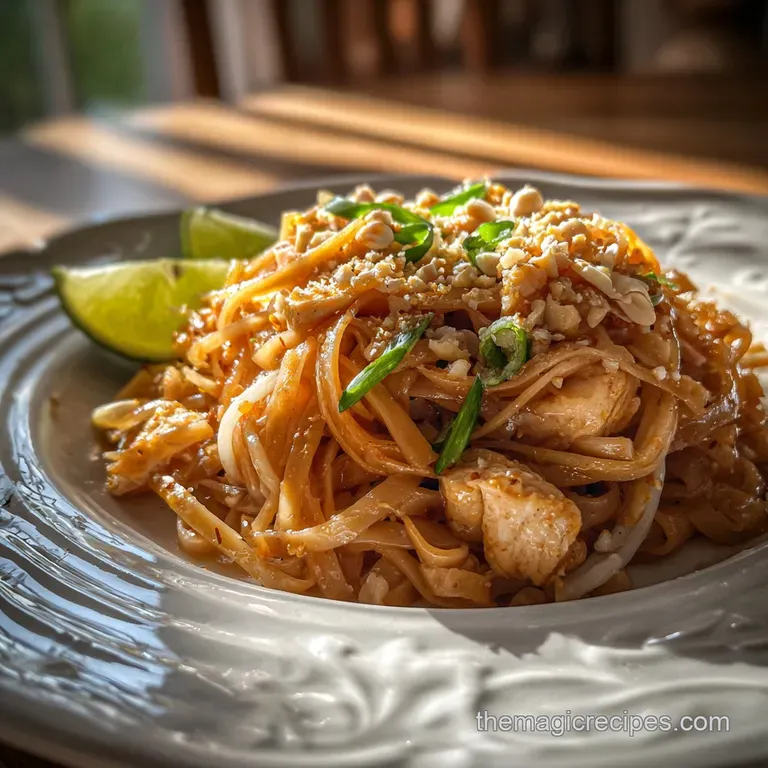
The Clumping Noodle Dilemma
If your noodles turn into a single, solid brick, it’s usually because of starch overflow. When rice noodles are overcooked or soaked in hot water, they release too much surface starch, which acts like glue.
The key is the cold soak method it keeps the starch locked inside the noodle until the very last second in the wok.
The Watery Sauce Problem
Sometimes you’ll find a puddle of liquid at the bottom of your plate. This happens if the wok wasn't hot enough or if the bean sprouts were added too early. The sprouts are 90% water; they should only touch the heat for about 30 seconds to maintain their structure.
| Problem | Root Cause | Solution |
|---|---|---|
| Soggy Noodles | Over soaking in hot water | Soak in cool water for 25-30 mins |
| Lack of Flavor | Not enough tamarind/sugar | Taste sauce before adding; it should be punchy |
| Broken Noodles | Stirring too aggressively | Use a folding motion with tongs or spatula |
Common Mistakes Checklist
- ✓ Never boil your rice noodles; cold soaking is the only way to get that authentic "snap."
- ✓ Pat your chicken and tofu completely dry before they hit the wok to ensure a sear rather than a steam.
- ✓ Ensure the wok is smoking hot before adding the oil; "wok hei" requires high initial heat.
- ✓ Don't double the recipe in one pan; the temperature drop will ruin the texture.
- ✓ Use a high smoke point oil like peanut or canola, never olive oil.
Creative Variations for Every Dietary Need and Preference
While a chicken pad thai recipe is a global favorite, the beauty of this dish is its adaptability. You can easily swap the protein or make it entirely plant based without losing that bold spirit.
If you are going for a shrimp pad thai recipe, make sure to peel and devein them but keep the tails on for presentation. Sear them quickly and remove them from the wok while you cook the noodles, then toss them back in at the end. This prevents the shrimp from turning into rubbery little balls.
| Original Ingredient | Substitute | Why It Works |
|---|---|---|
| Chicken Breast | Large Shrimp | Classic authentic swap; adds sweetness. Note: Cook faster than chicken. |
| Fish Sauce | Vegan "Fish" Sauce | Uses seaweed/shiitake for that fermented saltiness without the seafood. |
| Dried Shrimp | Extra Preserved Radish | Maintains the salty sweet pops of flavor for vegetarians. |
For a vegetarian pad thai recipe, double the tofu and add extra sliced mushrooms for umami. Just be sure to sear the mushrooms separately first to cook out their moisture, otherwise, they’ll turn your noodles soggy.
Maintaining Quality When Storing and Reheating Leftover Noodles
Storage: Keep leftovers in an airtight container in the fridge for up to 3 days. The noodles will continue to absorb moisture, so they will be softer the next day, but the flavor often deepens.
Zero Waste: Don't toss those extra bean sprout ends or chive scraps! They can be tossed into a quick morning omelet or added to a vegetable stock bag in your freezer. If you have extra crushed peanuts, they make a great topping for a simple salad.
Freezing: I generally don't recommend freezing Pad Thai. Rice noodles have a tendency to shatter and lose their elasticity once frozen and thawed. It’s a dish best enjoyed fresh from the wok.
Reheating: To revive those noodles, avoid the microwave if possible. Instead, add a splash of water to a skillet over medium heat, add the noodles, and toss until they are heated through and the water has evaporated.
This "steam fry" method helps separate the strands and restores some of that original chewiness.
Final Touches and Pairings for a Global Feast
Achieving the best pad thai recipe isn't just about the cooking; it’s about how you present it. In Thailand, you’ll always find a "condiment tray" on the table. This allows each person to customize their plate to their own palate.
I always put out extra chili flakes, a small bowl of sugar, and extra fish sauce.
The Traditional Garnish
Don't just dump the peanuts on top. Serve them on the side along with a pile of raw bean sprouts and a wedge of lime. The contrast between the hot, saucy noodles and the cold, crunchy sprouts is what makes the experience truly global and authentic.
Achieving the Flavor Balance
The goal is a perfect triangle of salty, sweet, and sour. If the dish feels "flat," it usually needs more lime (sour). If it’s too pungent, add a pinch more sugar. If it’s missing that deep "wow" factor, a tiny splash more fish sauce usually does the trick.
Trust your senses that's what adventurous cooking is all about.
Global Flavor Myths
One of the biggest misconceptions is that the sauce should be bright red. If your Pad Thai is red, it’s likely full of ketchup or paprika, which are not found in an authentic pad thai recipe. The color should be a deep, golden brown coming from the tamarind and palm sugar caramelizing together.
Another myth is that you need to boil the noodles like pasta. If you boil them, you’ve already lost the battle. The noodles should "cook" in the sauce itself, absorbing the liquid like a sponge. This ensures that every bite is packed with flavor rather than just being coated in it.
Searing the meat also doesn't "seal in juices," but the crust adds that essential Maillard flavor that defines a bold stir fry.
Right then, you've got the science, the steps, and the secrets. It’s time to stop ordering out and start making the best version of this dish right in your own kitchen. Let's crack on!

Very High in Sodium
2480 mg mg of sodium per serving (108% of daily value)
The American Heart Association recommends limiting sodium intake to about 2,300mg per day.
Tips to Reduce Sodium in Your Pad Thai
-
Reduce Fish Sauce-25%
Fish sauce is a major source of sodium. Reduce the amount to 1 tablespoon and supplement flavor with lime juice and a pinch of sugar. This adjustment can significantly reduce the sodium content. Be cautious when adding more, taste as you go.
-
Rinse and Limit Preserved Radish-20%
Preserved radish is high in sodium. Rinse it thoroughly before using to remove excess salt. Use only 1/2 tablespoon of preserved radish or consider omitting it entirely. You can add other fresh vegetables to make up the difference.
-
Limit Dried Shrimp-15%
Dried shrimp contributes a significant amount of sodium. Reduce the amount to 1/2 tablespoon or omit it entirely. If you wish to keep it, try using fresh shrimp (added with the chicken) and pre-cooking it instead of dried. Consider adding more tofu or chicken to increase protein.
-
Make Homemade Tamarind Paste-10%
Prepared tamarind paste concentrate can have added salt. Making your own tamarind paste allows you to control the sodium content. Use ripe tamarind pods and water.
-
Unsalted Toppings
Ensure that the peanuts are unsalted and you are not adding additional salt to the dish when serving.
-
Flavor with Herbs & Spices
Enhance the flavor with fresh herbs like cilantro or basil, and spices such as ginger or garlic powder, instead of relying on salt. These additions create depth without increasing sodium.
Recipe FAQs
What does Pad Thai consist of?
Yes, it's a balanced noodle dish. It typically includes stir fried rice noodles, protein (like shrimp, chicken, or tofu), eggs, bean sprouts, garlic chives, and is seasoned with a sauce made from tamarind paste, fish sauce, and palm sugar. Roasted peanuts are a common garnish.
Why is Pad Thai considered healthy?
It can be, depending on preparation. Pad Thai can be healthy due to its inclusion of lean protein, vegetables like bean sprouts, and whole grains from rice noodles. The key is moderation in oil, sugar, and sodium used in the sauce, and a focus on fresh ingredients.
What is the difference between Pad Thai and Lo Mein?
They use different noodles and sauces. Pad Thai features flat, wide rice noodles and a signature tangy, sweet, and savory sauce based on tamarind and fish sauce. Lo Mein uses Chinese wheat flour noodles and is typically stir fried with a soy-sauce based sauce.
What is the crunchy stuff in Pad Thai?
It's usually crushed roasted peanuts and sometimes preserved radish. The peanuts provide a nutty crunch and richness, while finely minced preserved radish adds little pops of sweet and salty crunch throughout the dish, contributing to its authentic street food flavor.
Can I make Pad Thai with regular pasta?
No, it won't be authentic. Regular pasta, like spaghetti or linguine, has a different starch content and texture than rice noodles. Using them will result in a dish that lacks the characteristic chewiness and sauce absorption of true Pad Thai.
How do I prevent my Pad Thai noodles from clumping?
Soak rice noodles in cool water for about 25 minutes. This prevents them from over hydrating and releasing excess starch, which causes them to stick together when stir fried. Never boil rice noodles for Pad Thai.
Is it true that Pad Thai needs a very hot wok?
Yes, a screaming hot wok is crucial. High heat promotes the "wok hei" or breath of the wok, which imparts a smoky, slightly charred flavor and ensures ingredients like protein and noodles cook quickly without steaming. This intense heat is key to achieving the dish's signature texture and taste.
Pad Thai Recipe
Ingredients:
Instructions:
Nutrition Facts:
| Calories | 912 kcal |
|---|---|
| Protein | 54.8 g |
| Fat | 34.2 g |
| Carbs | 98.5 g |
| Fiber | 6.4 g |
| Sugar | 28.2 g |
| Sodium | 2480 mg |
